News

KKH the 1st public hospital in S'pore to offer 3D-printed helmets for flat head syndrome
Singapore’s first dedicated PlagioCentre, a specialised clinic for the assessment and treatment of flat head syndrome.
June 03, 2025, 11:58 AM


KK Women’s and Children’s Hospital (KKH) has launched Singapore’s first dedicated PlagioCentre, a specialised clinic for the assessment and treatment of plagiocephaly and brachycephaly, conditions better known as flat head syndrome.
What is flat head syndrome?
This is a condition where an infant’s head becomes misshapen or flattened due to constant pressure being placed on one side of the skull.
It is most often caused by babies spending prolonged periods on their backs with the head in the same position.
The syndrome can also be aggravated by torticollis, a condition in which tight neck muscles make it difficult for babies to turn their heads properly.
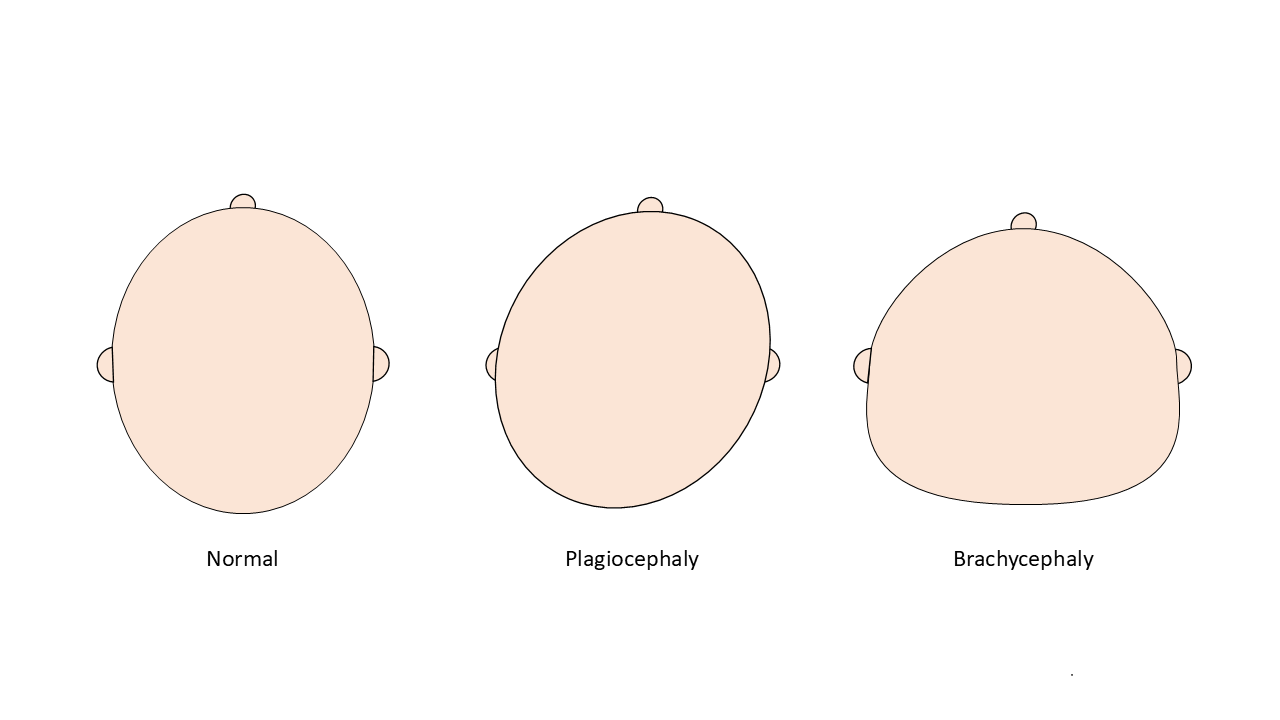 Image from KKH
Two types
There are two primary types of flat head syndrome.
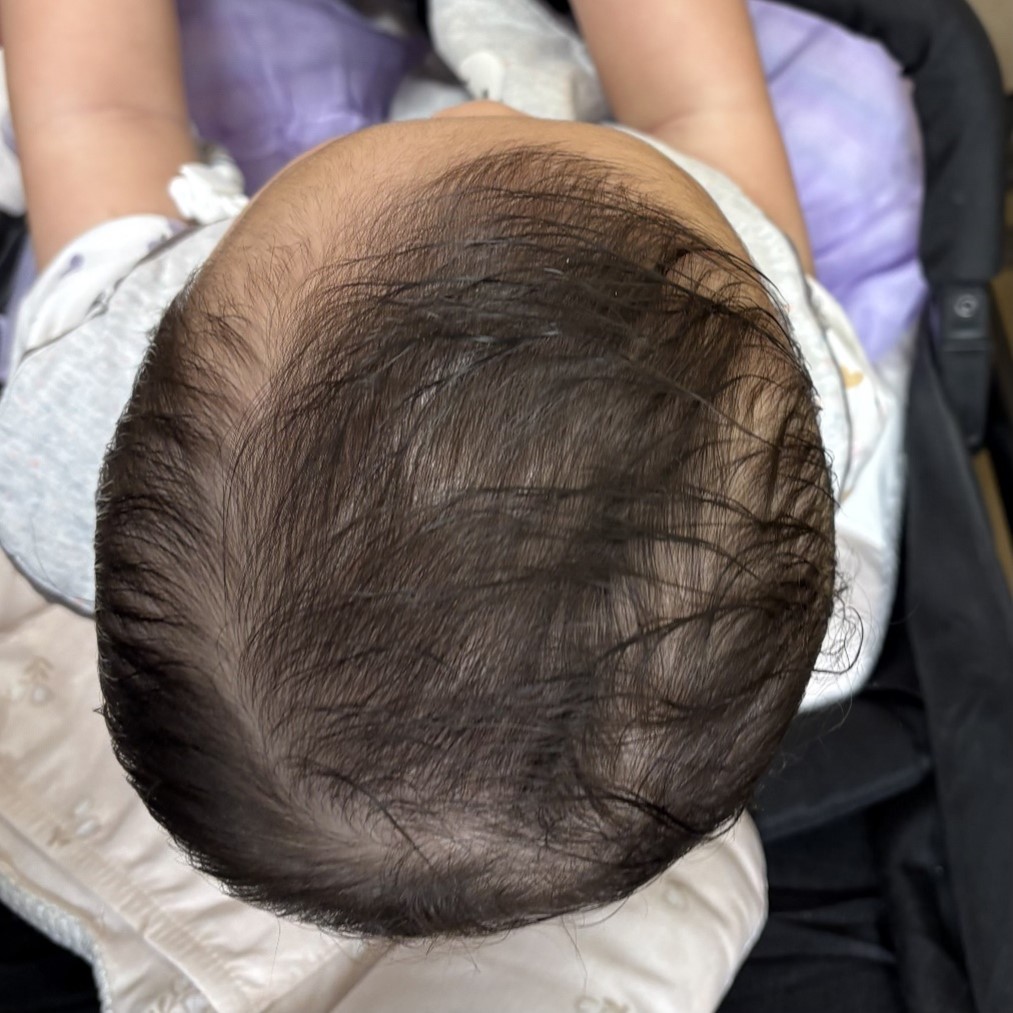
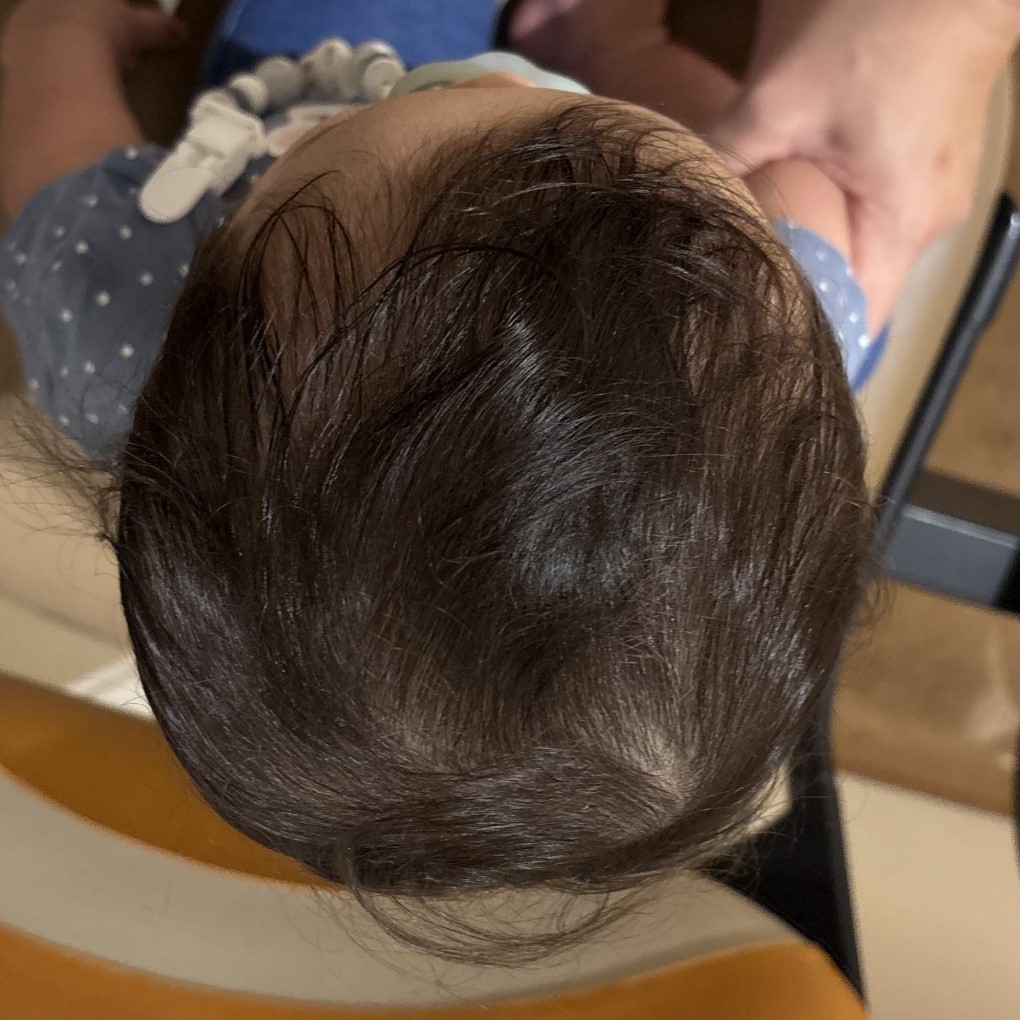
Plagiocephaly is an asymmetrical head shape with cranial flattening to one side of the head.
Brachycephaly is cranial flattening across the back of the head, causing its shape to appear wider and shorter than usual.
Effects of condition
In milder cases, flat head often resolves naturally as the infant starts to crawl and move their head independently.
Moderate to severe cases, if left untreated, could result in an abnormal head shape.
In extreme instances, it could hinder jaw development and facial growth, and cause obstruction to the child’s vision.
As the child gets older, they may also face difficulties wearing protective headgear or develop a squint.
Untreated torticollis, which restricts head movement, can worsen flat head, and may cause a persistent head tilt.
3D-printed helmets
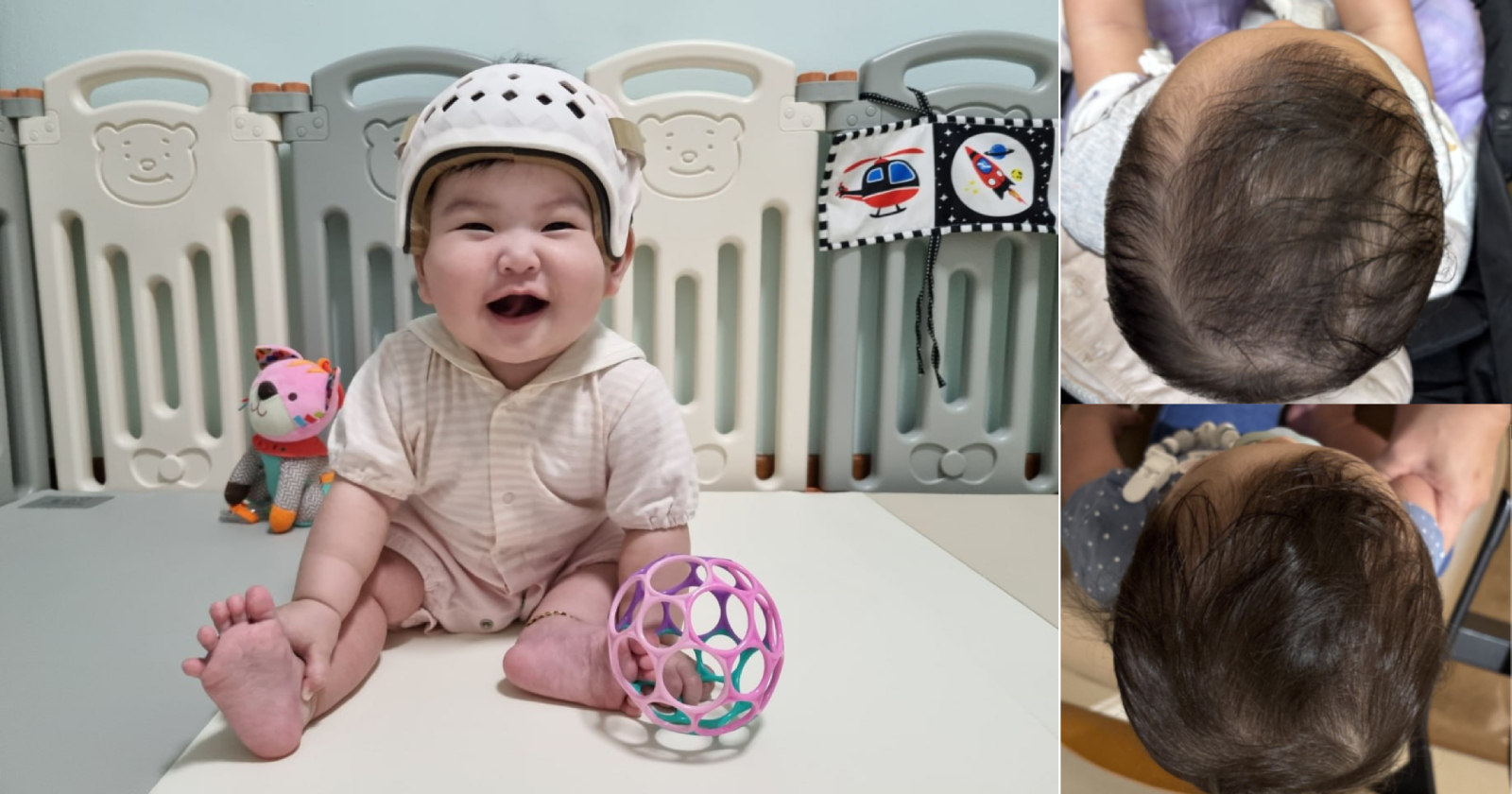
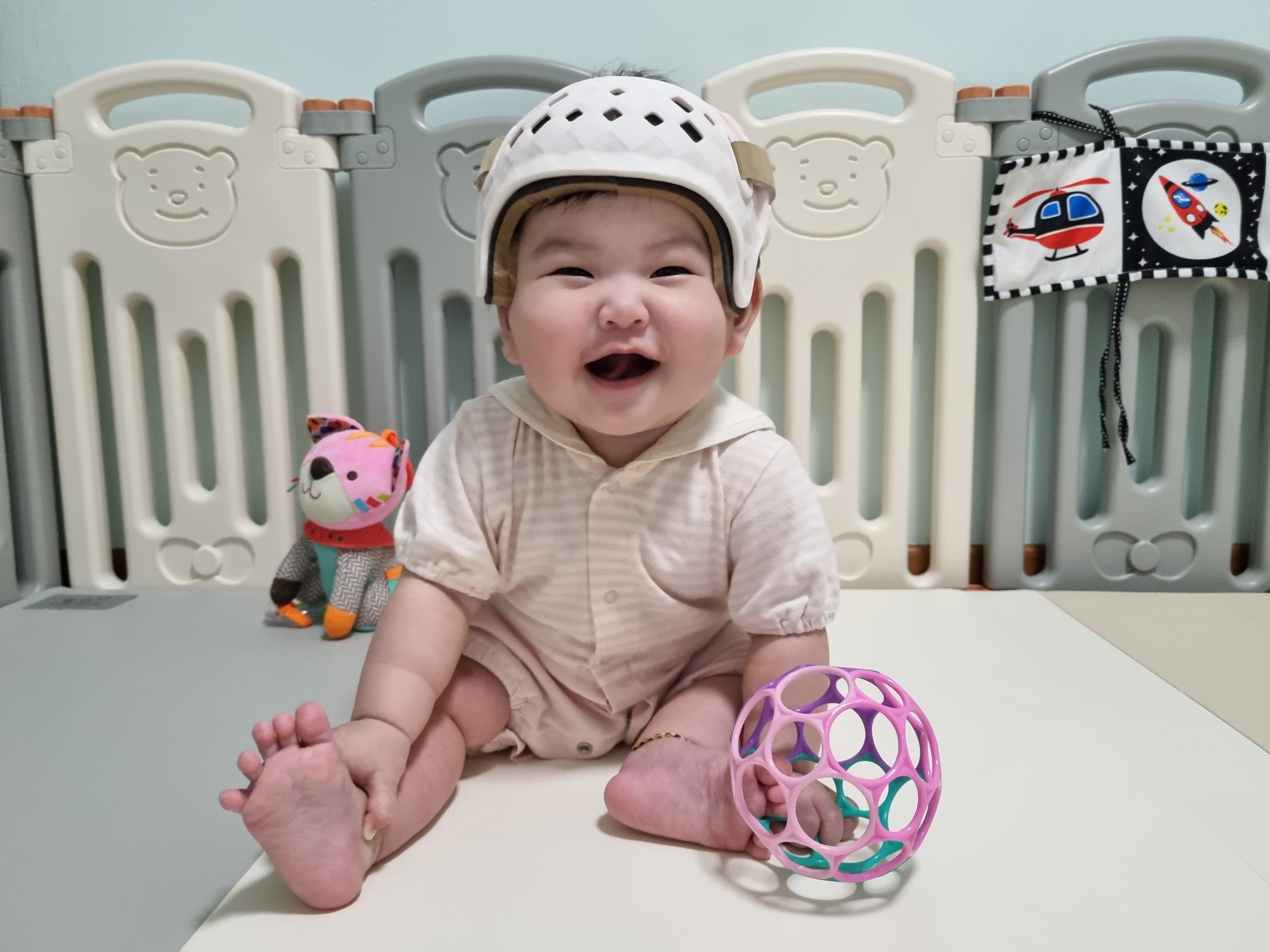
KKH is also the first public hospital in Singapore to offer 3D-printed helmets as part of its treatment options.
 Images from KKH
Assessment of condition at centre
At the the centre, infants with flat head syndrome will be assessed to determine the severity of the condition.
For mild cases, treatment options typically involve physiotherapy and observation.
For moderate or severe cases, for optimal outcomes, infants below eight months, may be offered helmet therapy.
Helmet therapy
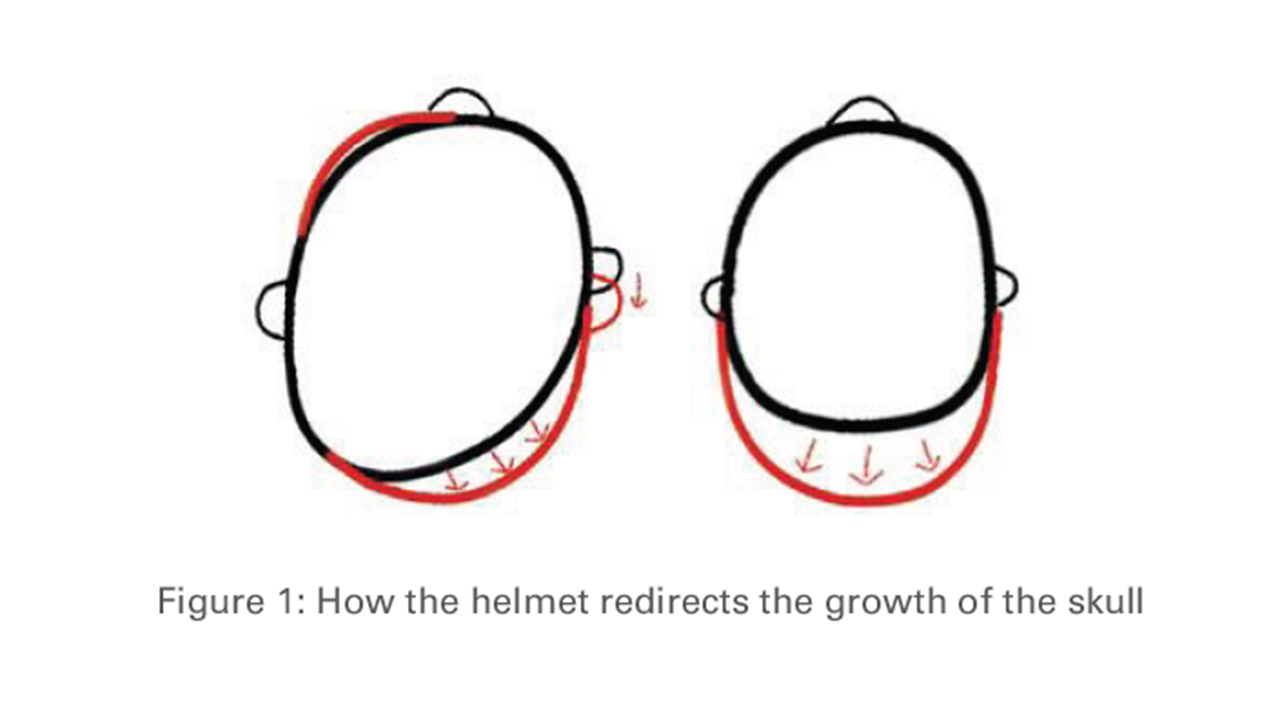
The process involves a custom fitted helmet created using a 3D scan of the infant’s head.
The helmet is designed to apply gentle pressure to specific areas of the head, while also leaving space for the head to grow in the flattened areas, to encourage it to grow symmetrically.
According to KKH, helmet therapy is most effective when started early, while the skull is still developing.
KKH says that unlike conventional helmets, their 3D-printed helmets are designed and customised to optimise each baby’s comfort and treatment outcome.
Infants are required to wear the helmets for 23 hours a day.
Improvement in two to three months
Most infants show visible improvements within the first two to three months of treatment.
The centre was launched in response to the rising awareness of the syndrome and its treatment.
Increase in flat head syndrome cases seen at KKH
KKH had seen a 36 per cent increase in cases of flat head syndrome in infants over the past two years.
The number of affected infants rose from over 800 cases in 2022 to more than 1,000 in 2024.
Globally, the condition affects up to 22 per cent of infants by the sixth week of life, and nearly 30 per cent by the fourth month.
“Flat head syndrome is relatively common, but it is also highly preventable and treatable. The rise in the number of cases reflect increased awareness among parents and caregivers of the importance of early detection and timely intervention," said Kavitha V Sothirasan, the lead at the KKH PlagioCentre.
Images from KKH