




Branded
S’pore has mystery shoppers who hunt for unsafe food in our supermarkets & retail stores to keep us safe
All part of ensuring the safety of the 1.6 million tonnes of food we import annually.
Picture yourself in this scenario:
You’re out on your weekly grocery run when you spot a fellow shopper paying especially close attention to a can of tomatoes.
You fancy yourself as a bit of a careful shopper yourself, thanks to your grandmother’s training.
But this fellow shopper is exceptionally meticulous.
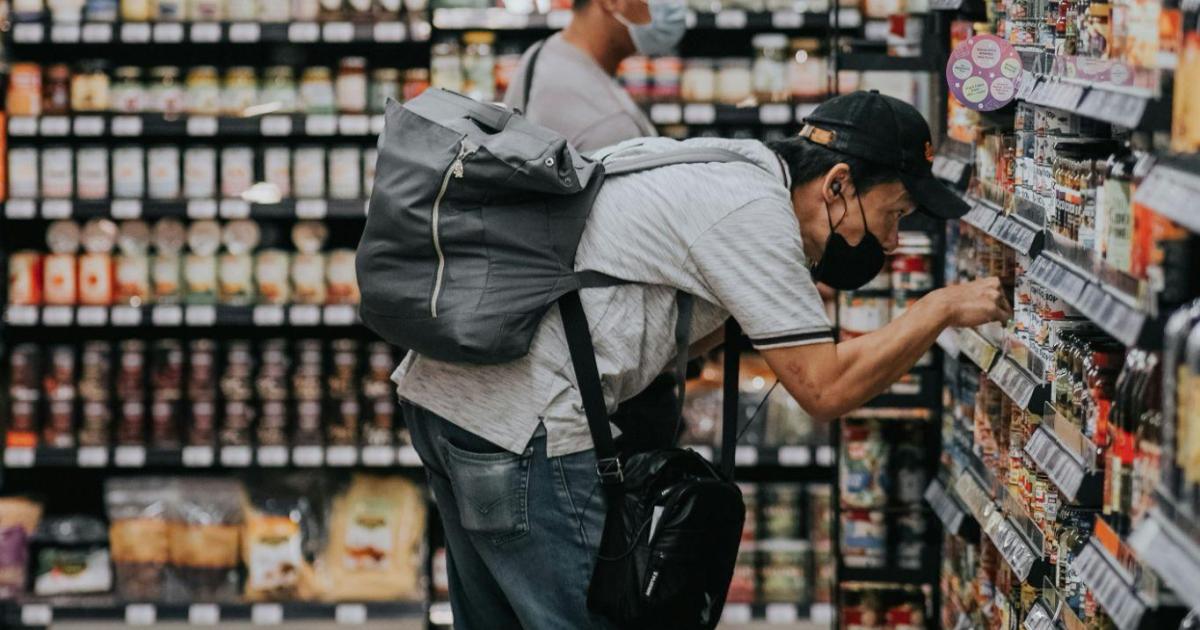
He seems to be studying the item’s country of origin, the date it was imported, and scanning for other information from signboards around.
Then, as the shopper pulls out a notebook to take note of the information printed on the label, you start to suspect that this mysterious shopper is not actually there to restock his pantry.
He packs his haul into a reusable bag — just like a regular shopper — but you see that he immediately ziploc bags his pickings and overhear that he’s going to a laboratory.
While the above story is entirely fictional, the fact is that there are mystery shoppers moving around in supermarkets and food shops.
Their mission: To collect samples of food products at retail outlets in Singapore and bring them in for food safety testing.
This is part of the Singapore Food Agency (SFA)’s surveillance system — to regularly collect and test food samples from the retail market under a Market Monitoring Programme to identify any potential food safety risks.
These food samples are tested for microbiological hazards, including bacteria like Salmonella or viruses like Norovirus, as well as chemical hazards, such as pesticides, drug residues, and other contaminants.
If food is found to fail the tests, they will not be allowed for sale, and this could result in a food recall.
What is a food recall?
A recall happens when a food product is found to be unsafe for consumption due to the presence of food safety risks.
These include undeclared allergens (like gluten, egg, milk), prohibited additives, choking hazards, microbial contamination, and excessive pesticide levels, among others.
Implicated products will be pulled from the market to prevent further distribution or sale to consumers.
In a case last year, SFA had directed a recall of an Acai sorbet product from Brazil, after detecting undeclared milk allergen in the product.
How does a food recall work?
SFA identifies potentially unsafe food based on industry and public feedback, SFA’s own surveillance, as well as other information sources like alerts from overseas counterparts.
If food products are found to be unsafe for consumption, it will trigger SFA’s follow-up actions, which can include industry engagement and food recalls.
When SFA directs a food recall, importers are required to work with retailers to remove implicated food products that are already in the market.
SFA will also alert the public of food recalls through press releases, social media posts, and through the media.
Affected consumers will be advised not to consume the implicated products, and to seek medical advice if necessary.
SFA may also follow up with more tests on newly-imported batches of the implicated product, to ensure that they are not similarly affected, before they are released for sale.
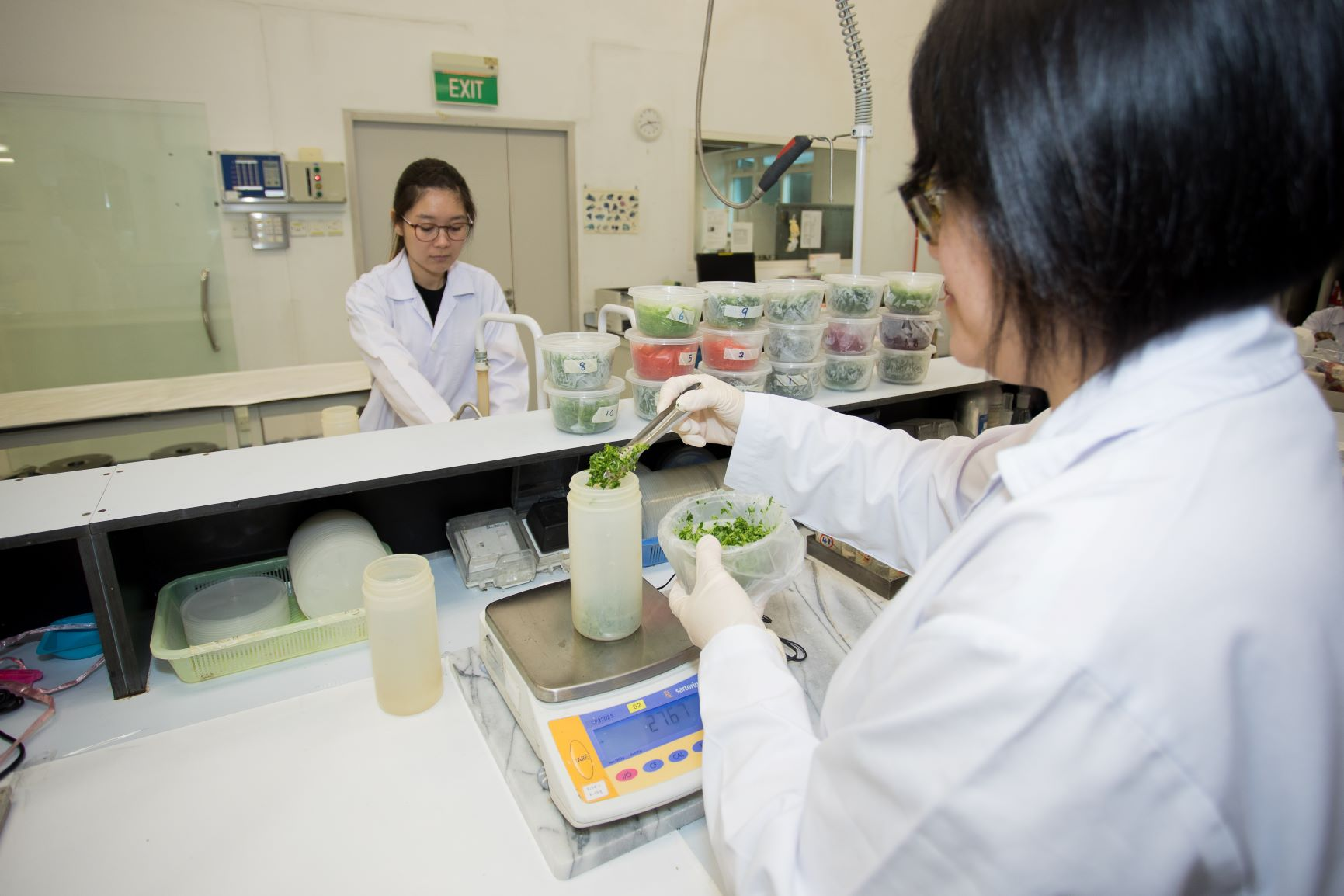 Food being tested. Photo via SFA website.
In addition, SFA may report its findings to its overseas counterparts, who will take their own follow-up action.
All of this is part of a larger food control system that keeps food safe for consumers in Singapore.
How to know what to test?
It would be impractical and expensive to inspect and test all food that’s brought into Singapore.
After all, Singapore imports about 1.6 million tonnes of food each year — over 90 per cent of our food supply.
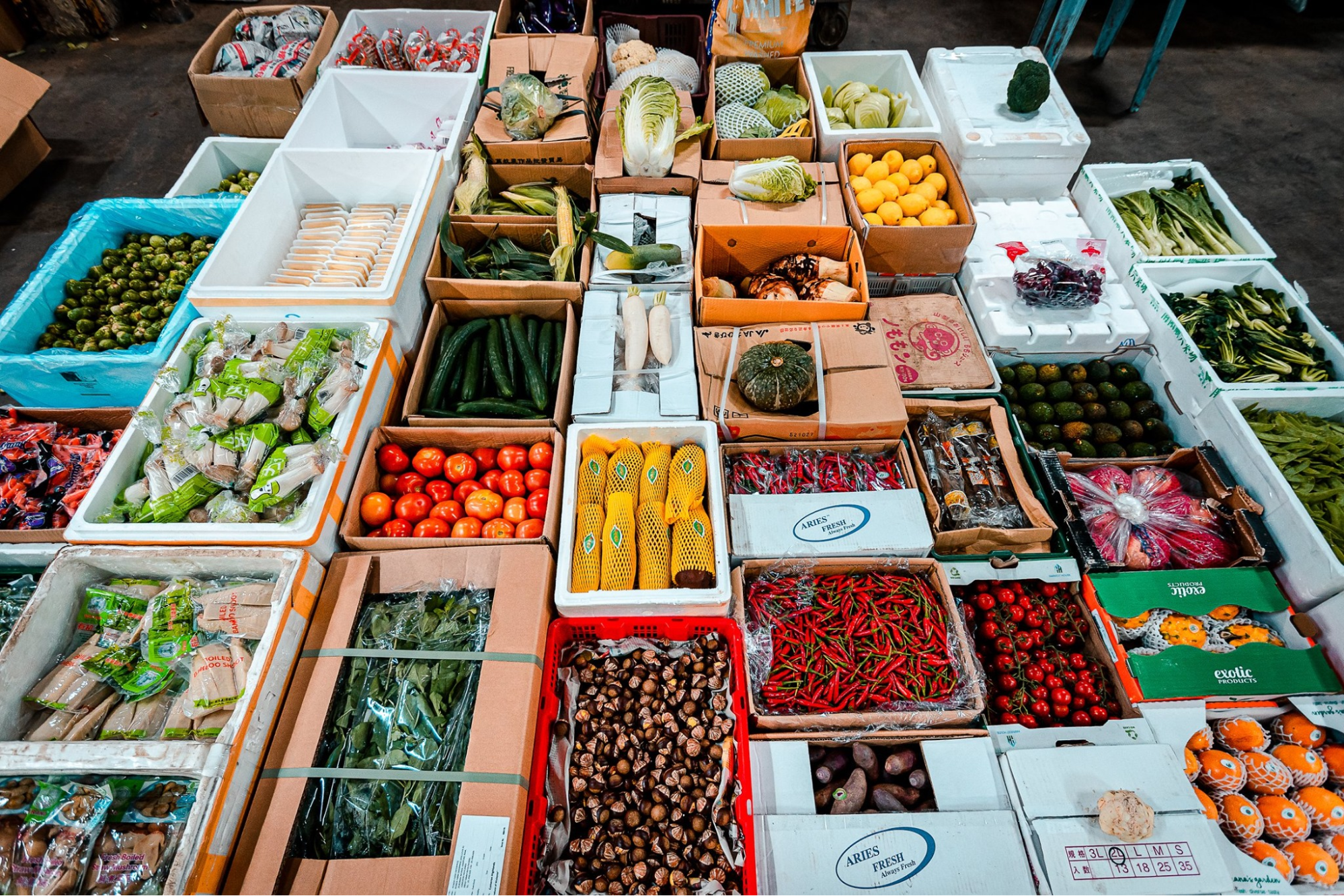 Photo via South West CDC on Facebook
To manage the risk of unsafe food being imported to Singapore, SFA takes on a science-based risk management approach.
This means that SFA’s regime for accreditation, inspection, sampling and testing of food is tiered, based on the risk profile of food items.
These measures help to keep food safe for consumers in Singapore.
Accreditation
The work of accreditation starts before any food of higher regulatory concern is imported into Singapore.
That’s because Singapore’s food safety system has identified certain food products, such as meat and eggs, that are more susceptible to contamination and diseases.
These products can only be imported to Singapore from accredited and approved sources.
SFA assesses things like whether the exporting country is disease-free, whether the country has adequate veterinary services, legislation, microbiological monitoring programmes, food safety and animal disease control measures, among other factors.
In the case of eggs and poultry, for example, a country is only accredited after SFA has determined that the area we are importing from is free of Avian Influenza (bird flu).
Food Safety as a Joint Responsibility
SFA’s role in food safety is to ensure that regulatory measures are in place and properly enforced, and to vigilantly monitor compliance.
But food safety is a joint responsibility, as food can be contaminated anywhere along the food chain.
Companies that import food also need to do their part to source food from reliable sources that meet SFA’s food safety requirements.
Consumers can also learn more about how they can keep their food safe via the SFA website.
This sponsored article by the Singapore Food Agency made this writer think about cooking some eggs.
Photo by Melanie Lim on Unsplash