Branded
‘As fast as we can’: S’pore respiratory therapist on helping patients in their sickest & most dire moments
A profession that many may not have heard of.
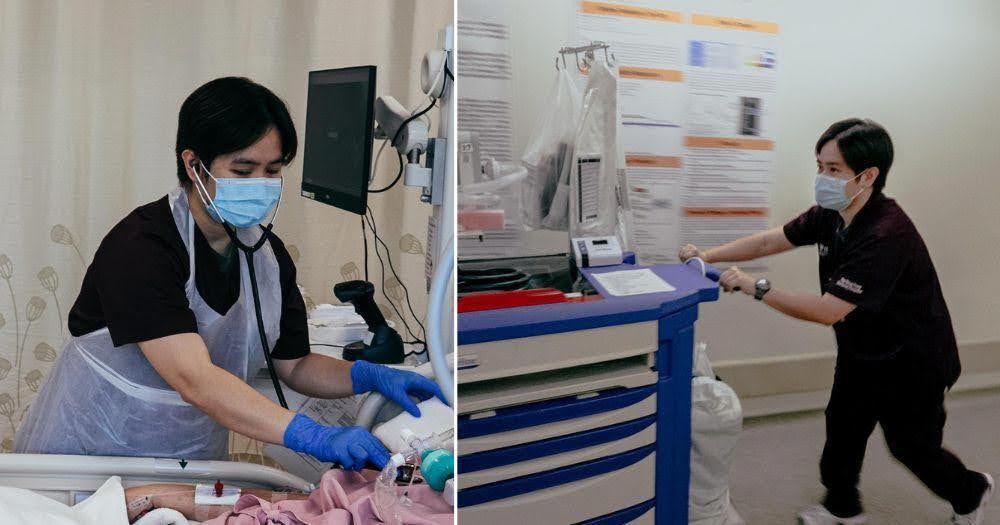
The sun has barely risen when Anna Trajico, 35, leaves home for work.
By 7am, she’s already in the office, dressed in her uniform, preparing for handover from the night shift staff.
Although she’s often mistaken for them, Anna is neither a doctor nor a nurse.
She’s a respiratory therapist; one of the 25 at Ng Teng Fong General Hospital.
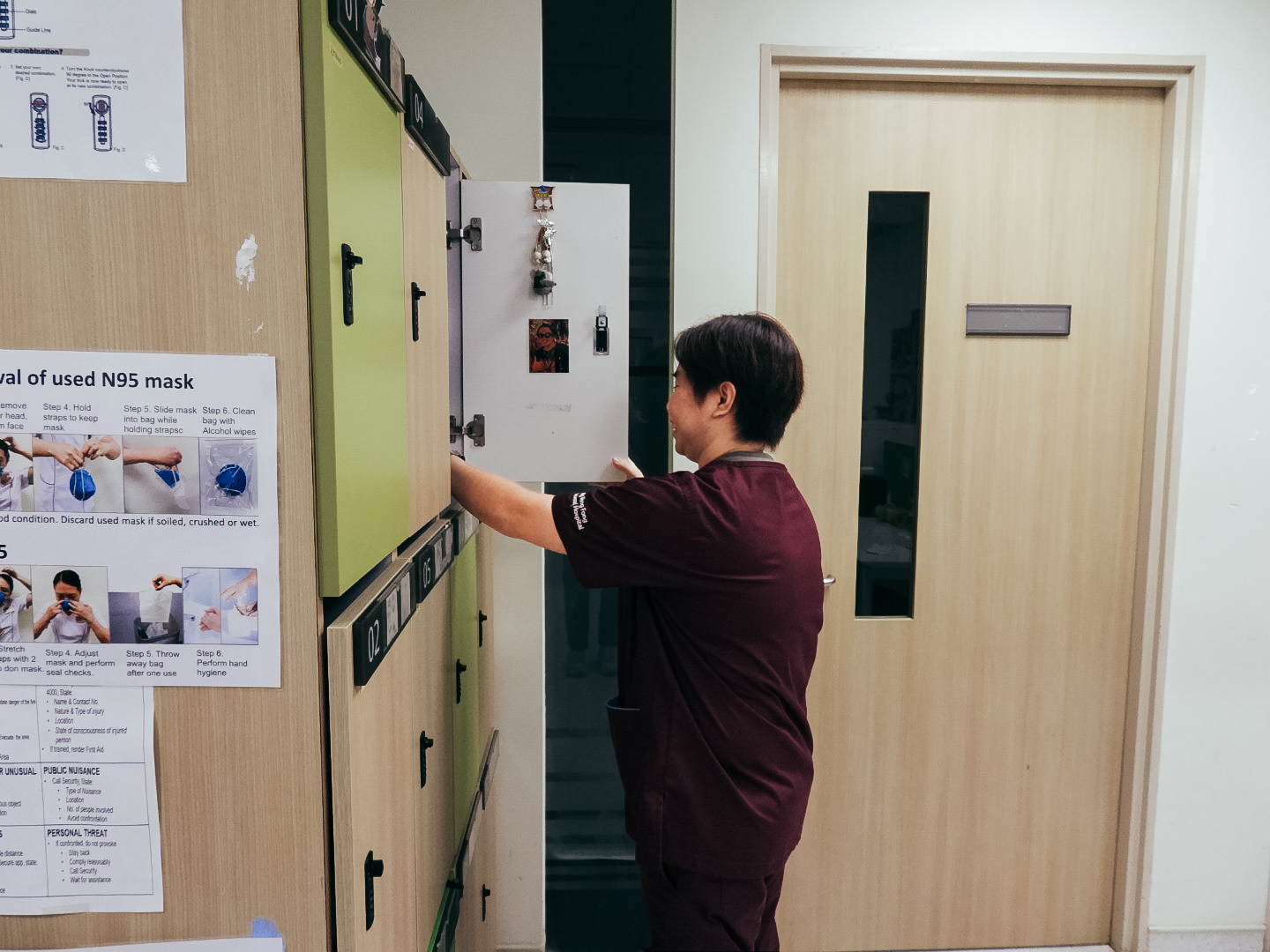 Photo by Ilyda Chua
Respiratory therapists help patients with lung or breathing-related problems. This can be anything from respiratory failure to pneumonia and pulmonary tuberculosis.
Anna, herself, mostly works in the Intensive Care Unit. It’s a quiet kind of place, and busy, but not in an especially cheerful way.
Unlike nurses and doctors, most of Anna’s patients are unconscious.
As she assists in intubating them and checks on their breathing, the only sounds in the pods are the beeping from the machines, and the hissing of the ventilator.
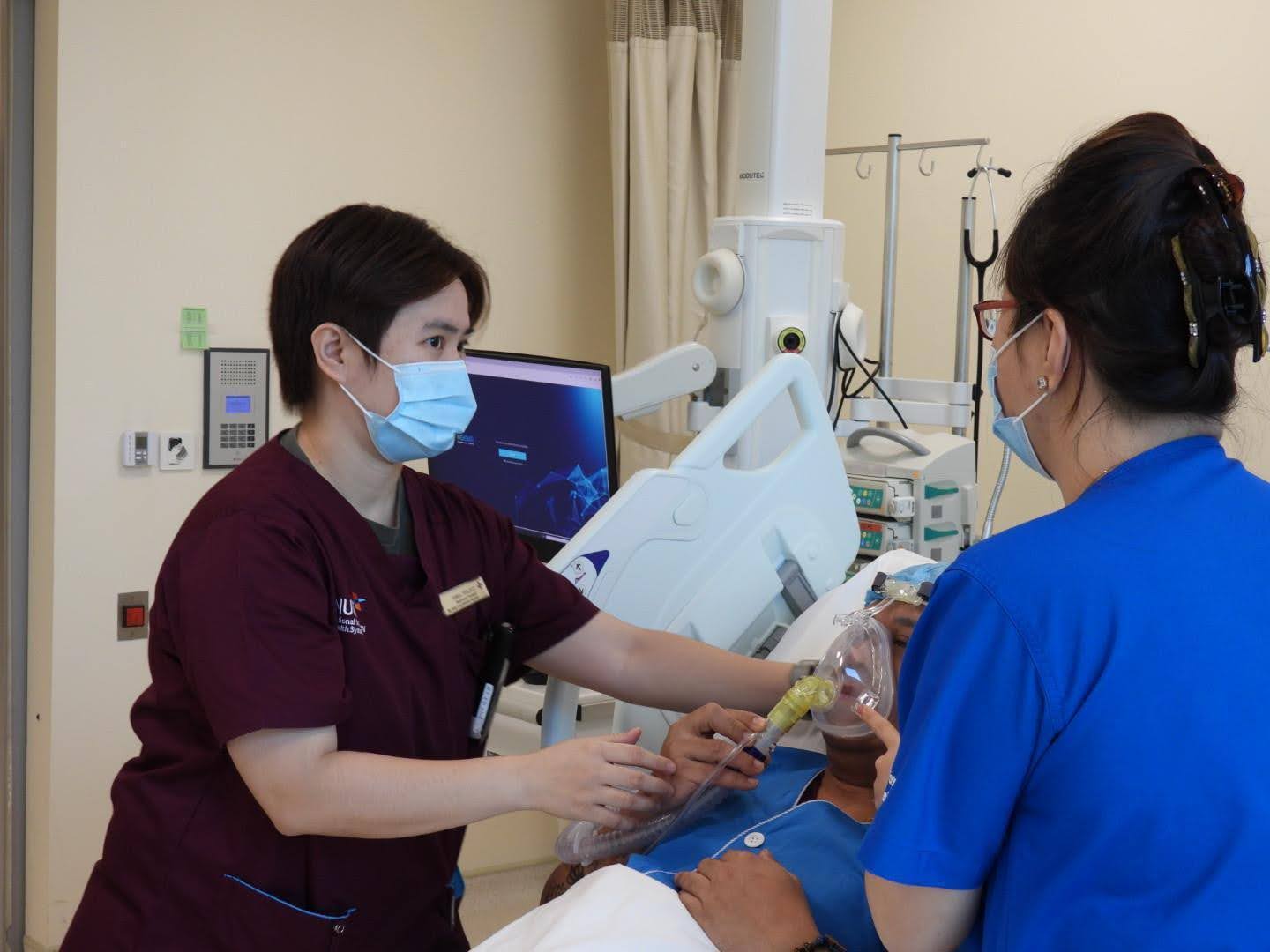 Photo by Ilyda Chua
Although the patients can’t respond, Anna still talks to them.
“I let the patient know my name, who I am, what I’m going to do,” she says.
Not all of them are conscious, but she’s heard from previous patients that even in their drug-induced stupor, they were able to hear the therapists go about their work.
Some of her colleagues sing or tell jokes to the patients. For Anna, she tries her best to converse with them, just in case they do happen to be conscious.
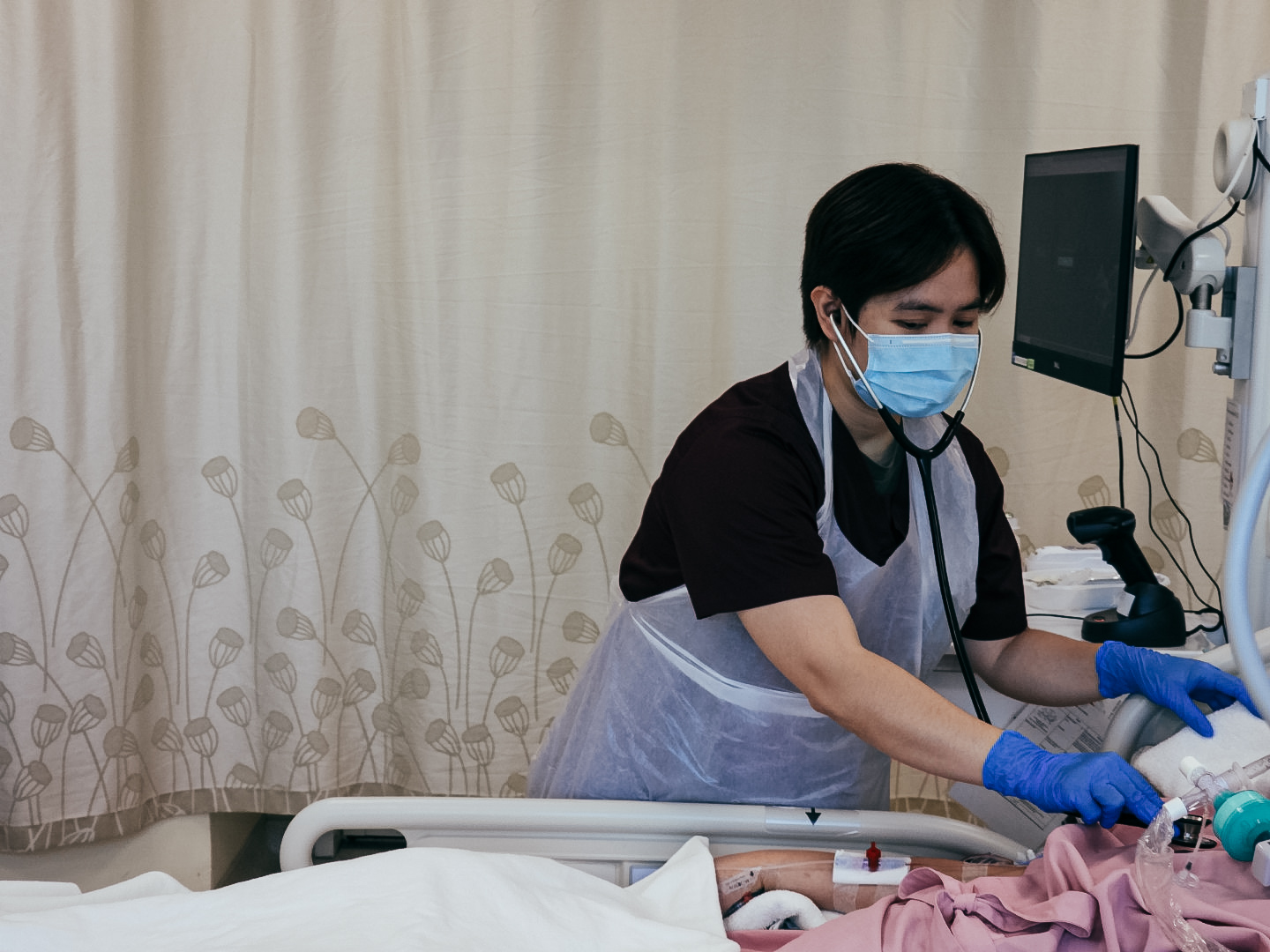 Photo by Ilyda Chua
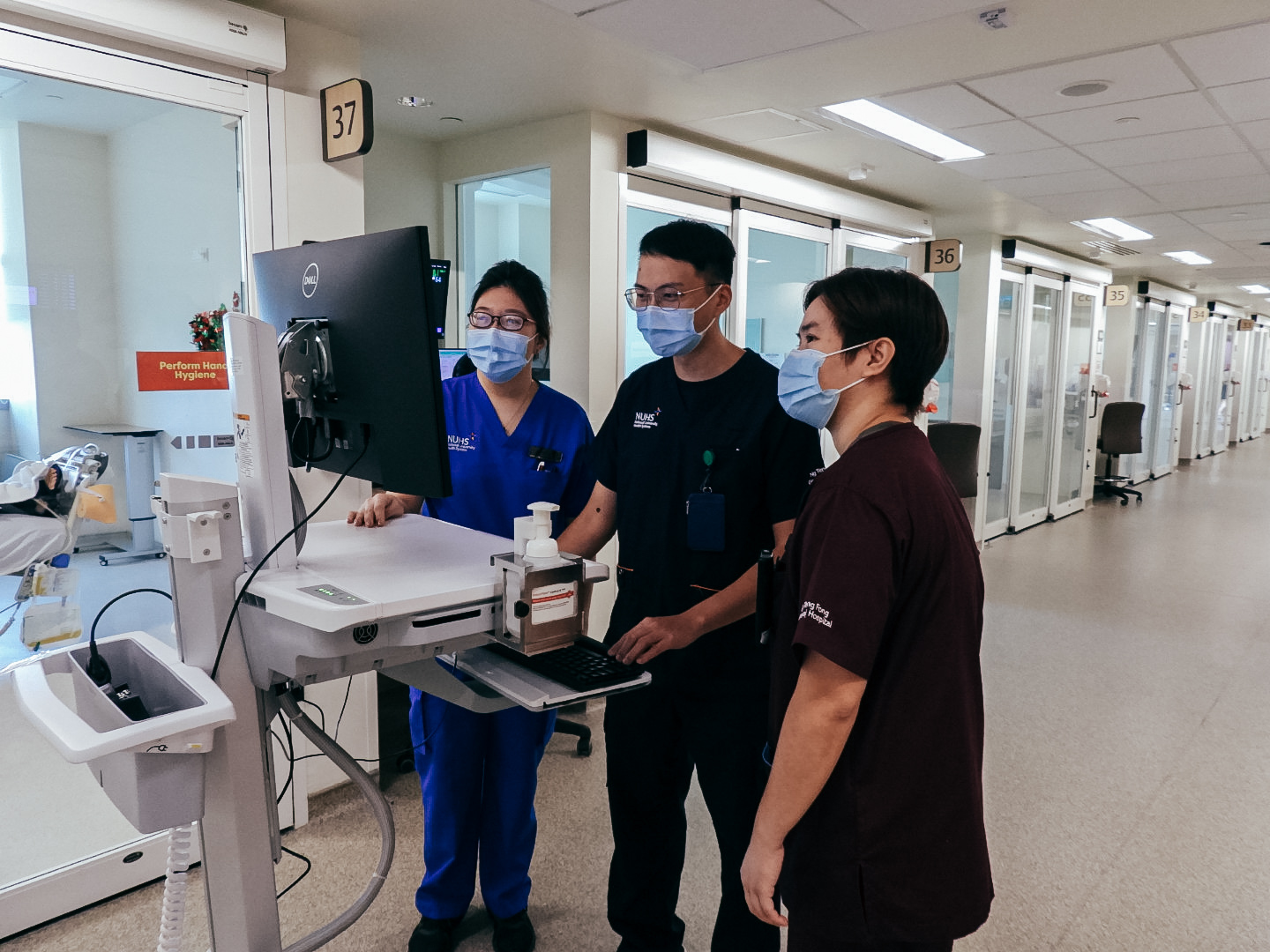 Photo by Ilyda Chua
Apart from the day-to-day work — like drawing blood from a line, suctioning phlegm from a patient’s lungs, or managing the ventilators — there are also code blues.
“Code blues are urgent, because they usually indicate a cardiac or respiratory arrest,” Anna explains. When coded, patients are unconscious and can’t breathe on their own.
That’s when you’ll see a group of healthcare staff — ICU doctors, nurses, and respiratory therapists — all rushing through the hallways.
Upon reaching the patient, Anna will then give them oxygen while the doctors and nurses prepare for CPR.
“[We move] as fast as we can,” Anna adds.
“Our target is to reach the patient in less than five minutes. Because if the patient has low oxygen, it can damage the brain, so we have to be fast.”
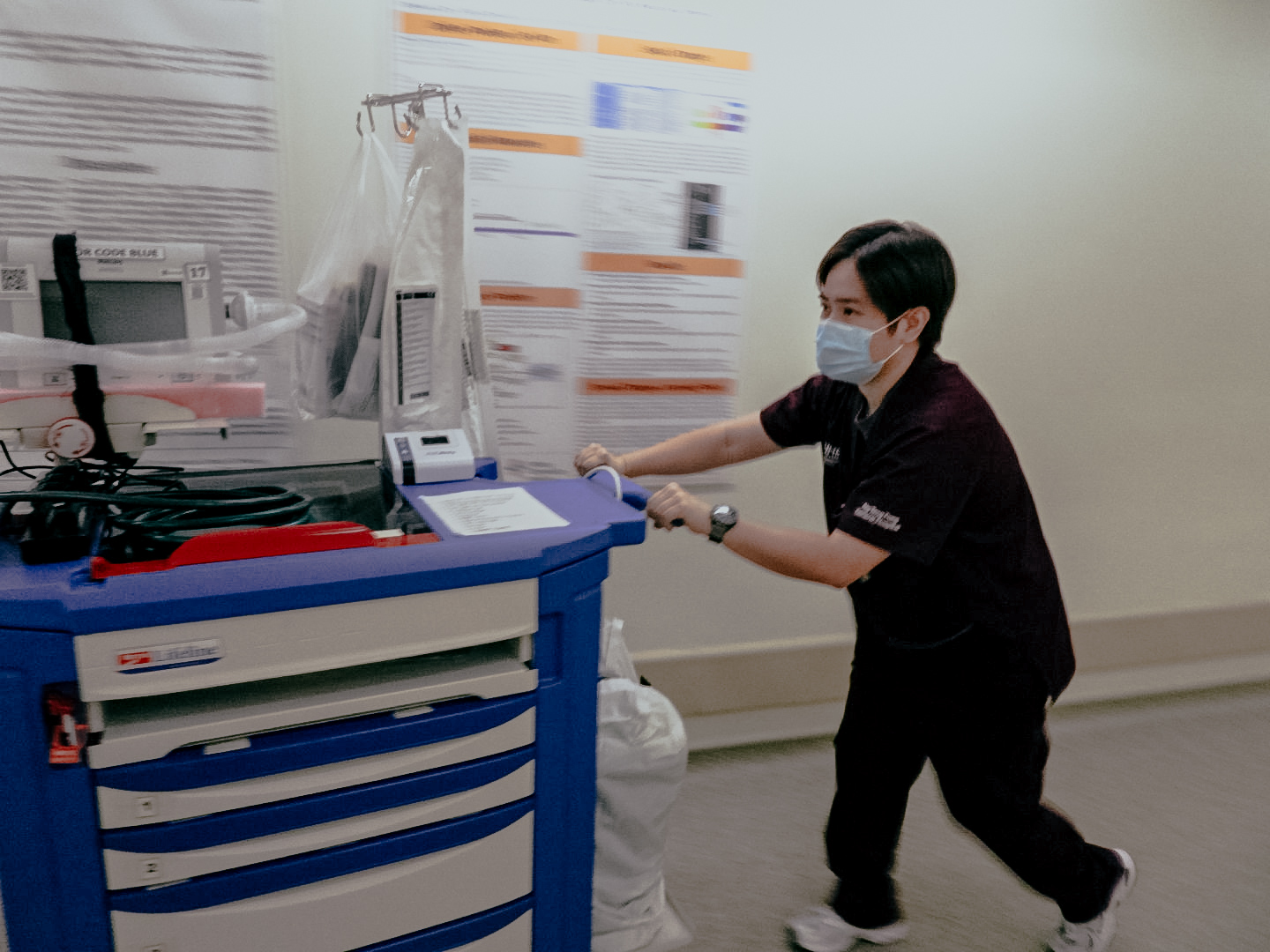 Photo by Ilyda Chua
We stop in front of a patient who the attending nurse says is “flat”. I ask what that means, and she says that the patient basically isn’t breathing on their own, and isn’t responding.
The patient’s chest rises with the machine, and Anna talks about death.
“It is a struggle because we try our best to make the patient survive…but sometimes it’s still hard. Sometimes the patient’s very sick already, so we try our best, but they're still unable to make it.
“It’s hard for us every time, when the team decides to stop the resuscitation and when we have to turn off the ventilator. It breaks our heart.”
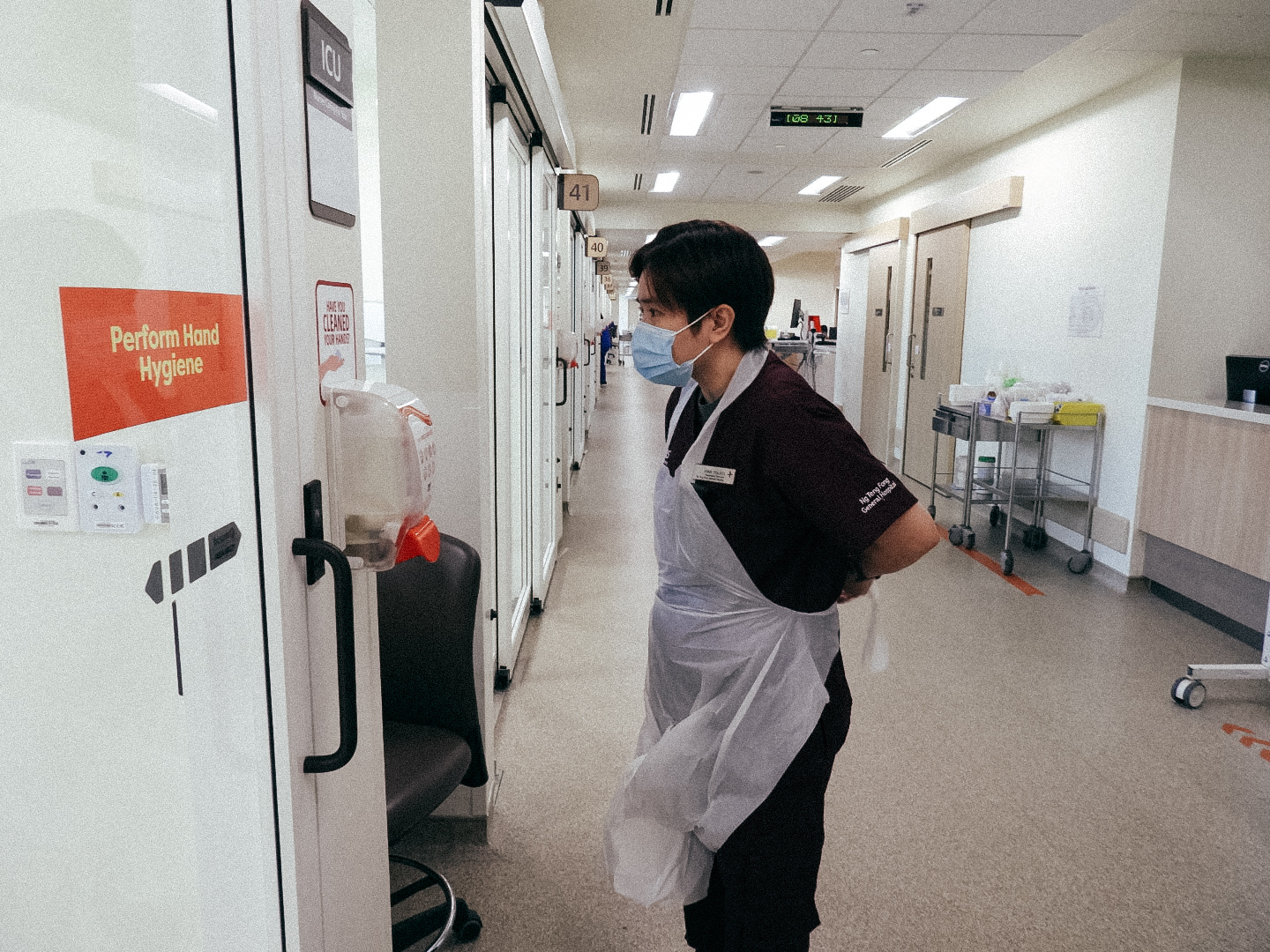 Photo by Ilyda Chua
Good times
The work isn’t all stress and silence.
The best part of Anna’s job is her colleagues. When she escorts us into the admin office, and then the pantry, their easy camaraderie is pretty clear.
As she settles in for a quick break with her colleagues, one of the therapists offers me a basket full of snacks.
It’s a bit of a tradition in the team, Anna tells me.
Whenever a member of the team goes overseas for a holiday, they bring back local snacks to share with the rest.
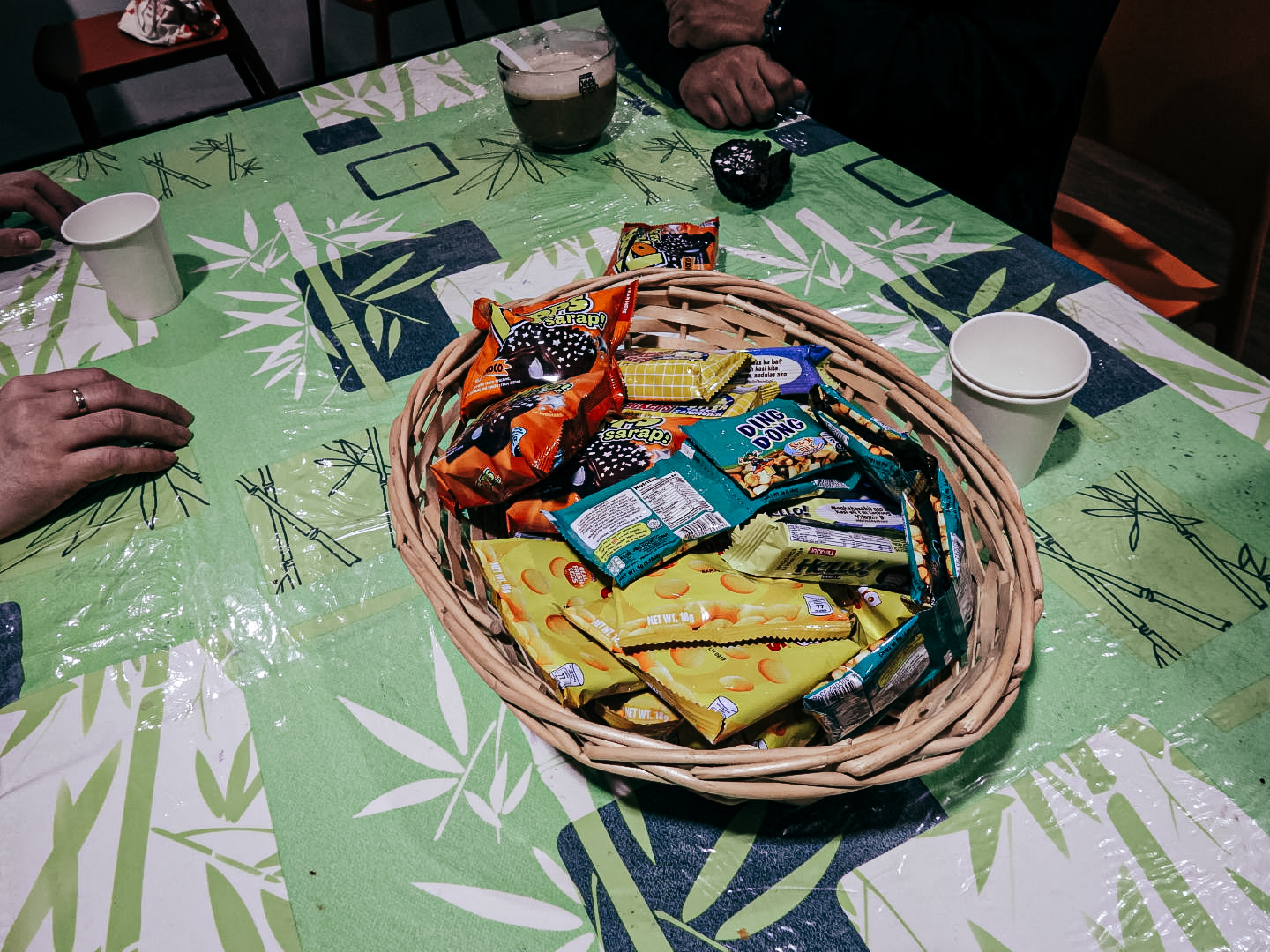 Photo by Ilyda Chua
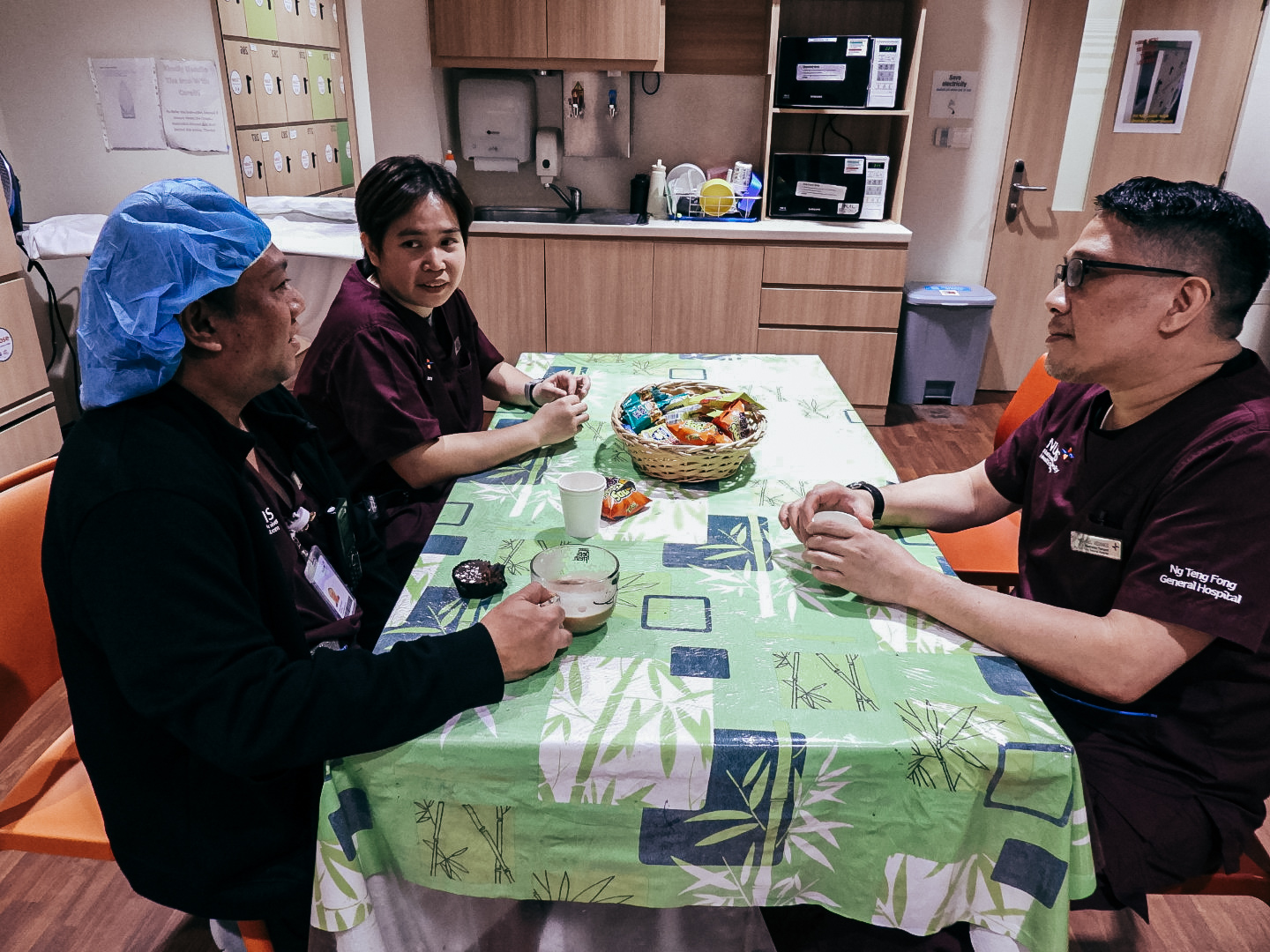 Photo by Ilyda Chua
It’s not every day that they get to take breaks together; today is a bit of a rare respite.
Working in the ICU, there’s never a dull moment, and it is always a race against time to save a patient’s life.
“But if, in the morning you see the patient very sick, and then before you go home, you see her breathing and doing well — it’s so nice. It’s so nice to go home.”
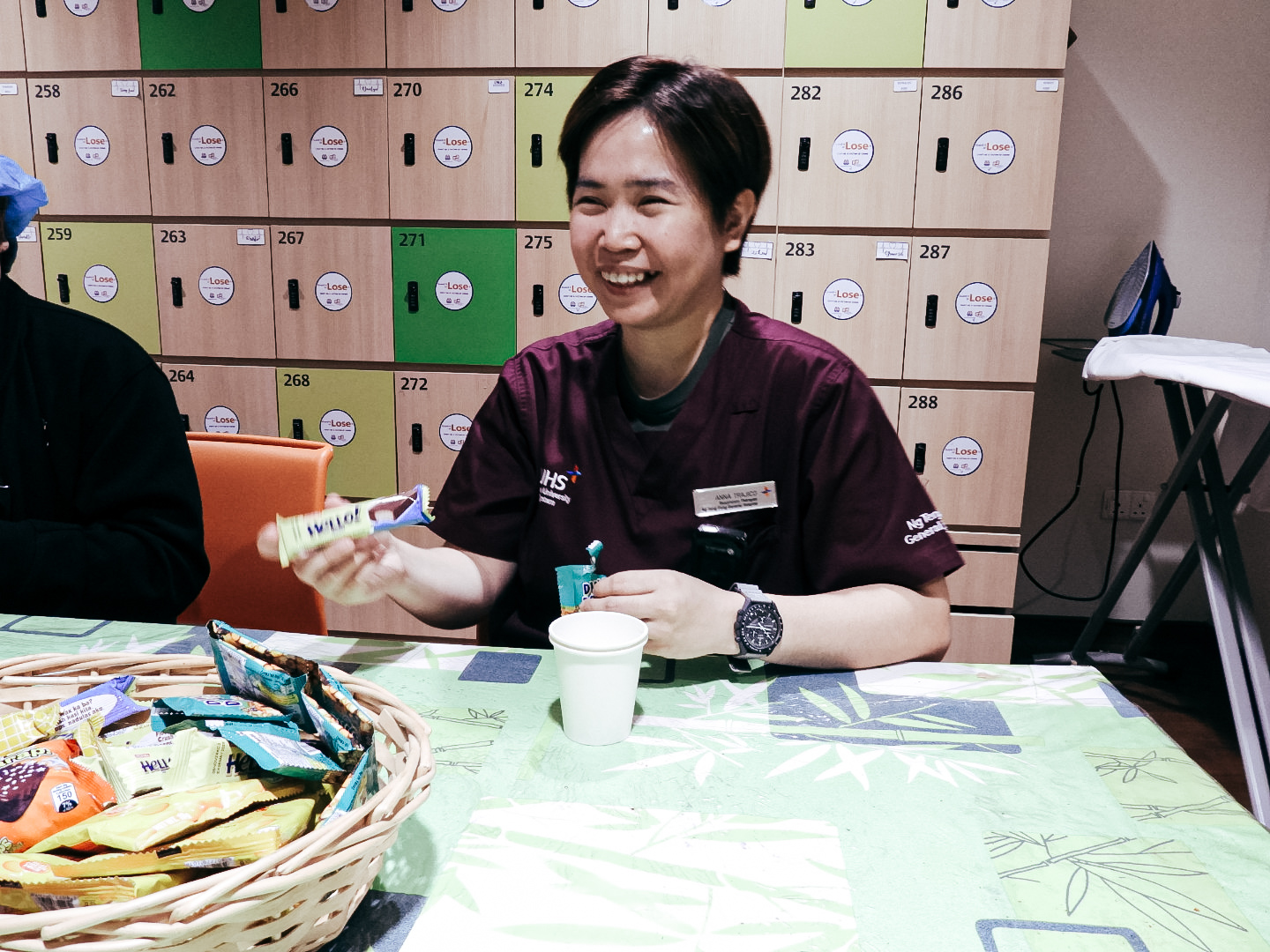 Photo by Ilyda Chua
A painful inspiration
It’s been 13 years since Anna began working as a respiratory therapist.
But why this field? I ask her. Wouldn’t something like a doctor, or a nurse, be more intuitive a career choice?
She explains that when she was very young, her grandmother fell sick with pulmonary tuberculosis.
“At that time she needed to be intubated. I had to look at her from outside the room because I cannot touch her, I am not allowed to touch her…I cannot [even] talk to her,” she recalls.
Anna remembers seeing her grandmother hooked up to the tubes, and wondering why she needed them, and why she could not breathe on her own.
“I really couldn’t forget that time. That time, and her last breath, because I was there.”
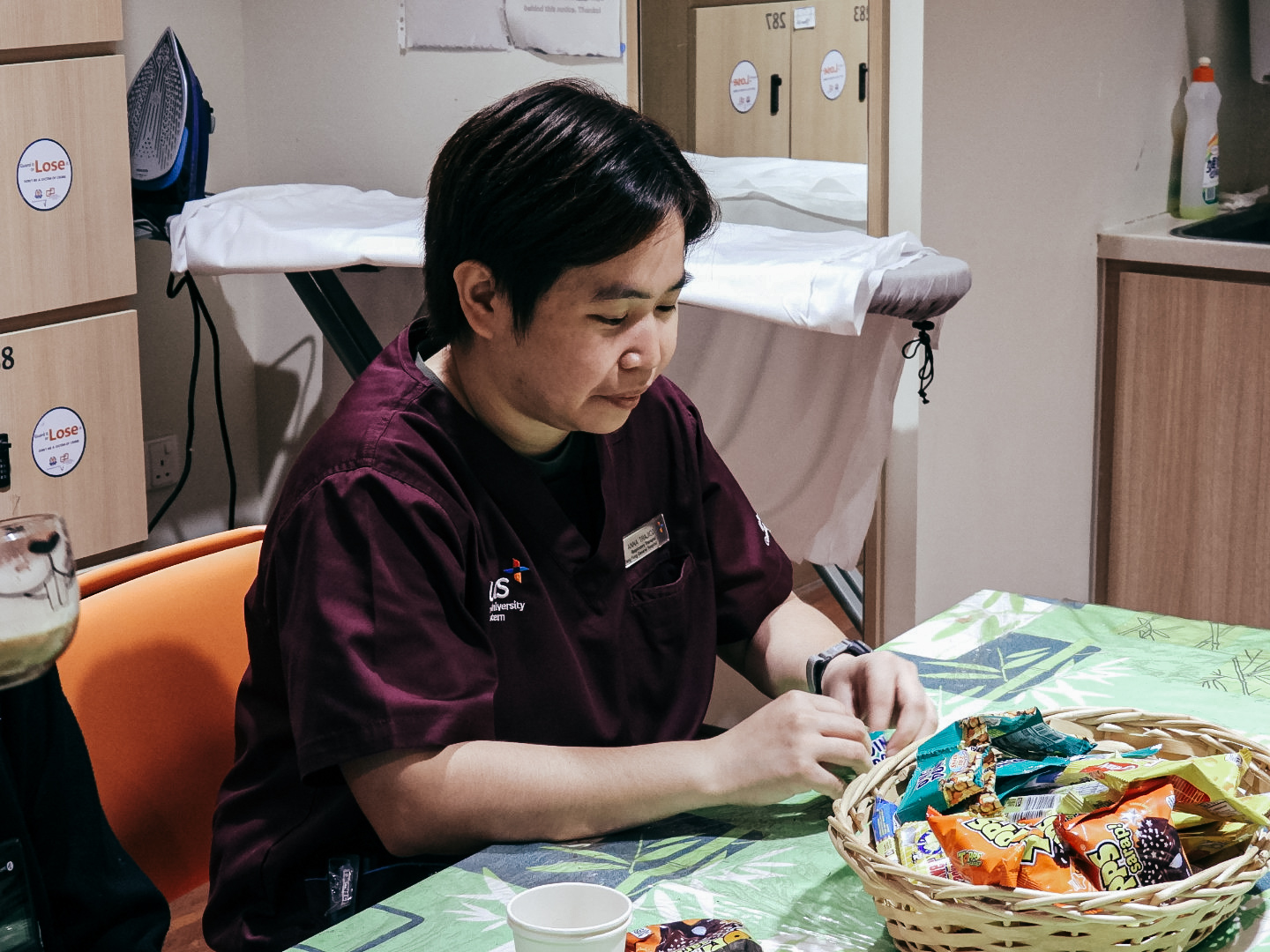 Photo by Ilyda Chua
Despite the somber nature of the work, whenever she crosses paths with a colleague, she smiles and makes easy conversation.
She explains how even during the Covid-19 pandemic, when they were all terrified and had to be isolated into different teams at work, she and her colleagues would make plans to go biking together when the situation got better.
She also belongs to the ICU basketball team, which plays together on off days.
“It’s nice to be friends with everyone, so the workload just feels lighter,” she says.
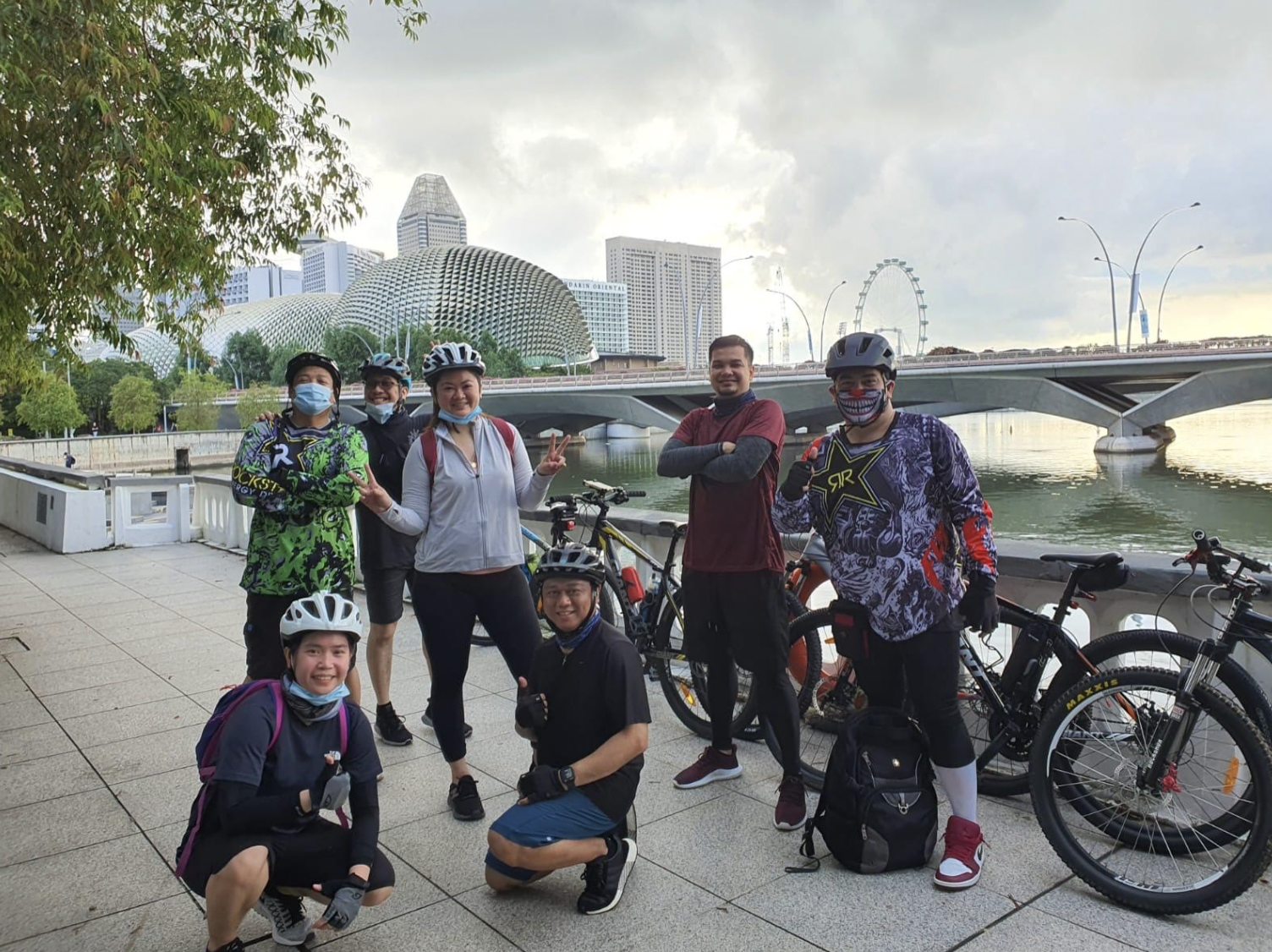 Photo from Anna
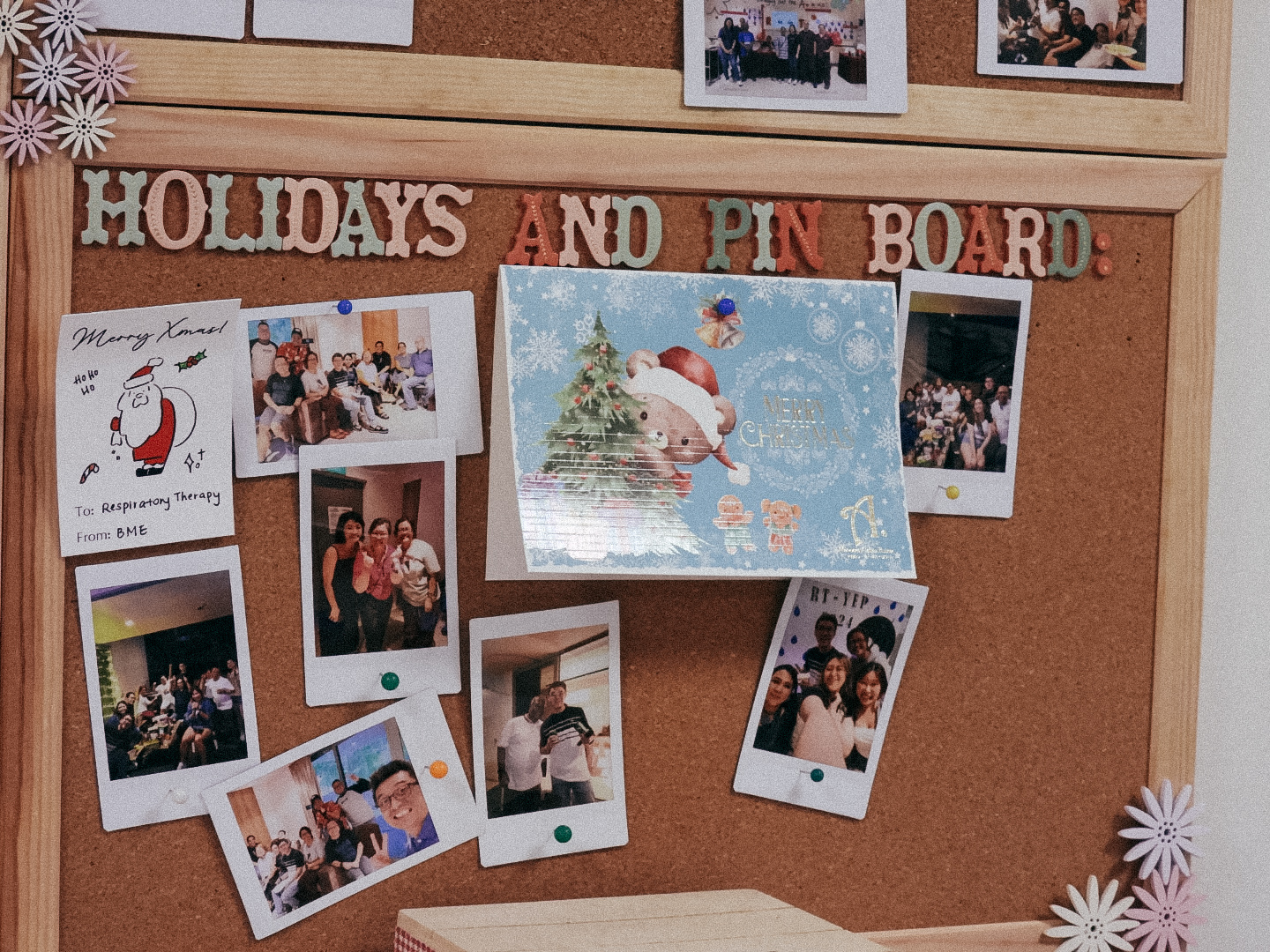 Photo by Ilyda Chua
To me, it seems the thing that keeps Anna going the most is the thought of home.
Every day, after work, Anna calls her family back in the Philippines.
She’ll talk to her parents and her siblings, tell them about her days so her mum won’t feel worried.
“That relieves my tiredness,” she tells me.
But she still finds meaning in her job, despite her busy schedule; takes heart in the way she’s able to contribute to people’s health and well-being.
“When you help the patient to wean off from the ventilator and remove the tube — that’s the best feeling.”
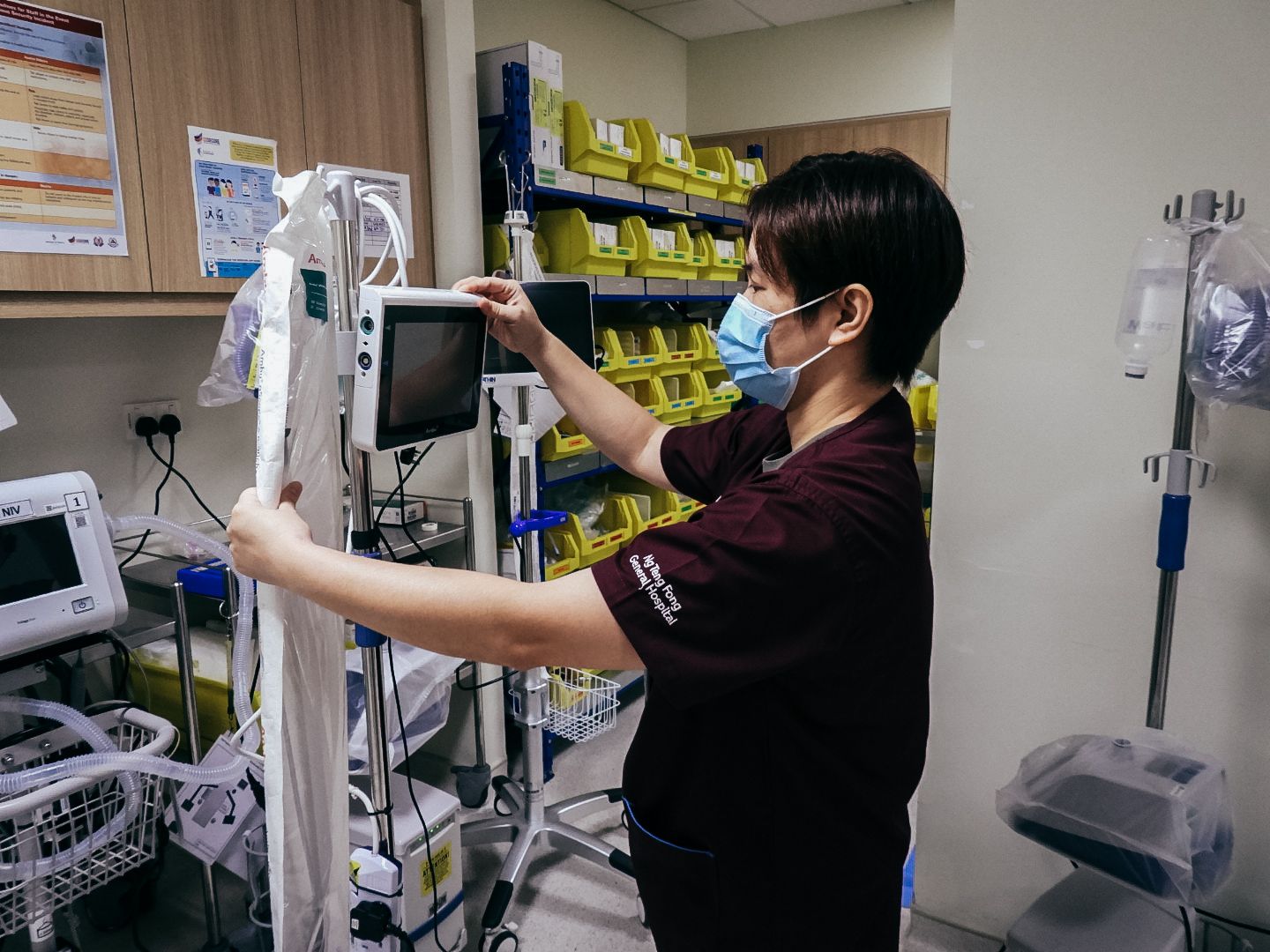 Photo by Ilyda Chua
Care to go beyond
Finally, I ask about her most memorable encounter with a patient. She recalls an elderly woman.
The woman had been on a visit to Singapore to see her daughter when she fell sick.
But as a tourist, she didn’t speak much English — only a dialect from the Philippines.
Fortunately, the woman was from Anna’s hometown. Anna was one of the few on staff who could speak the dialect.
“I made sure I talked to her in our dialect so that she could be more comfortable, and could understand what was happening around her,” she says.
A grandmother herself, the woman reminded Anna of her own late grandmother. Anna recalls looking after her and visiting her, even after duty times.
When she was finally well enough to leave, Anna was around to help her with the extubation and discharge from the hospital.
“That was the most memorable for me,” she says.
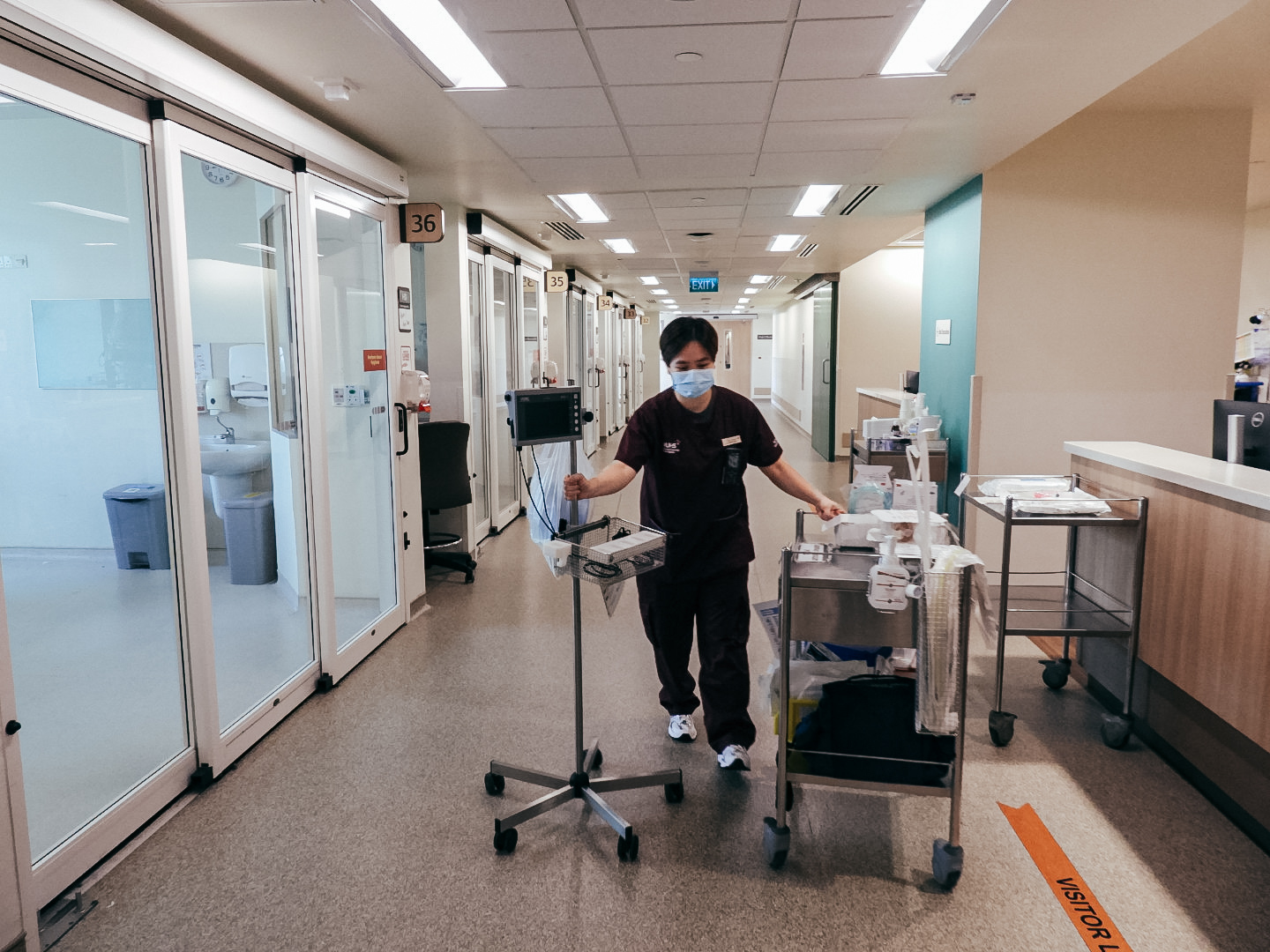 Photo by Ilyda Chua
Writing this Care To Go Beyond-sponsored article reminded this writer to be grateful for every day her beleaguered immune system pulls through.
Top image by Ilyda Chua