




Court


American man in S'pore rents Kembangan house, doesn't pay rent, sues elderly owners who want home back
The judge dismissed the suit, saying Price schemed against the owners and had no intention to pay rental.
October 09, 2026, 03:10 PM
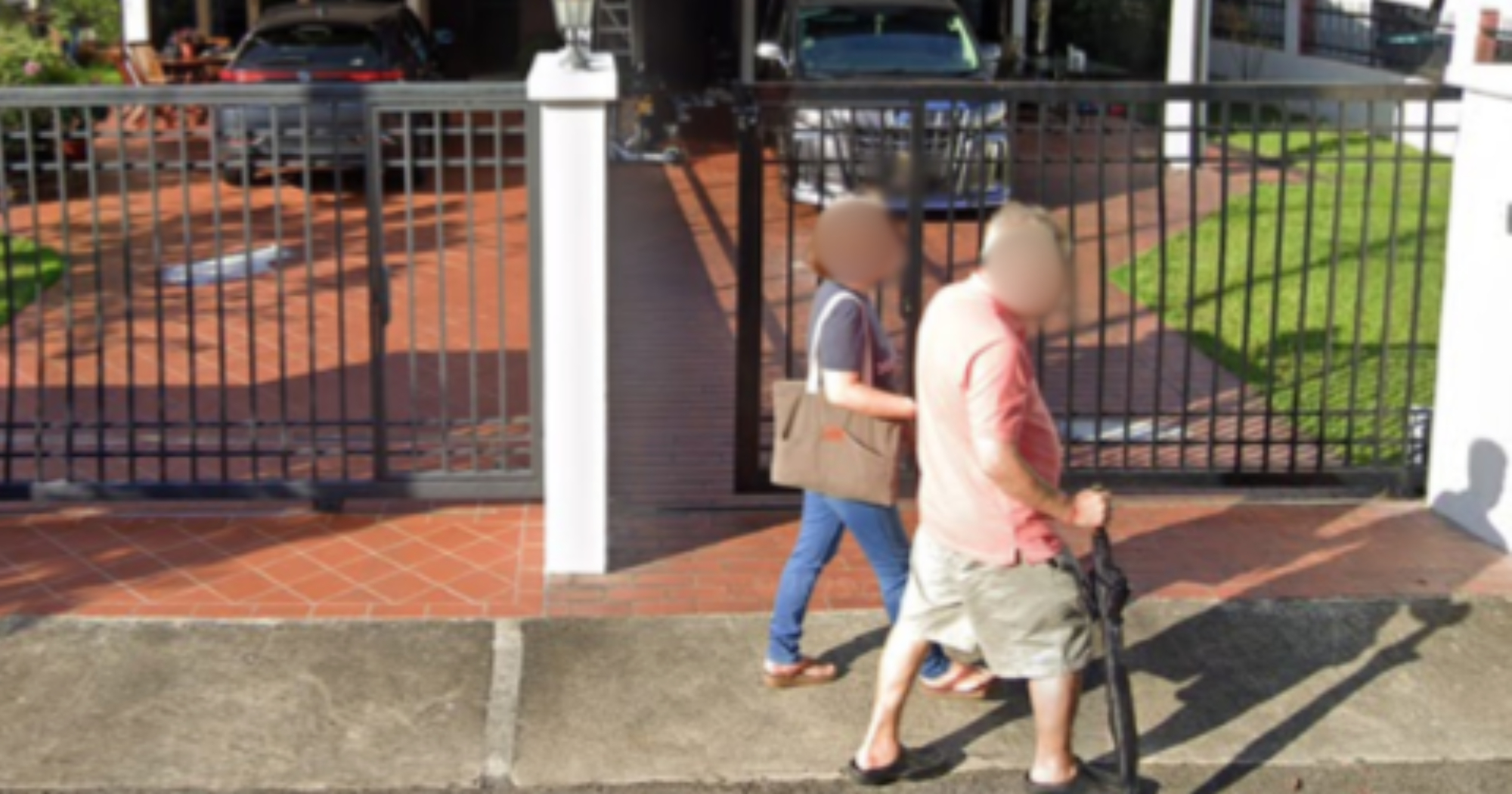
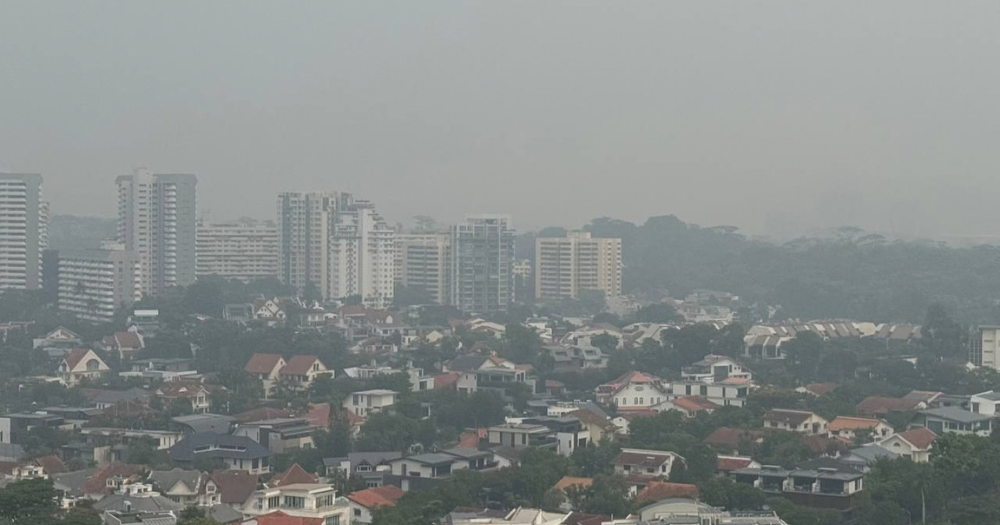
Photo from Google Maps


An American citizen in Singapore rented a semi-detached house in Kembangan where he stayed with his family, and paid only one month's rent.
After that, Anthony Thomas Price refused to pay the landlord, citing alleged defects in the property, according to a judgement dated Oct. 5, 2026.
When the owners, an elderly couple in their 80s, tried to take their house back through peaceable re-entry, the American and his family resisted it.
They subsequently took legal action to block the owners' attempt to take back the house.
The application was dismissed, with District Judge Chiah Kok Khun arguing that Price "devised a deliberate scheme" to rent the house for him and his family with no intention to pay rental.
Price had used a Singapore-incorporated private company, Noranth Ventures, to enter into the tenancy agreement.
He and his family are the company directors, and it has a paid-up capital of only S$200.
He used this company to file the court application.
The court ultimately found that Price had a history of using shell companies to rent landed properties in Singapore for his family to stay and not paying rent.
His applications were filed "in plain abuse of process of the court", Chiah said.
Breaching the tenancy agreement
The tenancy agreement for the Kembangan house was signed in April 2026, for a two-year term from May 1, 2026, to Apr. 30, 2028.
The monthly rent was S$7,500, to be paid on the first day of each month.
According to the judgement, Price and his family paid the rent only for May 2026, and has not paid any more to date, but have continued to occupy the house.
The landlords argued that besides not paying the monthly rent, they also committed multiple breaches of the tenancy agreement.
They were supposed to pay a security deposit of S$15,000.
After paying half at the time of signing the agreement, they did not pay the remaining half that was due on Jun. 1.
Under the agreement, Price and his family were also obliged to set up their own utilities account to pay all utility charges from the start of their tenancy, but they only did so on Jun. 4.
This resulted in the owners being charged S$813.74 for utilities during this period, which Price and his family refused to reimburse.
Furthermore, Price and his family installed CCTV cameras in the property premises without the owners' permission, going against the agreed terms to not make any alterations without their written consent.
Alleging defects in the house
Price tried to justify his refusal to pay rent on account of alleged defects in the property, Chiah said.
The judgement quoted WhatsApp messages from Price to the estate agent in June, before the owners attempted peaceable re-entry.
He disputed that the owners were entitled to take back the property based on his failure to pay rent due to supposed "unresolved repair, safety, tenantability, and quiet enjoyment issues".
He also highlighted "approximately 35 repair, rectification or practical occupation issues".
"These are worthless words and a roundabout way to say that Price and the claimant have no intention of paying any rent," Chiah said.
The judge argued that Price's allegations of such issues are untrue.
The owners have even been accommodating and had taken reasonable steps to resolve the repair items raised by Price, despite rent not having been paid.
When the owners attempted to take over the house on Jun. 29, Price deliberately remained at the premises to ensure that re-entry could not take place.
This was stated by Price himself on affidavit, according to the owners.
Owners' counterclaim
Above all, Chiah said the disputed fact that Price refused to pay rent was sufficient to dismiss his application.
He found that the owners "have every right" to re-enter the premises, and he allowed their counterclaim for the repossession of the house, rent arrears, and double rent.
This included the rent for June to August, which was a total of S$22,500, along with the interest of S$269.17.
On top of that, Price and his family were ordered to pay double rent of S$15,000 a month calculated from Aug. 15 until they hand over the possession of the property.
The owners were also awarded reimbursement for the unpaid utilities fees and security deposit balance, and S$6,999.14 as a proportionate refund for the agent's commission after the tenancy was prematurely terminated.
Scheme of using shell companies
Prior to this case, there had been two court proceedings involving Price's use of shell companies to live in landed properties rent-free.
He previously used Bundleluxe, a wholly owned subsidiary of Noranth Ventures, to enter into a one-year tenancy agreement with the owner of another landed property at Burnfoot Terrace in 2024.
Bundleluxe was a shell company that had already accumulated about S$1.34 million in total losses by the time this agreement was signed.
Before that, in 2019, Price used Noranth Ventures to sign a tenancy agreement with the owner of a landed property at Jalan Selamat.
Both cases turned out similarly as in the Kembangan property case.
Price paid only a portion of the security deposit, paid rent for a few months, then stopped paying rent altogether.
He and his family ended up staying rent-free at the Burnfoot property for close to 12 months, and at the Jalan Selamat one for at least five months.
The owners of both these properties took legal action against Price.
While the Jalan Selamat case was eventually settled and discontinued, the proceedings for the Burnfoot case are still ongoing today.
Under Price's scheme, the rental arrears would likely go unpaid given that the tenants on record are Price’s shell companies with minimal paid-up share capital, the owners of the Kembangan and Burnfoot properties told the court.
In dismissing Price's application, Chiah also pointed out that the pattern of using shell companies to rent residential premises is "a matter of some concern for landlords in Singapore".
He ordered Price to pay the owners legal costs of S$15,000, plus disbursements of S$2,031.98.