




Images from LECinema16, HUSKEDKNIFE/X


Pretty boys, photo cards, and parasocial relationships. Welcome to the new Formula 1 (F1).
If you scroll through social media content about F1, you’d notice that the cars and the race now make up just a fraction of what you see.
Instead, you'll find fan edits from interviews, meme pages, and entire fan accounts dedicated to individual drivers.
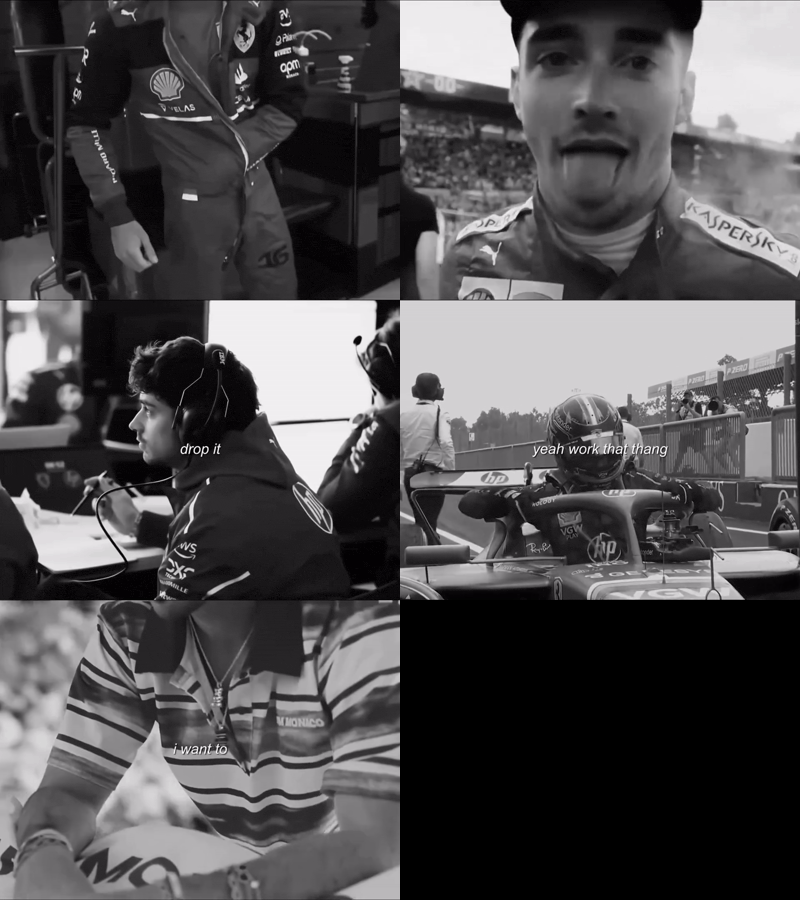 Gif via enumayi/Instagram
I've been following F1 for years. But these days, my social media feed looks more like the feed of a K-pop fan.
How did this happen?
The K-popification of F1
Rather than just the cars or the brands, fans are increasingly taking an interest in the drivers themselves.
Asked about why they followed F1, legacy fans — which F1 defined as older, male, and who'd been following the sport for at least six years — said they'd followed the sport since childhood, enjoyed the thrill of the races, or appreciated the technology.
But a new reason has emerged among newer and younger F1 fans: being a fan of the drivers.
Max or Lewis, rather than McLaren or Lamborghini.
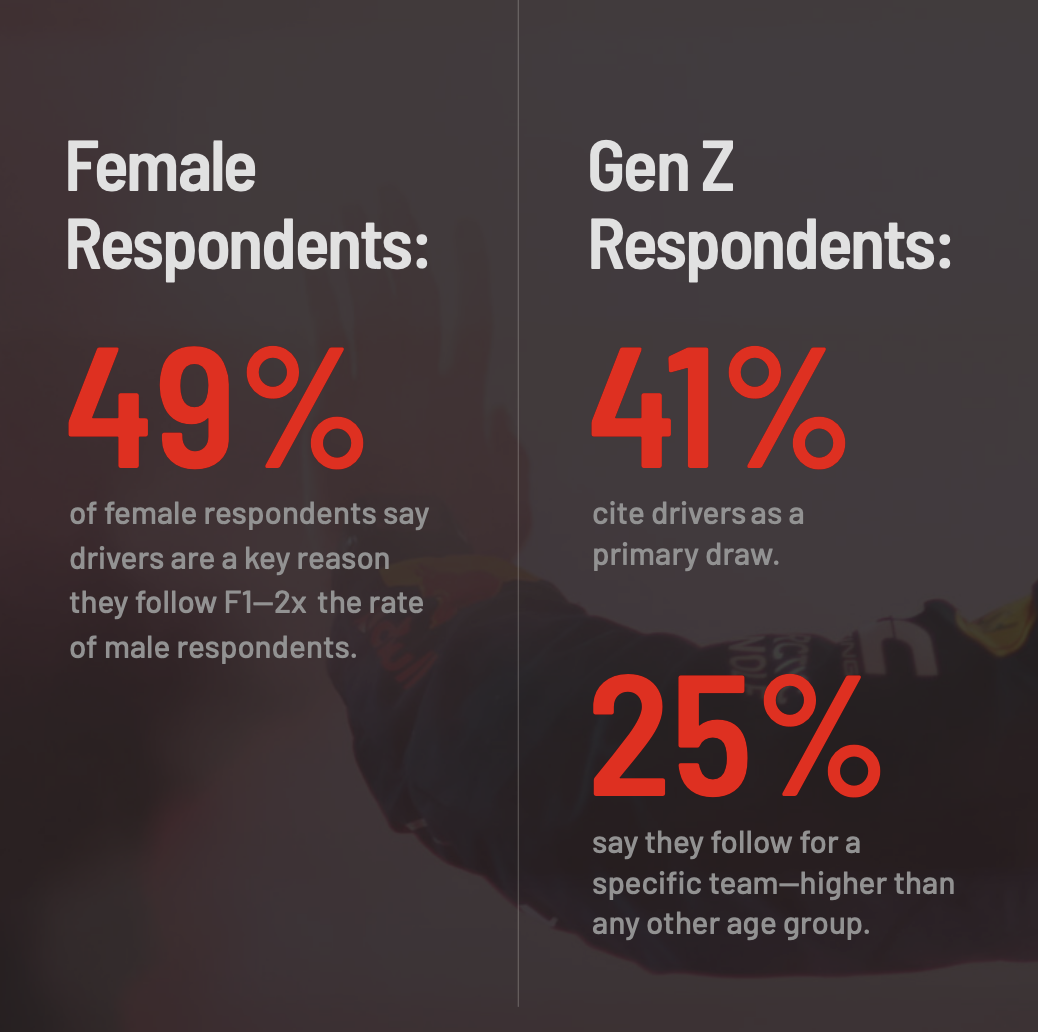 Image via Motorsport's website
But how did the people end up being the main characters of a traditionally car-led sport?
We can perhaps date it back to the 2019 Netflix documentary series, "Drive to Survive".
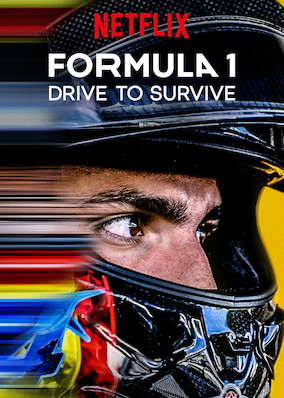 Image via IMDB's website
The series gave viewers something F1 had historically struggled to provide: access to the humans underneath the helmets.
Instead of focusing solely on what happened on the track, the show brought viewers into the drivers' lives, capturing them at their best and worst.
Viewers were taken into tense contract talks, midfield rivalries, and the pressures facing team principals – all building towards each race weekend.
For Executive Producer James Gay-Rees, this human element became a key part of the series’ appeal, he told F1.
New audiences could find themselves rooting for (or against) based not just on their performance, but on who they were and the stories unfolding around them.
Suddenly, you didn’t really need to understand the specifics, such as tyre degradation, DRS, or undercuts to get into the sport.
You just needed to understand the people.
As interest grew, teams realised that drivers were no longer just athletes: they had become personalities. Content.
Hamilton’s presence at Fashion Week has become an extension of his public persona, just as recognisable as his presence on the F1 grid.
Or whenever Redbulls’ Max Verstappen wins, we will somehow think of the fan-made song, "33 Max Verstappen".
Drawing the parallels
By now, you might have noticed the similarities.
In K-pop, idols — as they're known, rather than singers or actors — have long since outgrown the label of mere performer.
An idol can be a Dior ambassador, sit front row at Paris Fashion Week, or become a HYROX influencer.
Like their F1-driver counterparts.
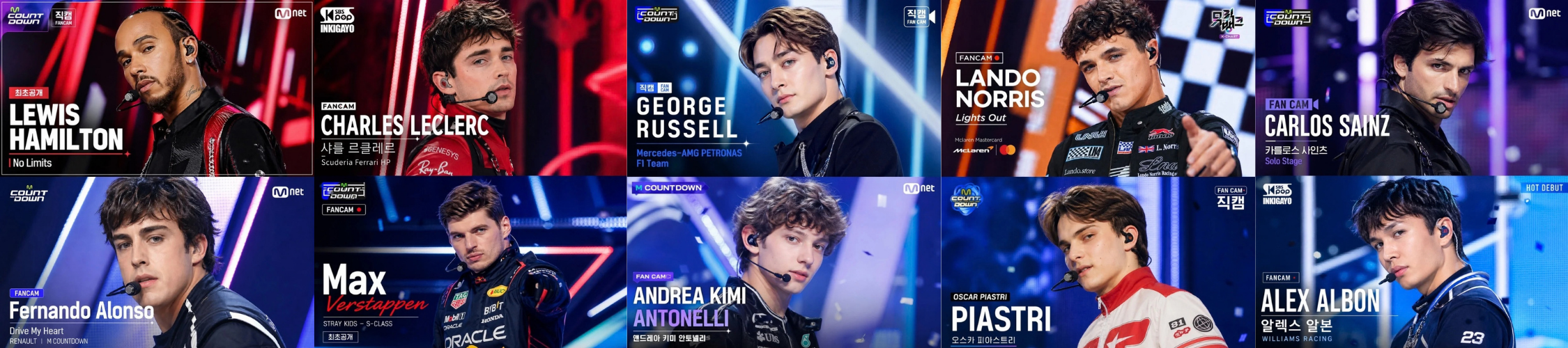 Images via lastword4life/Xiaohongshu
In K-pop, viewers pick their favourites — the idols they root for and desperately want to see succeed. (This, in a music group, is called a "bias".)
It's a pattern we're increasingly seeing in F1.
In the F1 documentary, a viewer might watch young drivers desperately trying to prove themselves, and begin to feel an attachment.
You hope your favourite driver gets a seat, earns a contract, wins a race and, ultimately, becomes world champion.
These stakes have always existed. But now, they're at the forefront.
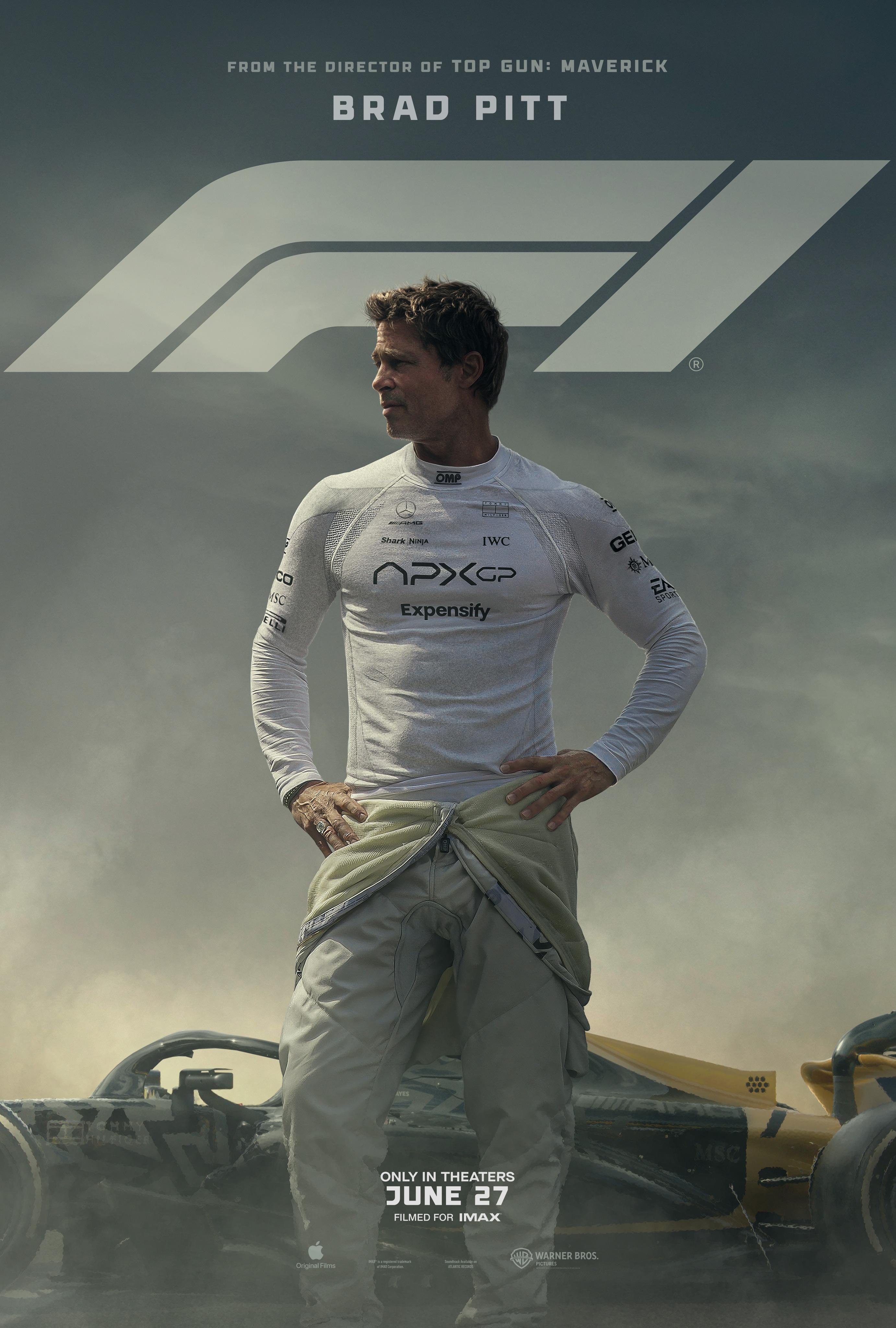 Image via IMDB's website
The rise of parasocial relationships
While the audience may start out being attracted by the characters, many eventually become invested in the racing as well.
According to F1’s survey findings, fans aren’t just watching — they’re investing, interacting, and engaging with the sport frequently.
Among those surveyed, 90 per cent said they were emotionally invested in race outcomes, while 61 per cent engaged with F1 content every day.
 Image via Motorsport's website
But this new level of engagement has also brought about another trend more associated with K-pop: parasocial relationships.
We get to know our F1 idols on a deeper level through interviews like "Grill the Grid" and Amelia Dimoldenberg’s "Passenger Princess".
On podcasts, we hear about the highs and lows of their racing journeys.
And through personal vlogs on their official channels, we’re even given glimpses into their daily routines or their lives away from the track.
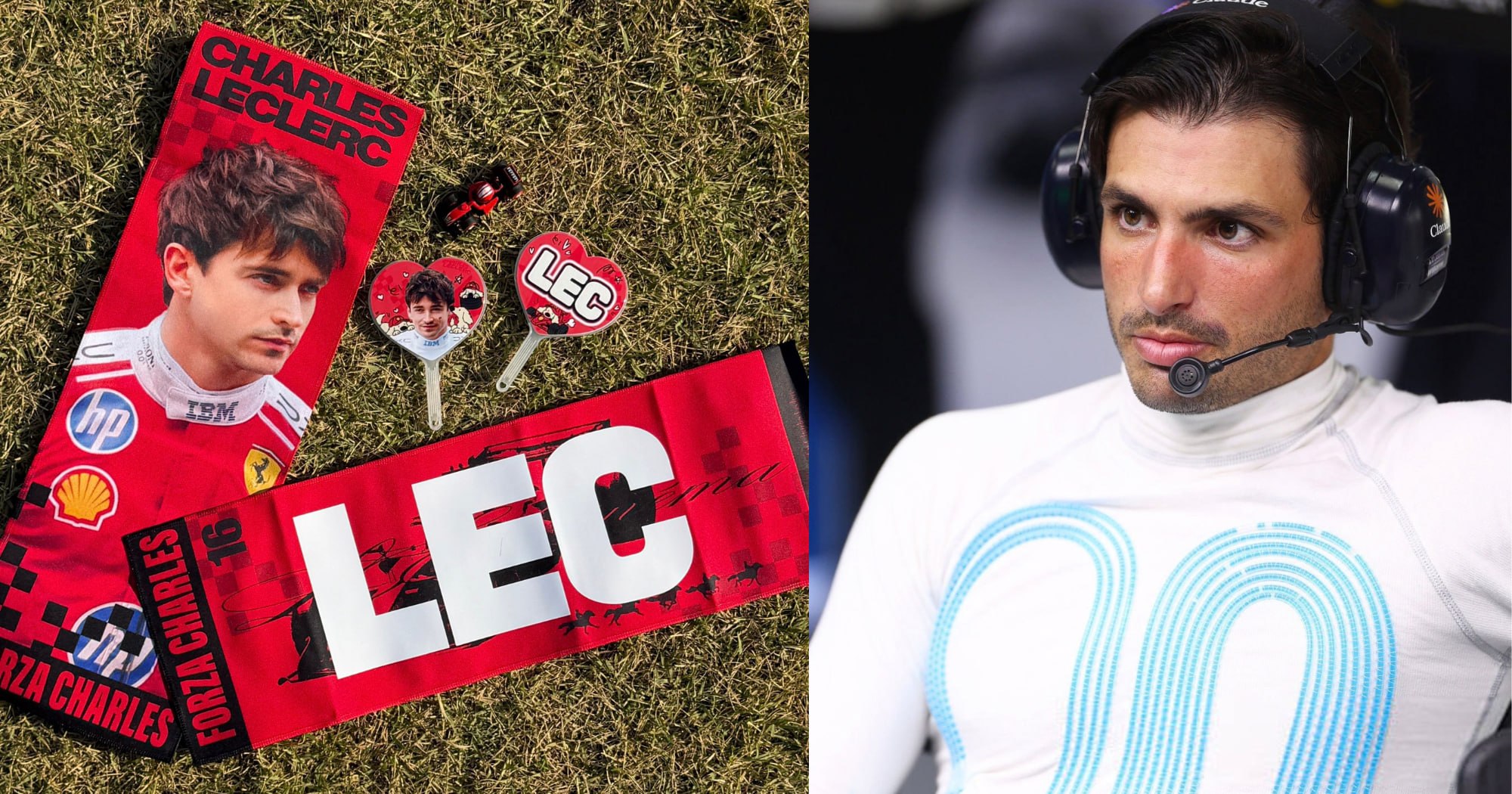
On their birthdays or race days, fans gather at cafés to celebrate with customised cup sleeves and photocards.
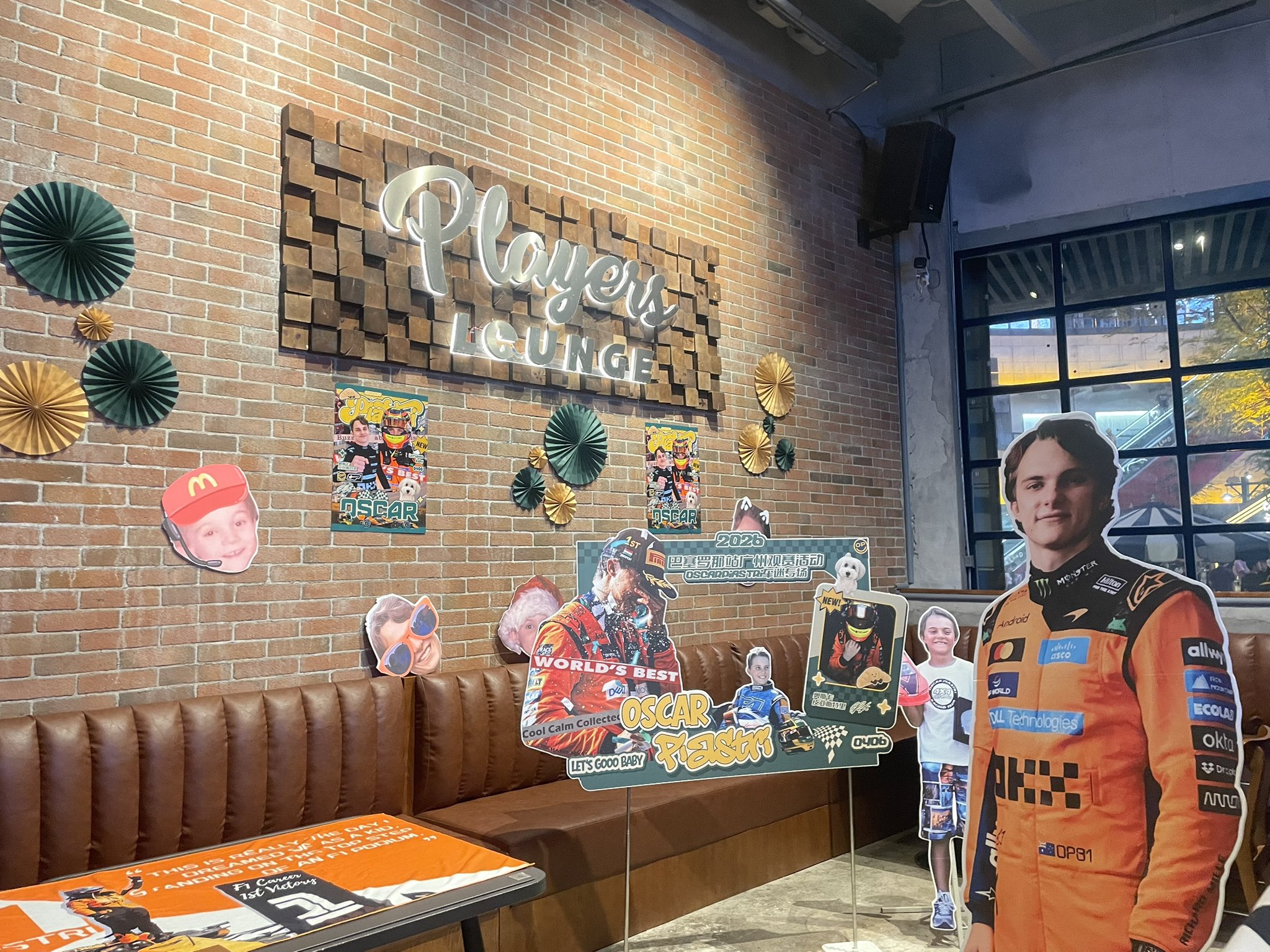 Image via OPCNfans/X
On social media, you can find fan edits of the drivers and their supposed "relationships".
A glance across the room during a press conference can be interpreted as romantically charged. Two drivers laughing together can spark thousands of comments on their chemistry.
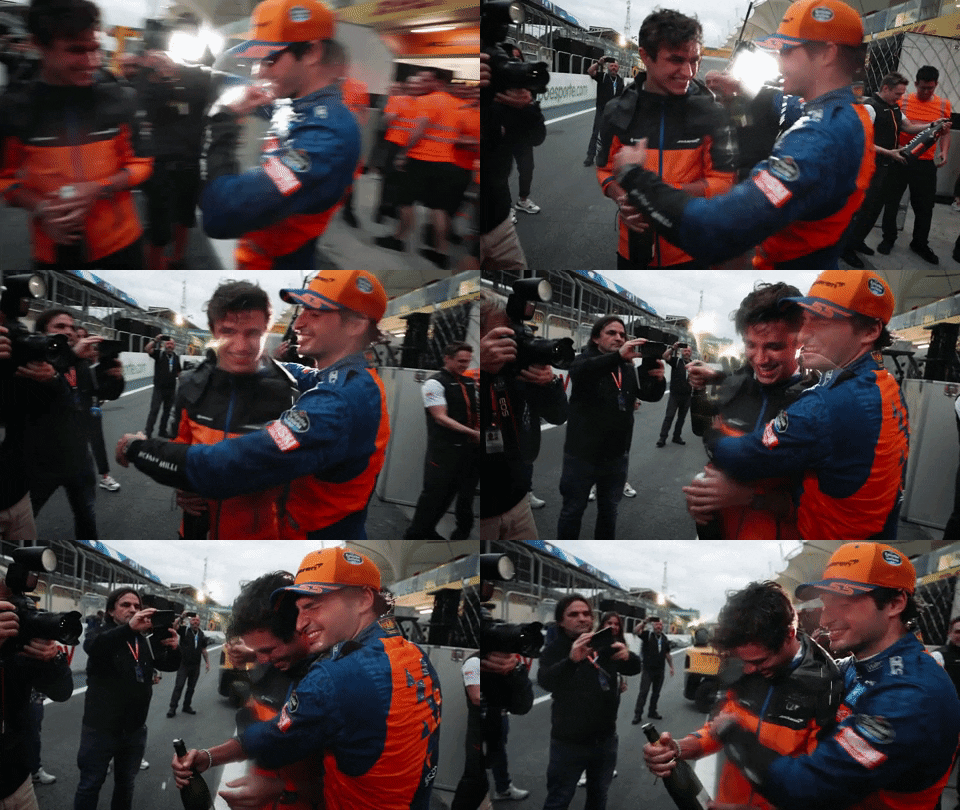 Gif via sugar9403/Wattpad
However, this parasocial behaviour has also manifested in dark ways.
In April 2023, Charles Leclerc asked fans to respect his privacy after his home address was leaked, with fans reportedly showing up at his Monaco apartment over several months, according to AP News.
“While I’m always happy to be there for you and truly appreciate your support, please respect my privacy and refrain from coming to my house,” he wrote on Instagram.
“Your support, both in person and on social media, means the world to me, but there is a boundary that should not be crossed.”
F1 & K-pop are literally colliding
In Singapore and at other race stops, K-pop idols have been appearing at Grands Prix as teams and brands court the same young, digitally native audiences.
This year alone, we’ve seen multiple K-pop idols become part of the F1 festivities in Singapore.
In August, BabyMonster was driven around Orchard by Mercedes reserve driver Fred Vesti.
And last month, the Atlassian Williams F1 Team announced that Twice’s Tzuyu would record the official theme song for its collaboration with anime series Dan Da Dan.
Fanbases are overlapping, more than ever, even across vastly different communities.
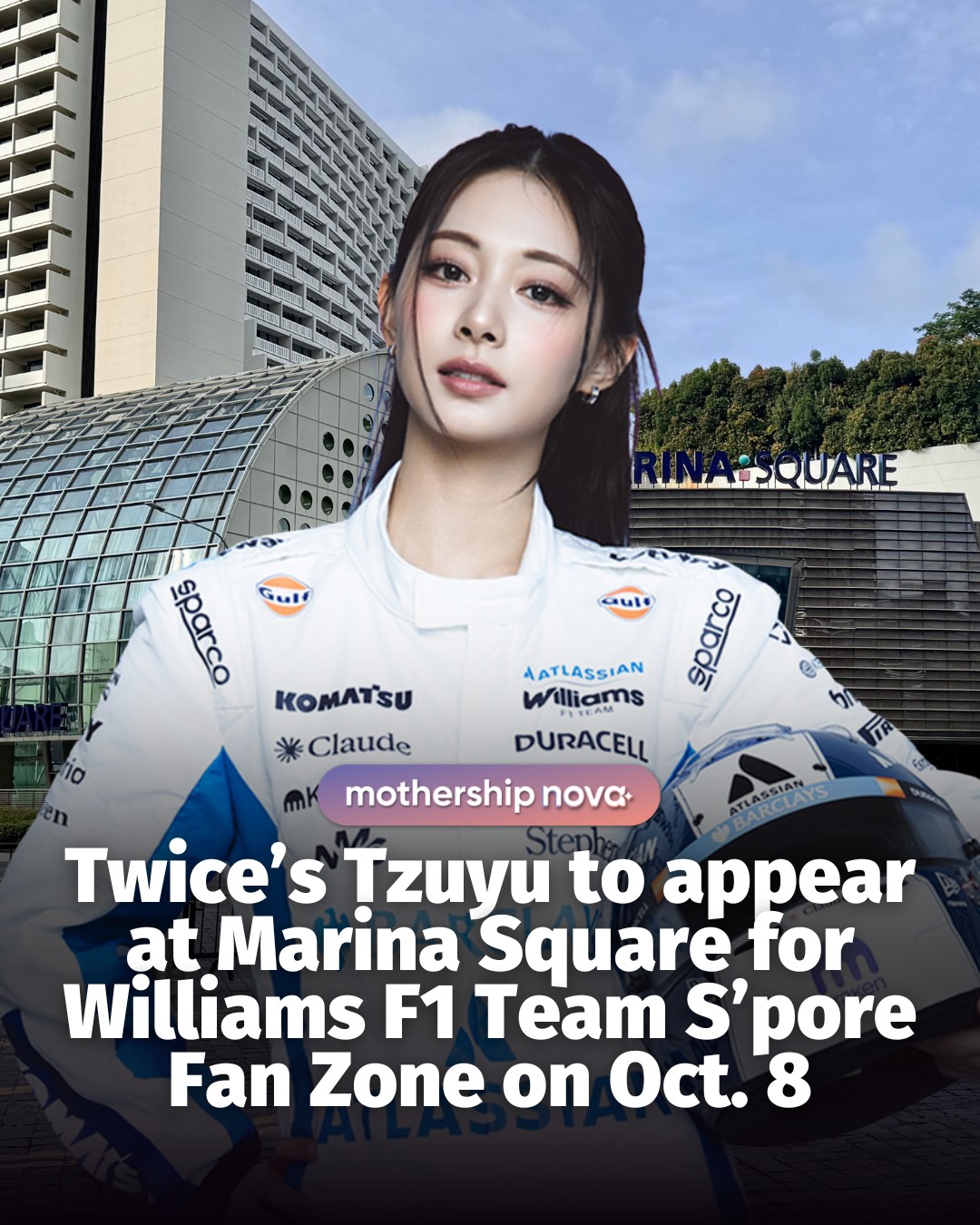
But zoom out a little.
While K-pop might be the best-known template, it is far from the first.
With the rise of social media, a whole generation grew up learning how to "stan" celebrities: musicians, actors, YouTubers, and fictional characters.
When they discovered sport, they simply brought those behaviours with them.
The allure of fan culture
Formula 1, with its big personalities, dramatic eliminations from the grid, and an entire travelling circus moving from country to country, happens to be almost perfectly designed for fandom culture.
But the same behaviours are increasingly visible across football, esports, and even the Olympics.
During the recent World Cup, for example, Norway's Erling Haaland became a living meme, complete with his own theme song.
And Olympians Eileen Gu and Alysa Liu both found themselves spokespeople for their respective countries, with people commenting on everything from their accents to their hair.
In an era of social media, the boundaries between different fandoms — whether in sports, games, anime, or music — are rapidly disappearing.
A footballer, an F1 driver and a K-pop idol might occupy completely different worlds.
But on the internet, they all become characters in the same, inescapable fan culture.