Parliament


Jasmin Lau shares lessons learnt from GovTech retrenchments
Lau added that as many officers as possible will be retrained and redeployed, " but we cannot avoid having to transition out some officers".
August 04, 2026, 04:08 PM

Image via MDDI/YouTube & GovTech


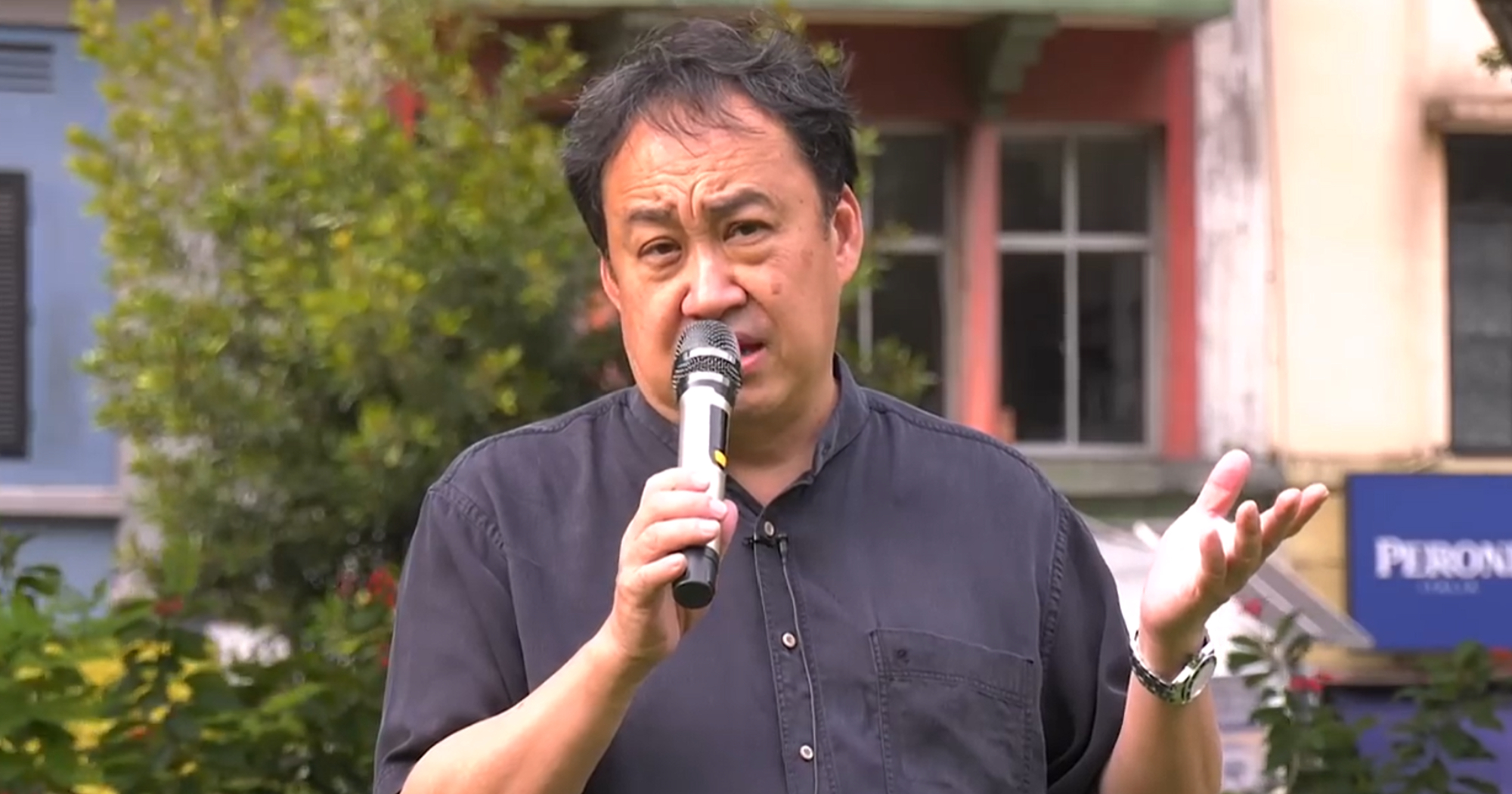
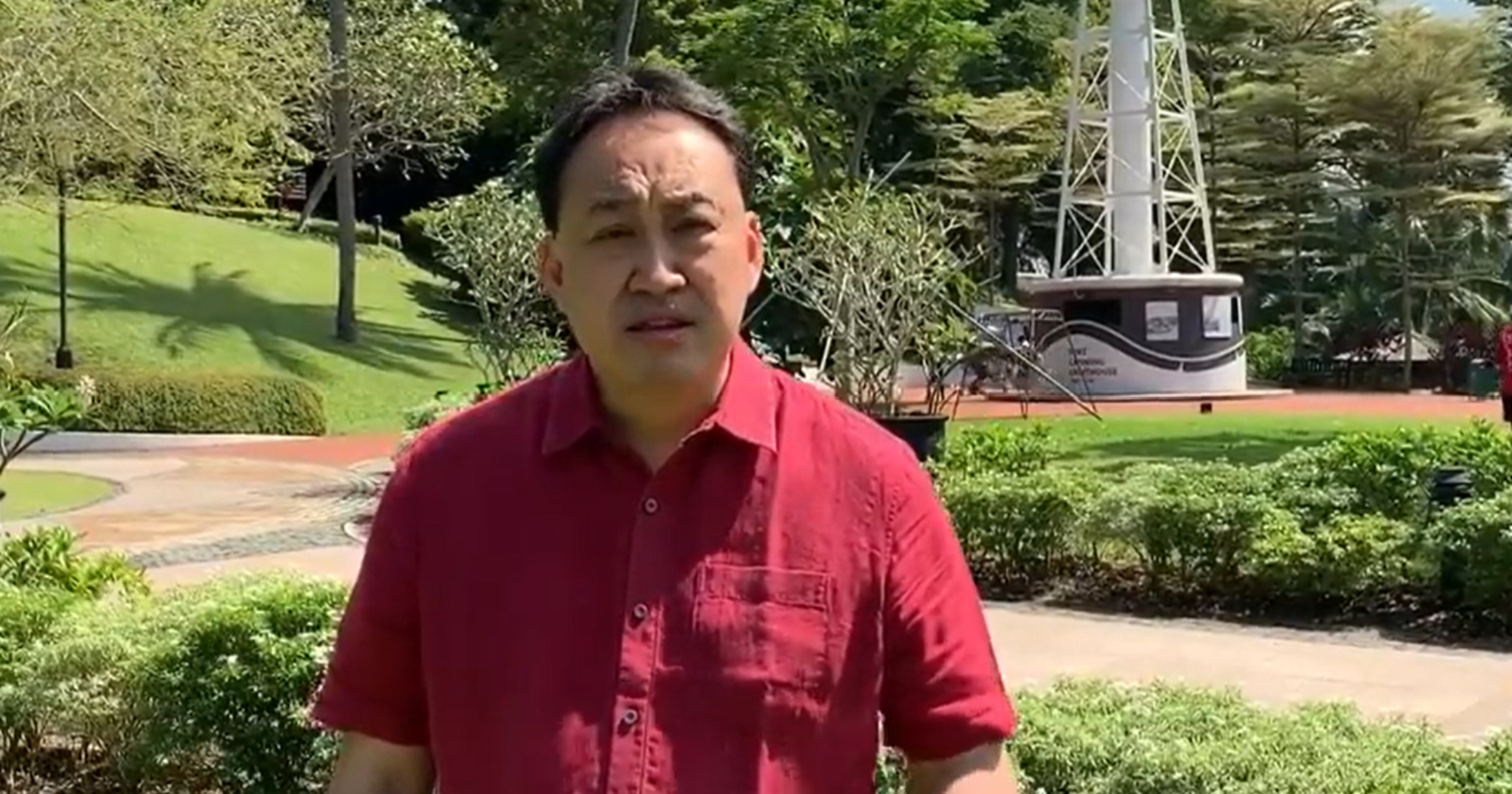
Acting Minister of Manpower and Senior Minister of State for the Ministry of Digital Development and Information, Jasmin Lau, shared more on Aug. 4 on GovTech's Workforce Transformation Plan, and how the government will support its officers through this change.
In July 2026, Government Technology Agency of Singapore (GovTech) announced that it would be retrenching 93 staff in a shift towards a new operating model to deliver “faster, more secure, and more responsive digital services” for all Singaporeans.
The retrenchments would be the first of three phases, and such a "significant restructuring" was only undertaken when needed and in response to "fundamental changes” in an agency’s operating environment or model.
A Public Service Division spokesperson at the time said that the top priority in restructuring exercises was to reskill and redeploy workers either elsewhere in the agency or the public service.
Expansion and retrenchment
Lau said that the retrenchments would be implemented progressively over two years to give officers time to adjust, and that GovTech would incorporate lessons learned from each phase.
The transformation was a necessary part of the changing nature of GovTech's work, from one-off projects to a "continuous product ownership model".
"GovTech's workforce will grow because of this shift, but its composition will also need to change."
As such, GovTech is hiring more software engineers, product managers, designers, data specialists, cybersecurity experts, and platform engineers. However, over time, it would need fewer officers doing traditional project and vendor management as it operates more projects in-house.
While GovTech anticipated these changes and attempted to reshape its workforce, this was " not enough to meet our needs", Lau said.
"Therefore, GovTech has also invested heavily in pilots and apprenticeships to retrain existing staff for new roles or to redeploy them. But there are limits to its pace and scale."
Lau added that as many officers as possible will be retrained and redeployed, " but we cannot avoid having to transition out some officers".
First phase details
Lau shared additional details about those affected in the first phase of the three-phase process.
In the first phase, 305 GovTech officers were affected, of which 102 had been retained or redeployed, 110 were being supported through structured job conversion and apprenticeship pathways, and 93 had been retrenched.
In deciding whether to retain, retrain, or retrench officers, GovTech assessed which were the necessary job roles, followed by individual officers based on their competencies, domain expertise, and job fit for the required roles.
She shared that of the 93 exiting officers, 42 per cent were between the ages of 40 and 49.
This age group also made up 42 per cent of the total 305 affected officers.
"This age group is therefore not overrepresented among the exiting officers," Lau noted.
There was also no significant difference in tenure between exiting officers and those on retraining pathways.
With regards to seniority, Lau said that of the affected officers, two-thirds were individual contributors, and a third of them were team leaders.
Transition plans
Affected officers were informed about transition plans as early as possible in order to help them evaluate possible redeployment opportunities.
Where there was a suitable pathway, retraining and redeployment was considered before external recruitment, Lau said.
Apprenticeship pathways provide a full-salary, structured training on-the-job learning in order to help officers develop capabilities required under GovTech's future operating model.
GovTech worked with the Public Service Division, the Skills and Workforce Development Agency, as well as NTUC's E2I, to facilitate job matching and referrals in both the public and private sectors for officers without a suitable role.
Over 300 job opportunities were identified for affected officers, and those interested in those options are currently in the application or interview stage, Lau revealed.
These officers also received financial and transition support, as well as career guidance and active job placement assistance.
GovTech will take the same approach in subsequent phases.
Outcomes
Lau said that the outcomes of the transformation would be assessed across three areas:
- Whether officers had been supported through meaningful transition pathways, such as retraining, conversion, and redeployment,
- Whether GovTech has strengthened the capabilities required for its future operating model, and
- Whether GovTech successfully delivers more security, which means ensuring reliable and secure digital services for government agencies and citizens.
Lessons learnt
In response to a supplementary question from labour MP Patrick Tay on what lessons have been taken away from this phase of the retrenchments, Lau replied:
"First, on how officers experience the transition itself, we have found that officers who have to spend an extended period on a pathway towards exit, even with the support in place, this creates prolonged uncertainty and anxiety both for them and also for the teams that they are in."
Moving forward, she said that GovTech aims to shorten this pathway where possible, so officers "reach clarity on their next steps more quickly, rather than remaining in a state of limbo for longer than necessary".
Lau continued that another lesson was on the messaging behind the retrenchments.
"Some of the messaging around this restructuring may have given the impression that GovTech intends to move all work in-house and not use vendors anymore. That is not the case," Lau said.
She explained that vendors continue to play a key role in complementing in-house teams, and this transformation involves GovTech taking greater ownership of their products and platforms instead.
"We will be clearer on this distinction in how we communicate future phases, so that our partners and the industry understand exactly what is and what is not changing."