



News


Schools & IHLs will continue stepping up efforts to tackle youth self-radicalisation: MOE
3 self-radicalised Singaporean youths were detained by ISD earlier this year.
July 27, 2026, 06:43 PM
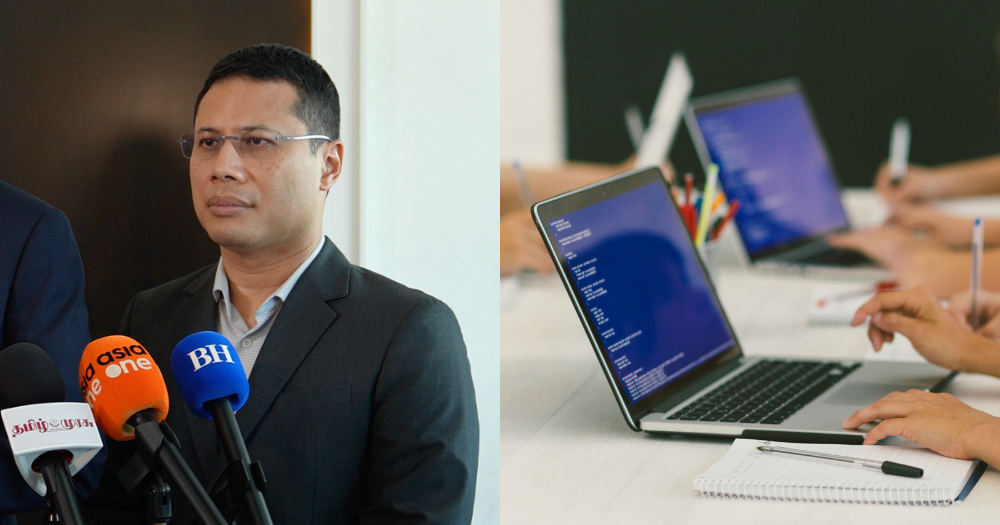
Photo from Mothership and Canva.


Schools and Institutes of Higher Learning (IHLs) will continue to step up efforts to stay vigilant and respond to the threat of youth self-radicalisation, said the Ministry of Education (MOE) on Jul. 27.
This comes after the Internal Security Department (ISD) announced that three self-radicalised Singaporean youths were issued Orders of Detention earlier this year.
The youths were aged 14, 15 and 19.
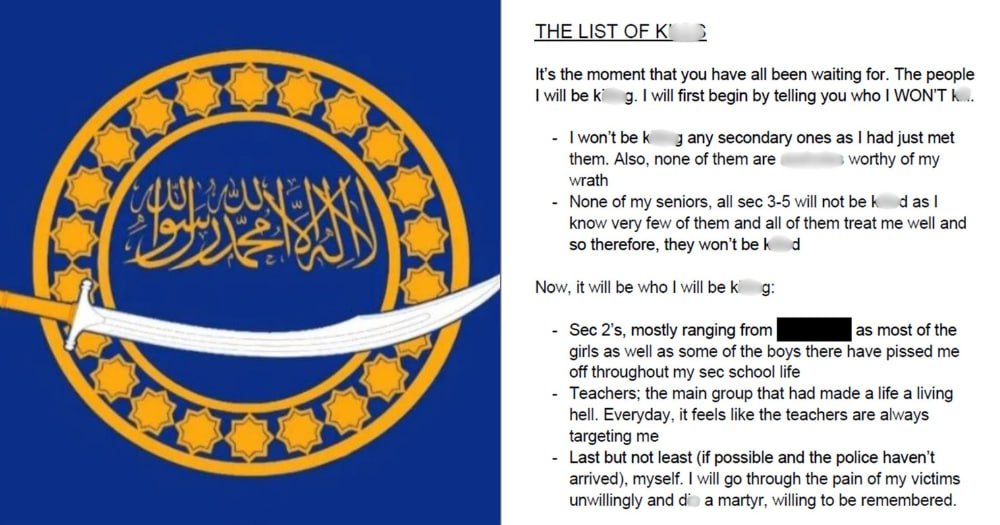
The 14-year-old was 12 when he was radicalised, making him the youngest person to be detained under the Internal Security Act (ISA).
Two of the detained youths planned violent attacks against their schoolmates.
MOE said it takes a serious view of youth self-radicalisation and has put in place a range of preventive and educational measures in schools and IHLs.
Preventive and educational efforts
Measures have been put in place to tackle youth self-radicalisation in schools and institutions.
In Social Studies and Secondary History, as well as Character and Citizenship Education (CCE) lessons, students are taught about the dangers of extremist ideas, prejudice and stereotypes.
Through teacher-facilitated inquiry and discussions, students explore the roles that individuals and groups can play in strengthening understanding and interactions across racial and religious groups, as well as how they can contribute to promoting harmony.
Students are also taught to be safe, respectful and responsible users of cyberspace, and to be positive influences online through Cyber Wellness lessons in CCE.
Through these lessons, students learn to recognise online risks, identify negative influences and discern inappropriate websites and content.
They are also taught to look out for one another and are encouraged to seek help from trusted adults, such as parents, teachers and school counsellors.
Trained to identify those at risk of self-radicalisation
Separately, schools and teachers are trained to identify students who may be at risk of online self-radicalisation.
School counsellors work closely with teachers and other school personnel to identify students who may require support, allowing for timely intervention when concerns arise.
School leaders and teachers are also guided on how to handle such cases promptly, before they escalate to more serious levels.
MOE has also worked with ISD since 2007 to conduct counter-terrorism and counter-radicalisation workshops and activities for student leaders, educators and other school staff across education institutes in Singapore.
These efforts help participants gain a better understanding of the threat of terrorism, recognise tell-tale signs of radicalisation, as well as understand the importance of early reporting.
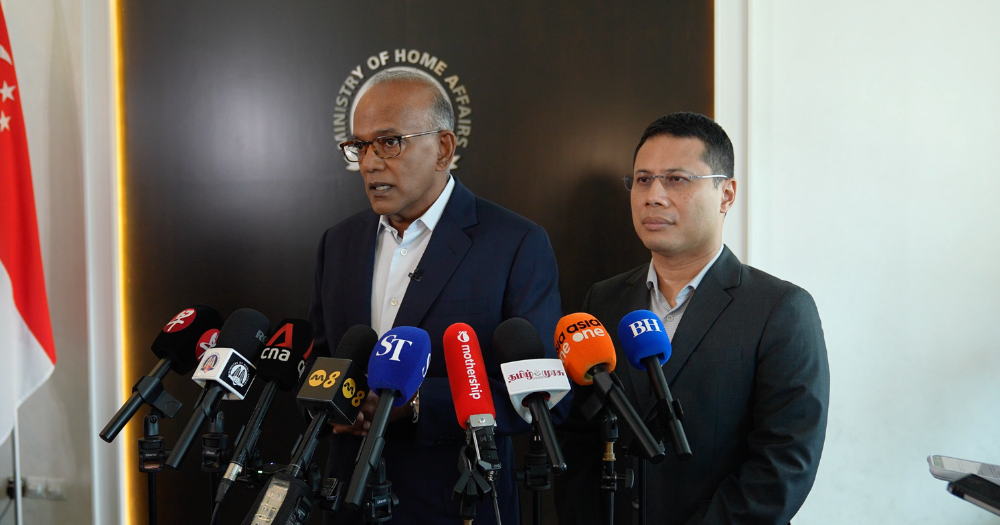
Speaking to the media on Jul. 27, Education Minister Desmond Lee noted that one of the three cases was reported by someone in a school who had picked up signs of radicalisation and alerted the authorities.
"We are encouraged by this, as it shows that counter-radicalisation efforts are bearing fruit on the ground, and we will work with MHA to do more on this front," he said.
Restricting access on Personal Learning Devices
MOE has also installed a Device Management Application (DMA) on the Personal Learning Devices (PLDs) issued to secondary school students.
This application filters objectionable online material or content that may not be conducive to teaching and learning, including websites containing extremist content.
Schools also have website filtering systems to restrict access to inappropriate websites and content through school wireless networks.
MOE said these measures are continuously reviewed and updated to keep pace with the evolving online landscape.
Drills and exercises
MOE has also worked with schools and IHLs to conduct workshops, scenario-based discussions, drills and exercises on potential threats from within and outside educational institutions.
These sessions cover immediate response, recognising warning signs, incident reporting and escalation procedures, with the aim of strengthening emergency preparedness in schools.
The ministry said it will continue to enhance its emergency response to any new evolving threats.
It will also continue to work closely with ISD, community partners and parents to protect students and educational institutions from the threat of youth radicalisation.
Directions issued against online entities
Separately, the Ministry of Home Affairs (MHA) said the Singapore Police Force (SPF) has issued Disabling Directions (DD) against one online service provider and two Access Blocking Directions (ABD) to Internet Service Providers over terrorism-related content accessible to people in Singapore.
The DD requires the relevant online service provider to take all reasonable steps to disable Singaporean users' access to the relevant online videos.
On the other hand, the ABD requires Internet Service Providers to block access by people in Singapore to the relevant offending websites.
The offending videos and websites contain terrorism-related content that honours and glorifies extremists, and calls on supporters to join their cause.
Following investigations, a direct nexus was found between the content and past self-radicalisation cases in Singapore, where youths became radicalised after consuming material on those sites or obtained information from them to plan attacks.
MHA said the government takes a serious view of such online content that incites violence or promotes terrorism.
It added that it is working with the Ministry of Digital Development and Information (MDDI) and MOE to safeguard Singaporeans, particularly children, from harmful online content.
MHA also stressed that tackling harmful online content requires a whole-of-society effort.
It urged members of the public, particularly parents and educators, to remain vigilant about youths' exposure to harmful content online, and to make a report should they encounter content that glorifies or incites violence.
It also encouraged open conversations with young people about the dangers of online radicalisation.