Court


S'pore man, 70, loses share for 20 years of rent for Yishun Coffeeshop owned by late mum
The brother had previously sued his sisters in 2022 to claim half of the rent, which he claimed amounted to about S$7 million.
May 07, 2026, 02:21 PM
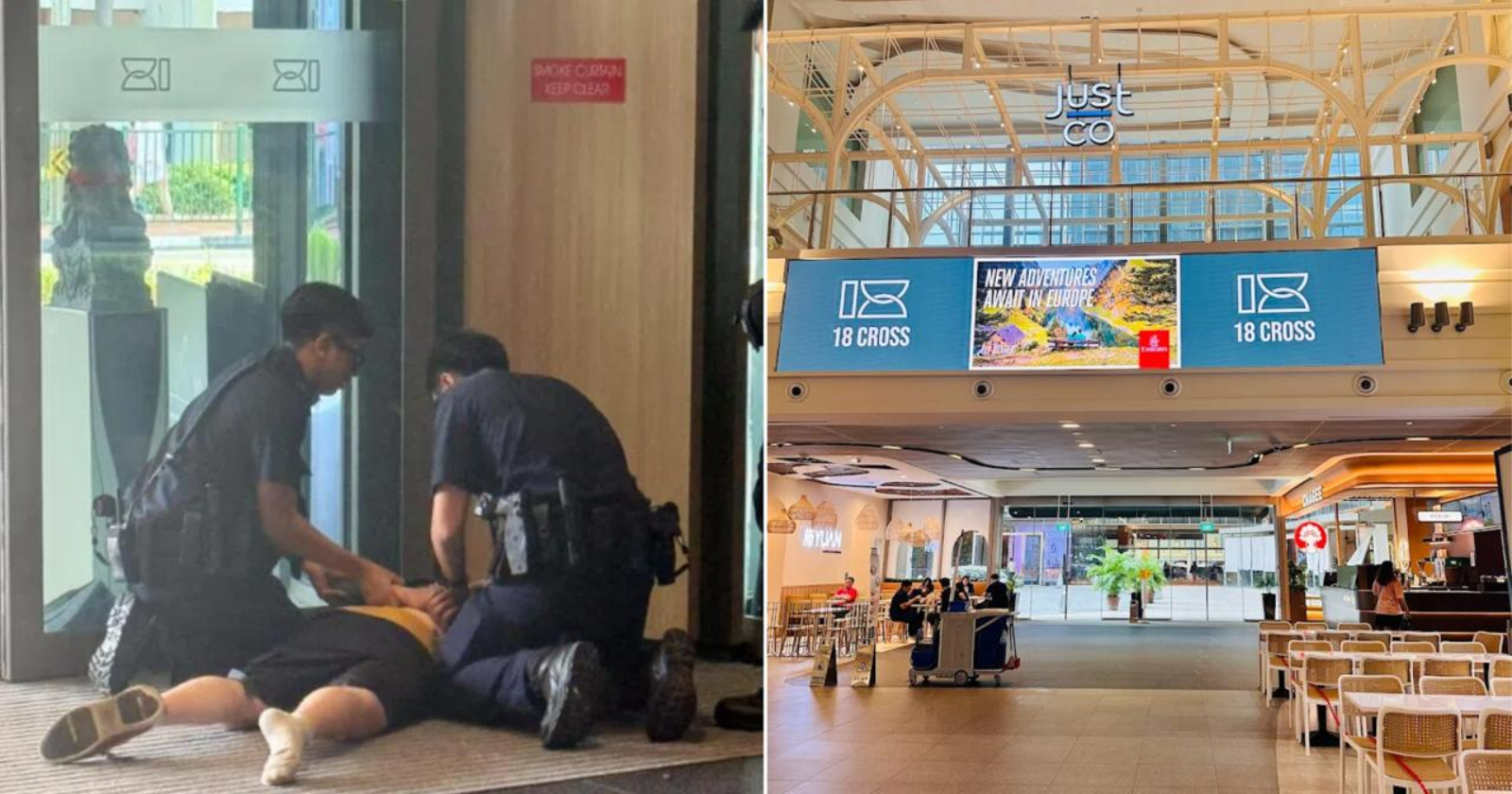
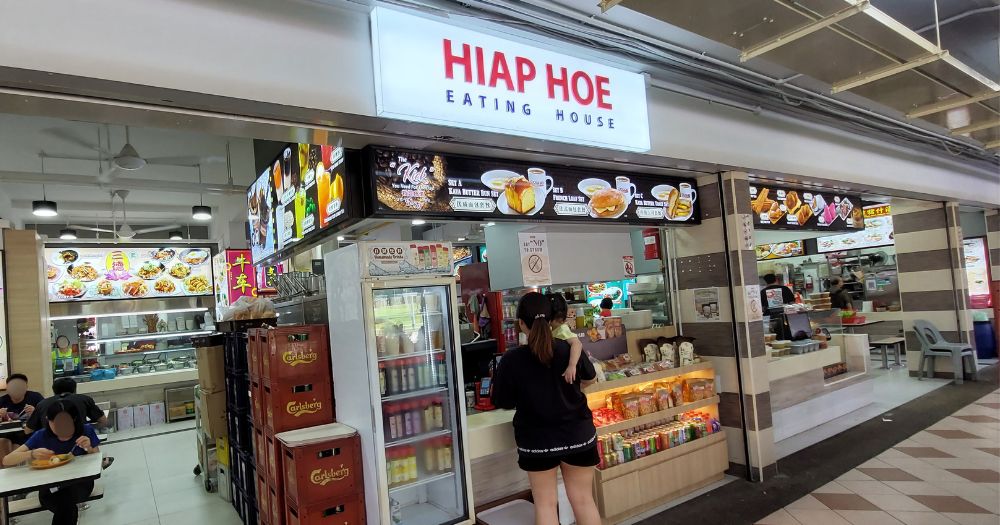
Top photo from Yi Ling/Google Maps


A man lost his share of over two decades of rent collected by his mother after his sisters won an appeal against an earlier court decision made in 2025.
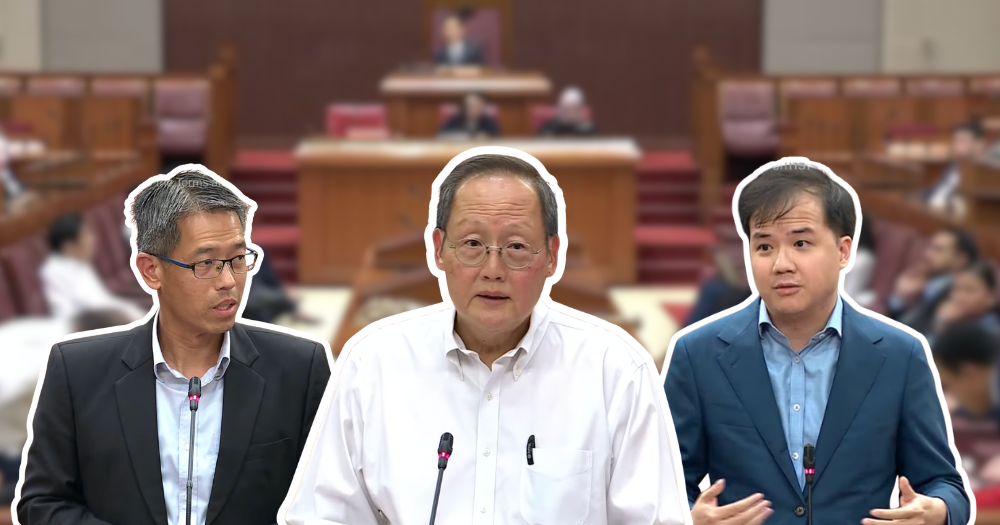
On May 5, 2026, the Appellate Division of the High Court overturned the lower court's decision in a 2-1 ruling; the majority consisted of Justice Woo Bih Li and Justice Debbie Ong, while Justice Kannan Ramesh disagreed.
According to court documents seen by Mothership, Tia Oon Lai, 70, and his late mother, Su Ye Chu, were the registered proprietors of a 30-year lease starting in 1998 on 747 Yishun Street 72, which housed a coffeeshop.
The eldest sister, Sally, 75, and the youngest sister, Poh Kim, 63, assisted their mother with her finances since July 2015 and shared the joint account into which the coffeeshop's rental was deposited.
The dispute centred around the beneficial ownership of the lease and the previous rental.
Oon Lai sued his late mother's estate and two sisters in 2022 to claim 50 per cent of the rent, which he claimed amounted to about S$7 million paid by food court operator Koufu, from October 1998 to June 2018.
Yishun coffeeshop
The origins of the coffeeshop, Hiap Hoe Eating House, could be traced to the siblings' father, who obtained a series of fixed-term tenancies from the Housing Development Board (HDB).
In May 1997, their father suffered a stroke and withdrew from the coffeeshop, resulting in Su and Oon Lai being registered as its proprietors with effect from May 16, 1997.
In 1998, HDB approved their 30-year lease term and entered into an agreement with Su and Oon Lai to grant them the lease with effect from Aug. 1, 1998.
The total purchase price, including tax and other charges, was $1,434,154.80, and it was financed through two loans in the joint names of Su and Oon Lai.
From October 1998 to September 2023, the coffeeshop was rented out to various parties, including Koufu.
Court documents said it was undisputed that the rental from October 1998 to June 2018 was paid directly to Su, and Oon Lai's claim to this is the main subject of the appeal.
Allegations in 2022
Su had eight children in total and passed away in October 2021.
Oon Lai's case was that their father had given him and his mother equal shares, and therefore he claimed to own 50 per cent of the lease and thereby 50 per cent of the previous rental, saying that his mother held his share under a resulting trust for his benefit.
Oon Lai also alleged that by gaining control over their mother's finances, Sally and Poh Kim became trustees of his share of the previous rental and owed him fiduciary duties, where they had to act in his best interests as he was the beneficiary.
Oon Lai also alleged that Sally and Poh Kim committed a breach of trust through their unauthorised dissipation of his share of the previous rental.
The estate's case was that Oon Lai held 50 per cent of the lease's share on trust for Su, as their mother fully paid for the lease, and hence Oon Lai was not beneficially entitled to the share of the previous rental.
Mother's wills and letter
According to court documents, in a July 2015 will, Su purported to give her share of the coffeeshop, proceeds of sale and net rents and profits until sale to her five daughters in equal shares.
In previous wills, Su similarly described her interest in the lease as a half share.
In Su's final will, executed in October 2019, she made no mention of the coffeeshop or lease and simply stated that her residuary estate be left to her five daughters.
Su also executed a letter in 2015, which said: "I added one of my son’s name, Tia Oon Lai, in the title of the shophouse and we together hold it as tenants in common in equal share."
The letter also stated that all the rental income from the shophouse belongs to her and that her other son, Oon Huat, who is a joint holder in her savings account, has no claim on the rental income.
In June 2025, the High Court rejected Oon Lai's claim for 50 per cent but found that he was entitled to a 37.65 per cent share.
Beneficial owner
The two judges said that the evidence supported the inference that Su and Oon Lai had mutually intended at the time the lease was acquired, for Su to be the sole beneficial owner of the lease.
A beneficial owner is a person who enjoys the benefits of ownership of an asset, if it is held on their behalf or if another person is the registered owner.
The judgment delivered by Justice Woo noted the evidence showed that Su had a consistent and significant role in coffeeshop affairs while Oon Lai's "involvement was minimal and sporadic at best".
"In any event, the picture that emerges is that TOL was content to leave the Coffeeshop affairs to the Mother and to play no role in it."
The judgment also said: "There is no objective record, by way of letters, notes or messages, showing TOL asking the Mother about his purported share of the Coffeeshop rental or the Mother assuring TOL that she was safeguarding it for him."
Rent splitting
The two judges also added that Su said all rental income from the coffee shop belonged to her in the 2015 letter, which Oon Lai did not question, even though he was present at the meeting where the letter was read out and signed.
According to court documents, in August 2018, Su and Oon Lai entered an agreement with Koufu to split the rent into two equal shares, to be paid separately.
Since then, the rent was paid separately to Oon Lai and Su, and after her death, to her estate.
The two judges said that Oon Lai only filed his lawsuit after his mother's death.
"This placed the Estate and Sally at a significant disadvantage as the Mother was no longer available as a witness to give evidence to support the Appellants’ claim of a common intention or to challenge TOL’s evidence on the matter".
The judges also noted that Su paid income tax on the full amount of the previous rental and used her own funds for cash payments.
Other judge's view
However, Justice Ramesh said the evidence leaned towards the beneficial ownership of the lease being held in equal shares as tenants-in-common.
Where each co-owner has a separate share, which may or may not be equal and upon death, the surviving tenant will be entitled only to his or her percentage share of the property.
Justice Ramesh also said that the 2015 letter had limited weight as the circumstances of its execution were unclear.
"The Mother’s 2015 Letter did not assert that TOL’s halfshare was the Mother’s. In fact, it acknowledged that TOL had a half share in the Lease as tenants-in-common with the Mother."
Justice Ramesh also noted that the estate had failed to prove the existence of a common intention that Su was the sole beneficial owner in light of the rental splitting from 2018 onwards.