News


StanChart CEO says sorry for ‘lower-value human capital’ phrase when speaking about AI-driven retrenchment
“For that I am sorry.”
May 22, 2026, 06:56 PM
Photos from Bill Winters/ LinkedIn & Google Photos


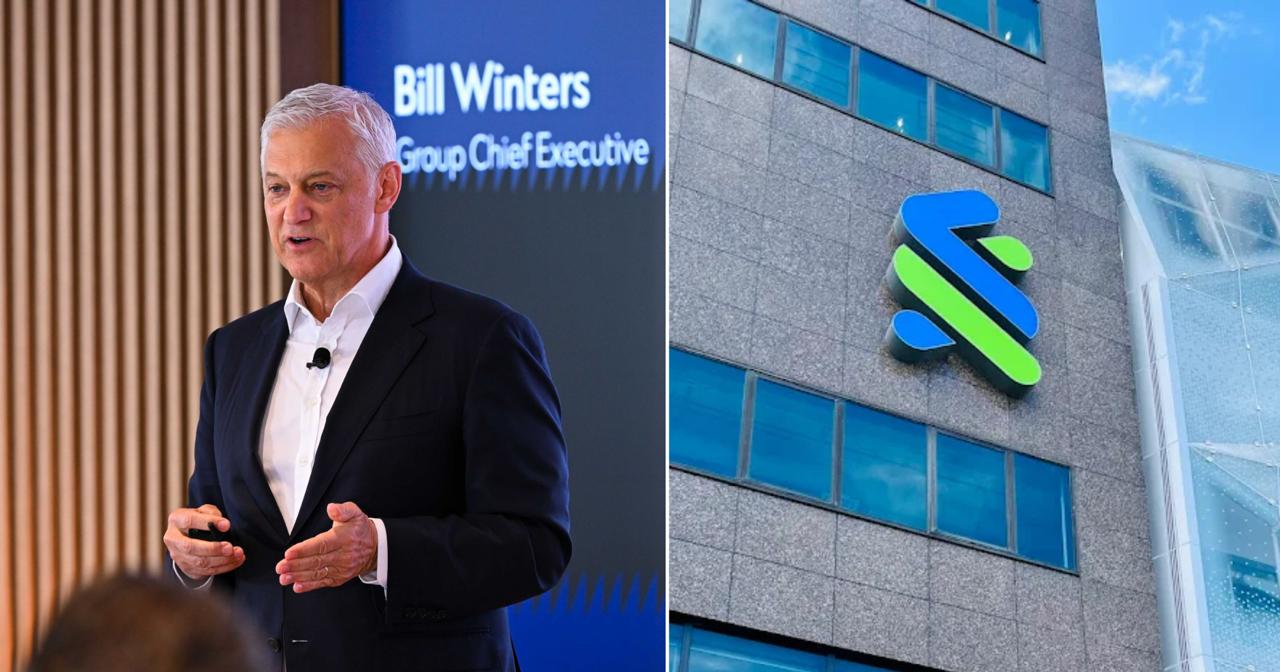
Standard Chartered (StanChart) chief executive officer, Bill Winters, apologised for using the phrase “lower-value human capital” when discussing job cuts as part of the bank’s AI-driven restructuring plans.
He made his apology on LinkedIn on May 22.
The phrase was used during an investor conference in Hong Kong on May 19.
"It's replacing, in some cases, lower-value human capital with the financial capital and investment capital we’re putting in," he had said.
Apology
In his apology post on LinkedIn, the 64-year-old, who joined StanChart in 2015, said he recognised that his “choice of words” had “caused upset to some colleagues”.
He added: “For that I am sorry.”
Winters also included a “verbatim transcript” of what he said during the investor conference.
“I think the transcript makes it clear that I value our colleagues – all of them – most highly and that we are totally committed to helping them to cope with the accelerating pace of change in our industry,” he added.
Clarification
In a previous LinkedIn post on the same day, Winters clarified that the use of the phrase “in that context” of the conference meant “lower-value roles are more vulnerable to automation”.
He said StanChart expects roles in its corporate functions to be “likely” reduced by about 15 per cent over the next four years.
“This is an important issue, and it deserves a serious, mature discussion,” he added.
Backlash
Winters's comments drew significant backlash after they were reported in the media.
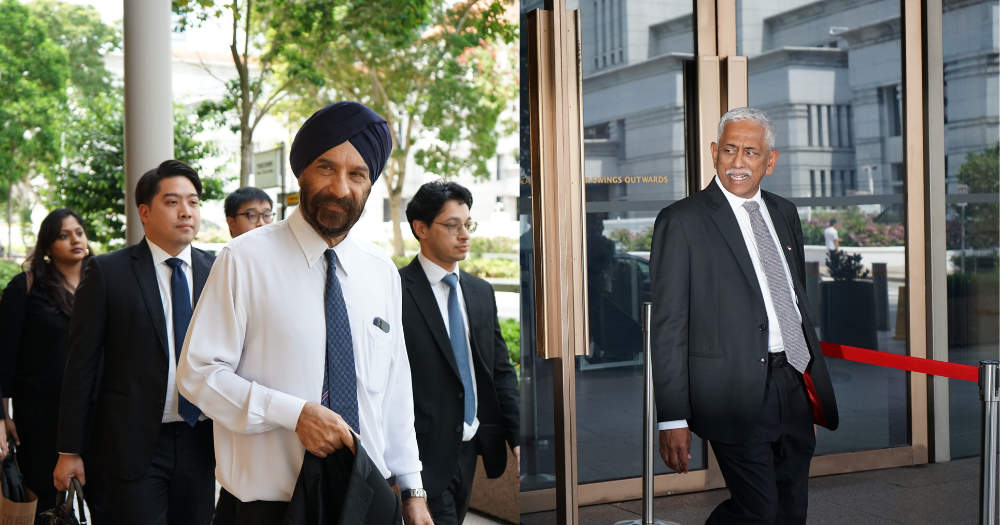
His words were criticised by former Singapore president Halimah Yacob.
In a Facebook post, she said his remarks were “disturbing”.
She wrote: “They too have contributed to the bank and now because of AI have become redundant. It’s demeaning to describe them as ‘lower-value human capital’.”
Background
On May 19, Winters announced that StanChart planned to reduce its support workforce by more than 15 per cent by 2030.
It is equivalent to about 7,800 jobs being cut.
The move is part of its adoption of AI to improve its operational efficiency.
His full apology can be found here:
I have received a lot of support for the messages in my previous post but still get questions about my choice of words, which I know has caused upset to some colleagues. For that I am sorry. I am therefore showing below a verbatim transcript of what I actually said, which I hope allows for a better understanding of the important point I was raising. I think the transcript makes it clear that I value our colleagues – all of them – most highly and that we are totally committed to helping them to cope with the accelerating pace of change in our industry:
“For example, this new core banking system in Hong Kong, which is a major, major accomplishment. This is not an everyday thing. It happens once in 40 years. And when it goes wrong, it's a disaster. It did not, it was practically perfect. That was a two and a half year programme, to get that right. The people that were gonna be affected, who were very important for helping us get to the right answer, knew that they were gonna be affected, and we began reskilling them at the earliest possibility. We're not long on talent in the markets where we operate, because these markets are growing fast. So the people that want to reskill, that want to carry on, we're giving every opportunity to reposition. And the people that say, yeah, you know, I've done my bit, I'm ready to do something else. I take a package at the end of, at the end of the migration of the application. So this isn't, it's not cost cutting. It's replacing, in some cases, lower value, human capital, with the financial capital and the investment capital that we're putting in. But almost always, with good clear notice going forward.”