Environment


Illegal wildlife feeders in S'pore can face doubled fines of up to S$10,000 & jail for repeat offences
It has remained a persistent issue in Singapore, with NParks taking action against 380 cases in 2025.
May 07, 2026, 03:44 PM
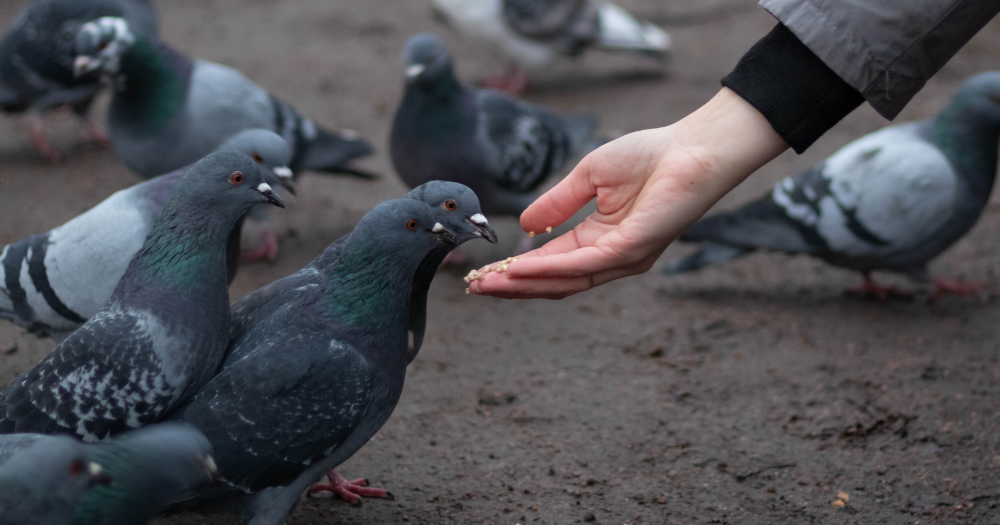
Image from Canva


With illegal wildlife feeding incidences on the rise, Singapore has amended the Wildlife Act to enforce stricter penalties for such offences.
The maximum fines have doubled for those who feed wildlife — including invasive pest birds such as pigeons and house crows — up to S$10,000 for first-time offences, and up to S$20,000 for repeat offences.
Repeat offenders can also be jailed for up to 12 months, in addition to or in place of a fine.
The amendments were announced by Senior Parliamentary Secretary for National Development Syed Harun Alhabsyi in Parliament on May 7, as part of the reading of the Statutes (Miscellaneous Amendments) Bill.
"This will provide stronger deterrence against illegal wildlife feeding and better safeguard public health and safety," he said.
The enhancements also "reflect the severity of repeat offences and the public hygiene risks associated with illegal wildlife feeding", according to the National Parks Board (NParks).
The enhanced penalties will take effect once the Bill is gazetted, which is expected to be completed by the second half of 2026.
Hygiene and nuisance problems
NParks explained that the persistent feeding results in public disamenities due to the bird droppings, which pose hygiene concerns for residents.
There are also potential risks to public health as birds such as pigeons can potentially spread pathogens that cause diseases in humans.
Still a persistent issue
In recent years, NParks has stepped up enforcement efforts against illegal wildlife feeding.
The total number of cases with action taken has more than doubled, from nearly 150 cases in 2021 to over 380 cases in 2025. Most of these cases involved pigeon feeding.
Repeat offenders accounted for about 42 per cent of the cases in 2025, up from 8 per cent in 2021.
These trends indicate that wildlife feeding remains a "persistent issue" despite sustained outreach and education efforts, NParks said.
"When such behaviour continues, it undermines the effectiveness
of NParks’ wider wildlife management efforts and exacerbates disamenities for the community."
Other efforts
Syed Harun also responded to a parliamentary question about alternative penalties for repeat bird-feeding offenders, as some are seniors whose behaviour is linked to loneliness and a need for social support.
He said that the custodial provision for repeat offences gives the Court other sentencing options to consider, including community-based orders such as mandatory treatment orders.
"We do need appropriate penalties to deter errant behaviours, but our approach is not merely to penalise," he added.
Apart from enforcement action, NParks works with other agencies to conduct public education, addressing misconceptions about bird feeding, and raising awareness on its negative impact.
They also engage elderly offenders and those with mental health or psychology needs to understand their underlying needs and motivations behind their behaviour.
These feeders are also offered alternative nature-based activities such as community gardening and birdwatching.