News


Iran closes Strait of Hormuz again less than a day after reopening, blames US blockade
Iran said the route will remain shut until the United States lifts its blockade of Iranian ports.
April 19, 2026, 11:42 AM


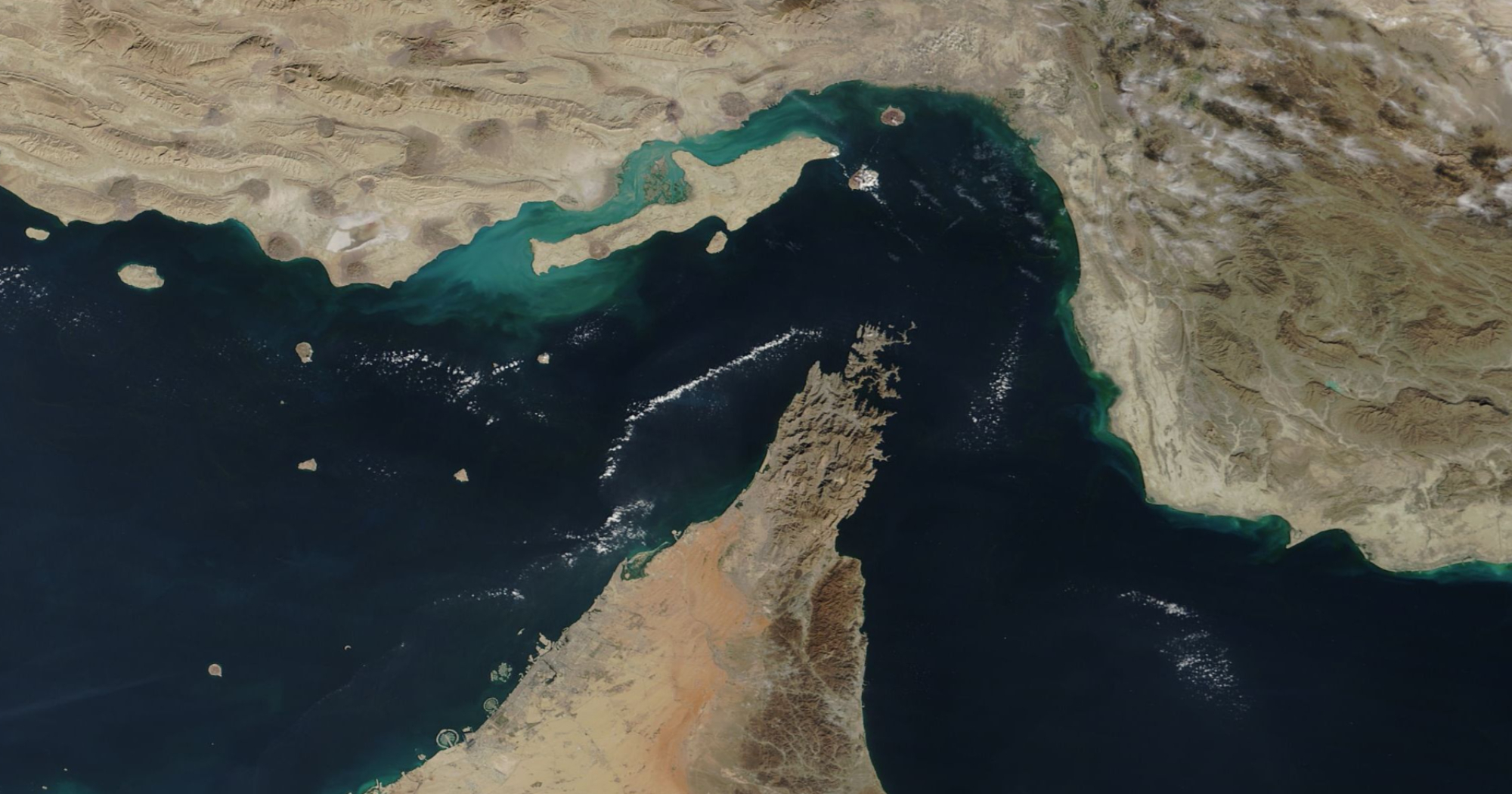
Iran has closed the Strait of Hormuz again less than a day after briefly reopening the crucial shipping lane, saying the route will remain shut until the United States lifts its blockade of Iranian ports.
Closed again
Iran’s Revolutionary Guard navy warned on Saturday (Apr. 18) that “no vessel should make any movement from its anchorage in the Persian Gulf and the Sea of Oman, and approaching the Strait of Hormuz will be considered as cooperation with the enemy” and could be targeted, reported AP News.
The move marks a sharp reversal after Iran announced on Friday (Apr. 17) that commercial shipping could resume through the waterway following a temporary ceasefire linked to wider regional negotiations.
Ships come under fire after Iran reversed decision
The renewed closure came as vessels attempting to cross the strait reportedly came under fire after Iran resumed restrictions.
The United Kingdom Maritime Trade Operations centre said it had received a report that two Iranian Revolutionary Guard gunboats opened fire on a tanker transiting the strait on Saturday, according to The Guardian, while another projectile struck a container vessel, damaging several containers.
Two Indian-flagged ships carrying crude oil had also been attacked while attempting to cross the Strait of Hormuz on the same day.
Before the closure was reimposed, at least eight oil and gas tankers had managed to pass through during a brief reopening window early on Saturday, according to maritime tracking data.
The IRGC’s navy command also wrote, in a post on X:
“As long as the movement of vessels from Iran and to Iran is under threat, the status of the strait of Hormuz will remain as it was previously. Any breach of commitments by the United States will receive an appropriate response.”
Iran blames continuing U.S. blockade
Iran said the latest closure was in response to Washington’s decision to maintain a blockade on Iranian ports despite the temporary reopening.
Iran’s Supreme National Security Council said the U.S. blockade violated the ceasefire arrangement and that Tehran would prevent any “conditional and limited reopening” of the strait while restrictions on Iranian shipping remained in place, reported AP News.
Deputy foreign minister Saeed Khatibzadeh told AP News that the United States was risking the global economy by refusing to ease pressure, adding that the U.S. was also “risking the whole ceasefire package”.
He emphasised that Iran would not return to direct talks unless Washington abandoned what he described as its “maximalist position”.
Ceasefire deadline approaches
The renewed standoff comes as a fragile ceasefire is due to expire on Wednesday (Apr 22).
Donald Trump said the U.S. blockade would remain in force until Tehran agreed to a broader deal, warning that Iran “can’t blackmail us”, according to CNBC.
Trump also said discussions were continuing, although he indicated the ceasefire may not be extended if no agreement is reached.
He said:
“Maybe I won’t extend it, but the blockade is going to remain. But maybe I won’t extend it, so you have a blockade, and unfortunately, we’ll have to start dropping bombs again.”
Global oil route disrupted
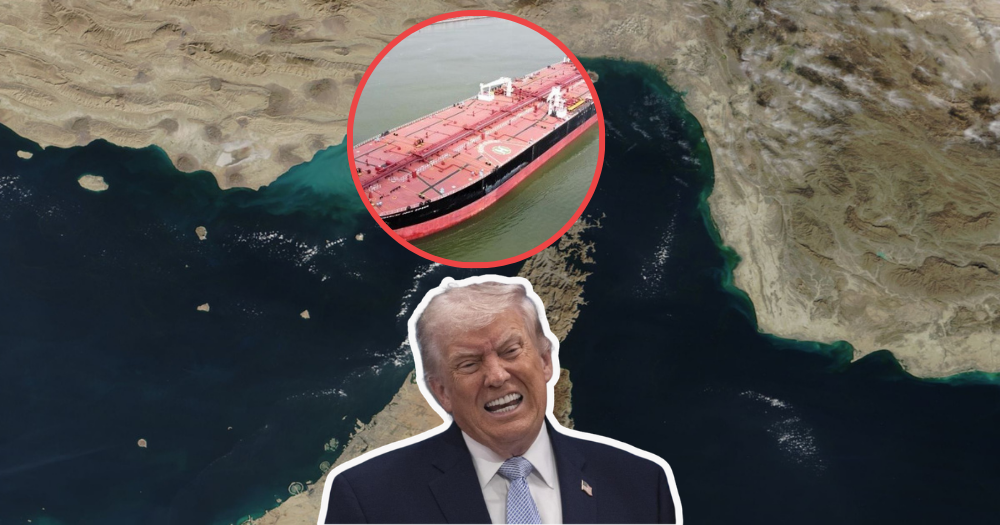
The Strait of Hormuz is one of the world’s most important energy chokepoints, with about one-fifth of global crude oil and liquefied natural gas supplies normally passing through it
Its closure has already triggered what analysts describe as the largest oil supply disruption in history, although oil prices fell sharply on Friday after Iran first announced that the strait had reopened, according to CNBC, dropping by more than 10 per cent to below US$90 (S$114) a barrel.