Abroad


S'porean girl, 10, confirmed as Taiwan's 1st imported case of new Covid-19 subvariant: Taiwan media
The girl left Taiwan on Mar. 20.
March 31, 2026, 05:31 PM
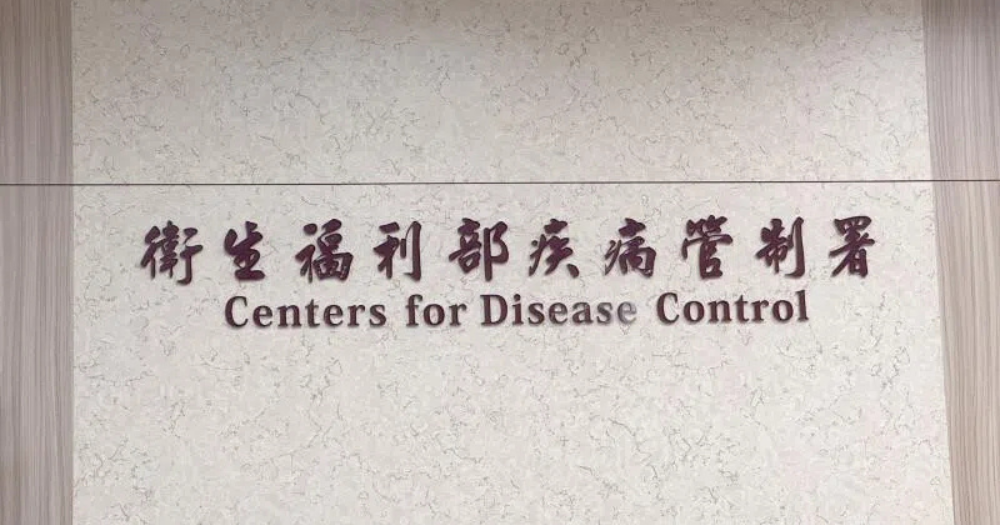


A Singaporean girl, aged 10, has been confirmed as Taiwan's first imported case of the new Covid-19 subvariant — BA.3.2 — by Taiwan's Centers for Disease Control (CDC).
Had fever upon arrival
According to local media outlet Taipei Times, the girl had a fever upon arrival in Taiwan and tested positive for the disease.
The girl arrived in Taiwan on Mar. 14 and was found to have a fever of 38.5°C upon entry at Taiwan Taoyuan International Airport, and was hence intercepted by quarantine personnel.
She agreed to provide a saliva sample, which later tested positive for the variant.
According to CDC Deputy Director-General Lin Mingcheng, the girl had spent 14 days in Singapore prior to her arrival and stayed in Taiwan until Mar. 20, with her activities primarily centred around Taipei.
The CDC confirmed that no community transmission occurred during her stay and that there is no cause for public concern over contact risks.
First imported case of the variant in Taiwan
According to Lin, the World Health Organization (WHO) added the BA.3.2 strain to its list of Variants Under Monitoring in December 2025, but this was the first imported case of the variant in Taiwan.
The girl had not received a Covid-19 vaccine in the past 12 months, Taipei Times reported.
After a travel, occupation, contact and cluster (TOCC) assessment, quarantine officers issued a notice instructing her to seek medical attention within 24 hours, said the CDC.
Lin added that the global prevalence of BA.3.2 had initially grown to around three to four per cent, but has since plateaued and has not become a dominant strain.
There is currently no evidence that it causes a significant increase in transmissibility or the risk of severe illness, he said, though it remains a "variant under monitoring".
The WHO has said that existing Covid-19 vaccines remain effective against severe illness from the new variant.
While there is no need for the general public to panic, high-risk groups, including those aged 65 and above and individuals with chronic conditions, are advised to get vaccinated, Lin said.
Top photo from Liberty Times