News


Residents moving into new large-scale BTO estates can expect earlier bus services & quicker access to food options
As well as access to childcare centres and sheltered linkways, and improved management of bulky waste disposal.
March 04, 2026, 02:15 PM


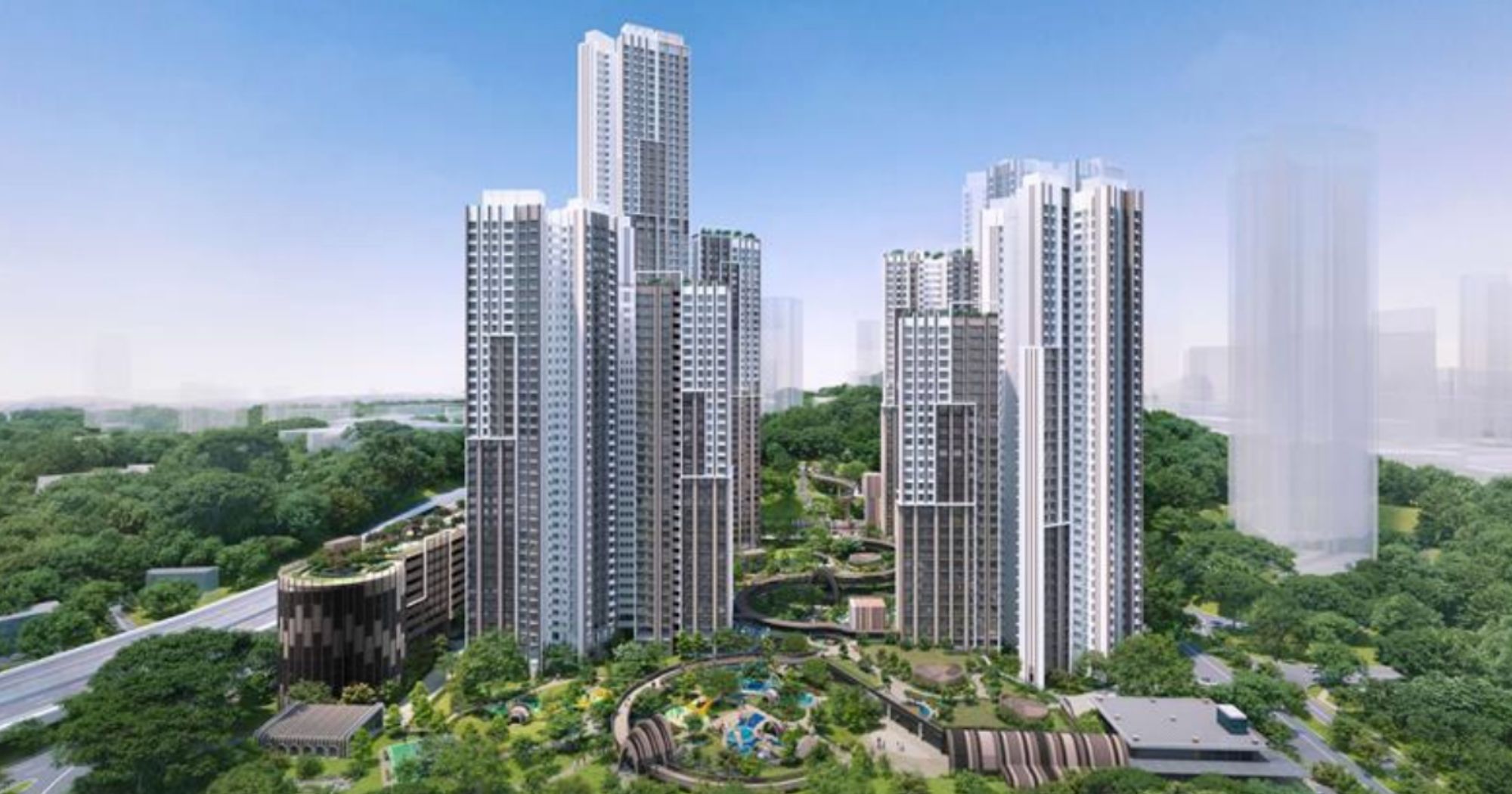
Residents moving into new large-scale BTO estates can expect more support in five key areas in the coming years.
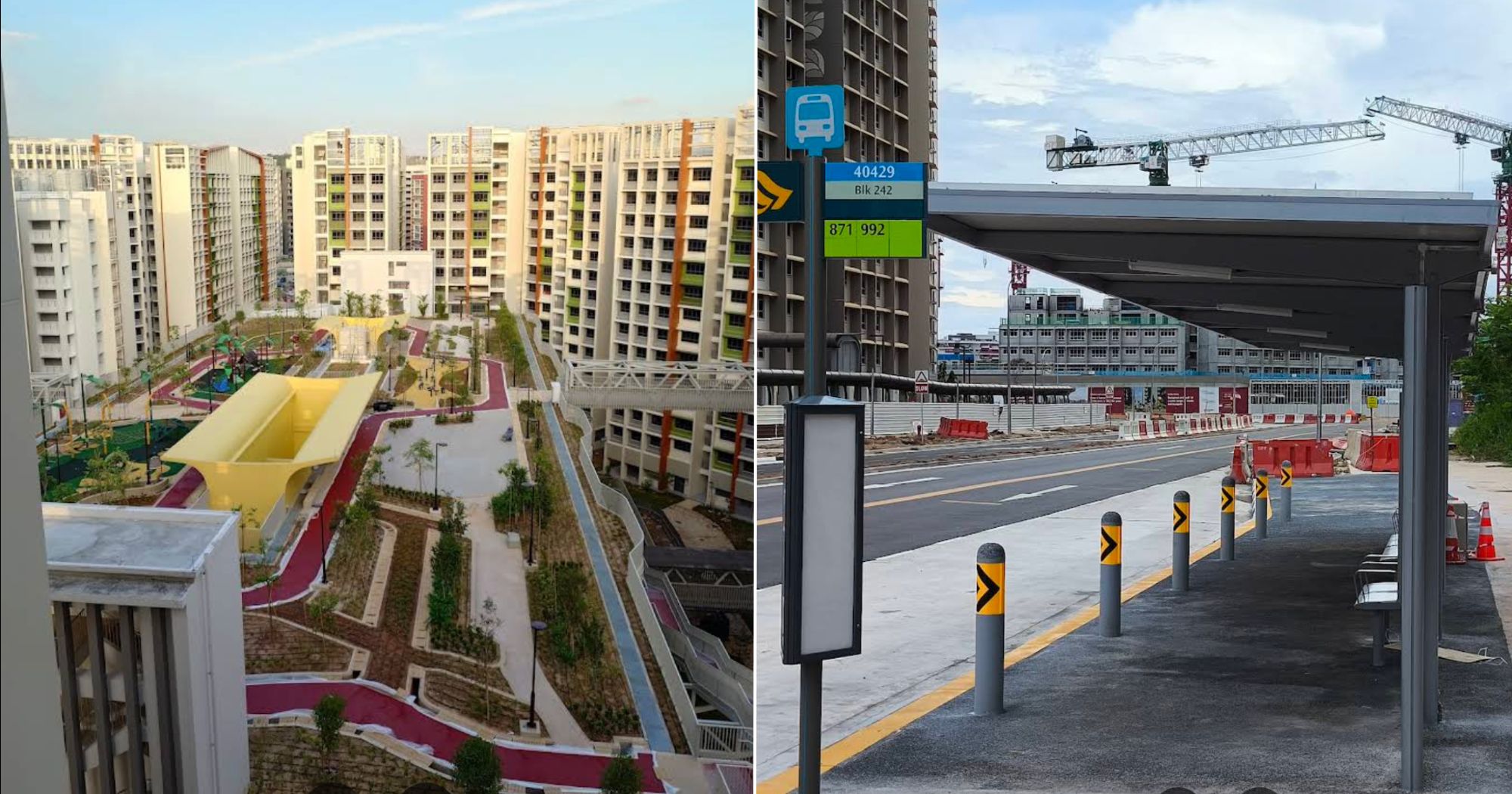
These include earlier introduction of bus services, quicker access to food and grocery options, provision of childcare centres, longer sheltered linkways, and improved management of bulky waste disposal.
To enhance the move-in experience, the Ministry of National Development and the Housing and Development Board (HDB) have set up a BTO Coordination Committee, said Senior Minister of State for National Development Sun Xueling.
She was speaking at the Ministry of National Development’s Committee of Supply debate in Parliament on Mar. 4, 2026.
“In the past eight months, we have had intensive discussions with grassroots advisers and identified five key areas where agencies will better support residents moving into new large-scale BTO estates,” she said.
Bus services
Sun said there was feedback that the first batch of residents moving into such estates needed earlier transport connectivity to help with their move-in.
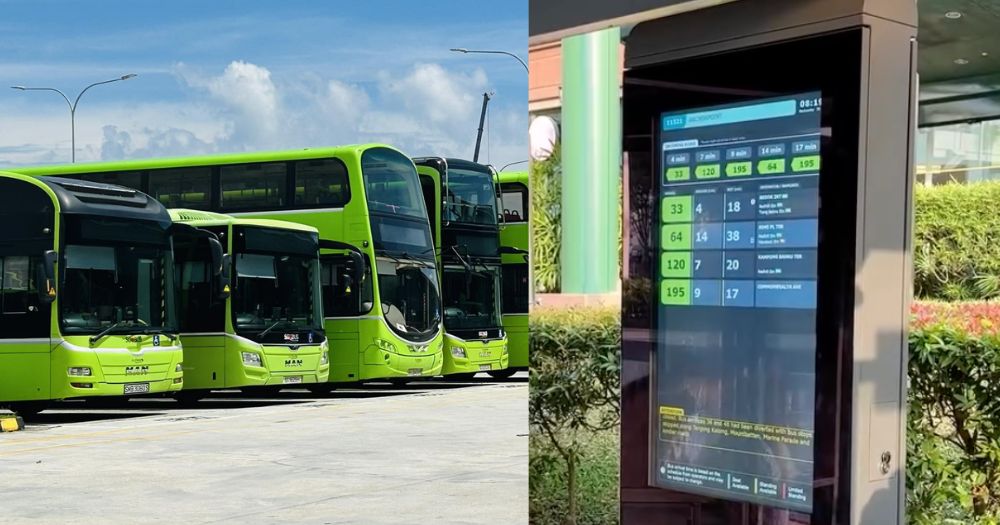
To support transport connectivity, HDB and the Land Transport Authority (LTA) will plan for at least one bus service to be operational in tandem with the first batch of key collection in new large-scale BTO estates, she announced.
These bus services will be accessible from a bus stop within walking distance of the BTOs and connect residents to amenities and transport nodes, such as bus interchanges or MRT stations.
In cases where a regular service cannot commence immediately, agencies will look at interim shuttle bus services, Sun said.
Quicker access to food and grocery options
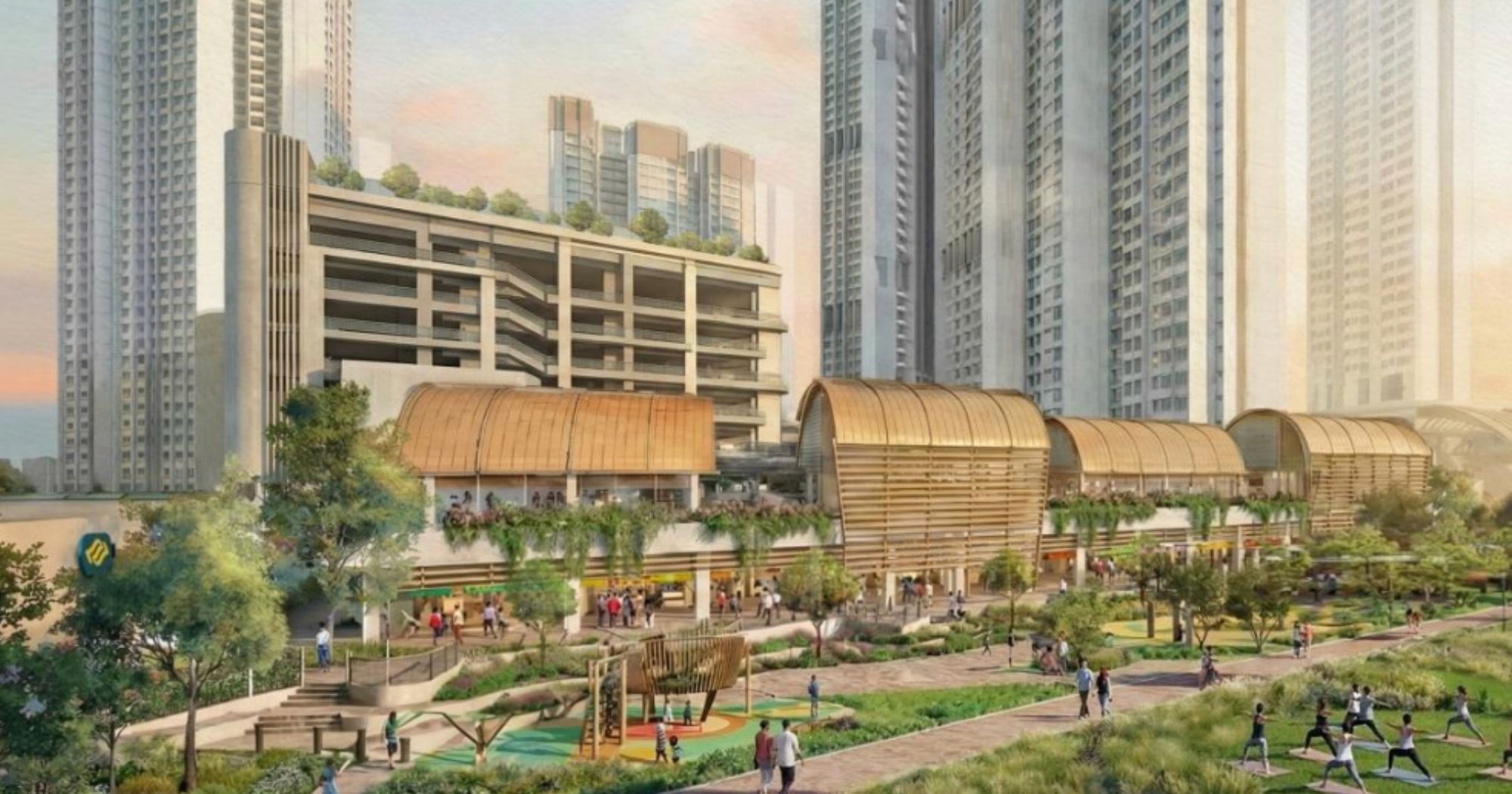
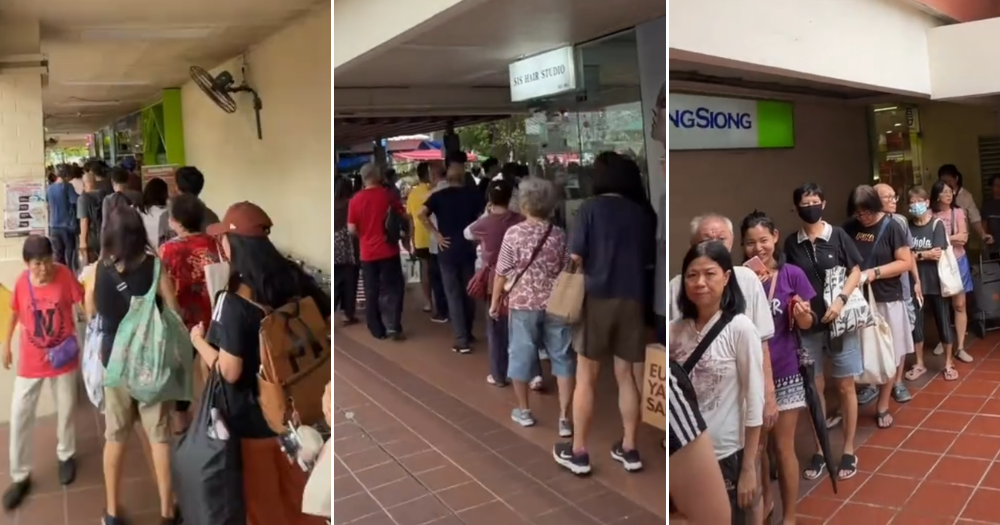
HDB will also introduce three initiatives to support shop operators so that residents can enjoy earlier access to cooked food and groceries.
Currently, shop operators who rent from HDB commence operations about nine months after the first batch of residents collect their keys, as this is when they assess that there are enough residents to support business viability.
HDB has since relooked at construction timelines and will bring forward the completion of shops as close as possible to the first batch of key collection, Sun said.
HDB will also pre-build outdoor refreshment areas itself, which will reap time savings of up to eight months and provide cost savings for operators.
Second, HDB will increase the rent-free period for HDB shops in new BTO projects from two months to a maximum of six months.
Similarly, for coffee shops, their rent-free period will increase from the current three months to a maximum of six months.
This will apply to shop tenders from March 2026, and shops will need to start operations early to enjoy the maximum six-month rent-free period, Sun said.
For the first two years of operations, HDB also staggers rents, with rent set at 80 per cent and 90 per cent for the first and second year, respectively.
To enhance support for shop operators, HDB will further lower the rent paid in the first year to 70 per cent.
Lastly, Sun said HDB will consider deploying ready-to-eat, value meals in some HDB blocks that are further away from the coffee shops.
This will be subjected to market interest.
Childcare centres
Sun said MND will work closely with ECDA to better support residents with young children moving into new large-scale BTO estates.
The timelines for childcare centres to begin operations can vary.
Some may be ready about seven months after the first batch of residents collect their keys, while others may take more than a year to open, Sun noted.
This can be problematic for families who have young children at the point of moving in, she said.
As such, HDB will aim to site childcare centres in the first blocks to be completed, as well as streamline construction and handover processes.
The authorities will aim for the centres to commence operations within six months after the first batch of residents collect their keys.
Sheltered linkways
Sun also announced that HDB will enhance the standard for the provision of sheltered linkways in new BTOs where there are “clear benefits to residents’ safety and convenience”.
These linkways will be built before residents move in.
However, Sun clarified that not all linkways will be built prior to key collection, as residents’ walking patterns and accessibility needs may evolve after they move in.
Town councils and other agencies may also add or extend linkways progressively, she said.
This ensures that estates remain connected in service of residents’ needs over time.
Improved management of bulky waste disposal
Sun added that HDB is working with NEA and town councils to step up the provision of skip tanks and receptacles, such as metal cages or recycling bins, to provide convenience to residents during the initial move-in period.
Since August 2025, HDB has been providing 50 per cent co-funding to town councils that wish to deploy skip tanks at newly completed projects within the first year of the project’s completion, Sun said.
They will continue to do so for projects in new large-scale BTO estates, she added.
In addition, HDB will strengthen enforcement against indiscriminate dumping by renovation contractors.
This includes reviewing the penalty framework to implement stiffer penalties for errant contractors.
She said: “Every estate is different and there can be project-specific issues that cause some variation. However, with the basic principles established, we can strive towards achieving these standards for new large-scale BTO estates, to improve the move-in experience for residents.”