



News


S'porean baby with rare genetic disorder needs S$2.4 million for treatment, older brother died of same disease
SMA is a rare genetic disease that destroys motor neurons — the cells that control movement, swallowing, and breathing.
March 19, 2026, 12:24 PM


In 2017, baby Faris was diagnosed with Spinal Muscular Atrophy (SMA).
He was "bright and full of joy", his parents said. But despite every effort, he passed away on Jun. 24, 2022.
He was not yet six years old.
In 2025, Norhaziqah and Rahman found out they were expecting their fourth child. A son.
They named him Faziq.
But in her second trimester, their doctor told them that Faziq, too, suffered from the same disease as his late brother.
"We were devastated," the couple said in their fundraiser, hosted on charity platform Ray of Hope.
"But also grateful, because he was still asymptomatic. He still had time."
A debilitating disease
SMA is a rare genetic disease that destroys motor neurons — the cells that control movement, swallowing, and breathing.
Once symptoms begin, they are irreversible and incurable.
Since birth, Faziq has been on a daily medication called Risdiplam. This helps to slow the progression of his condition.
But Risdiplam is not a cure and must be taken long term. It costs around S$4,800 a month now, and is expected to increase to S$12,000 a month as he grows.
Currently, the cost of the therapy is covered under the hospital's Medical Assistance Fund, as well as Medifund.
But the family maintains that it is a temporary measure that puts Faziq at risk of irreversible muscle loss.
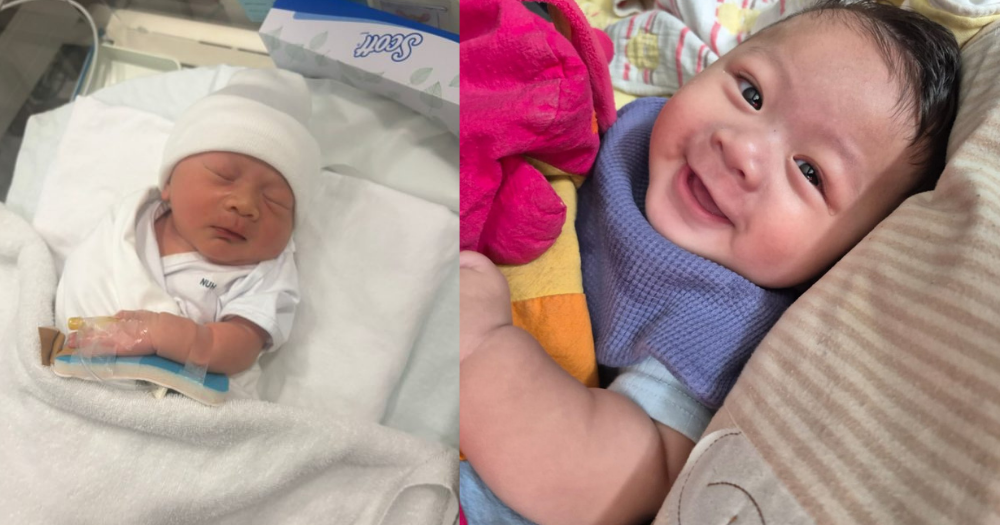
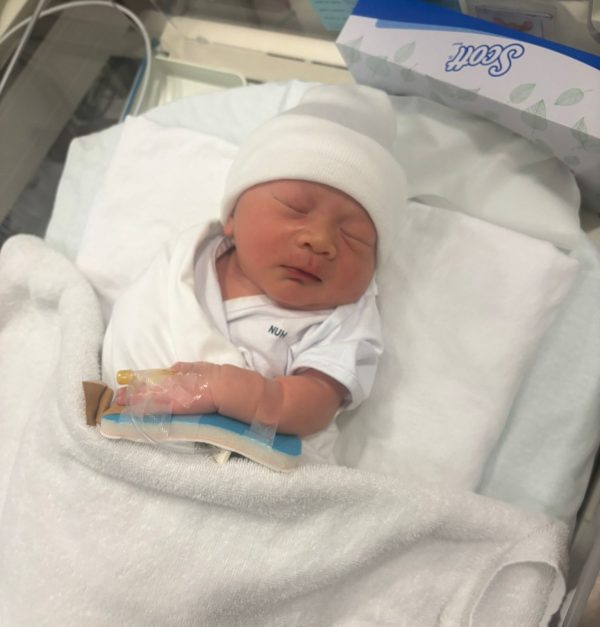 Faziq as an infant. Photo from RayofHope
 Faziq today. Photo from RayofHope
A chance for survival
The family said that doctors have recommended Zolgensma, a one-time gene therapy that addresses the root cause of SMA by replacing the missing gene.
Zolgensma is colloquially known as the world's most expensive drug and is priced at S$2,397,300.
It is not subsidised or covered under Singapore's Rare Disease Fund.
As such, Norhaziqah and Rahman are hoping to raise funds to get Faziq treated as soon as possible.
As of Mar. 19, they have managed to raise S$509,608.
The couple said that when their other son, Faris, was diagnosed in 2017, the gene therapy was not yet available.
"Faziq still has that chance," they said.
If you'd like to donate, you can do so via Faziq's crowdfunding page here.
Related story
Top image from RayofHope