Parliament


'We cannot give up': S'pore's Total Fertility Rate drops to new low of 0.87 in 2025
This is a 0.10 decrease from 0.97 in 2024.
February 26, 2026, 06:12 PM


Birth rates are falling at an unprecedented pace while Singapore's population is ageing rapidly, Deputy Prime Minister Gan Kim Yong said on Feb. 26.
TFR hits new low of 0.87 in 2025
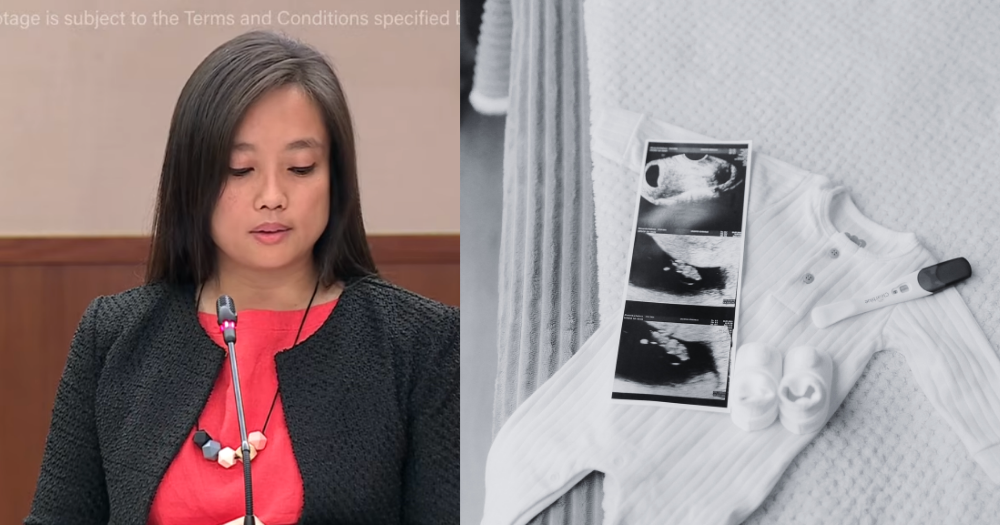
Speaking at the debate on Budget 2026 for the Prime Minister’s Office, DPM Gan announced that Singapore’s resident total fertility rate (TFR) dropped to a new low of 0.87 in 2025, down from 0.97 in 2024.
The TFR measures the average number of children each woman would have across her reproductive lifespan.
Although Singapore recorded 27,500 resident births in 2025, DPM Gan noted that this marked the lowest annual number of births since records began.
He also warned that if the TFR remains at 0.87, for every 100 residents today, there would be only 44 children and 19 grandchildren.
"Over time, it will be practically impossible to reverse the trend, because we will have fewer and fewer women who can bear children," he said.
DPM Gan also highlighted growing demographic pressures from an ageing population, noting that the Baby Boomer generation has entered their 60s and older.
In 2025, one in five Singaporeans was aged 65 and above, compared with one in eight a decade earlier in 2015.
This is an existential challenge, said DPM Gan.
"The overall trend is of grave concern. Marriage rates have come down, and those who are married have fewer or no children."
Despite these challenges, Singapore cannot afford to give up, he added.
The citizen population grew by just 0.7 in 2025, continuing a slowdown observed over the past decade.
Without further policy measures, Singapore’s citizen population could begin shrinking in the early 2040s, he warned.
Ensure Singaporeans remain the majority of the population
As population growth slows, the government will closely monitor the size of the non-resident workforce to ensure citizens remain the majority, DPM Gan said.
"As we bring in foreign workers, our policies are designed to ensure that they complement our Singaporean core."
Foreign manpower policies will also continue to focus on complementing, rather than competing with, local workers.
The government will also carefully manage the numbers and concentration of Employment Pass and S-Pass holders, while Work Permit numbers will be regulated through levy and quota systems.
Skilled foreign workers remain necessary to address critical manpower shortages, strengthen business capabilities and support economic growth, he added, noting that this would ultimately create more jobs and opportunities for Singaporeans.
Top photos from Canva and MDDI/YouTube