Features


S’porean JC student, 17, suffers brain aneurysm at school, survives & takes his A-levels the next year
Rewrote his story.
February 27, 2026, 03:33 PM
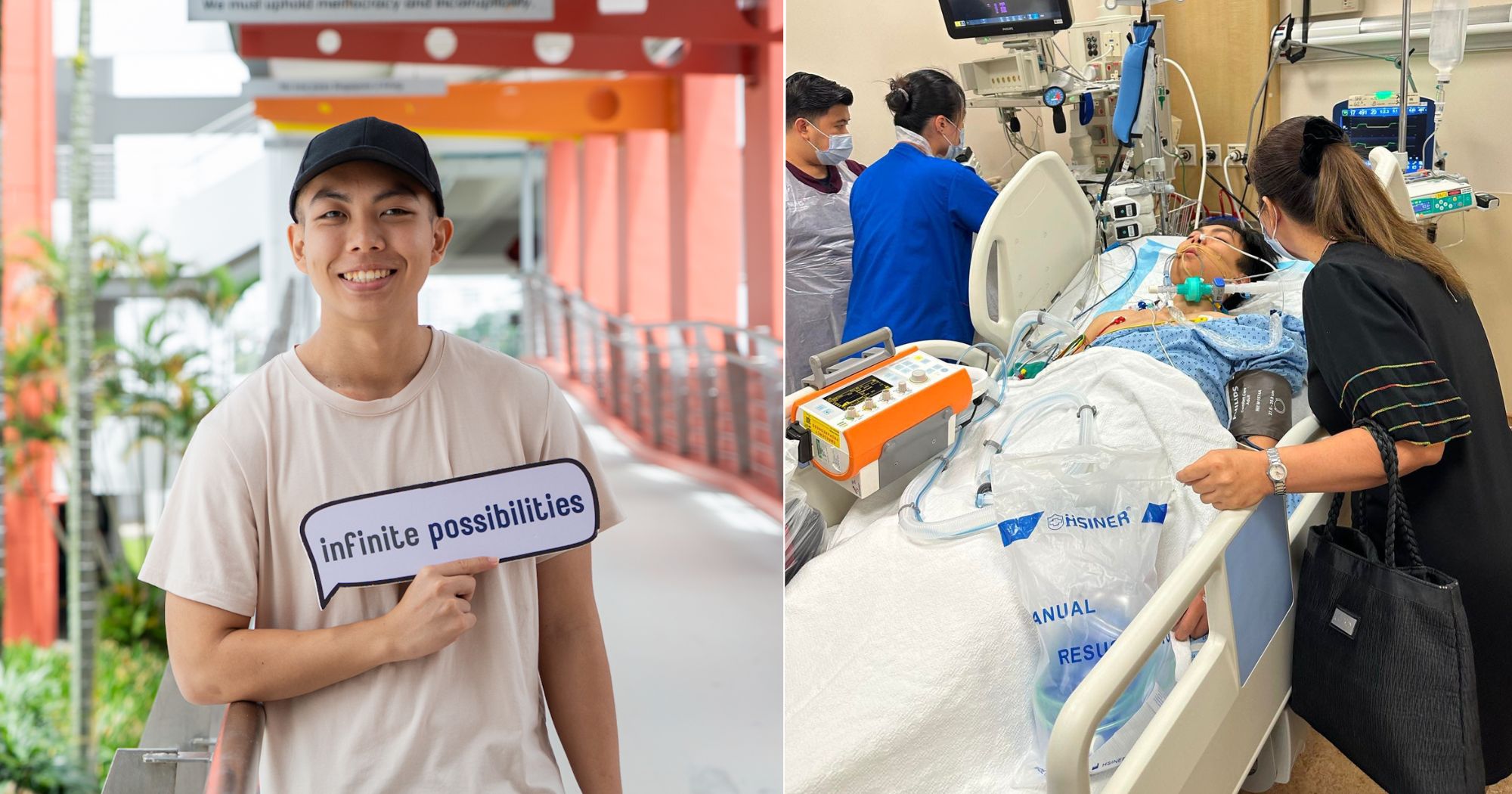


One moment, 17-year-old Liew Jun Sam was playing table tennis.
The next moment, he was on the floor — unable to move the left side of his body or make sense of what was happening.
The Jurong Pioneer Junior College (JPJC) student had been attending a Physical Education (PE) class when he suddenly collapsed.
Doctors later revealed that he had suffered an acute stroke caused by a brain aneurysm — a rare and life-threatening condition.
What followed were months of rehabilitation and the daunting task of starting over from scratch.
Before the stroke, Sam — as his family and friends call him — had been an active and sociable student deeply immersed in school life. He served as a House Captain and Student Councillor, all while preparing for his A-Level examinations.
But instead of sitting for his exams alongside his peers, he would spend that period in the hospital and later recuperating alone at home.
A sudden stroke
Two years later, on a Friday morning before the A-Level results collection, Sam sat down with Mothership to share what he remembers of that fateful day.
"We were going to do table tennis for PE, and it was just like every other morning," the now 20-year-old said.
"I was fine until I had a sudden headache. I thought it was just like a normal headache because I was working until quite late the previous night," he added.
Over time, the pain became worse, and he decided to ask his teacher if he could go back home.
Two of his classmates accompanied him to the general office, but he had to stop midway when he started feeling nauseous.
What happened next was a blur for Sam, but he remembers taking a seat and not being able to get back up, and losing function of the left side of his body.
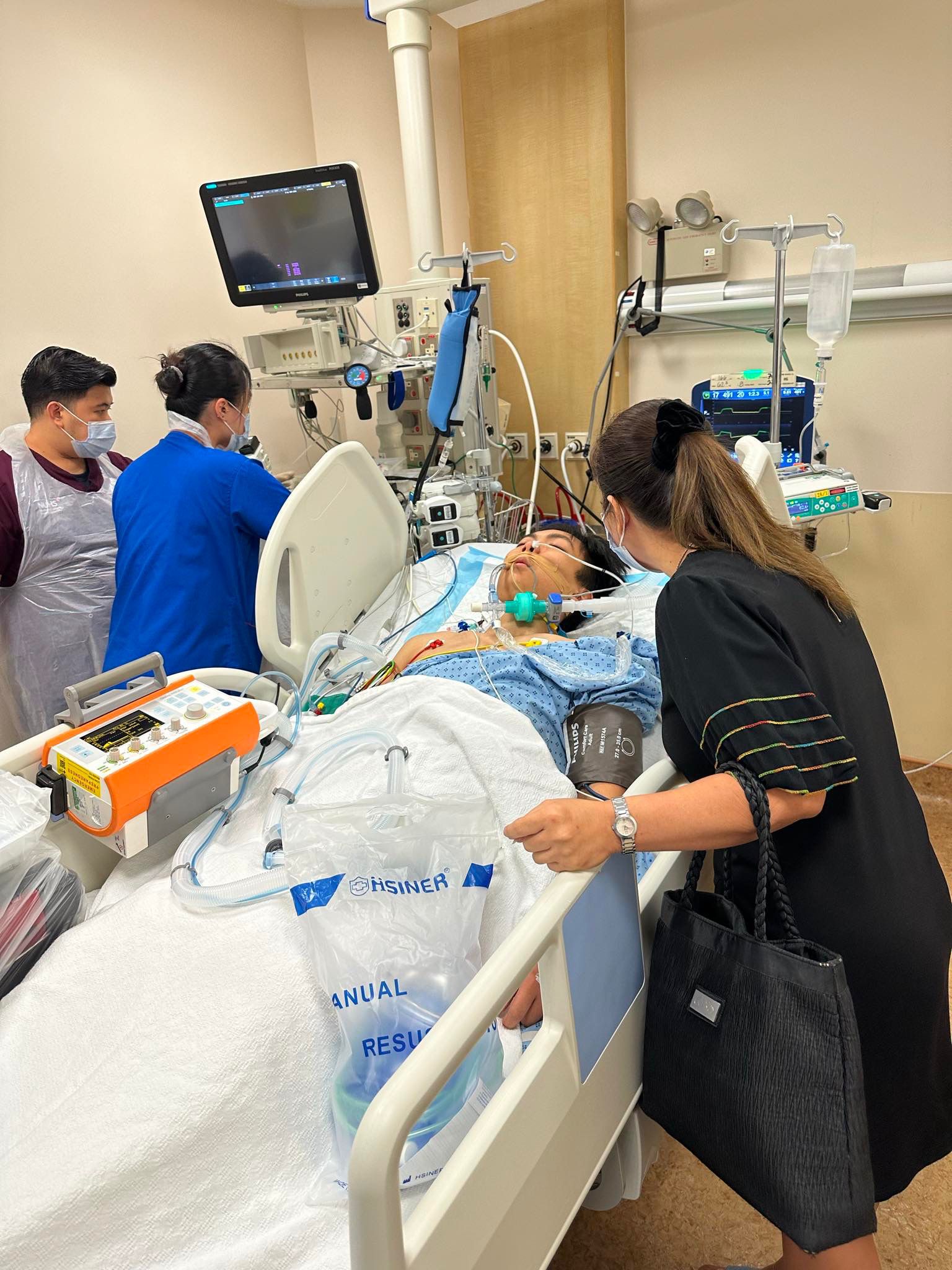 Photo courtesy of Liew Jun Sam
Brain surgery
An ambulance was called, and Sam was rushed to the hospital, where he underwent major brain surgery.
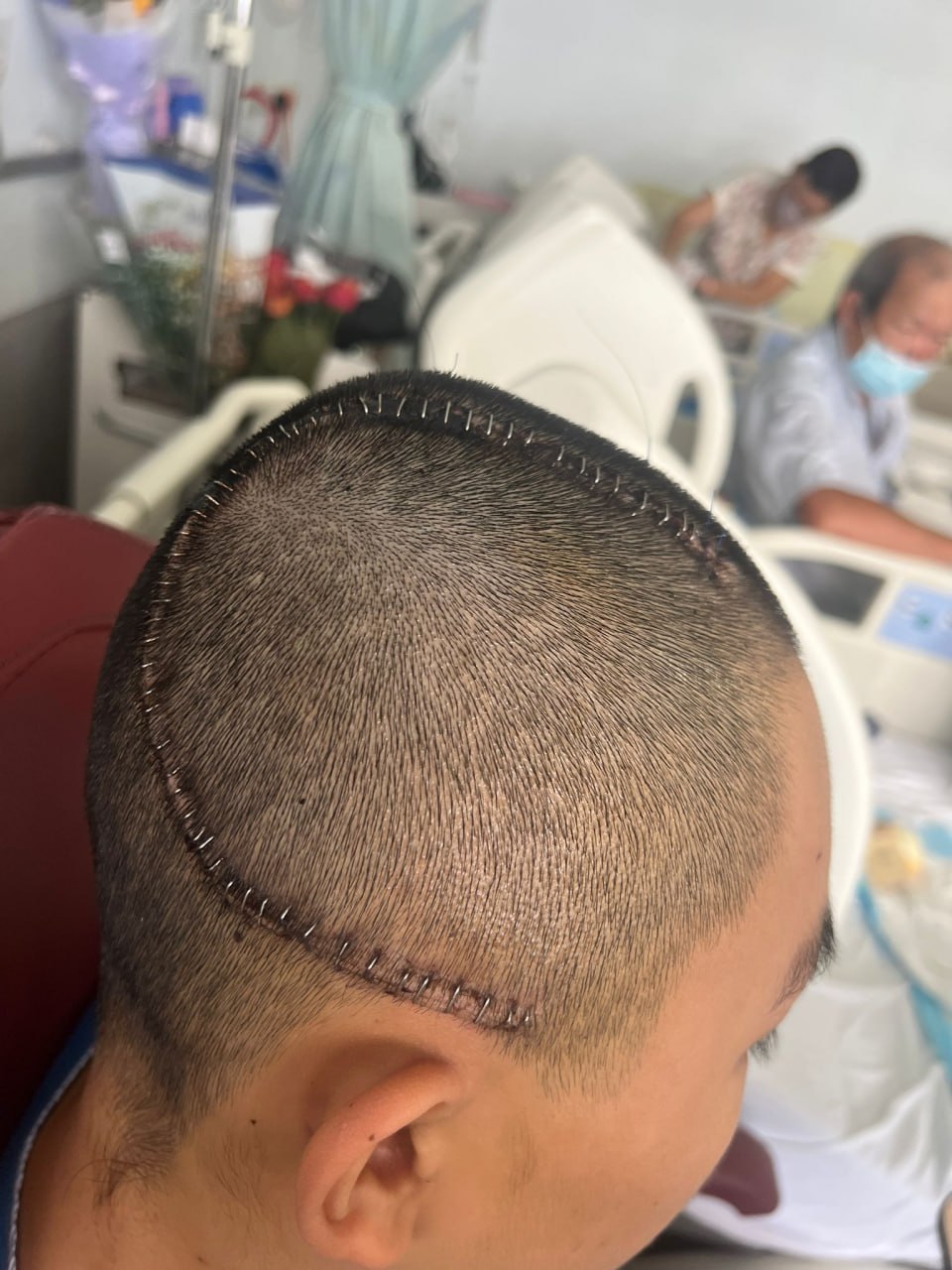 Photo courtesy of Liew Jun Sam
Everything was so "sudden", Sam described. He had no history of related health problems, and he had always been active and healthy.
Doctors later explained that a micro blood vessel in his head had tangled and burst, though they did not know the underlying reason for it.
After the operation, Sam remained unconscious. Doctors warned his family that he might stay that way for weeks.
Even if he regained consciousness, recovering movement would take time.
It would take two days of anxious waiting before Sam made his first sign of movement — his fingers twitched.
To his family, that small, almost imperceptible movement meant everything.
For Sam, memories from that period remain hazy.
Still, he remembers playfully flicking his younger sister on the chin — an annoying big brother habit.
He recounted with a laugh that she'd burst into tears, seeing it as a sign that her brother was truly back.
His father later described the moment as “striking the lottery”.
 Photos courtesy of Liew Jun Sam
What followed were weeks of trying to regain his physical strength through hours of physiotherapy.
When asked about that period, he said his emotions fluctuated.
There were moments where he felt stuck and frustrated at not improving, Sam said. But there were also moments of progress that kept him hopeful.
Deferred his A-level
Sam was discharged a month later and returned to school in July, hoping to catch up with his friends and resume his routine.
However, he soon realised he was not ready.
Although he regained the ability to walk within months, he continued to struggle with cognitive effects such as short-term memory loss and weakened logical processing.
“My cognitive functions — like logic and memory — took a hit. I struggled with studying and concentrating,” he said.
After discussions with his parents and teachers, Sam made the difficult decision to defer his A-Level examinations.
“At first, I was very sad. My friends were graduating,” he shared.
Struggled spending time alone
While recuperating at home, loneliness hit him hard. “I was struggling quite a bit with being alone,” he said.
Used to a packed school life filled with events and activities, Sam suddenly found himself confined at home.
“My parents were worried about me, so they didn’t allow me to go out much. I was essentially stuck at home — without exercise and without many ways to destress.”
That was when he turned to something he rarely did before: reading.
One book, in particular, left a deep impression on him — the Japanese bestseller The Courage to Be Disliked, which explores ideas such as self-forgiveness, personal responsibility and decluttering one’s mind.
“It was interesting to read about how we think, and how our thought processes can be guided,” he said.
"If you think about it, it already happened. So there really isn't much you can do about it. You can't go back to how it was. So I look at what's in the present and what I can do about it now," Sam said.
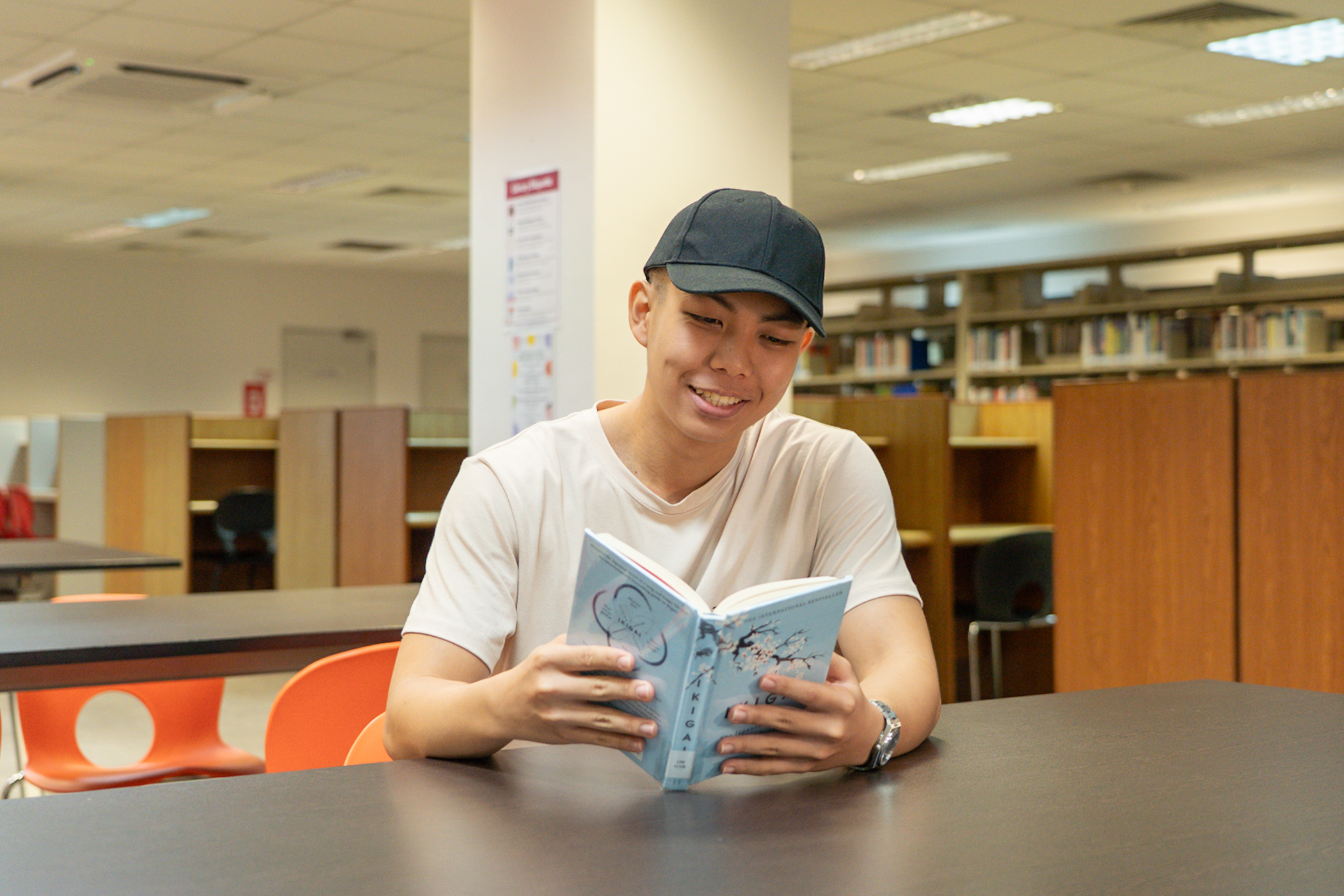 Photo by Azrizal Abu Che'/Mothership
Returned to school the following year
In 2025, Sam returned to school.
He felt a mixture of excitement, fear and uncertainty as he joined a new cohort with students who already knew one another.
On his first day back, he stood at the concourse watching juniors set up for a CCA event, feeling like an outsider.
It took time, but gradually he formed new friendships. Shared interests in a mobile game, group projects and studying together helped him bond with his classmates.
Although he was less involved in school activities than before, he found comfort in simply spending time with friends.
“It was still fun,” he said.
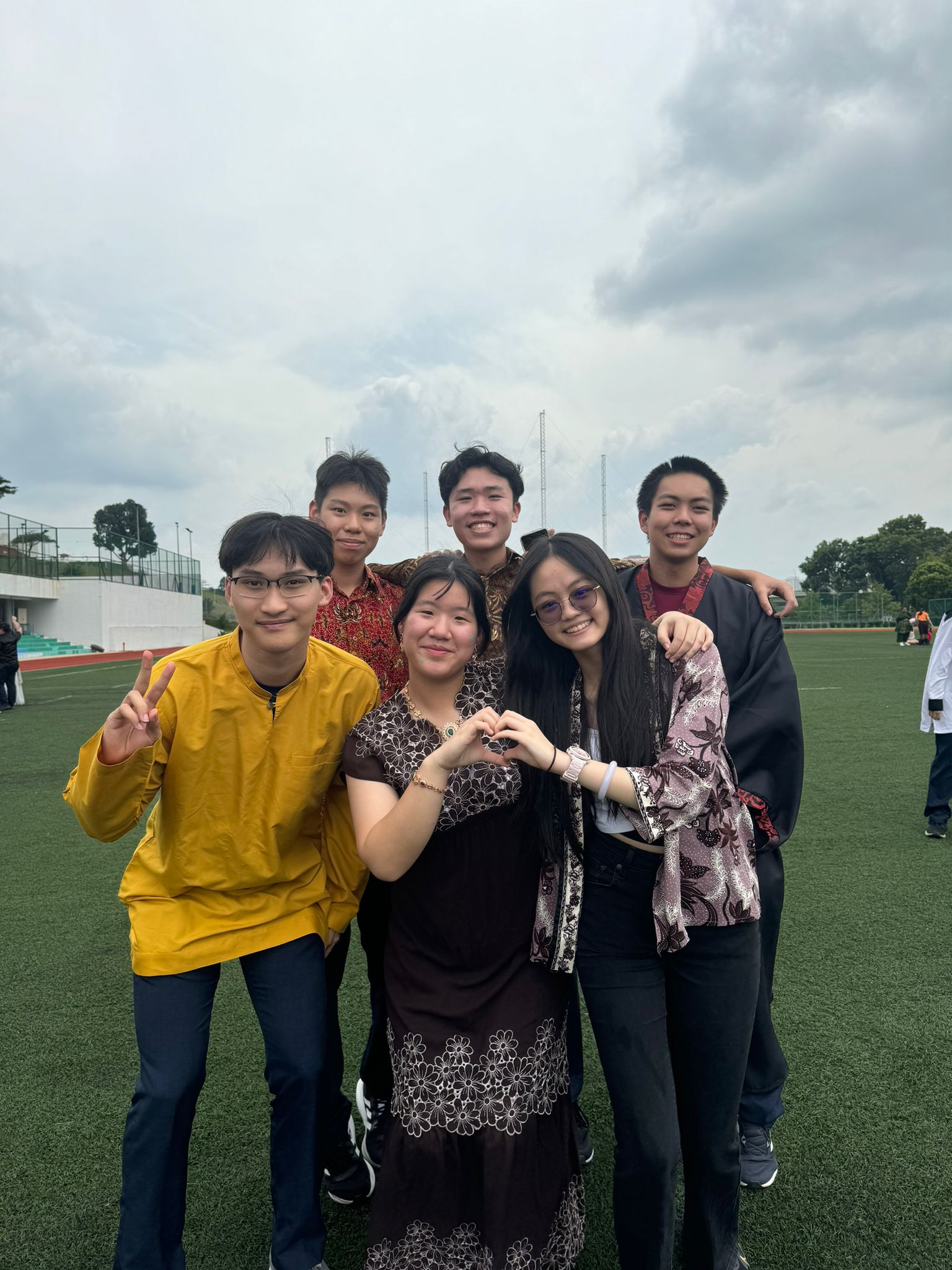 Photo courtesy of Liew Jun Sam
Academics, however, remained challenging.
“I asked my teachers and friends a lot of questions — and some stupid questions sometimes,” he admitted.
But those around him were patient and supportive.
In particular, he found his Physics teacher’s small-group discussions helpful in rebuilding his understanding.
Strong support system
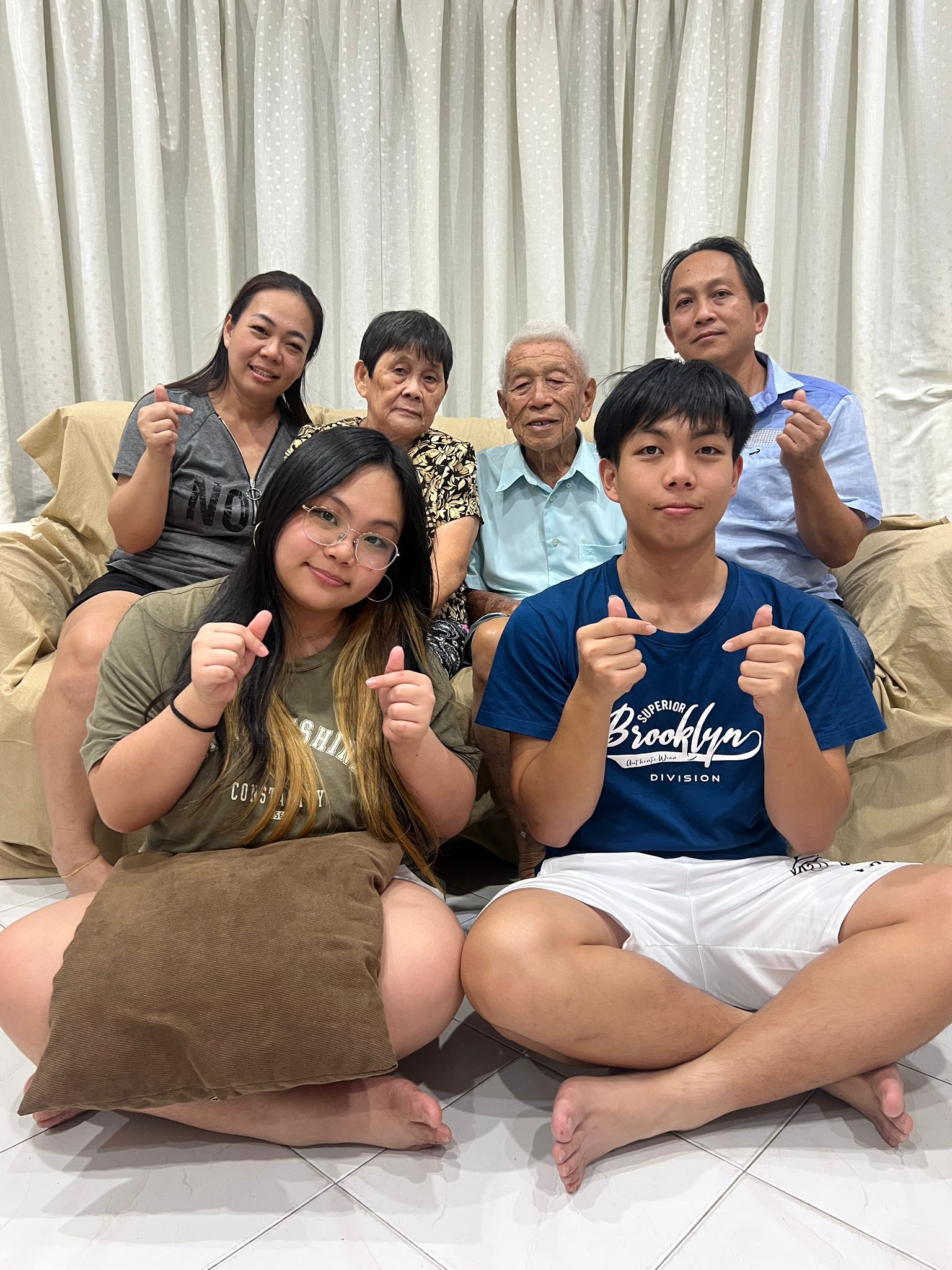 Photo courtesy of Liew Jun Sam
Throughout his recovery, his parents remained his strongest pillars of support.
Though they were often cautious about letting him out of their sight or allowing him to engage in strenuous activities, Sam understood it came from love.
Previously, his family, understandably so, had expectations for his grades. But after the stroke, and all Sam had to power through, grades didn't seem all that important after all.
"So it took a lot of burden off me because there wasn't as much pressure, there wasn't as much to lose," he said.
Results do not define him
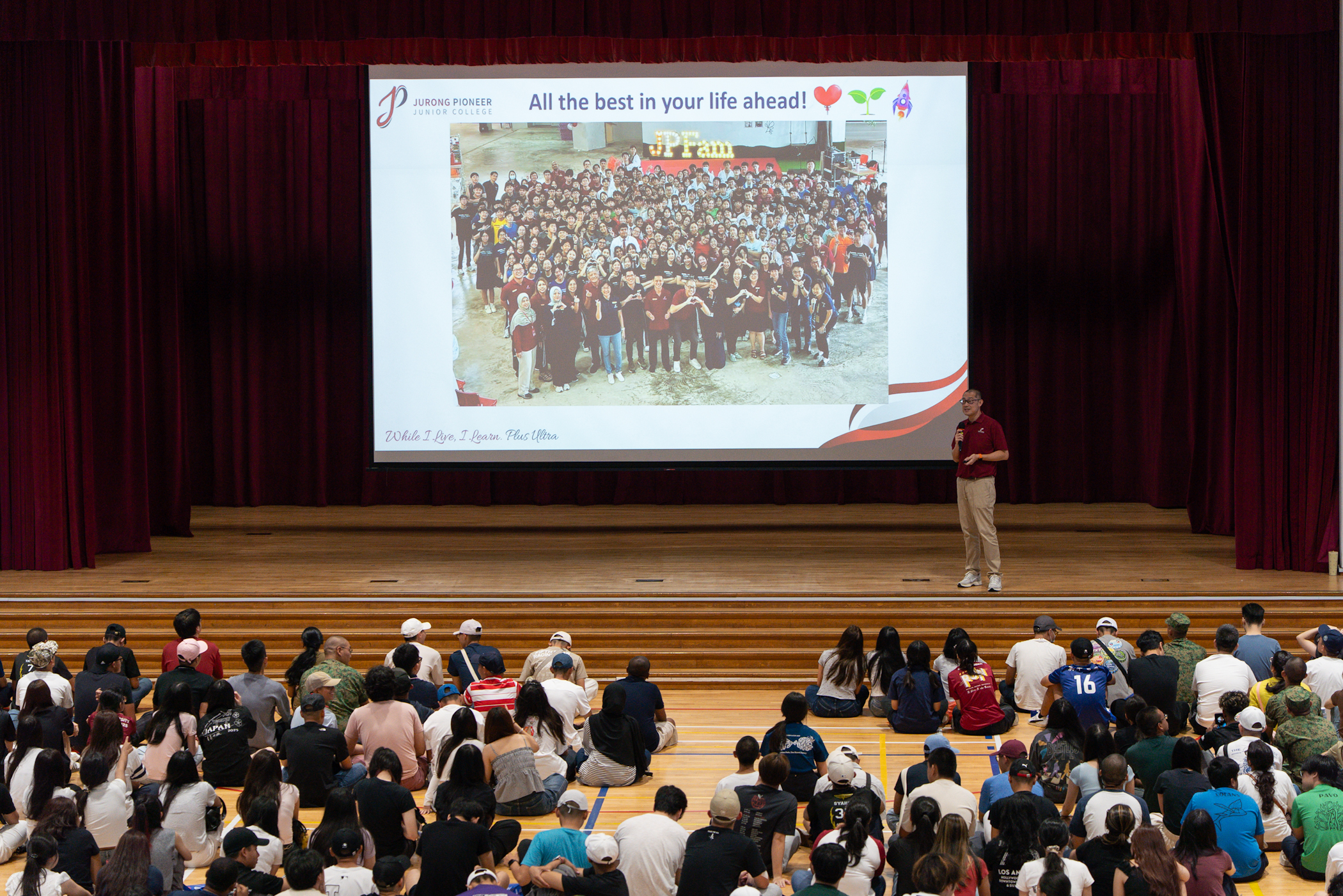 Photo by Azrizal Abu Che'/Mothership
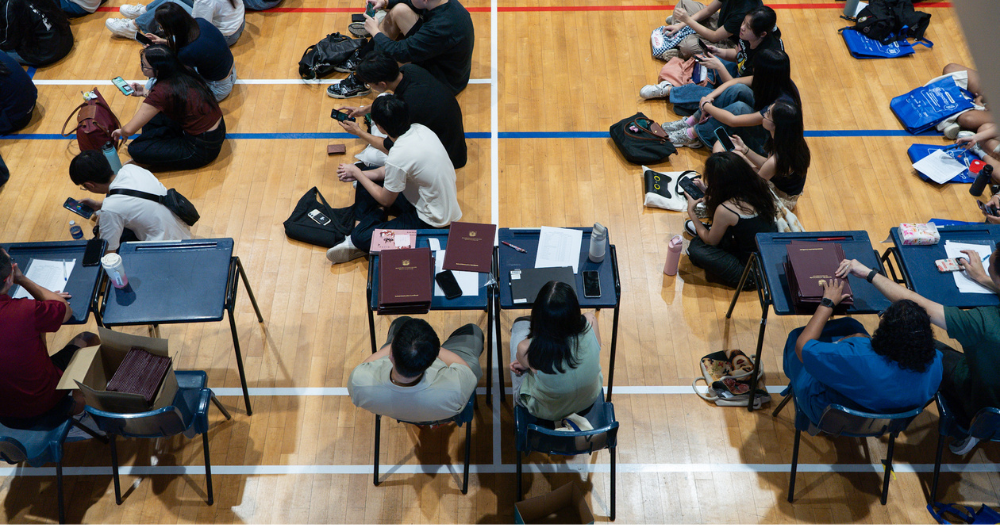
I stood to the side as Sam, along with his cohort, received his A-Level results.
While he was nervous beforehand and had told me he didn't think he would do well, the beam on his face after he checked his results said it all.
He later shared that he was happy with his results and had done much better than his preliminary examinations.
Surrounded by peers and teachers, he finds peace in knowing he has done his best.
To him, the grades he receives in that JPJC hall will not be a measure of who he is.
It was the journey — the setback, the resilience, and the recovery — that he took to get back to that hall.
Top photos by Azrizal Abu Che'/Mothership and courtesy of Liew Jun Sam