News


Over 50% of workers in NTUC Women & Family surveys did not ask for flexible work arrangements, fearing slower progression: Yeo Wan Ling
Policies create permission, while culture creates safety, she said.
February 25, 2026, 06:20 PM
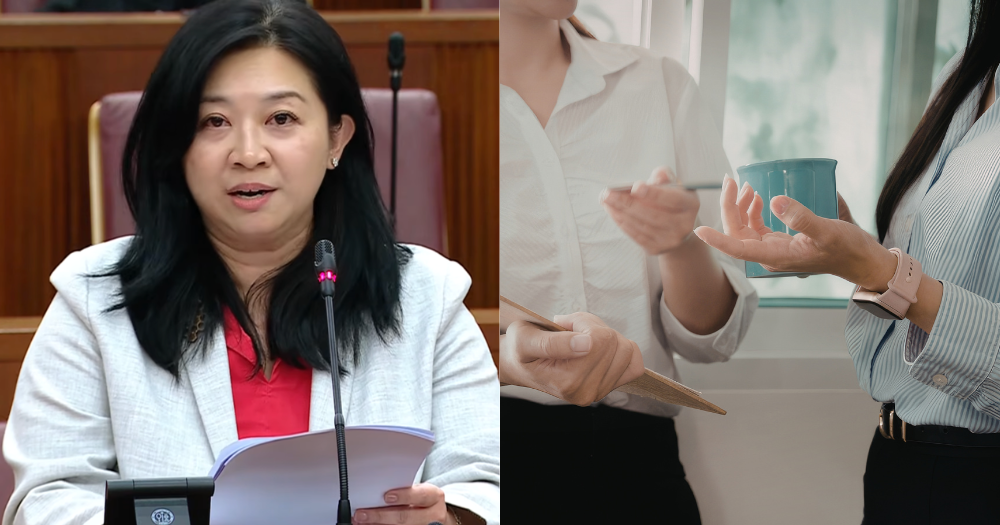


To create inclusive workplaces for women, there must be cultural adjustment, not just guidelines and legislation, Member of Parliament (MP) Yeo Wan Ling said on Feb. 25.
Yeo, who is also the assistant secretary-general of NTUC, spoke on the second day of the Parliament Budget 2026 debate about making workplaces more inclusive for women and people with disabilities.
She described women's experience of work as not linear but in seasons — seasons of early ambition, caregiving, returning to work, and mid-life change.
"If inclusion is to be real for women in every season, policy must be matched by practical action," she said.
Ensuring safety
Although many workers are aware of Tripartite Guidelines on Flexible Work Arrangement (FWA) Requests, more than half of workers surveyed by NTUC have never made a request since it took effect in December 2024.
Citing respondents to NTUC Women and Family surveys, Yeo shared that this was because they feared slower progression and subtle discrimination.
Women returning to work have told NTUC they were worried that in asking for FWAs, they would be "marked" by their organisations, and not receive genuine support from their bosses and colleagues.
The guidelines thus created permission, but did not fully create safety, Yeo asserted.
"Policies create permission. Culture creates safety. And policies must move so that new safe progressive cultures can take root," she said.
She added that this gap between permission and safety is especially felt in the season of caregiving, as even with FWAs, caregiving does not end.
Cultural shifts
Turning to the season of mid-life change, Yeo proposed normalising conversations about it at work.
She pointed out how some consider topics taboo, such as perimenopause and the physical changes of ageing, but progressive employers have taken a different approach.
The NTUC-affiliated Education Services Union has openly engaged their employees on how to better support women through menopause.
"Managers have respectful conversations. Adjustments are made without embarrassment," Yeo said. "These may seem like small changes — but they signal respect."
Additionally, to support breastfeeding mothers, she believes it is not enough to simply have workplace lactation rooms.
Culture matters more, to ensure these rooms do not become store rooms, or that the mothers do not feel rushed.
NTUC will expand its Better Workplaces program in 2026 to support more companies with their lactation room set-ups.
Yeo also called on the government to complement policies with practical action, including expanding flexible and extended childcare options, including weekend and after-hours pilots and providing clearer tripartite guidance on supporting women through perimenopause and menopause.
"We must continue to move policy intentionally to shape culture, so that inclusive workplace norms do not remain aspirational, but become standard practice," she said in conclusion.
Support for people with disabilities
As for people with disabilities (PWDs) and their caregivers, Yeo called for the removing barriers rather than lowering standards to foster a kinder workplace.
Limited caregiving resources and rigid employment structures, such as fixed hours and inflexible expectations, unintentionally exclude them, she said.
She added that awards and benchmarks for inclusion should not be ceremonial.
For example, she expressed support for the SGEnable Enabling Mark, which recognises disability-inclusive employers, but said it should go beyond being an award.
"It must not remain something companies aspire to once a year," she said. "It must be normalised as a workplace standard with adequate funding and resourcing — embedded into hiring practices, job redesign, leadership KPIs, and organisational culture."
On NTUC's part, it has been working on a tripartite advisory on good practices that employers can adopt to make their workplaces more inclusive for PWDs.
Yeo called for clear guidance and appropriate funding under this upcoming advisory, to help employers implement inclusive practices confidently.
Top images from MDDI/YouTube and Canva