Parliament


MP David Hoe uses physics to raise concerns on 6km/h PMA speed limit in Parliament
Like a true Singaporean.
February 04, 2026, 06:04 PM
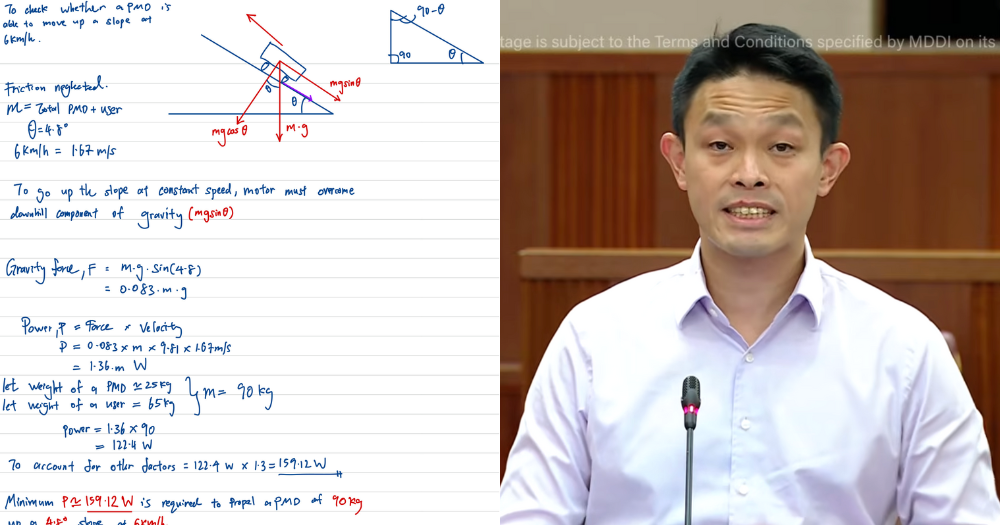

 Jurong East–Bukit Batok GRC MP David Hoe relied on his former experience as an educator to raise residents' concerns about the newly introduced six km/h speed limit for personal mobility aids (PMA) from Jun. 1.
Speaking in Parliament on Feb. 4, Hoe backed the Land Transport and Related Matters Bill, raised on Feb. 3, by highlighting personal anecdotes on the concerns he has heard on the ground about the use of PMAs.
The Bill also introduces several new regulations, including reducing the PMA speed limit from 10km/h to six km/h, requiring relevant users to be certified to operate mobility scooters, and mandating the registration of mobility scooters.
Concerns on speed limit
However, Hoe also highlighted concerns some residents have about the new speed limit.
He cited an exchange with one such resident, who feared that travelling at six km/h upslope would cause the PMA to roll backwards, given the slow speed.
"From a layman perspective, as she was sharing that during my house visit, I could [understand] why she raised this concern because it is quite easy to conflate two concepts, power and velocity together," he said.
The concern was raised with his team of volunteers, who sat down to break down the concept using a free-body diagram, he added.
Hoe, formerly a teacher at Eunoia Junior College, then provided a theoretical explanation of the "simplified" physics and engineering model behind the volunteers' discussion.
"The motor of the mobility vehicle must be able to overcome the downhill component gravity of mg sine theta.
Our backward envelope calculation suggests that for a 90 kg system on a typical 4.8 degree ramp, 158 watts is needed to maintain at six km/h."
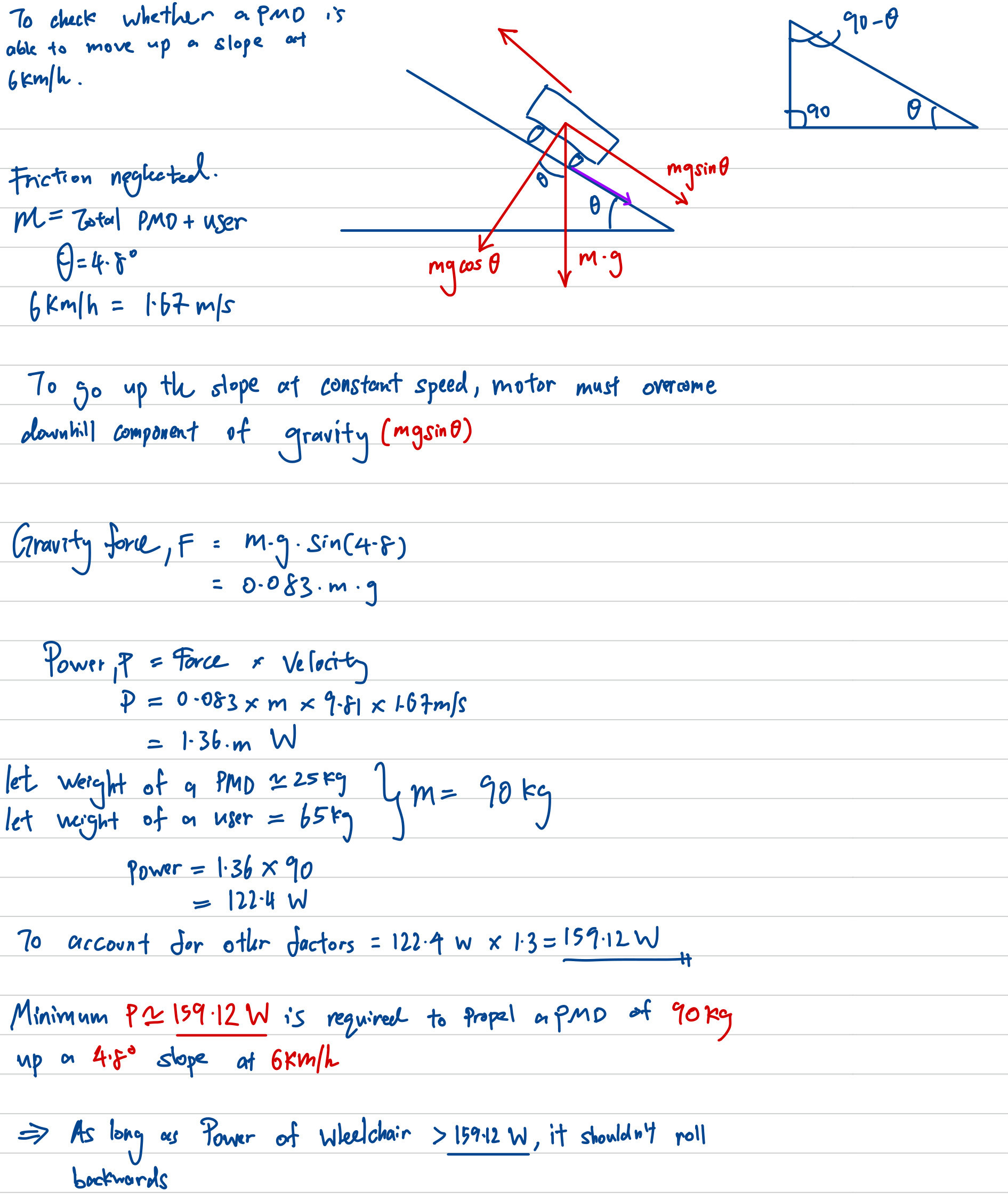 Image via David Hoe
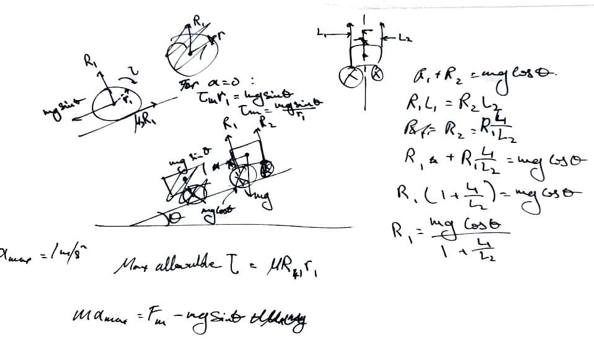 Image via David Hoe
However, he said the point was not academic precision but public perception.
"For many users, this fear is real. Will I roll backwards at a slower speed?" he said, adding that the Land Transport Authority (LTA) could assuage such fears through public communication.
Concerns on stigmatisation
Hoe also raised a concern that under the new rules, genuine users of PMA may be unfairly judged or confronted because they "don't look disabled".
Minister of State for Transport Baey Yam Keng, who had read the Bill in Parliament, said on Feb. 3 that while the regulations are not meant to inconvenience genuine users, enforcement officers will focus on checking the certification of "visibly able-bodied individuals" who may have misused mobility scooters.
This move has been highlighted by disability advocates, Hoe said, "and rightly so, because disability comes in many forms".
He urged for LTA to be clear in communicating that their intent is to prevent unsafe misuse, not to encourage policing by the public.
"If the new regulatory regime is perceived as one that's making daily living more difficult, more stigmatising, more uncertain, then compliance would be a lot harder."
Top images via David Hoe & MDDI/YouTube