News

Marine Terrace resident hears screams regularly 3 times a day, neighbours say it’s nothing new
Nothing nefarious.
December 11, 2025, 07:10 PM
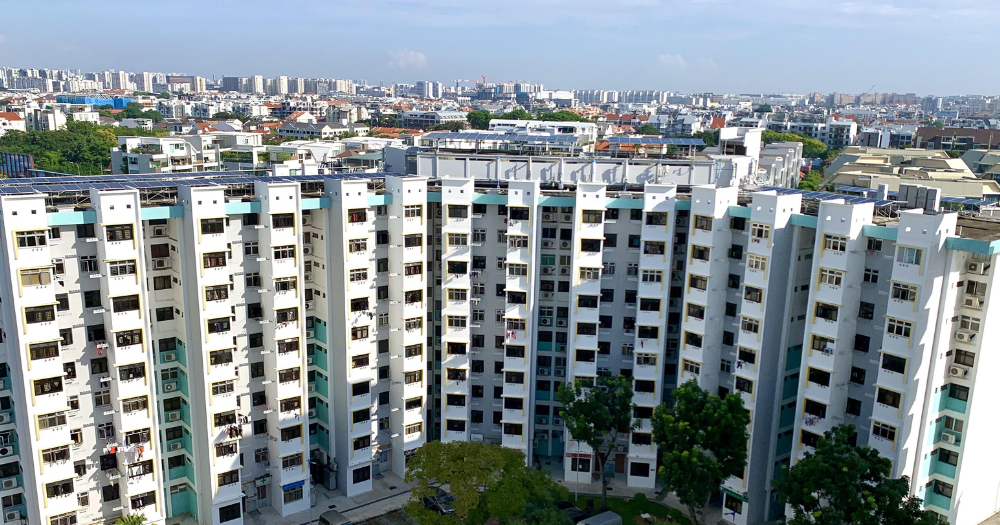


On Oct. 29, a new resident at Marine Terrace estate wrote to Mothership, sharing about unusual wails that could be heard from their flat.
He made two recordings, and in each, the blood-curdling sounds were almost rhythmic — sharp shrills echoing at regular intervals before eventually dulling.
According to the resident, the wails have occurred almost daily and at very specific times of the day: 6am, 5pm and 10pm.
Occasionally, the resident wrote, it would happen back-to-back.
In a world rife with AI-generated videos, I was inclined to casually dismiss the recordings, but the specifics were too uncanny.
So, I headed down to the neighbourhood as a sceptic.
Turns out, there was way more than meets the eye or, in this case, ear.
4:43pm
At 4:43pm on Oct. 30, I arrived and found a spot at the highest floor of one of the blocks, where I could observe as much of the neighbourhood as I could.
Revving vehicles, crying crows and the boisterous cheers of young children during outdoor playtime all added to the soundscape of the bustling neighbourhood.
At one point, the blare of a ship's horn rang out and drowned out all other noise.
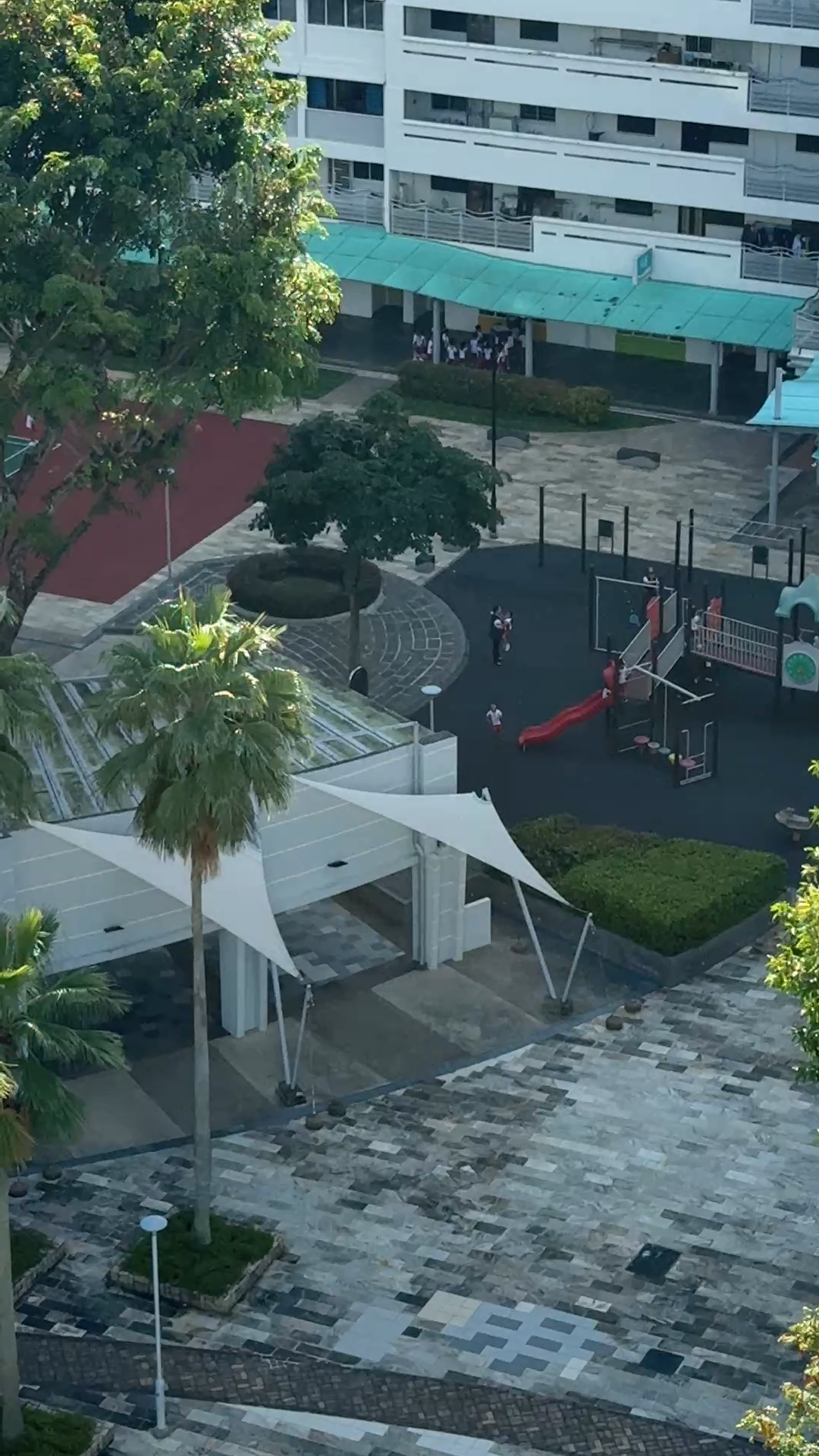 Photo via Mothership.
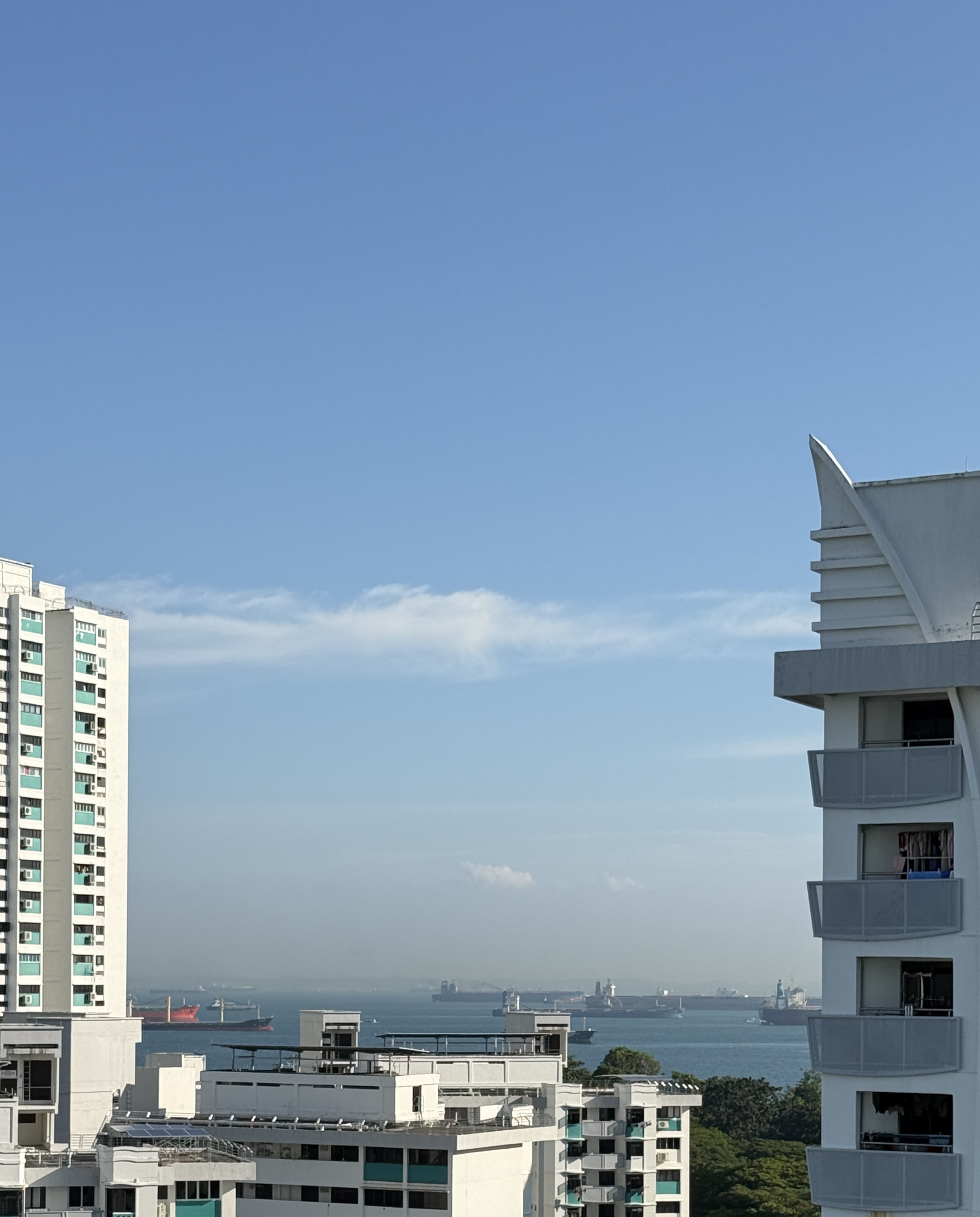 Photo via Mothership
There was nothing to suggest that anything unusual could happen, much less in broad daylight.
With growing scepticism, I texted a colleague and made light of the whole shebang.
4:59pm
Then, at 4:59pm, the unimaginable happened.
A loud shouting punctured the monotony of the scene, and for a moment it was like the neighbourhood fell silent.
These were the same blood-curdling shouts I heard in the resident's recording.
Doing my best to still myself from shock, I frantically looked around to try to locate its source.
Silence, and the familiar sounds of neighbourhood activity briefly returned.
It was quickly interrupted by another bout of shouting. Then, another bout.
With each bout, the shouting got closer.
And that was when I noticed a man crouched on the ground.
I went with my gut, focused on him and before I knew it, the shouting was heard again.
This time, they were in perfect sync with the man’s heaves. Each breath he took was followed by a crescendo-ing cry.
A Singapore Civil Defence Force (SCDF) officer later emerged to comfort the man, but he upped and left, as if nothing happened.
In fact, the entire neighbourhood went on about their day as if nothing was amiss.
Nobody jumped, nobody ran and nobody stepped out of their homes to investigate.
Compassion
I went knocking on doors to find out what was going on.
And the more doors I knocked, the more it became clear why none had flinched.
One resident, who wanted to be known only as A, said he has been living in the area for at least 20 years.
He confirmed that the screaming was an almost daily affair and something he and his family had gotten used to.
It would happen in the mornings and, sometimes, as late as midnight.
The shouting man, A said, has special needs.
An elderly man at the nearby senior citizens’ corner told me the same, saying that most people in the neighbourhood treated the matter with compassion as they understood that the man was “unwell”.
“It’s not something the family wished upon themselves,” he said.
The SCDF officer was careful not to divulge too much, recognising the sensitivity of the issue, but shared just enough to elicit empathy.
She similarly pointed out that the man had an intellectual disability, and that the occurrence was nothing new to them.
The man, she told me, would be accompanied by his father, who could be seen lingering nearby in several of the videos I recorded.
The two would go out on strolls around the neighbourhood, which is when the man might be heard shouting.
An estate caretaker, who has been overseeing the area for about 12 years, revealed that the man also lives with his mother.
Grace
Several weeks later, I returned to the estate and managed to make the acquaintance of the man’s father.
Being protective of his family, he declined to be interviewed, asking for others to “show your throne of grace”.
A neighbour, Nick, helped shed some light on their plight, sharing that their three-generational family of five lived in a single household and was supported by a sole breadwinner.
Apart from the shouting, the man may sometimes take rides up and down the lift, frustrating some residents.
The police would sometimes call on the family after receiving complaints.
“There are some people who cannot understand,” Nick commented.
I learned that, in one instance, a shopkeeper had asked the father to take the man elsewhere as they “had a business to run”.
Some residents would also turn hostile towards the man.
Nick admitted to me that this would sometimes test the neighbours’ limits, despite them doing their best to be understanding.
Understanding
Tan Si Yin, Acting Practice Lead (Social Work) at social service agency Minds, explained that persons with intellectual disabilities may become frustrated and stressed in several situations.
This can occur when they are:
- Struggling to communicate their needs or emotions,
- Have difficulty coping with sensory overload in environments that are loud, brightly lit, or crowded,
- Experience physical discomfort or unmet needs such as pain, illness, hunger or fatigue, or
- Experience unexpected changes in routine.
“These factors, combined with difficulties in emotional regulation, such as anxiety, feeling upset, or being overstimulated, can leave them unsure of how to cope, leading them to express their discomfort through behaviours like shouting,” Tan continued.
Outbursts like these may be observable, as is the case in Marine Terrace.
What’s unseen and thus, less recognisable, is the strain on caregivers like the man’s father.
Caregivers of persons with intellectual disabilities may experience “caregiving burnout” due to unpredictable behaviours of the individuals they support, Tan pointed out.
More pertinently, social isolation and stigma are common.
“Others may perceive that caregivers are not managing these behaviours effectively, which can lead to feelings of shame,” she said.
To add on to the caregivers’ stresses, navigating the maze of appropriate services for those they care for can be “complex and overwhelming”.
“These struggles are compounded by limited respite opportunities and a lack of strong support networks, making the caregiving role both emotionally and physically demanding,” she told me.
Tan advised members of the public to remain calm and avoid responding with aggression when encountering such incidents.
She added that it’s important to give the person with intellectual disability space and take time to observe their behaviours before acting.
“If possible, look around to see if a caregiver is nearby who can provide support,” she suggested.
“Once the individual has calmed down, approach them gently, speak slowly, and ask if they need help,” the practitioner advised.
If the situation escalates and safety becomes a concern, contacting the police may be necessary.
Members of the public should treat the person as someone experiencing distress rather than a disturbance.
This means avoiding staring, pointing, or taking photos or videos.
Getting by
So, the shouting turned out to be nothing nefarious, but a father trying his utmost best to protect and take care of his son.
As I sat there, sandwiched between the Marine Terrace flats and a condominium across the road, I found myself conflicted.
Guilty, for my initial excitement, and heavy with empathy for the man and his family.
Upset, too, at the unkindness they had received in some instances, but also sympathetic to their fellow residents.
Everyone is justified in feeling the way they do.
Amidst the dense urbanity of Singapore, a safe and personal space, and peace, is precious.
This is as true in Marine Terrace as it is in other neighbourhoods.
And amidst the rumbling cars, crying birds, laughing children, blaring horns and general cacophony of life, everyone is just trying to get by.
Top image via streetdirectory.com