Environment

Geminid meteor shower can be seen in S'pore skies on Dec. 13-14, Ursid meteor shower on Dec. 21-22
Light up the sky.
December 05, 2025, 05:03 PM


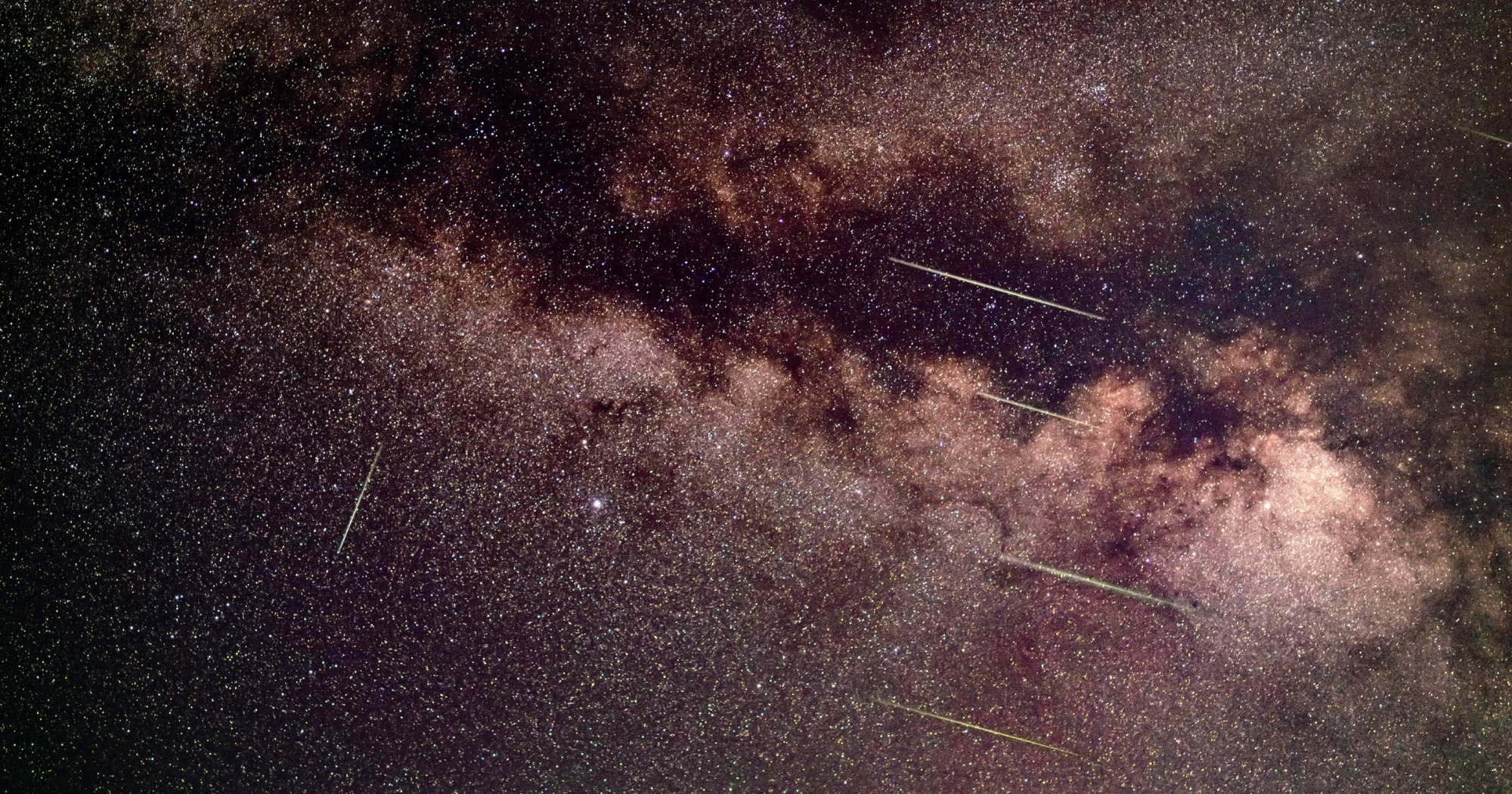
The Geminid meteor shower, which is considered one of the best and most reliable annual meteor showers of the year, will peak on Dec. 13 to Dec. 14, 2025.
The shower will see up to 120 meteors per hour lighting up Singapore's night skies.
No special equipment is needed to view the meteors, according to The Observatory at Science Centre Singapore.
How to view
The Geminid meteor shower will be active from now till Dec. 20, and is best viewed during its peak from Dec. 13 to 14, around 12am.
This is because the radiant point of the meteor shower is higher in the night sky which offers observers a better chance to spot a meteor.
Observers should seek darker locations with a clear, unobstructed view of the sky.
This includes parks, beaches, reservoirs, or open spaces away from city lights.
Doing so can allow observers to avoid Singapore's light pollution.
It is also a good idea to check the weather forecast for clear skies, as cloud cover can obstruct views of the meteors.
Unique
The Geminids are unique as they originate from the asteroid 3200 Phaethon.
This is unlike most meteor showers that come from comets.
Meteors are formed when rocks enter the Earth's atmosphere at high speed, causing the gases around them to glow and burn up.
When multiple meteors emerge from a single point in the night sky — typically, when the Earth travels through a cloud of interplanetary debris left behind from a comet or asteroid — they are called "meteor showers".
Since Earth goes through the same debris trails every year in its orbit around the sun, these meteor showers are an annual affair that can be predicted.
Another shower
The Geminid meteor shower is not the only meteor shower expected to light up Singapore's skies in December 2025.
The Ursid meteor shower is a smaller, "low-key" meteor shower expected to peak on the nights of Dec. 21 and 22.
Observers may see five to 10 meteors per hour in the late morning, though occasional bursts may produce more.
The best viewing time is in the pre-dawn hours in dark, open areas.
No special equipment is required.
Top photo via Canva