Branded
Meet the everyday S’poreans who aren’t healthcare workers, but help S’pore’s healthcare system stay crisis-ready
Not “why?”, but “why not?”
If someone were to ask me to be a healthcare volunteer, my instinctive reply would probably be, “Me? I probably can’t help much, I’m not even first-aid certified.”
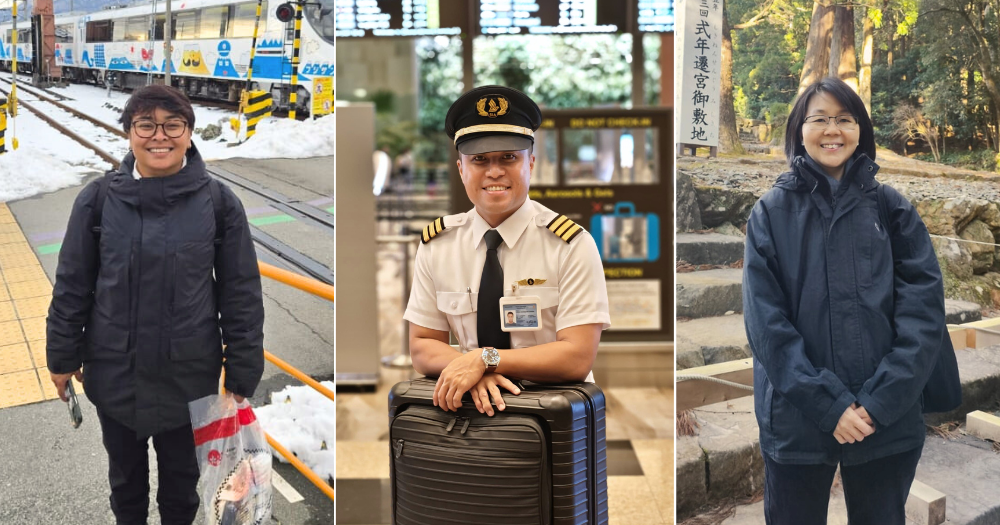
But after speaking with three volunteers from the Healthcare Reserve Force (HRF), I quickly realised something: You don’t need any prior healthcare experience, just the willingness to step forward and help strengthen Singapore’s crisis response will do.
For them, becoming a HRF volunteer wasn’t just about stepping up during emergencies, but also a way to give back to society.
From cockpit to crisis operations
For 46-year-old Damien Wang, a Singapore Airlines (SIA) pilot, joining the HRF as a volunteer was a natural continuation of the meaningful work he first experienced during the Covid-19 pandemic.
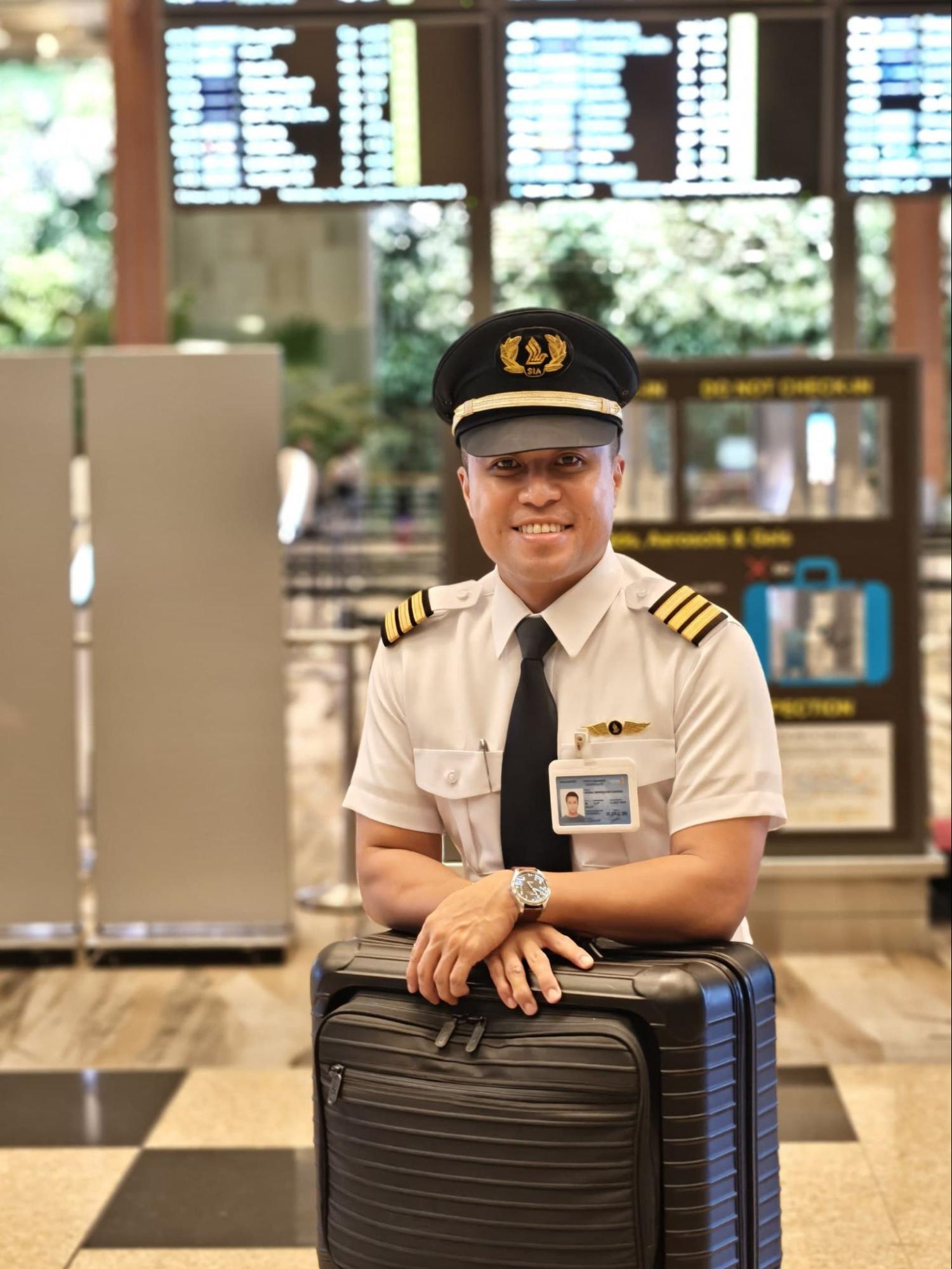 Photo courtesy of Damien Wang
At that time, when the airline wasn’t seeing much air travel, Wang supported the quarantine operations and later helped to set up the call centre.
It was a completely different world from aviation — one that pushed him to learn new systems, adapt quickly, and work alongside teams with diverse backgrounds.
Wang signed up as a HRF volunteer without hesitation and was assigned as a contact centre officer. He felt that the HRF offers similar experiences, exposure, and growth that he experienced in his previous roles.
He also shared that one of the highlights of returning to HRF was reconnecting with familiar faces during training.
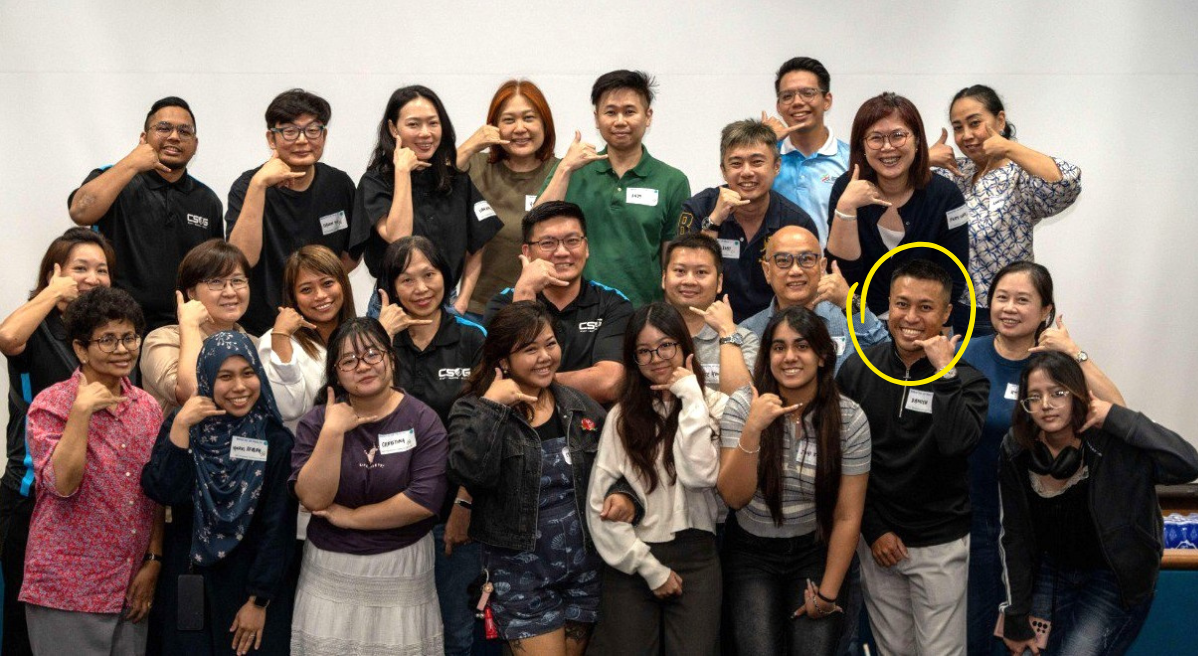 Photo courtesy of MOH
Rekindling those relationships reminded him of the camaraderie and shared purpose that first made volunteering meaningful for him too.
Giving back to society, preparing for the next pandemic
Like Wang, 36-year-old Khairunnisa Binte Mohamed Zailani also found herself supporting crisis-response operations – swab and quarantine operations call centre, helping people who tested positive and needed isolation arrangements during the pandemic.
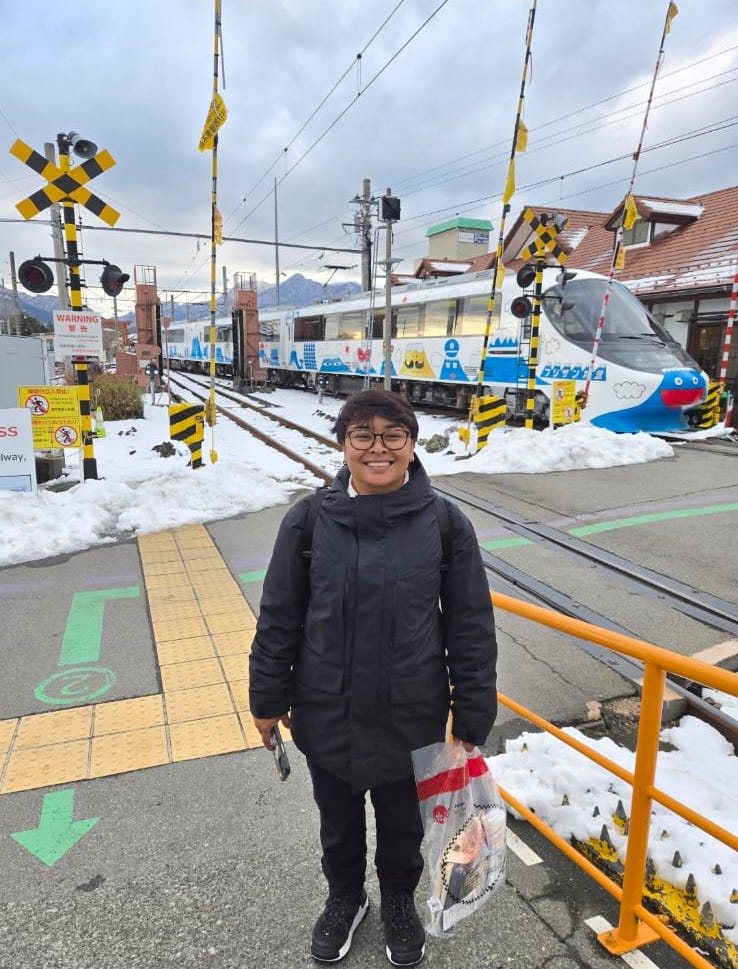 Photo courtesy of Khairunnisa Binte Mohamed Zailani
When Singapore shifted back to normalcy, she took up a role at an active ageing centre, where her supervisor first introduced her to the HRF.
“I didn’t even know it existed since Covid-19 was over,” she remarked, adding that she didn’t think there was still a need for such an initiative to prepare for future healthcare crises.
She applied, simply because she still wanted to “contribute to society”.
Today, Khairunnisa volunteers as a vaccination operations officer, assuming the role of a field agent to act as a liaison between the Ministry of Health (MOH) and various medical service providers.
Her recent HRF training has equipped her with a clear understanding of vaccination centres' workflows, protocols, including a visit to an actual vaccination centre, which provided her with valuable insights she wouldn’t have gained elsewhere.
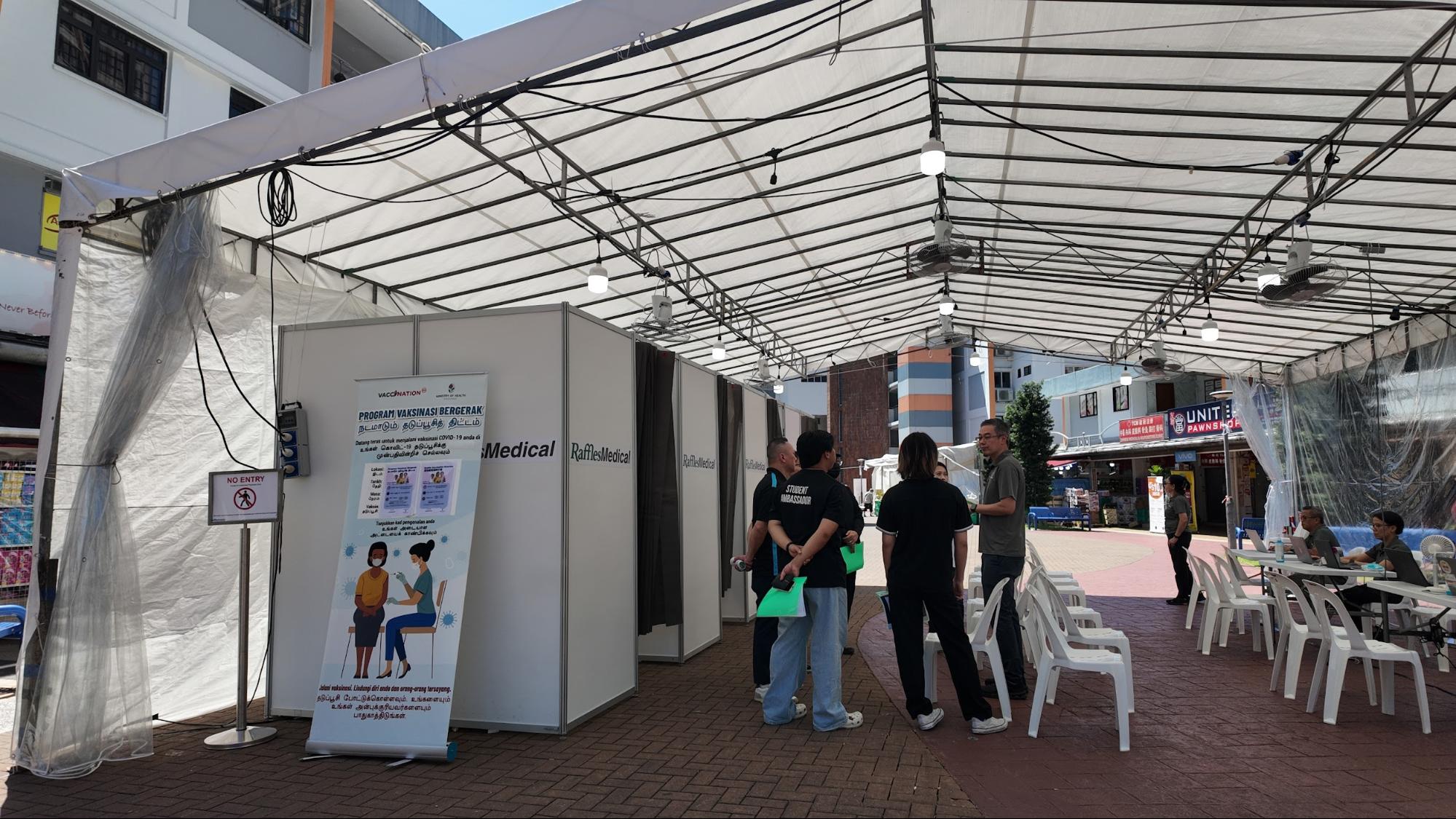 Photo courtesy of MOH
Serving the public and keeping it professional even in difficult circumstances
With her children already grown up, 42-year-old Wong Yunyi was seeking something more meaningful beyond work and family.
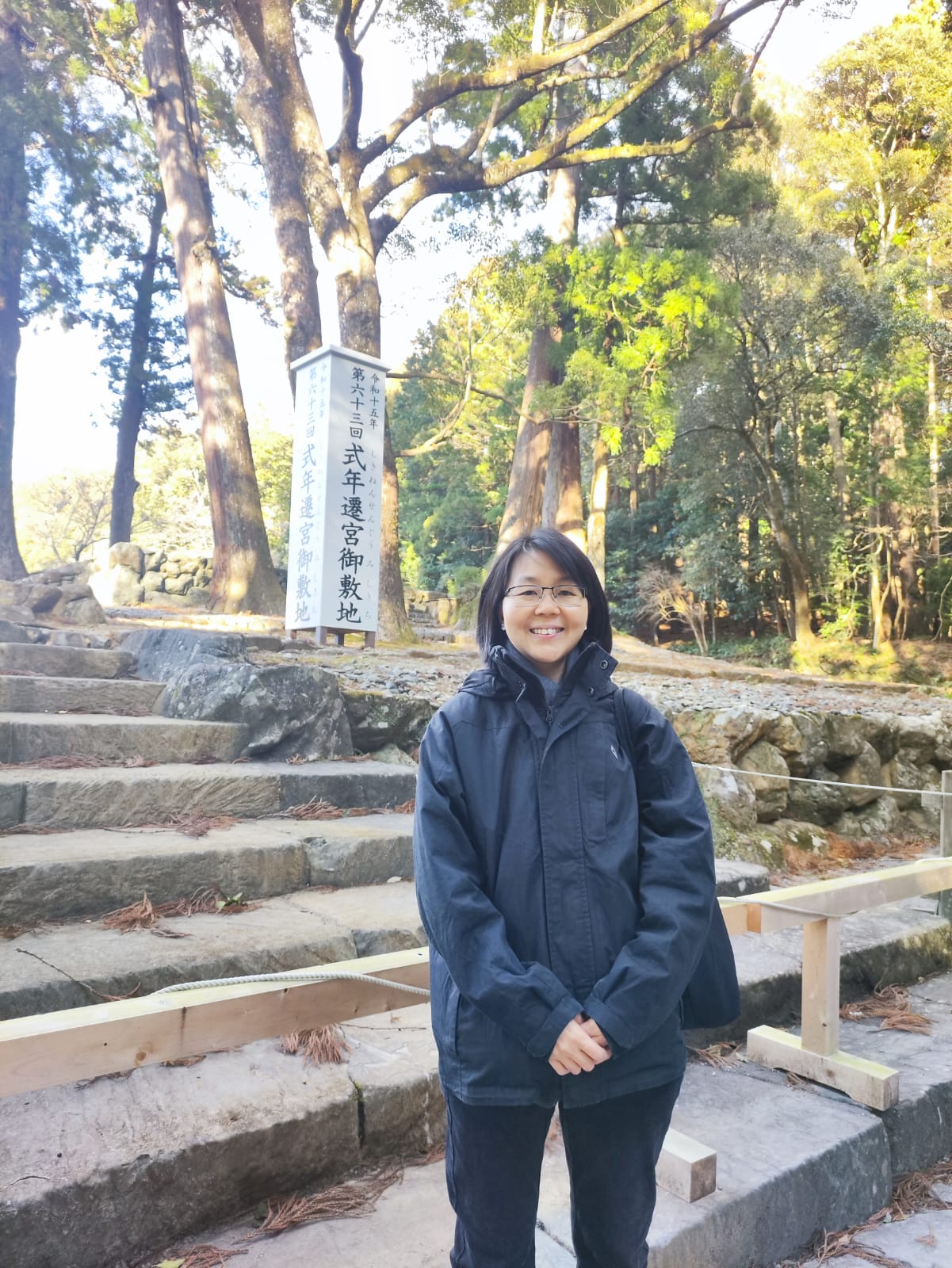 Photo courtesy of Wong Yunyi
“I was already searching for volunteer opportunities. When I saw the post by Health Minister Ong Ye Kung about HRF in February 2025, I decided to apply for it,” she said.
Her training began with a briefing by the MOH team, which provided her with an understanding of how the HRF works and a chance to meet fellow volunteers like Khairunnisa.
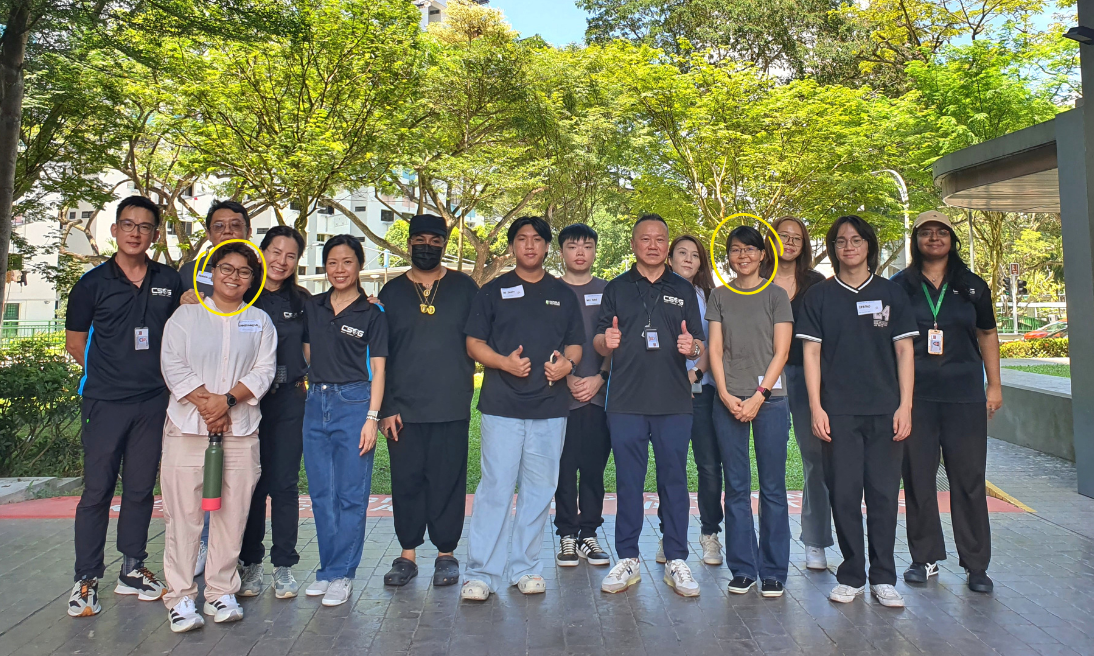 Khairunnisa (L) and Yunyi (R) attending the on-site session together with other HRF volunteers. Photo courtesy of MOH.
But it was the on-site session at a vaccination centre that left a deep impression on Wong.
“Although the location was really hot that day and everybody was sweating under a tentage, they remained very professional while serving members of the public. I thought that was really something very meaningful,” she said.
Beyond the dedication she observed, Wong was also surprised by the level of detail that goes into running a vaccination centre. She remarked how vaccination centres have to adapt their layout to match the location and human traffic that they experience.
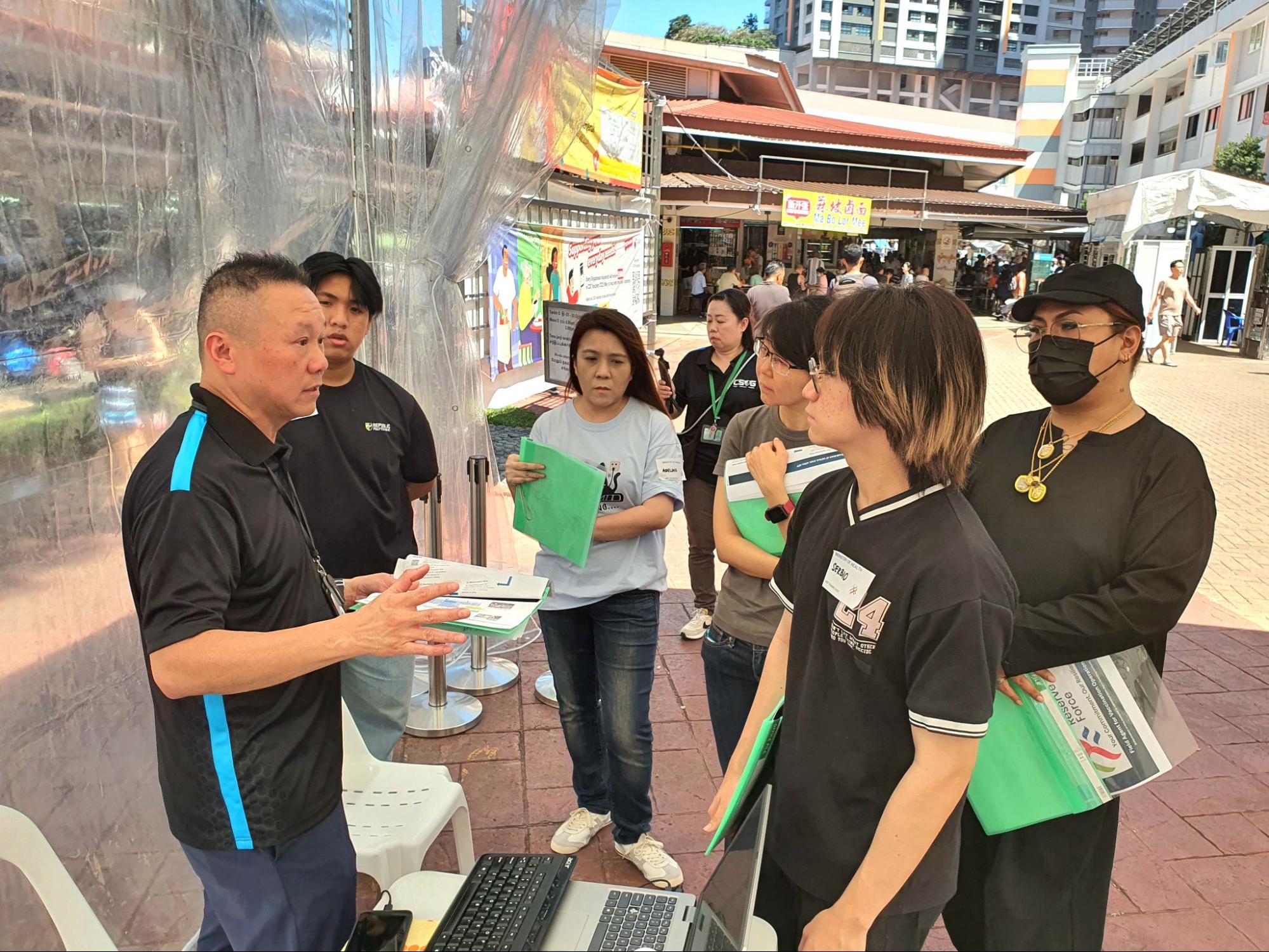 Photo courtesy of MOH
Wong currently works at the Professional & Adult Continuing Education Academy of Singapore Polytechnic, and said she found the skills she used at work to be highly transferable for her volunteering.
She realised that as a volunteer in a vaccination operations centre, having sympathy, communicating clearly, and needing to think on your feet are similar to managing adult learners in her workplace.
It takes hard work and dedication to keep the system running
After speaking to all three of them, one thing stands out: Singapore’s healthcare resilience depends not only on professionals but also on the many volunteers who step forward to strengthen our national preparedness.
Through the HRF, these hands are trained, supported, and ready to contribute when crises arise.
The HRF trains volunteers in non-clinical and non-front-facing operational roles so that during a healthcare crisis, they are able to effectively support and reinforce MOH operations.
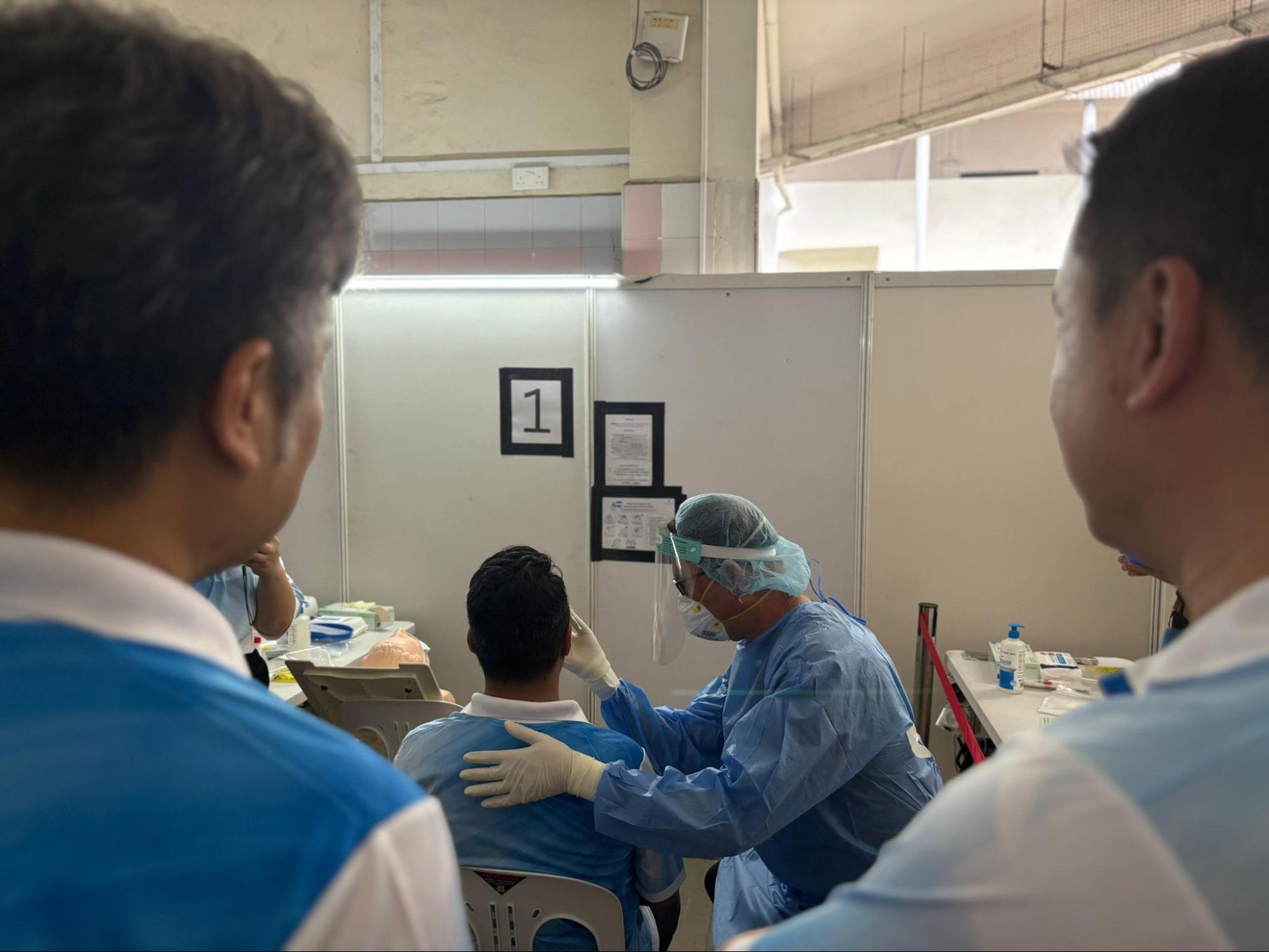 Photo courtesy of MOH
Or as Wang puts it, “In a crisis, you need a lot of people, and you need them fast. HRF fills that gap.”
Would they encourage others to join? All of them said yes in a heartbeat.
Perhaps, what makes the HRF special is how volunteers come from everywhere but come together to do their part for something bigger.
On Nov. 25, MOH and the National Volunteer & Philanthropy Centre (NVPC) signed a Memorandum of Understanding (MOU) to leverage NVPC's extensive networks to reach even more potential volunteers through corporate partnerships.
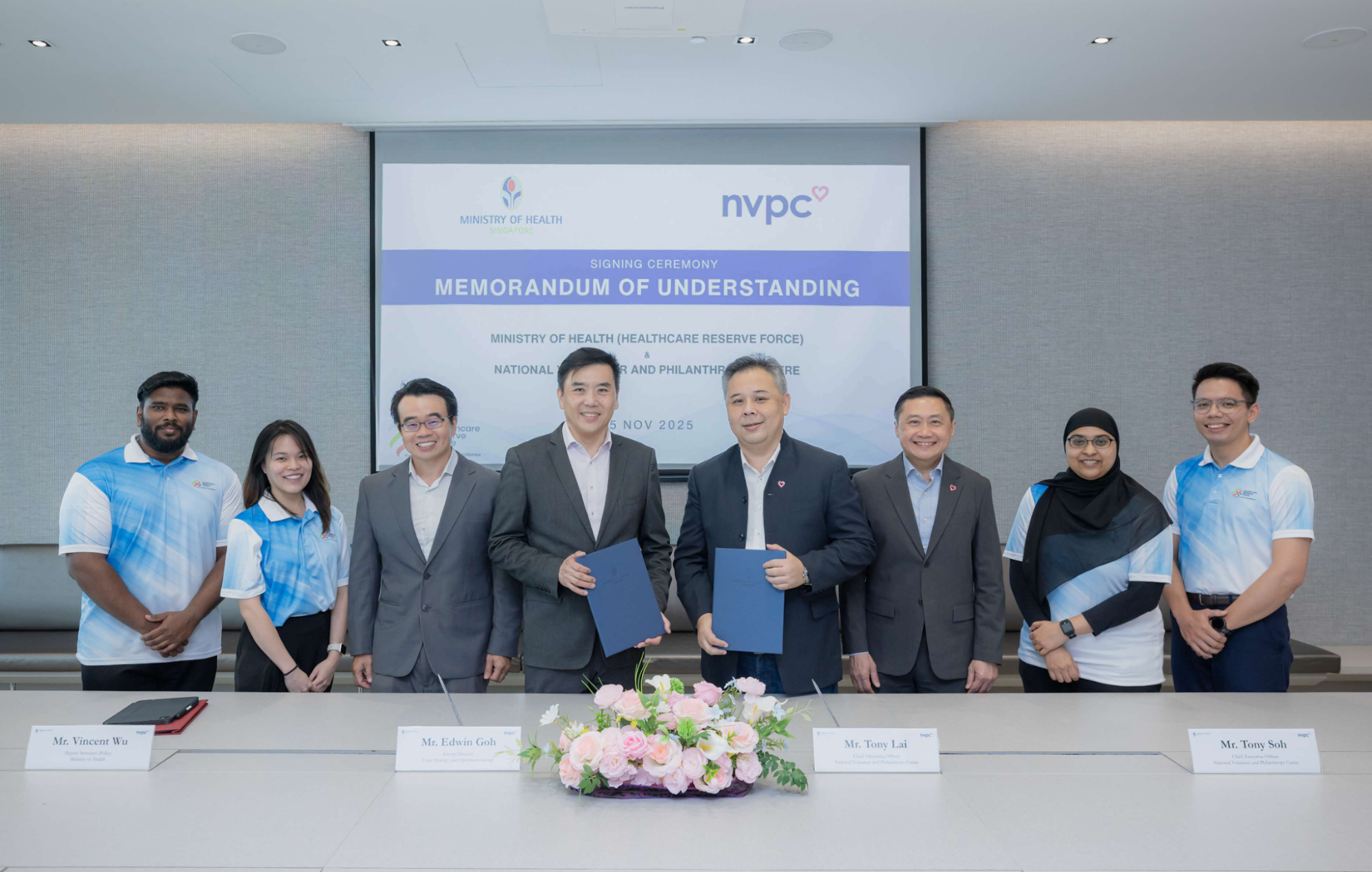 Photo courtesy of the National Volunteer and Philanthropy Centre
For volunteers like Wang, Khairunnisa, and Wong, and many others stepping forward, this partnership represents new pathways for ordinary Singaporeans to contribute meaningfully to our nation's healthcare resilience.
This MOH-branded article made the writer realise that it really takes a kampung to raise a child. (That child is Singapore, in case that wasn’t clear.)
Photos via MOH, and courtesy of Damien Wang, Khairunnisa Binte Mohamed Zailani, and Wong Yunyi.