News

New govt agency will let victims of online harms take legal action against perpetrator: Josephine Teo
Victims will also have a means to identify the perpetrator who caused the harm, if they choose to.
November 05, 2025, 04:19 PM


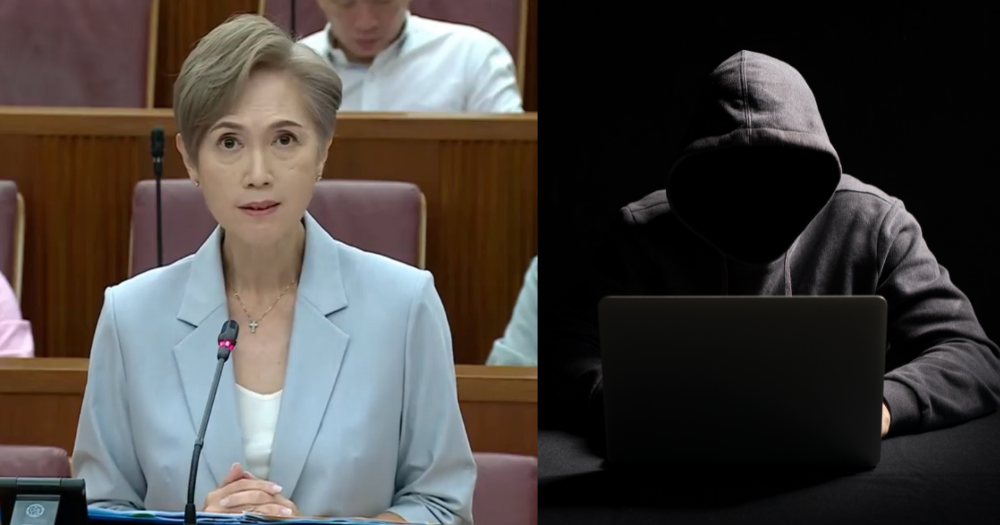
Singapore will introduce legislation to give victims of online harms an avenue of timely, effective, and accessible redress, the Minister for Digital Development and Information Josephine Teo said in Parliament on Nov. 5.
Teo led the parliamentary discussion over the new Online Safety (Relief and Accountability) (OSRA) Bill, which was previously proposed in Parliament on Oct. 15.
The bill aims to protect victims of online harms in three ways, first by establishing a new agency, the Online Safety Commission (OSC), which will be empowered to issue directions to online platforms, administrators, and communicators to act quickly on the harmful content.
The OSC will start with the most prevalent and severe online harms, and deal with others progressively.
Additionally, victims will have a means to identify the perpetrator, and based on statutory torts, be able to take legal action against those responsible for causing or continuing the online harm.
Difficulties in taking action
A 2025 study by the Ministry of Digital Development and Information (MDDI) revealed that more than four in five people in Singapore had encountered harmful online content in 2024.
Many studies over the years by the government, academics, and non-government organisations also found that victims often want quick takedowns of the online harm, Teo said.
However, they face many difficulties seeking remedy and resolution.
Platforms take about five days or more to act on valid reports of online harm, while many such reports do not even receive action, Teo explained.
Victims have found court processes complex and expensive, and encounter obstacles as they are often unable to confirm who was responsible for the harm.
Identifying the perpetrator
The statutory torts introduced through the OSRA will be "a major improvement", Teo said.
They will clarify the duties that online users, administrators of groups, and platforms owe to each other.
They will also significantly reduce ambiguity about what online behaviours are considered harmful and unlawful.
Furthermore, Minister for Law Edwin Tong shared that the OSC will be empowered to obtain information to identify a user on an online platform, similar to how law enforcement agencies can do so for investigations.
Such information include the user’s name, verified phone numbers, and credit card information.
The OSC can disclose the perpetrator's identity information to a victim or to their authorised representative, if they receive an application for such information from the victim, Tong said.
This disclosure will be initially limited to enabling victims to bring their claims to court.
Eventually, Tong said, the government intends to extend it for other purposes, such as allowing victims to safeguard themselves from the perpetrators, and take proactive future measures.
Significance of OSRA
Teo highlighted that "if parliament passes OSRA, Singapore will be one of only a few countries worldwide to have an agency dedicated to helping victims of online harm".
The OSC will take a victim-centric approach, and send a signal that harms to victims inevitably become harms to society.
"Just as we would not tolerate harmful behaviours in the physical world, we also cannot allow bad behaviours to become normalised online," Teo added.
Top images from MDDI's YouTube and Canva