News

Obese people could be denied visas to the US under new Trump administration directive
Not sure who exactly is being targeted, but likely applied to visitors seeking permanent residency.
November 13, 2025, 06:52 PM
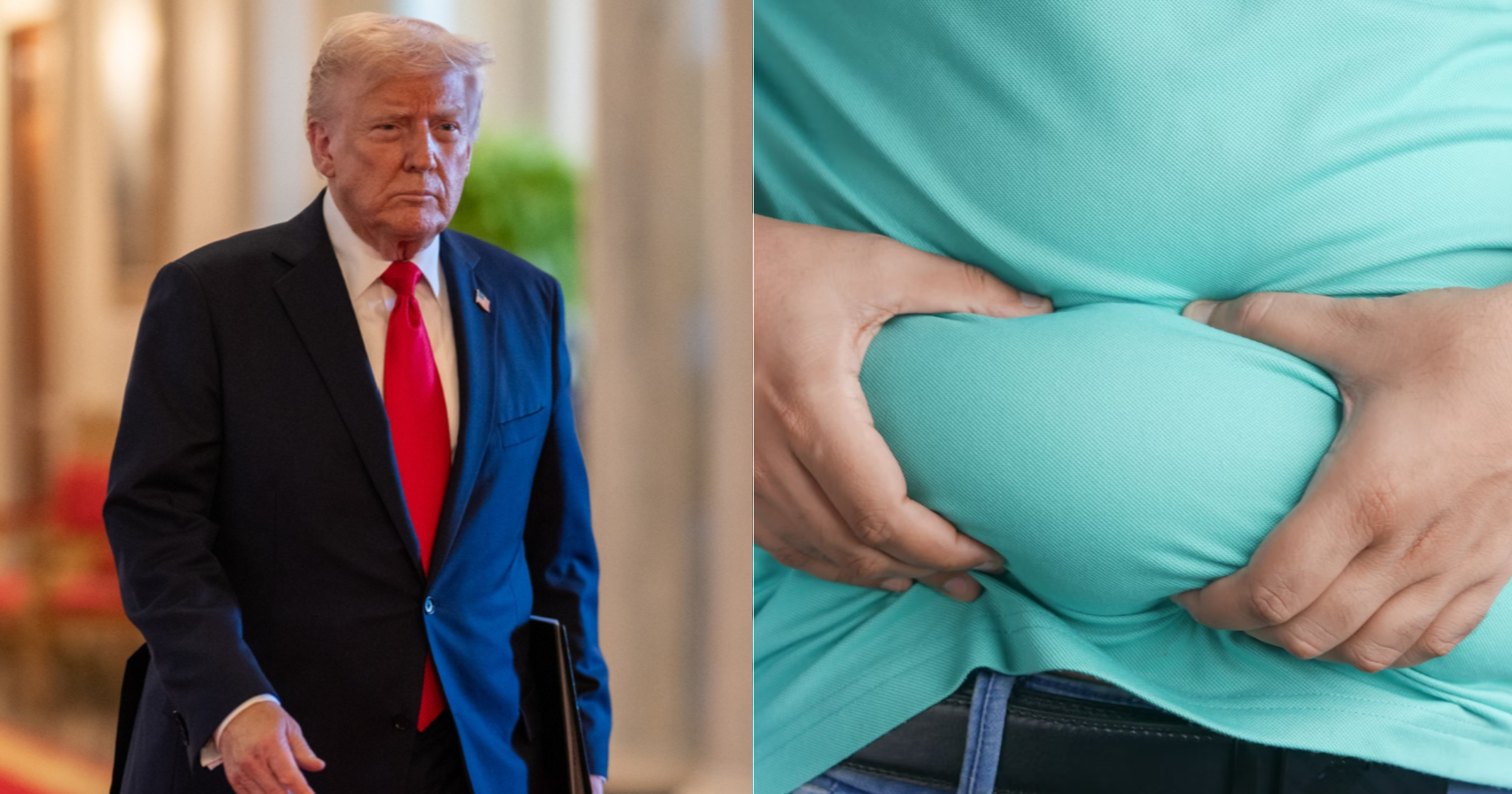


United States president Donald Trump's administration has issued a new directive banning obese foreigners from obtaining visas into the country.
The new directive sent to U.S. embassies and consulates instructs officials to consider denying visas for people who suffer from certain chronic health issues, including being overweight.
The guidelines were sent by the U.S. State Department.
Litany of conditions listed
According to KFF Health News, which claimed it reviewed a copy of the cable, conditions listed include obesity, diabetes, high blood pressure, sleep apnea, cardiovascular and respiratory diseases, cancers, and some neurological and mental-health disorders, which can require hundreds of thousands of dollars’ worth of care.
The cable also allegedly said: "Does the applicant have adequate financial resources to cover the costs of such care over his entire expected lifespan without seeking public cash assistance or long-term institutionalisation at government expense?"
"Self-sufficiency has been a long-standing principle of US immigration policy … and the public-charge ground of inadmissibility has been a part of our immigration law for more than 100 years," it continued.
Directive confirmed
Tommy Pigott, principal deputy spokesperson, confirmed the directive with Fox News Digital on Nov. 11.
"It’s no secret the Trump administration is putting the interests of the American people first," said Pigott.
"This includes enforcing policies that ensure our immigration system is not a burden on the American taxpayer."
A U.S. Customs and Border Protection spokesperson also said: “Lawful travellers have nothing to fear from these measures, which are designed to protect our nation's security."
It added: "However, those intending to enter the U.S. with fraudulent purposes or malicious intent are offered the following advice: Don’t even try. If statutes or visa terms are violated, travellers may be subject to detention and removal. A visa is a privilege, not a right, and only those who respect our laws and follow the proper procedures will be welcomed.”
Applicants must show they have coverage
Applicants have to prove they have coverage.
Officers are instructed to conduct a "comprehensive and thorough vetting" of each case and to assess "the totality of the applicant’s circumstances" before issuing any visa.
An applicant may be a strong candidate for visa refusal if he is uninsured and unable to show he can cover potential medical costs, like those associated with a chronic condition.
Who is it targeting?
According to Charles Wheeler, a senior attorney for the Catholic Legal Immigration Network, the guidelines are likely only to be applied to visitors seeking permanent residency.
However, Wheeler also told KFF Health News that there are concerns over the guidance ordering visa officers to determine whether an applicant’s health problems could cause them to seek government assistance.
He said: “That’s troubling because they’re not medically trained, they have no experience in this area, and they shouldn’t be making projections based on their own personal knowledge or bias.”
Non-citizen immigrants more likely to be uninsured
Non-citizen immigrants are significantly more likely to be uninsured compared to U.S. citizens, according to the Kaiser Family Foundation (KFF).
In 2023, about one in five lawfully present immigrant adults were uninsured, according to KFF.
Top photos via White House & Unsplash