




Abroad

New kid on the bloc: a quick guide to Asean's newest member Timor-Leste
One of the top 11 countries in Asean.
October 26, 2025, 03:42 PM
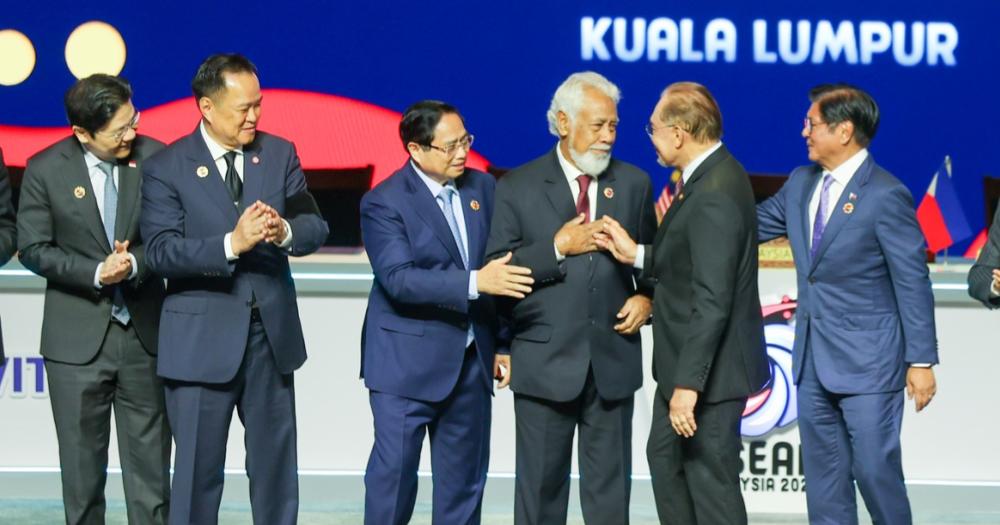

 Timor-Leste is Asean’s newest member.
By population, Southeast Asia’s smallest nation first applied for membership in 2011 and has overcome doubts and hurdles to join the regional bloc.
Here are some facts about Timor-Leste to introduce you to Asean’s newest member:
It's the most "East" country in Asean
Nope, it's not a typo; it's not the easternmost country. Parts of Indonesia are further east than Timor-Leste.
The country was previously known as East Timor, and as any Malay speaker will know, Timor means East in Malay.
After formal independence in 2002, it changed its name to Timor-Leste, and Leste means East in Portuguese, Portugal being the former colonial ruler of the country.
But it gets even Easter than that, because in Tetun, one of Timor-Leste’s official languages, the country is named Timór Lorosa'e, and Lorosa'e means “where the sun rises”, which is East by another name.
That’s a lot of East in one name.
It’s Southeast Asia’s most* democratic nation (*sort of)
In a region which has long endured criticism of various nations' democratic practices, Timor-Leste is a rarity.
Timor-Leste scored a 72 out of 100 on Freedom House’s 2025 index, beating the next closest Asean country, the Philippines, which scored 58.
It is also the only Southeast Asian country rated “free”, as opposed to Malaysia, Indonesia, the Philippines, and Singapore, which are rated “Partly free”.
(Freedom House is not the only report; the Economist Intelligence Unit ranks Timor-Leste second behind Malaysia, calling all of Southeast Asia “Flawed democracies”. But aren’t we all? )
As the past few years have shown, Asean’s vaunted non-intervention policy has not prevented conflicts and disagreements between members, even those that are politically similar.
How will Timor-Leste’s domestic political environment adapt to the choppier waters of Southeast Asia?
The youngest
Timor-Leste celebrates two “national days”, its formal declaration of independence on Nov. 28 (Happy preemptive national day!), and on May 20.
The second day commemorates its restoration of independence, after nearly 20 years of Indonesian occupation, which ended in 1999 but was swiftly followed by civil violence that was only quelled with the intervention of United Nations peacekeepers, achieving full independence in 2002.
One of the first countries to respond was Singapore, taking part in three UN missions to stabilise the country and transition it to independence.
Over 200 Singapore Armed Forces personnel took part in Operation Blue Heron, a contribution that Timor-Leste leaders remember to this day.
By population, Timor-Leste is one of the smallest countries in the region, at 1.4 million people, with the smallest economy in Southeast Asia, according to the Lowy Institute.
Its economy relies on its oil reserves, and the country faces high levels of unemployment, inequality, and malnutrition.
Its desire to join Asean is clear – to access markets of over 600 million people.
As its president Jose Ramos Horta told CNA earlier this year, " we would have to be really dumb and lazy if we do not benefit (from Asean integration)".
New kid on the bloc
Timor-Leste began applying for membership in Asean in 2011, but its membership was delayed due to concerns that it would not be able to meet the requirements of that membership.
The Asean summit is never a trivial event, but in some years can be even more substantial than usual.
A good way to think about this is that Malaysia in 2025 has held two major leadership summits, plus several dozen ministerial-level summits, involving thousands of delegates.
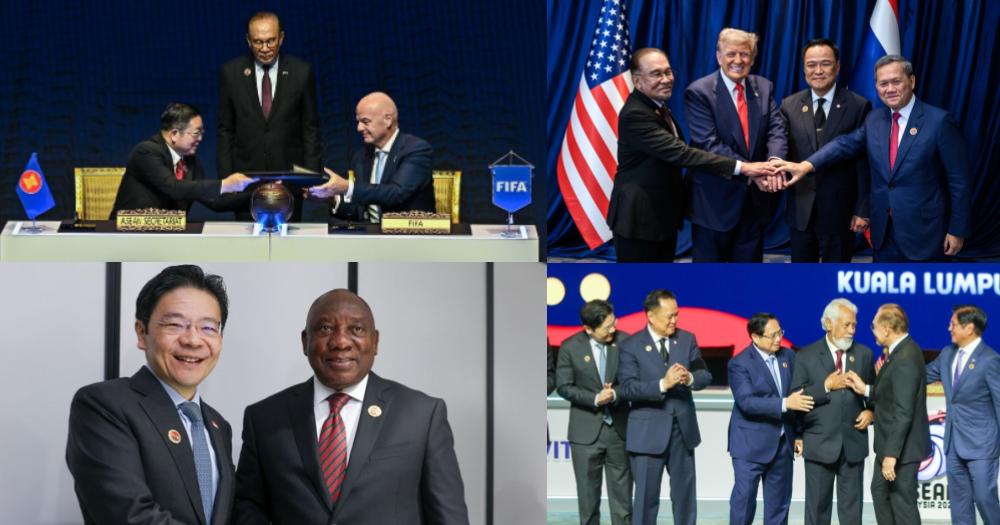
Malaysia is currently hosting a visit by United States President Donald Trump, as well as a host of other non-Asean leaders, such as newly appointed Japan PM Sanae Takaichi.
It has even shut down significant (but not all) parts of central Kuala Lumpur's roads to do so.
The chairmanship can be a boon; the 2025 chairmanship has allowed Malaysia to flex its diplomatic muscle, but it comes at substantial monetary and human resources.
Asean members are more assured Timor-Leste is capable of the demands of Asean membership, and they should be, they're the ones training them.
Asean members are contributing resources and expertise, especially Singapore, which launched the Singapore-Timor-Leste Asean Readiness Support (STARS) package in 2002 and has helped train over 1,100 Timorese civil servants in that time, in areas such as public administration, language and communication.
Top 11
But this is a celebration of new membership, a rare, happy diplomatic story in a run of years filled with grim news.
Timor-Leste has been heartily looking forward to this – an event that is probably only second to their recent visit by the late Pope Francis (The country is almost 96 per cent Roman Catholic, perhaps the most religiously homogeneous country in Asean).
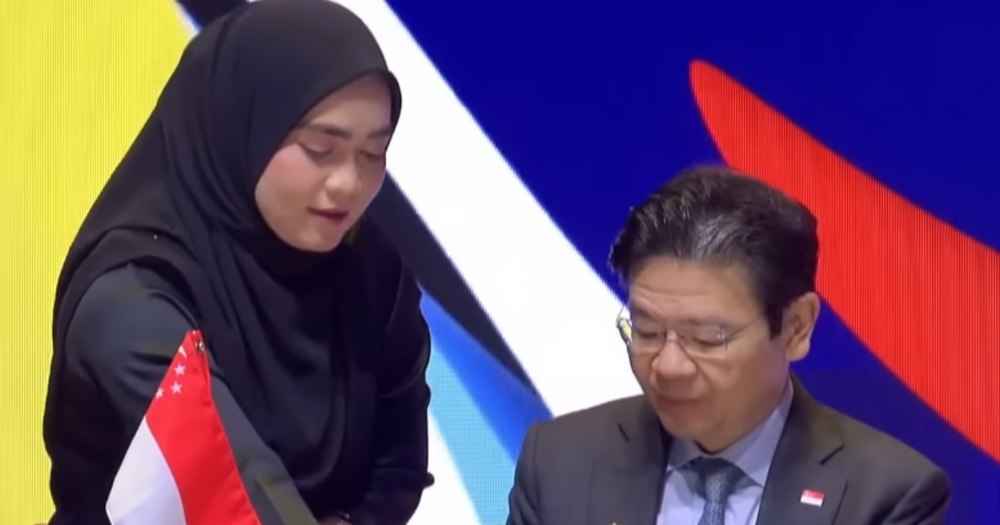
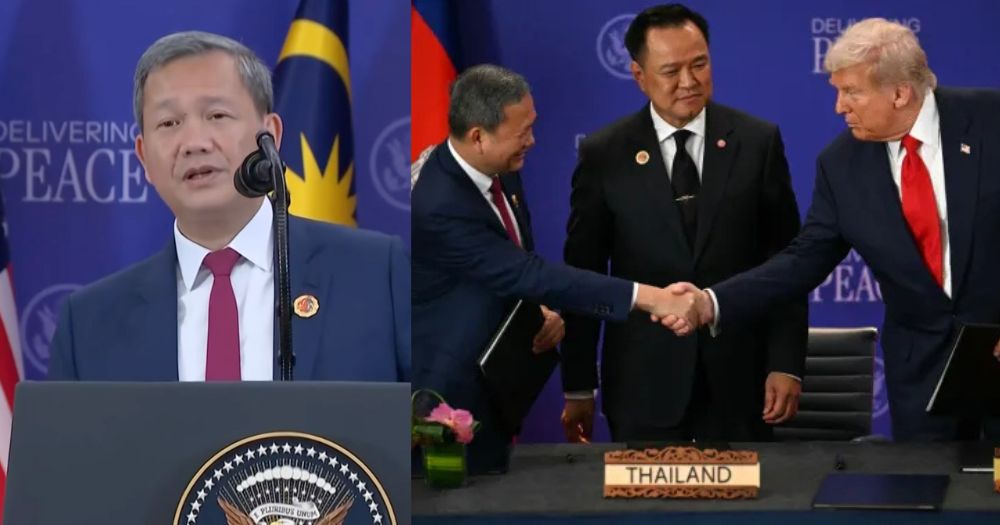
Timor-Leste diplomats were seen shedding happy tears when the moment finally came and their Prime Minister Xanana Gusmao formalised their membership. Even Gusmao paused to wipe tears from his eyes before addressing Asean's gathered leaders.
But there is one (minor downside) to all of this: until now, all members were part of the Top 10 in Asean, for everything.
Now someone has to be 11th.
Top image via Primeiro-Ministro RDTL: Kay Rala Xanana Gusmão/Facebook