News

'I remain a guarded optimist for multilateralism': Vivian Balakrishnan on the UN General Assembly
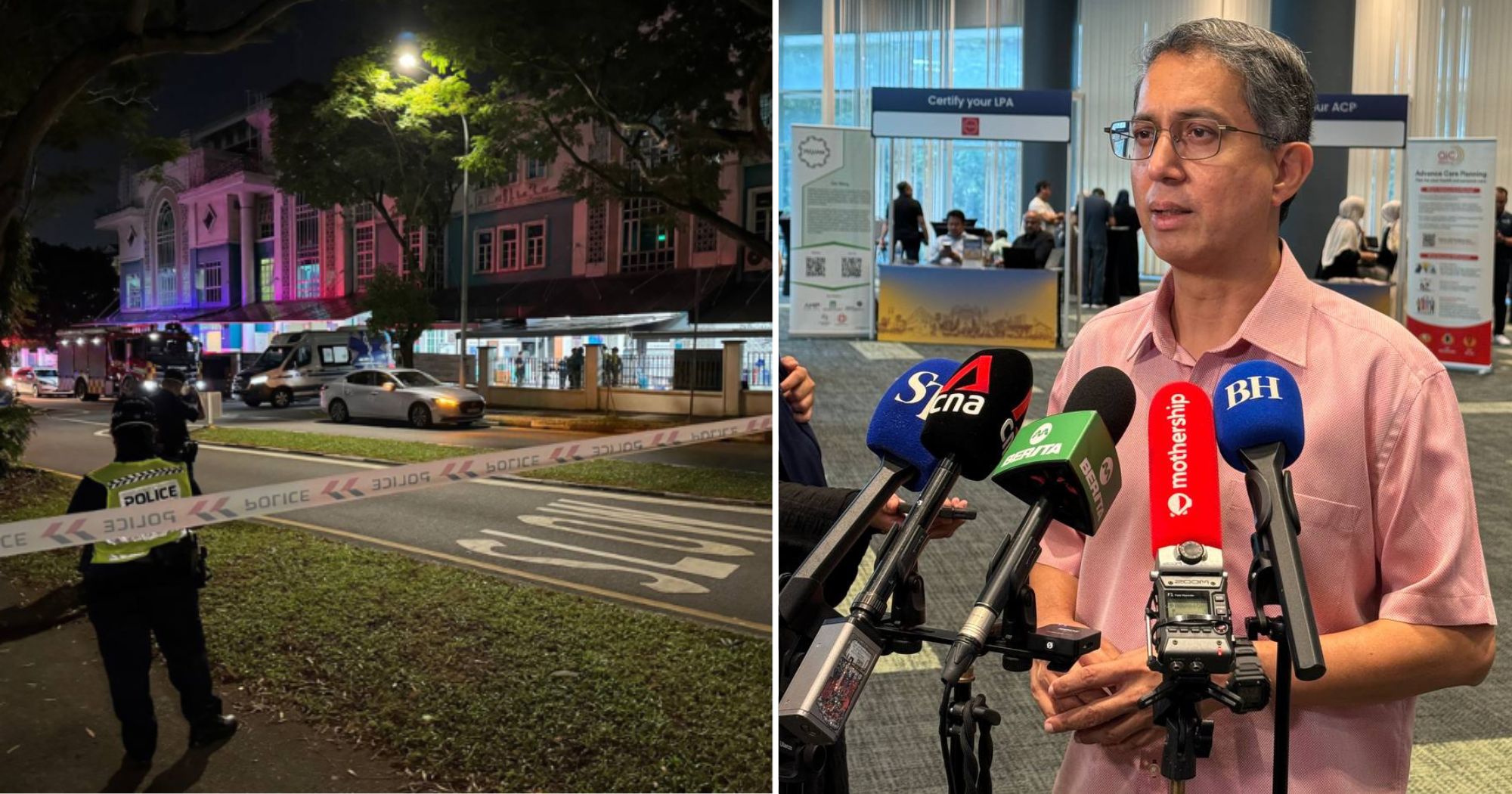
Vivian was speaking to press at the end of the UN General Assembly's High Level Week.
September 28, 2025, 11:41 AM

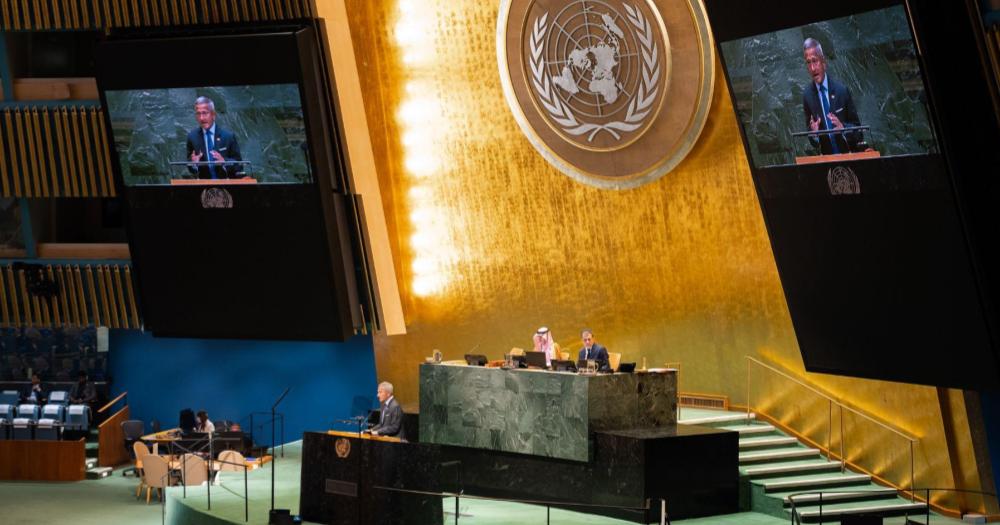
 No country, not even a sole superpower, can solve all problems on its own, Singapore’s Foreign Minister Vivian Balakrishnan told the press at the end of a nearly weeklong working visit to the United States to attend the United Nations General Assembly High Level Week in New York.
During his visit, Vivian estimated that he had at least 30 formal meetings and interacted, both formally and informally, with almost 80 ministers, as well as chairing various meetings, including that of the Global Governance Group, and the Asean Pacific Alliance Meeting.
Zeitgeist
While speaking to the press on Sep. 28 (Singapore time), Vivian emphasised the importance that the UN retains, especially to countries like Singapore.
The UN was “still the only organisation in which we get 193 countries all represented”.
He acknowledged that there was “a risk of fracture”, but that the UN was “still the only game in town”, and that it was Singapore’s duty to “lean in and to help this process of engagement”.
There was still sufficient goodwill and maturity for “some very good conversations” to be had on difficult issues.
For small states like Singapore, a dysfunctional UN would be very bad, as small states needed international law, as well as to be present at fora where their voices could be heard.
“Problems in the global commons”, such as climate change, pandemics, and Artificial Intelligence gone wrong, will disproportionately affect smaller states than larger powers.
Such small states cannot afford to “let the UN go down”, but must still be realistic about the reform the organisation needed, and take collective responsibility to improve it and make it “fit for purpose”.
Contribution of small states
As Vivian saw it, there are currently three "big clusters of issues" at the UN: war and peace, economic development, and the "global commons", including issues such as climate change, pandemics, and how to deal with Artificial Intelligence.
Singapore is a small state, but had been present, constructive, and played the role of a "bridge builder" and at times a coordinator.
Vivian highlighted some instances of "good news", noting that the High Seas Treaty, whose negotiation had been presided over by Singaporean Ambassador Rena Lee, had been ratified by 60 countries.
This meant that the treaty had passed the threshold needed to bring it into effect and will come into effect in January 2026.
He also gave the example of two treaties established by the World Intellectual Property Organisation, led by Singaporean Derek Tang.
"So, we may be small, but we're able to make a contribution".
Vivian emphasised that small states like Singapore had agency, strategic options, and needed to "lean in to support one another", and keep multilateral processes "and that mindset alive and well".
Global commons
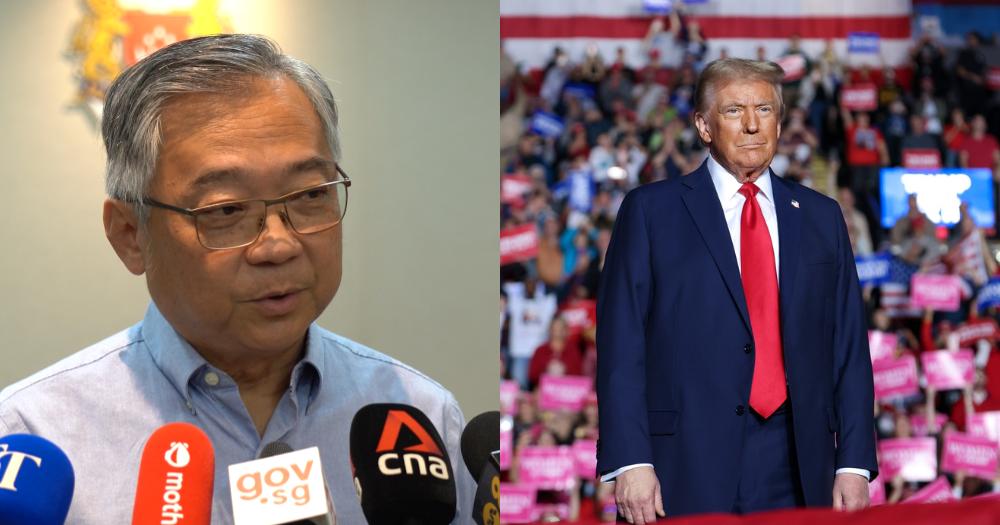
Responding to a question from Mothership about climate action in the face of scepticism from the leaders of larger nations, particularly that of United States president Donald Trump, who had earlier in the week called climate change the “greatest con job”, Vivian emphasised possible cooperation.
Singapore has repeatedly emphasised the need for collective, global action on climate change, highlighting it as one of the significant challenges the world presently faces.
Vivian acknowledged that Trump was “clearly” not convinced that man-made activities were causing climate change, but took care to note where there were areas of agreement, such as on the transboundary effects of atmospheric and marine pollution.
His takeaway was that even under the current administration, the U.S. still understands that there is a global commons, common resources that were controlled by no single country, and that the global commons could come under threat.
But he urged looking at the evidence objectively and to follow the science, look at the data and the evidence.
He pointed out that carbon dioxide levels were at unprecedented levels, and that for low-lying states in the Pacific and Caribbean, climate change was an “observed reality”.
Vivian said he was “cheered” that Trump had acknowledged trans-boundary impact, and the need to work together.
“So it's a combination of keeping everybody focused on science, reminding everyone that no one country, even no single superpower, can solve all these problems on its own” Vivian said.
“So I remain a guarded optimist for multilateralism and protection of the global commons.”
Top image via MFA