News

US unlikely to cut baseline tariff of 10% on S'pore, final rate still under review: Gan Kim Yong
U.S. is "not in the mood to discuss any discount on the baseline tariff".
July 29, 2025, 06:41 PM


Deputy Prime Minister and Trade & Industry Minister Gan Kim Yong has provided updates on his trade talks with the U.S.
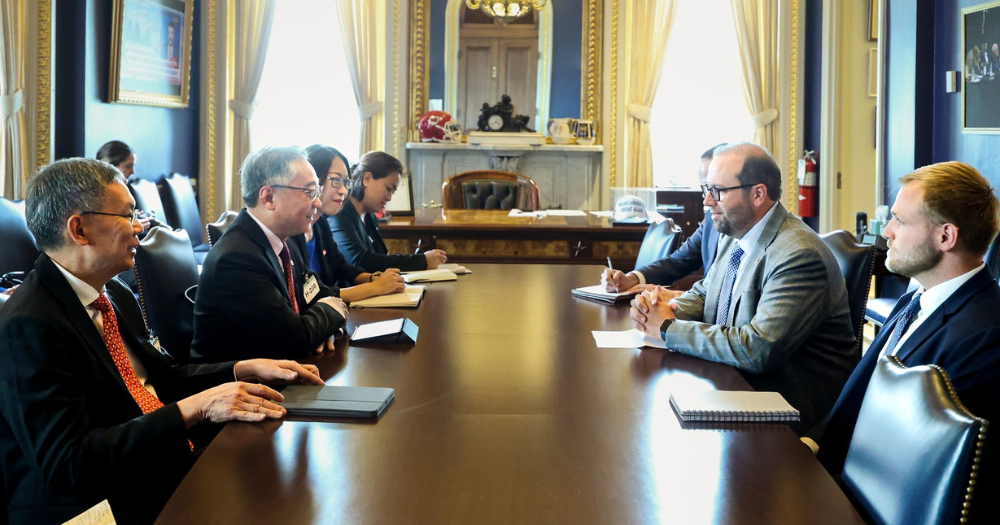
Gan was in the U.S. from Jul. 20 to 26 to deepen ties and discuss areas of cooperation with the U.S.
Expected tariff rate on Singapore
Singapore's exports to the U.S. are currently subject to the minimum US baseline tariff rate of 10 per cent.
However, at an AI summit on Jul. 23, Bloomberg reported that United States President Donald Trump commented that the U.S. would impose a "straight simple tariff of anywhere between 15 and 50 per cent", which is 5 per cent higher than the baseline rate of 10 per cent imposed previously.
Trump also stated during a press conference in the UK on Jul. 29 that the US will impose tariffs of 15 to 20 per cent on the "rest of the world" that had yet to strike deals with the U.S.
U.S. not ready to discuss discounts on tariff rates
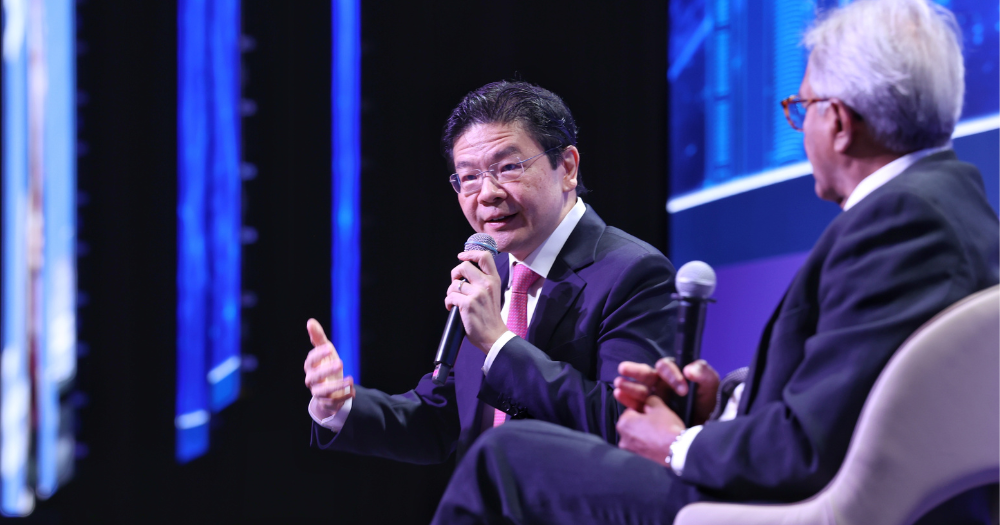
Speaking at the IPS-SBF SG60 conference on Jul. 29, Gan revealed that he asked the U.S. if there was a possibility for negotiations, and if they could reduce the 10 per cent tariff rate or eliminate it completely.
However, Gan said that the U.S. is "not in the mood to discuss any discount on the baseline tariff".
He added, however, that Singapore intends to keep the door open for future discussions and formally expressed Singapore's continued interest in revisiting the tariff rates to the U.S.
"In the future, if there's any flexibility to discuss the baseline tariff, we are interested in negotiating."
Unclear if the baseline tariff will be adjusted going forward
Gan also revealed that when asked if the baseline tariff will stay at 10 per cent, the U.S. gave a non-committal answer.
He stated that the U.S. "is still reviewing the tariffs and in time to come, they will make the appropriate announcement".
Sectoral tariffs expected to be settled only after reciprocal tariffs are settled
Gan also acknowledged that there are "significant uncertainties" and he believes that the administration's current focus is to "finish the negotiation on reciprocal tariffs" and will only "start to engage countries on specific sectoral tariffs" after.
It was reported by international media, including Nikkei Asia and Bloomberg, that discussions on the pharmaceutical sector would likely feature in Gan's discussions with U.S. officials.
Pharmaceuticals make up about 10 per cent of Singapore's total exports to the U.S., worth about S$12 billion.
Gan said he did not have a chance to meet with Howard Lutnick, US Secretary of Commerce, and discuss specific sectoral tariffs with him.
Uncertainties remain
Gan emphasised that while initial negotiations could be concluded quickly, there would still be some uncertainty over issues like determining the rules of origin of a complex product, or re-exports or transshipments.
Also, it remains to be seen how other countries respond in terms of the investments they have committed to the U.S., with Gan citing the EU pledge to invest and purchase more goods from the U.S. over a period of time, but so far there have been no details on whether these would be new investments or diverted from elsewhere.
Overall, Gan said, the impact on what we knew as the rules-based multilateral trade system has yet to be fully seen.
"So the uncertainty, in fact, over the last few months, has been raised. This is something that people need to recognise and to be to adjust ourselves and to respond to it," Gan said.
Top photo via Gan Kim Yong/Facebook