News

MOH exploring possibility of non-profit private hospital amid 'unsustainable' insurance design: Ong Ye Kung
Patients at public hospitals are not affected.
July 01, 2025, 03:43 PM
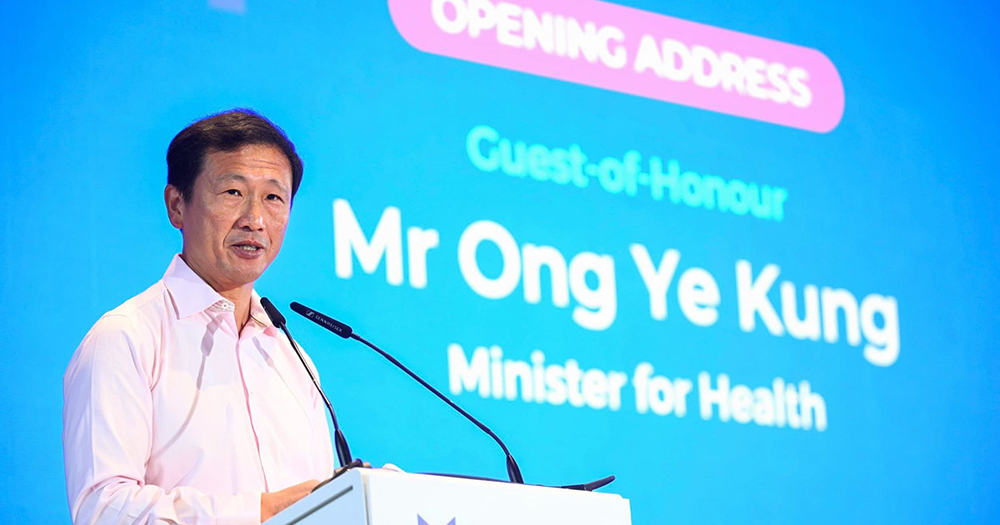


The current state of the private insurance system is "not sustainable", said Health Minister Ong Ye Kung.
As the Ministry of Health (MOH) looks to help alleviate the various pain points, one possibility being exploring is the introduction of not-for-profit private hospitals.
And yes, this is different from regular private hospitals.
What's going on?
Ong was responding in a Jul. 1 Facebook post to a recent announcement made by insurance provider Great Eastern.
The provider said on Jun. 17 that it would temporarily suspend pre-authorisation certifications for patients admitted to Mount Elizabeth Hospitals.
Pre-authorisation is a service which enables a policyholder's treatment to be approved and covered by the provider, even before it begins.
This cessation of this service was due to high costs from Mount Elizabeth and Mount Elizabeth Novena hospitals, the group said.
"We have observed that average hospital charges at these two facilities are consistently higher than those at comparable private hospitals for similar procedures and case profiles.”
What does this mean?
This is a reflection of the current "unsustainable" trend concerning private insurance and private healthcare, Ong said.
He specified that the issue affects only patients on private insurance plans, who intend to receive care at private hospitals.
Patients at public hospitals are not affected, Ong emphasised.
"More than 90 per cent of acute inpatient care in Singapore is delivered in our public hospitals, including those who opt for unsubsidised wards. Patients at our public hospitals are not affected by Great Eastern’s latest actions."
However, to cater to policyholders that are anxious about hospital bills, insurers launch insurance products with generous coverage, including no-limit coverage with almost full protection.
But when they foot almost the entire medical bill, there is the tendency to use more than necessary, Ong said.
On average, a patient with a rider is 1.4 times more likely to make a claim than a patient without. The claim amount is also 1.4 times higher.
As claims escalate, insurers find that premiums can no longer cover the claims.
They then introduce more restrictions and raise premiums, Ong said.
The consequence
With rising premiums, many policyholders have terminated their rider policies.
They are also "naturally unhappy" that they are paying more premiums, but with more restrictions.
More restrictions also mean that healthcare providers find it more cumbersome to make claims.
And even patients with private insurance end up opting for subsidised healthcare, putting more pressure on the public healthcare system.
"No one is happy," Ong said.
"Policyholders, insurers, doctors, and hospitals are all caught in this knot. What can be done to untie it?"
Moving forward
The Health Ministry has and will continue to find ways to help untie this knot, Ong said.
To begin with, they took steps against over-charging and have enforced against doctors who make errant claims, even suspending some from claiming from MediSave and MediShield Life.
MOH is also studying the possibility of introducing more benchmarks for hospital charges, to guide fee-setting by private hospitals.
In addition, they are exploring the possibility of new, not-for-profit private hospitals.
Singapore needs more private hospital options, especially affordable ones like Mount Alvernia Hospital, Ong said.
He caveated that this will take time.
But ultimately, insurers need to revisit their product design.
Financial advisors should offer "more sensible options" to policyholders: in other words, more affordable rider alternatives that can disincentivise over-charging and over-servicing.
"It will help focus private hospitals and private doctors on delivering value and ensuring affordability for their patients," he added.
Top image from Ong Ye Kung/Facebook