Environment

4.5-year-old male leopard arrives at S'pore Zoo from Australia under breeding programme
New kitty.
June 23, 2025, 06:44 PM
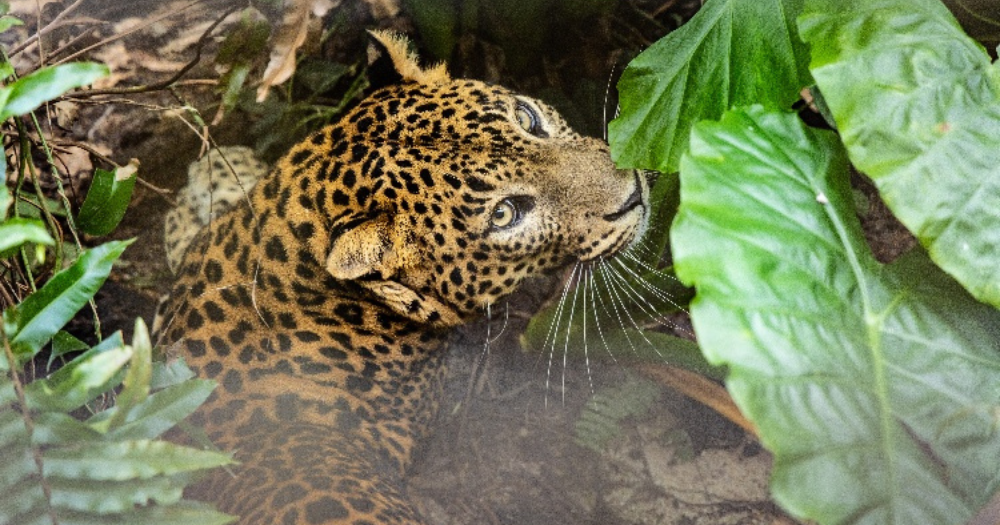


The Singapore Zoo has a new addition to its family of big cats.
Asanka, a four-and-a-half-year-old Sri Lankan leopard, arrived here from the National Zoo & Aquarium in Canberra, Australia on Apr. 5.
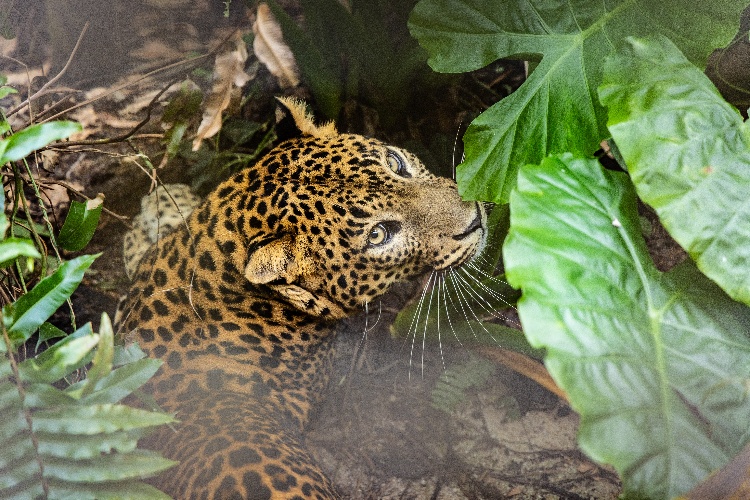 Photo from Mandai Wildlife Group
International collaboration
In response to queries from Mothership, Wendy Chua, curator of animal data management & transactions and primates under Mandai Wildlife Group's animal care team, said that Asanka's move was recommended by the European Association of Zoos and Aquaria's Ex-situ Programme (EEP).
The EEP is one of the international collaborative programmes that Mandai Wildlife Group participates in.
These programmes facilitate animal exchanges between accredited zoological institutions, and take place for various reasons, such as breeding, supporting conservation and education efforts, and enhancing species diversity in zoos.
Settling in
When he first arrived, Asanka was initially given access to his travel crate, a familiar space he could retreat to if he preferred.
His keepers also ensured his feeding times were consistent to establish a familiar routine, which would help him feel more at ease.
Now, Asanka is housed in an off-exhibit facility which has visual barriers such as plants and logs to give him privacy and provide a "calm, stress-free environment", Chua said.
This will allow him some time to acclimate to his new surroundings without the presence of other animals or guests.
Throughout this period, his animal care team closely monitors his behaviour, activity levels, and appetite to ensure he is settling in well.
The team also builds trust through positive reinforcement training, rewarding the cat with treats when he voluntarily responds to them.
Asanka will gradually be introduced to his exhibit in the coming months.
Potential mate
Animal exchanges such as these are part of a broader international effort to maintain sustainable species populations in human care.
Chua said that each transfer is carefully planned, taking into consideration the animal’s genetics, individual history, and the expertise and capacity of the receiving institution.
These moves help maintain healthy genetic diversity of species in human care while ensuring the animals are placed in environments that best meet their needs.
In the case of the Sri Lankan leopard, the subspecies is currently listed as "vulnerable" according to the International Union for Conservation of Nature (IUCN).
The main threats leopards face are habitat loss and human-wildlife conflicts when they venture into urban environments.
Asanka will eventually join two other female Sri Lankan leopards in their exhibit at the Singapore Zoo.
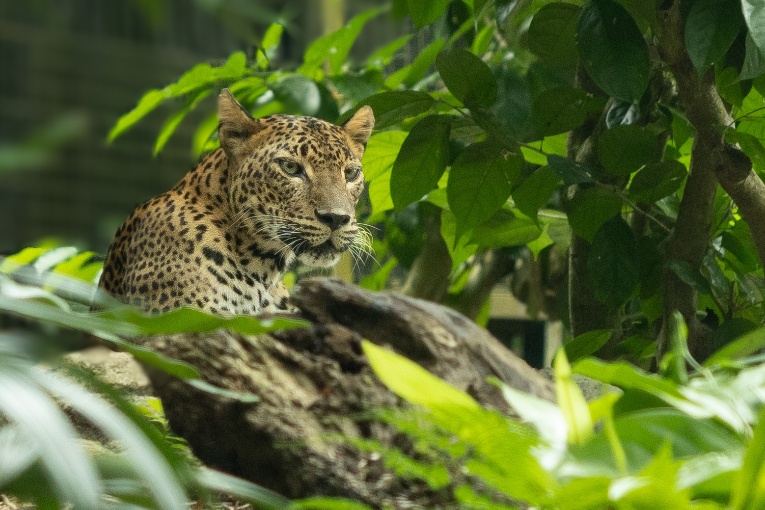 Nuwa, one of the female Sri Lankan leopards at Singapore Zoo. Photo from Mandai Wildlife Group
There is a third female leopard at the Night Safari.
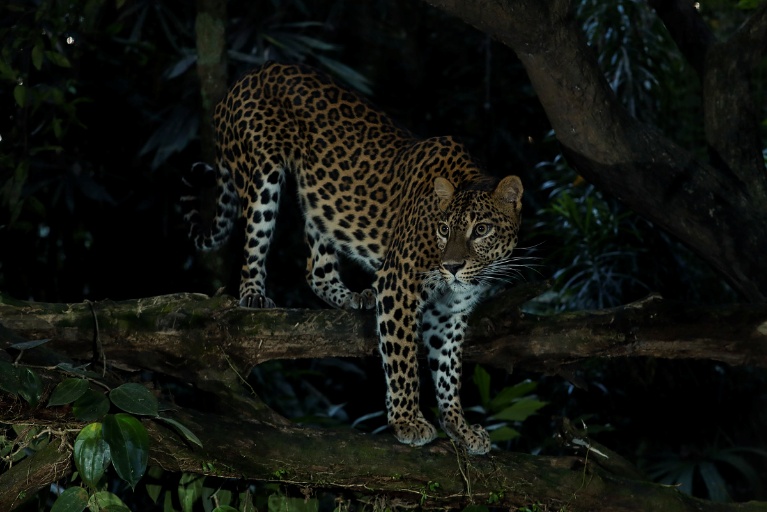 Ishani, the female leopard at Night Safari. Photo from Mandai Wildlife Group
Additionally, Asanka will be a potential mate for one or more of the female leopards.
"Selected for future breeding based on his genetic and individual history, Asanka plays an important role in supporting the sustainable population management of his species," Chua said.
Top photo from Mandai Wildlife Group