




Environment

42 cases of animal smuggling of wildlife & pets in 2024, 8 cases in 2025 so far
Singapore will be adopting a zero-tolerance stance against animal smuggling.
May 27, 2025, 11:53 AM


42 cases of animal smuggling, involving both wildlife and pets, were detected at Singapore’s borders in 2024 by the National Parks Board (NParks) and partner agencies such as the Immigration & Checkpoints Authority (ICA).
Eight such cases were also detected between January and April 2025.
In a joint release with ICA, NParks shared that they will adopt a zero-tolerance stance against animal smuggling.
The two agencies will continue surveillance and enforcement efforts to deter and detect smuggling and illegal trade of wildlife and pet animals.
2024 cases
A man attempted to smuggle 58 Indian star tortoises when transiting through Singapore at Changi Airport in August 2024.
These tortoises are a scheduled species under Appendix I of the Convention on International Trade in Endangered Species of Wild Fauna and Flora (CITES).
This means that they are one of the most endangered species listed under the Convention and international trade is prohibited.
The man has since been charged and sentenced to 16 months’ imprisonment.
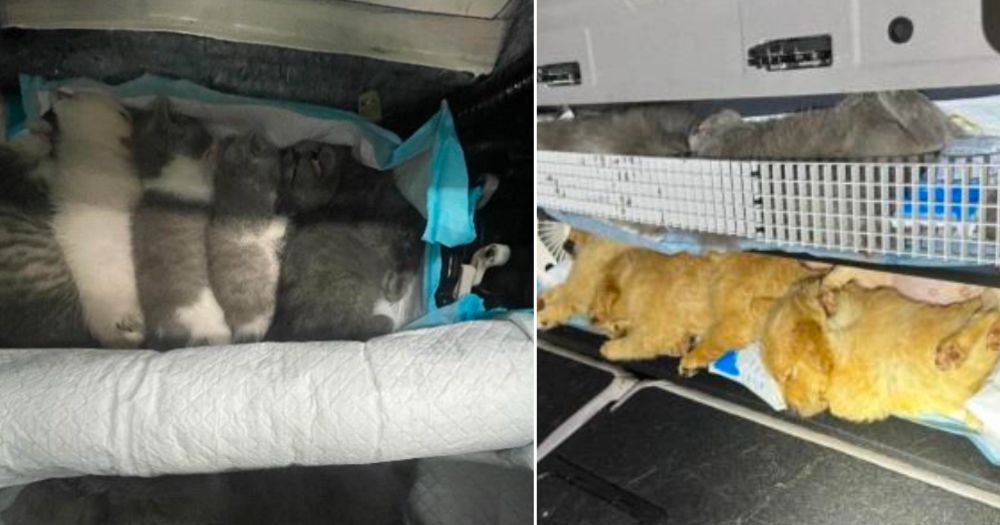
In another case, a Malaysian man was sentenced to 44 weeks’ imprisonment for attempting to smuggle seven puppies and one kitten.
They were concealed in a modified car boot compartment of a vehicle going through Woodlands Checkpoint.
 Animals found in modified compartment of vehicle. Photo from ICA
Six of the animals later died due to Canine Parvovirus.
Another man was sentenced to nine months' imprisonment after he was found to be in possession of a live Asian arowana at Tuas Checkpoint.
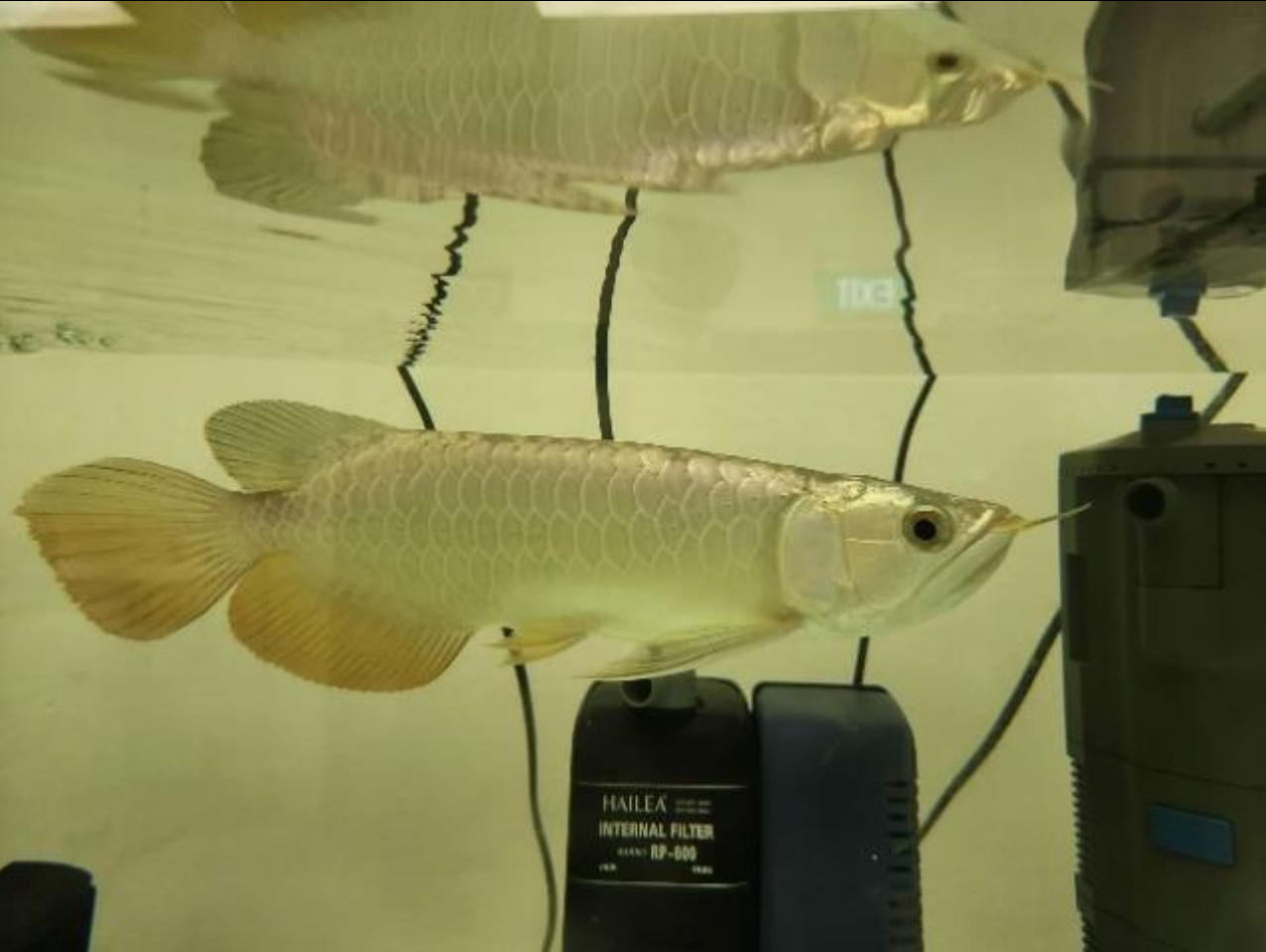 Photo from NParks
The man intended to import the Asian arowana, an Appendix I CITES species, to deliver to a recipient in Singapore.
It was later discovered that the man had imported arowanas of different quantities into Singapore on at least 10 other occasions.
2025 cases
Cases in 2025 included a variety of animals including dogs, cats and wildlife.
This also included CITES species.
These cases are under investigation, NParks and ICA said.
Well-being of animals compromised during smuggling
The well-being of smuggled animals is “often compromised by poor holding and transport conditions during the smuggling process”, NParks and ICA said.
They noted that animals are usually transported in cramped conditions with poor ventilation, with some being heavily sedated to minimise noise and movement.
 The cramped compartment the animals were hidden in. Photo from ICA
This has resulted in poor health conditions, injuries, and death of the smuggled animals.
ICA uses technology to help with detection
ICA officers, who are trained to detect suspicious travellers and vehicles, use technology that helps with the detection of animal smuggling cases at land checkpoints.
This includes mobile x-ray scanning machines which can help identify hidden modified compartments in cargo lorries, cars, and motorcycles.
In addition, ICA also uses intelligence analysis which can identify vehicles for checks even when the drivers or vehicles do not show signs of suspicious behaviour or other anomalies.
The use of technology has contributed to the detection of more animal smuggling cases at land checkpoints, NParks said.
Combating illegal keeping and trade of wildlife
Other than border surveillance, NParks also regularly monitors physical and online marketplaces and takes appropriate enforcement actions against perpetrators, the press release stated.
Over the past two years, island-wide operations on more than 30 premises have been carried out, resulting in the seizure of over 240 wildlife.
These cases involved individuals who had advertised various wildlife species for sale through social media platforms such as Telegram.
Many of these species are exotic wildlife species that are not allowed to be sold or offered for sale, or kept as pets in Singapore, and include several species which are protected under CITES.
Zero-tolerance stance
The government takes a “zero-tolerance stance” on the illegal trade and import of pet animals and wildlife, NParks and ICA stated.
Singapore also adopts a whole of government, multi-pronged approach in the enforcement against the illegal wildlife trade, NParks and ICA said.
This is done by working closely with other domestic law enforcement agencies, international partners, and civil society.
The public’s role
The public also has a role to play in ensuring animal health and welfare, NParks and ICA said.
Prospective pet owners are strongly encouraged to adopt pets from animal welfare groups or to purchase pets from licensed pet shops.
They should not purchase pets from unlicensed sources such as through social media or online platforms as the health status of these animals is unknown.
Those who do so in hopes of bypassing Singapore’s biosecurity requirements may "unwittingly be introducing threats" to public health.
Animals bought from unlicensed sources may also carry diseases that can infect other local animals as well as people who come into close contact with them.
Furthermore, these animals may be smuggled or not bred to the "standards of animal health and care" which are required of licensed breeders and pet shops by NParks.
“Pet owners, businesses and the public have a part to play and a shared responsibility to safeguard animal health and welfare, by not contributing to the demand for illegally imported Animals,” NParks said.
They added that the smuggling of animals will cease only when the buying of illegally imported animals from unlicensed sources stops.
Those with information on suspected poaching, smuggling or illegal trade of pet animals and wildlife can report them to NParks via their website at www.avs.gov.sg/feedback or call them via the Animal Response Centre at 1800-476-1600.
Laws
Under the Animals and Birds Act, first-time offenders caught importing any animal or bird without a licence may be fined up to S$10,000, jailed for up to 12 months, or both.
The illegal trade of wildlife, including non-CITES species, is regulated under the amended Wildlife Act.
Under the Wildlife Act, a person must not offer for sale, sell or export any wildlife (whether alive or dead), or any part of a wildlife, unless the person has the Director General’s written approval to do so.
Any individual found to have violated the laws may be fined up to S$50,000, jailed up to two years, or both.
Under the Endangered Species (Import and Export) Act, the penalties for an individual, for the illegal import of any CITES Appendix I specimens such as rhino horns and Indian star tortoises, is a maximum fine and maximum imprisonment term up to S$100,000 per specimen (not exceeding an aggregate of S$500,000 or the market value of all specimens at the material time, whichever is higher) and six years.
For CITES Appendix II and III specimens such as reticulated pythons, the maximum fine and maximum imprisonment term is S$50,000 per specimen (not exceeding aggregate of S$500,000 or the market value of all specimens at the material time, whichever is higher) and four years.
Top photos from ICA