News

Over 80% of S'pore asatizah salaries increased by up to 12%
He hopes to bring more salaries within the CSG range in the third phase in 2025.
March 10, 2025, 03:18 PM


Over 80 per cent of Singapore asatizah, or Muslim religious teachers, in Singapore have benefitted from a salary increase of between five and 12 per cent since 2023.
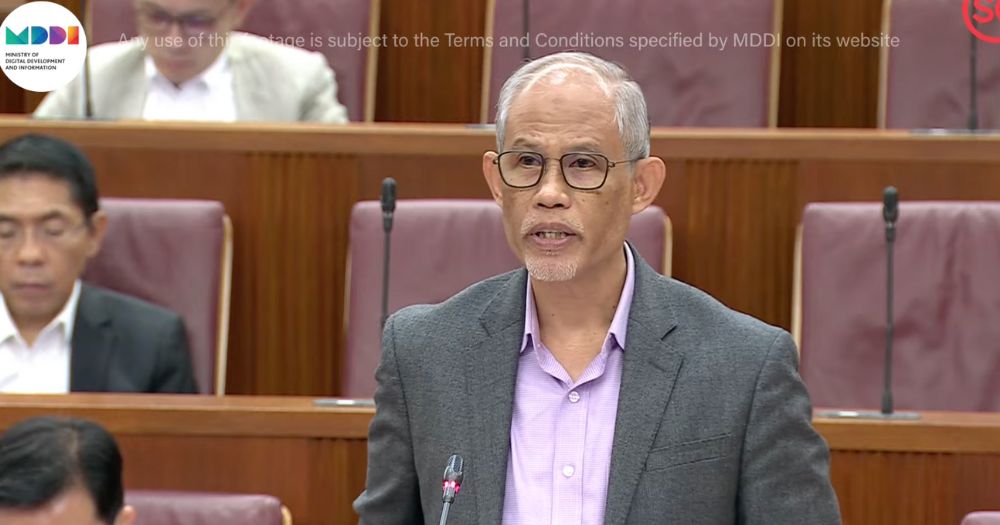
Speaking at the Muslim Affairs Committee of Supply (COS) debates on Mar. 10, Minister-in-charge of Muslim Affairs Masagos Zulkifli said: "We have conducted rigorous evaluations of the asatizah's job scope, benchmarked salaries, and engaged employers to ensure that salary adjustments are competitive and sustainable."
He hopes to bring more of asatizah salaries within the Common Salary Guideline (CSG) range, with the third phase of implementation in 2025.
Masagos also spoke about the CSG which was launched in 2023 to grow the attractiveness of Singapore's asatizah sector.
More than 80% of asatizah saw increased salaries
To date, more than 80 per cent of asatizah in Singapore have received an average salary increase of between five to 12 per cent.
Masagos said that he hopes to bring more of asatizah salaries within the CSG range, with the third phase of implementation in 2025.
He added that Muis is committed to working with employers to continue making progressive adjustments to asatizah salaries that is commensurate with their knowledge and skills.
"We hope these moves will provide assurance for our asatizah and recognise all they do in providing religious guidance and pastoral support for the community – that even in their chosen career, they can provide a comfortable living for their families, like everyone in Singapore."
Grooming the next generation of Singapore Islamic leaders
Masagos also highlighted how the government is grooming the next generation of asatizah, confirming that the upcoming Singapore College of Islamic Studies (SCIS) will have an initial intake of 60 students in 2028.
"Back then, I said the Postgraduate Certificate in Islam in Contemporary Societies (PCICS) would lay the foundations for a future Islamic college in Singapore. Today, we are fulfilling a long-standing aspiration of our community in setting up our own SCIS," he said.
Masagos said that the college will have an initial intake of 60 students in 2028, offering both "classical" and "contemporary" Islamic teachings applicable to Singapore's context.
"Students will be well prepared for employment opportunities in the religious and adjacent sectors. They can hit the ground running." He added.
For those interested in furthering their studies after SCIS, Masagos said that SCIS will collaborate with local and foreign partner institutions such as the Singapore University of Social Sciences (SUSS) and Islamic institutions in Egypt, Jordan, and Morocco to offer students advanced standing for such programmes.
"Through partnering world-class Islamic institutions, we can also ensure the SCIS is globally relevant, while remaining responsive to Singapore's context," he said.
Top photo via MDDI Singapore/YouTube