News

Ideas have to be paired with values: DPM Heng Swee Keat at St Gallen Symposium Singapore Forum
"Shutting down and using nothing" was not the answer to the climate problem, Heng said.
January 23, 2025, 01:10 PM
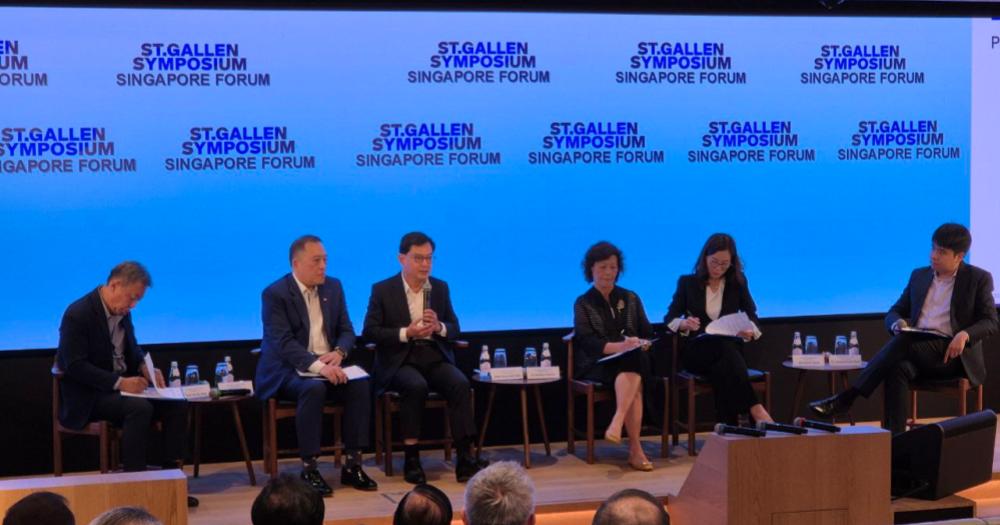


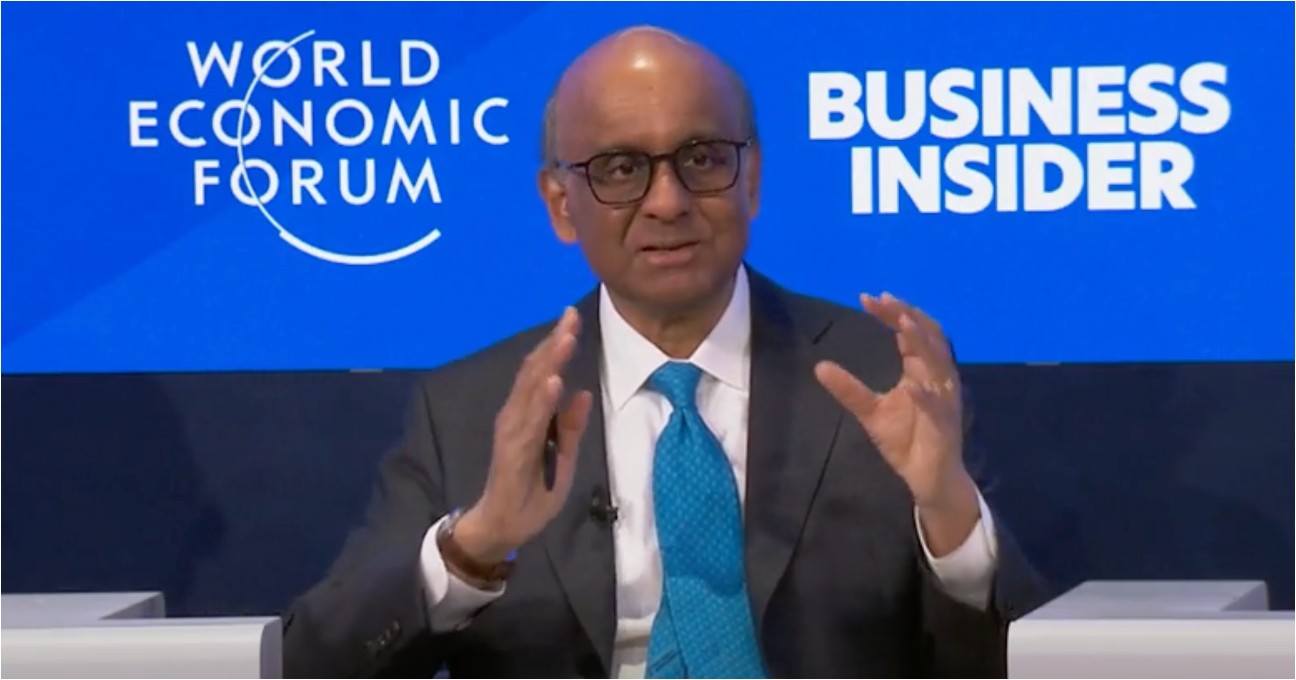
On Jan. 22, 2025, Deputy Prime Minister Heng Swee Keat spoke at the ninth St. Gallen Symposium Singapore Forum, discussing the shifting global power structure.
Heng opened the panel discussion by talking about the value, power, and danger of ideas, and the need for ideas to be paired with values.
Pairing ideas and values
Heng had spent most of the day speaking to a pair of scientific teams, one of which was working on issues relating to Singapore’s aging population.
Heng said he had a "little bit of a bias" towards the value of scientific process and the value of ideas, as the chairman of Singapore’s National Research Foundation.
The most significant events in human history were all tied to the use of science and technology, and taking a “certain rational approach to studying issues” had resulted in a better understanding of the natural world, and had allowed life to improve for everyone.
But these ideas had to be paired with values.
Heng reflected on the conflicts going on in the present day, a “sad manifestation” of human nature.
It is telling that most religious leaders shared a common sense of morality. In a Confucian context, Heng described it as having duties, obligations and certain sense of responsibility to each other.
Historical context meant that different religions and cultures had developed different values from each other, but where “we find what we have in common”, people should work together.
Without the pairing of ideas and values, humanity had shown the ability to invent technology capable of destroying itself, such as nuclear and biological warfare.
Humanity could get things “terribly wrong”, as it was on a subject that Heng felt was not being paid enough attention; climate change.
Shutting down, using nothing
If the world does not take action to deal with climate change, Heng said, it would be in a state of inexorable change that would worsen year by year.
He emphasised the dangers that it would have, including rising sea levels, changing biospheres, and affecting food security.
However, he also acknowledged the relatively slow pace that climate change had, saying that it was possible that those on the panel with him could potentially not live long enough to see its full “devastating” impact, but the younger people in the audience might.
"That’s why I think I am very glad to see that many young people are concerned about this," he said.
The question for Heng was what kind of powerful ideas were needed to change the course of climate change.
“Shutting down everything and using nothing”, Heng said, was not a solution.
Instead, he hoped the world could use its ingenuity or creativity to solve challenges.
Good at doing the right thing, not what was right
The St. Gallen Symposium brings people from all over the world to discuss critical issues affecting the world.
The panel was a varied one, including, Tan Tai Tong, President of the Singapore University of Social Sciences, former United Nations Under Secretary-General Noeleen Heyzer, the CEO of HSBC Singapore, Wong Kee Joo, and UBS’s Singapore and Malaysia Business Sector Head, Patricia Quek.
Wong spoke about his concerns regarding climate finance, that not enough time was being spent thinking about climate changes' implications, and the legacy that would be left for the next generation.
He related a maxim he had been told: Singaporeans were very good at doing the right thing, by which he meant following proscribed processes, but not necessarily what was right.
His concern was that in terms of climate change, climate finance, and what companies were doing, their actions were rote, but the outcome was insufficient.
Heng was offered the opportunity to close off the speaking portion of the panel, before the question and answer session.
He urged the audience, which was made up of business leaders, but also local university and ITE students, to deepen their understanding, and get things done.
Agency
During the question-and-answer session, the panel was asked about climate change once again.
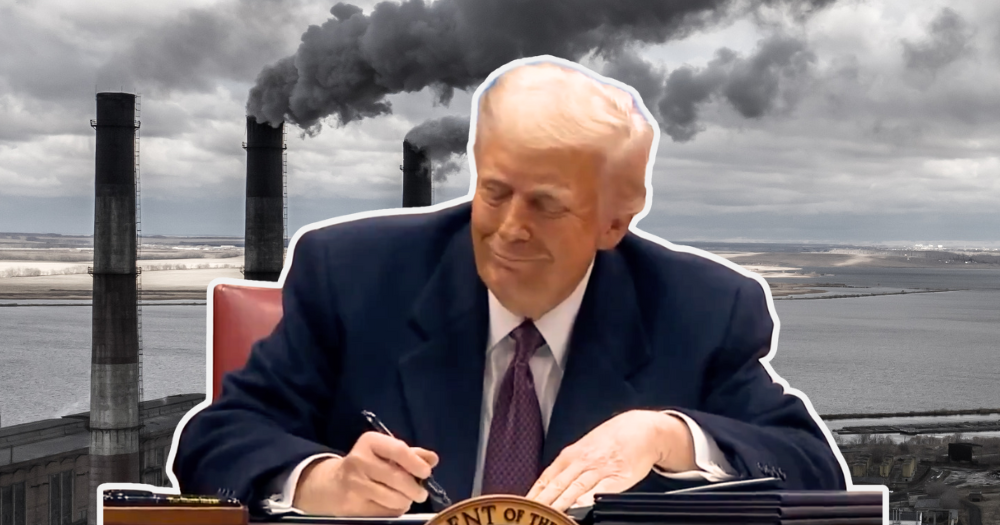
The chairperson of a local university’s sustainability student committee asked the panel how U.S. President Donald Trump's executive order to leave the Paris Climate Change Agreement would influence the globe's balance of power in climate leadership, as well as what the long-term effects of pulling out would be.
Noeleen Heyzer wanted to emphasise the experience drawn from Trump’s first term, saying that this was not the first time the U.S. under Trump had left the Paris Agreement.
She told the audience that then, as is the case now, Trump and the U.S. government were not the only actors with agency.
She brought up the C40 network, a grouping of global cities that had acted independently to address climate change issues.
This could be especially effective as cities were densely populated, and action taken there would make the greatest difference to the world’s climate agenda.
She suggested that actors, such as companies, banks and investors, to keep doing what "we know we have to do".
Top image via Mothership