News


16 years & slight delay later, Johor Bahru-S’pore RTS Link coming to pass. Finally.
Spanning over 16 years, the 4km project now faces one last hurdle.
October 04, 2026, 08:23 PM
Top photo from LTA


The Rapid Transit System (RTS) Link service between Singapore and Johor Bahru (JB), Malaysia, will open for passenger service two months after its original estimated date of commencement.
This has pushed plans for an end-2026 start to February 2027.
This is despite all system tests and trial runs estimated to be completed by Dec. 31, 2026.
But this further two-month wait is perhaps not much in the grand scheme of things.
One last hurdle
After taking over 16 years to come to fruition, the 4km project now faces a last hurdle — the safety certification from an independent safety assessor.
RTS Operations (RTSO), a company formed through a joint venture between Malaysia and Singapore, needs to do so before proceeding, according to a joint statement by Singapore's Land Transport Authority (LTA) and Malaysia's Ministry of Transport (MOT).
In a Facebook post on Oct. 3, Minister for Transport and Second Minister for Finance, Jeffrey Siow, said the authorities are aiming to start services before Hari Raya in 2027: "The plan was for safety certification and licensing to have been completed before the end of this year, but it was not to be."
"On our part, my colleagues at LTA have worked hard to make sure our station is ready for the start of cross-border train services," he added.
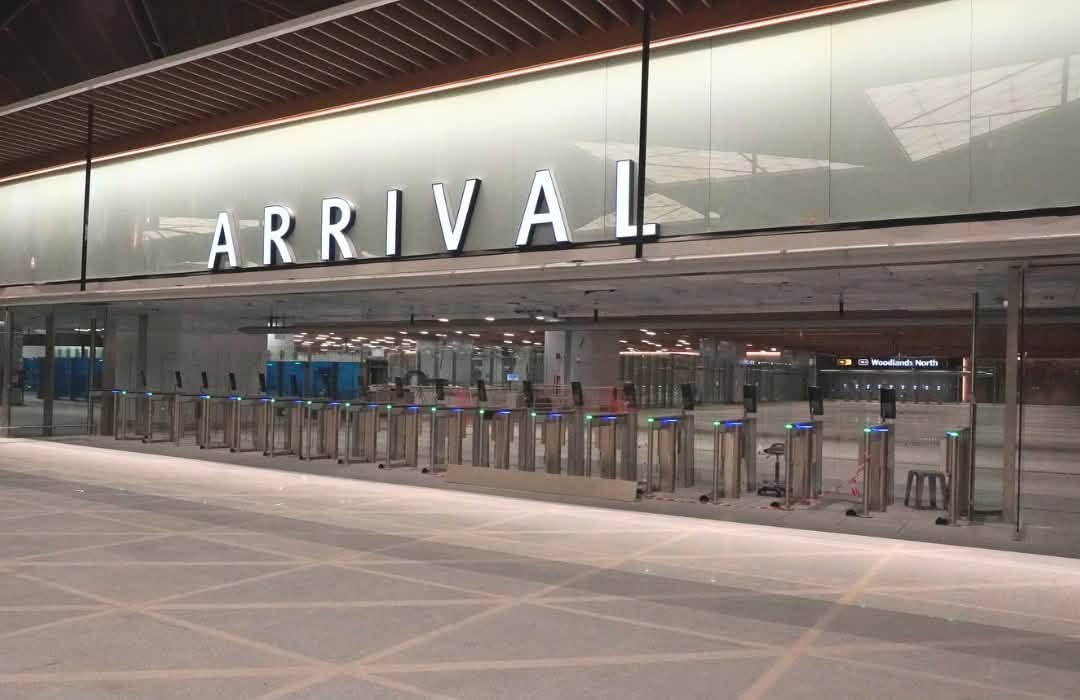 Photo from Jeffrey Siow/Facebook
RTSO & its grantors both stressed safety
There were two press releases for the delay announcement, both assuring the public that safety was of utmost concern.
The first was from RTSO, of which Malaysian public transport firm Prasarana holds a 52 per cent share, and Singapore rail operator SMRT has the remaining 48 per cent stake.
The company was appointed to operate and sustain the RTS Link for 30 years.
"Our goal is to provide a safe and reliable service on the RTS link," the RTSO statement read.
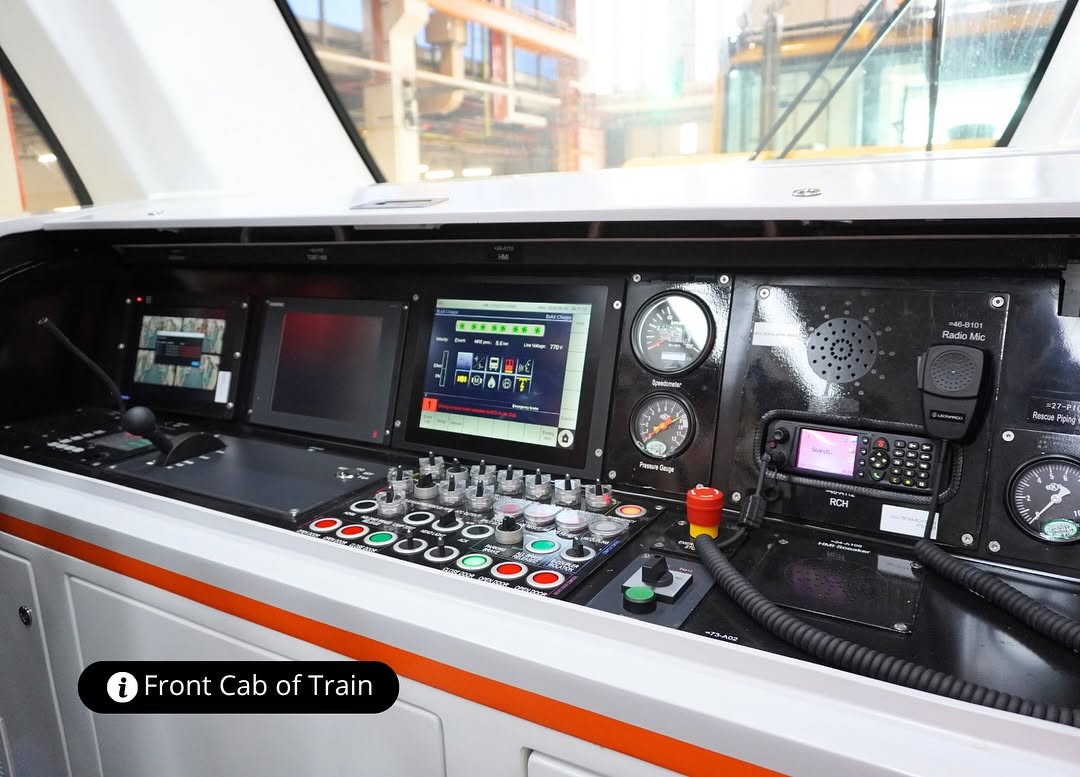 Photo from LTA/Facebook
The second was a joint release from the RTSO’s grantors, LTA and Malaysia's MOT, the authorities that grant RTSO the right to operate.
According to the joint release, the grantors' responsibility includes reviewing certifications and ensuring testing and commissioning activities are satisfactory to "facilitate the smooth and safe delivery of the project".
The authorities also maintained that infrastructure works were substantially complete and on track for passenger service, with the caveat of the RTSO obtaining independent safety certifications for the RTS link.
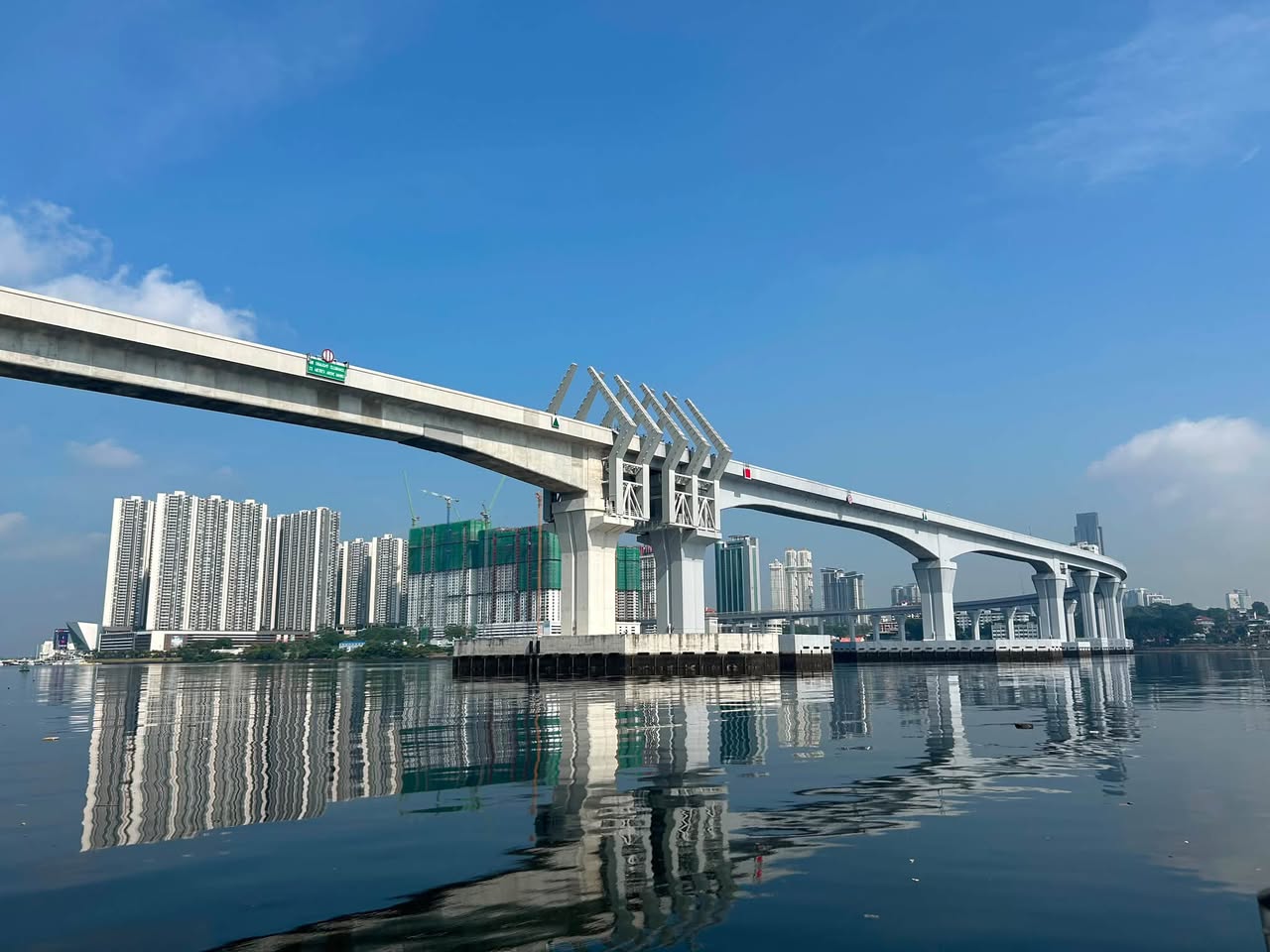 Photo from Jeffrey Siow/Facebook
Years of development
Besides the convenience, reduced Causeway congestion, and economic benefits the RTS Link brings, public anticipation also stems from the project's drawn-out timeline.
Woodlands Checkpoint is one of the world's busiest land border crossings, with over 300,000 people travelling across it daily.
Key RTS developments were regularly announced at the annual Singapore-Malaysia leaders' retreats, with both countries' leaders using the platform to release updates in 2010, 2015, and 2016.
According to CNA, Singapore and Malaysia embarked on the RTS journey with plans being committed to and discussed since the May 2010 leaders' retreat.
The 2013 LTA master plan was drafted with the intention of integrating the Thomson Line, now the Thomson-East Coast Line, with the RTS Link.
 Top photo from LTA website
The plan also noted that a joint engineering study's first phase was finished.
In 2015, at the retreat, then-prime minister Lee Hsien Loong declared that Woodlands North would be the Singapore side RTS Link terminus.
Malaysia announced its Johor Bahru Bukit Chagar terminus at the next year's retreat.
Delays
Bilateral agreements for the RTS Link were signed in January 2018, with both countries reaffirming their commitment to an end-2024 target for passenger service.
However, plans were disrupted after Malaysia's Pakatan Harapan (PH) alliance won the Malaysia general election on May 9, 2018.
This historic move ended the Barisan Nasional (BN) reign, which at the time was one of the world's longest ruling coalitions, according to Reuters.
BN and its predecessor, the Alliance Party, had ruled Malaysia since the Federation of Malaya's freedom from British rule in 1957.
At the time, the PH was pushing for a spending curb.
The coalition was alarmed by national debt and said it wanted to review the cost of building the RTS link, reported Malay Mail.
According to New Straits Times, Malaysia's debt stood at RM1.09 trillion (around S$363.3 billion at the time) at the end of 2018, and there were also concerns over debt and liabilities from the fallout of the 1Malaysia Development Bhd (1MDB) scandal.
A year later in 2019, Singapore's former Transport Minister Khaw Boon Wan said the RTS Link had missed milestones and was "behind schedule".
CNA reported that the project was suspended from April 2019 to July 2020.
After resuming, the targeted start date was pushed to the end of 2026.
Moving forward
The project was relatively smooth from 2021 to 2025, with construction milestones met.
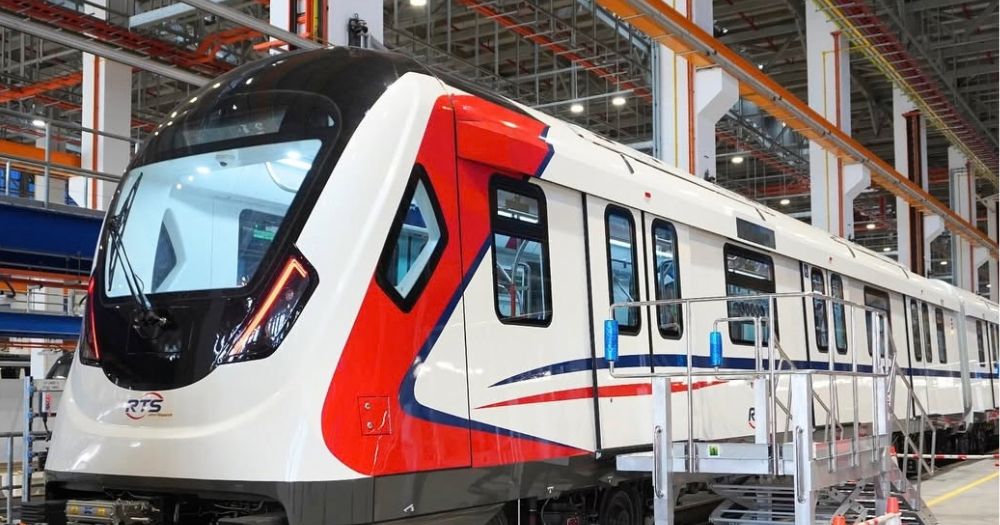
In June 2025, the trains were unveiled to much fanfare.
Chinese company CRRC Zhuzhou built the trains, with the German conglomerate Siemens supplying signalling and platform screen doors.
By 2026, final preparations were in place, and the first RTS train arrived at Woodlands North in February.
Legislation was passed in May to allow for the co-location of both countries’ CIQ facilities at each station.
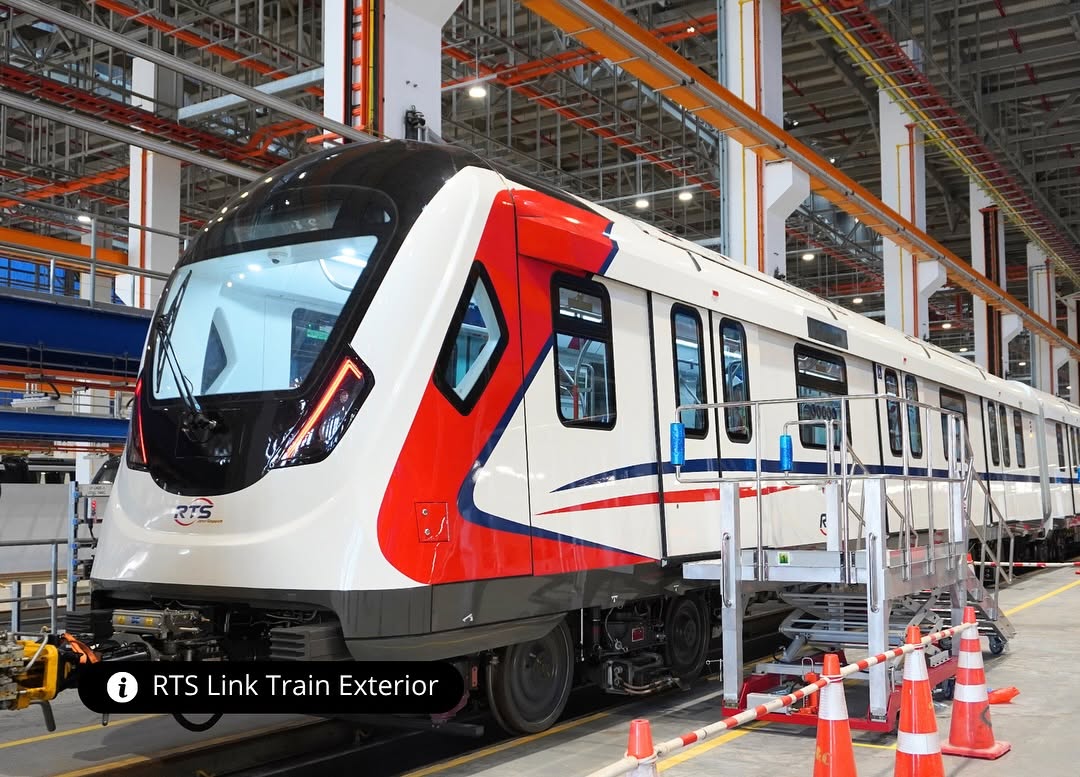 Photo from LTA/Facebook
Scheduled departure
Now affected by the delay, the RTSO is expected to complete its final system tests and trial runs by Dec. 31, 2026, instead of starting by the originally planned date.
When up and running, the RTS Link's first and last trains would depart from both termini at 6am and 12am daily.
The shortest wait between trains will be 3.6 minutes, and the journey will take around five minutes.
Around 10,000 people will be ferried in each direction for each hour the train operates, reported The Straits Times.