News


Pre-visit prep & longer consults: 3 S'pore polyclinics to provide tailored services for persons with disabilities, autism by 2028
This enhancement is part of a broader move to equip staff in all polyclinics with basic capabilities to support persons with disabilities or autism.
October 04, 2026, 06:03 PM
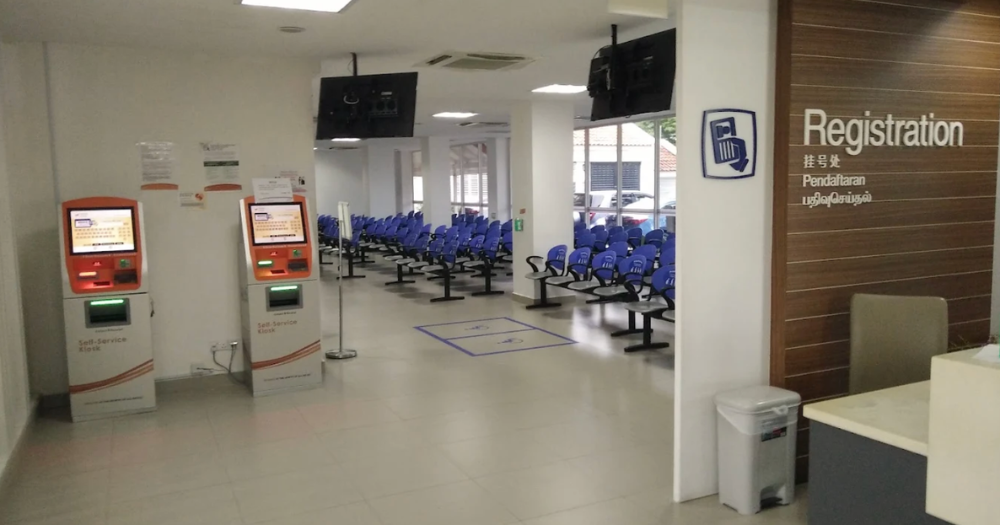
Top image via Google Photos


Persons with intellectual disabilities or autism can expect more tailored healthcare services come 2027, under plans set out by the Taskforce on Assurance for Families with Persons with Disabilities.
Three polyclinics to provide enhanced support for persons with intellectual disabilities, autism
At least three polyclinics in Singapore, with at least one in each healthcare cluster, will be designated by 2028 to provide enhanced support for patients with intellectual disabilities and autism who have more complex needs.
The taskforce noted this group of patients needs more time and support during consultations because of more complex communication, behavioural or healthcare needs.
The accommodations at these polyclinics will include pre-visit preparation with patients and caregivers, longer consultation times where needed, closer caregiver engagement, and help navigating appointments and follow-up care.
Teams will also be able to link patients and caregivers to relevant disability services.
All polyclinics to get basic training
This enhancement is part of a broader move to equip staff in all polyclinics with basic capabilities to support persons with disabilities or autism.
By 2028, all frontline staff will receive training in effective communication with patients with intellectual disabilities and autism and their caregivers.
They will also be trained to provide practical accommodations such as priority queuing, to cut waiting times for patients with behavioural or anxiety-related needs.
Stakeholders had told the taskforce that persons with intellectual disabilities and autism can face communication barriers when dealing with healthcare staff, and that primary care providers do not always understand what they need.
Not as straightforward as it sounds
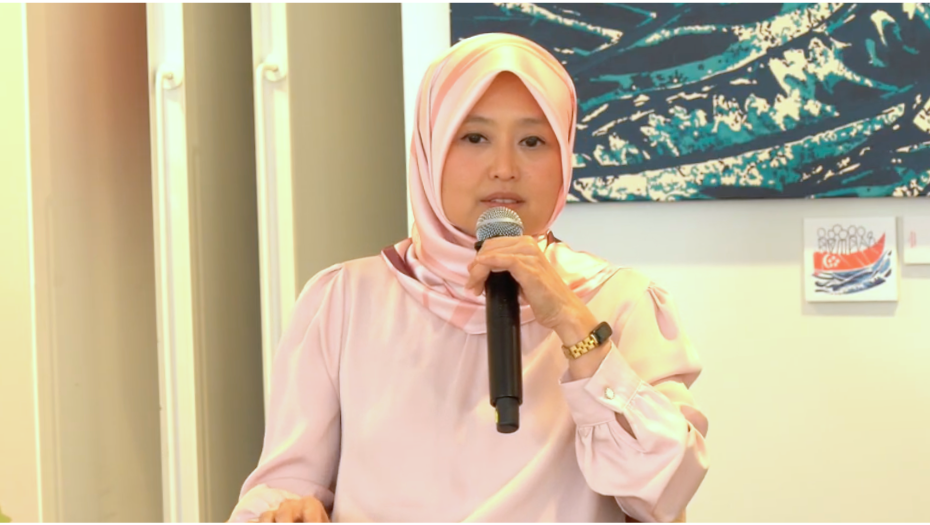 Minister of State for Digital Development and Information and Health Rahayu Mahzam said the changes amount to bigger steps than they appear. Photo by Mothership.
Speaking at a press conference on Oct. 2, Minister of State for Digital Development and Information and Health Rahayu Mahzam said the changes amount to bigger steps than they might appear.
She said:
"It may sound so straightforward, but actually, if you think about it, what are some of the things that need to be done? If you're talking about someone who perhaps have sensory issues, have difficulties being in crowd, you need to make sure there's proper spaces, there's enough in the polyclinic, to accommodate that."
Longer consultation times raise other issues too, she said: "If we're talking about a polyclinic where people are queuing up and there'll be other patients, how do you meaningfully do that and allow for the services to continue to run, but yet make some certain accommodations?"
Staff training is another consideration.
She said: "You need to have people who are trained to handle some of the difficult situations because they can get quite violent. They can be very challenging. So we also need to provide the proper training and make that capabilities available before we stand this up."
Rahayu said the considerations in picking the polyclinics include accessibility, operational and infrastructural readiness, and anticipated demand.
MOH is studying the SPARk Clinic at Ang Mo Kio as a possible model, she said.
SPARk stands for Supporting PWDs with Accessible Resources and (k)are. These clinics provide chronic care management for adults with disabilities who have higher support needs, and their caregivers.
A passport for communication needs
Separately, the Ministry of Health (MOH) and SG Enable will roll out a Health Communication Passport from 2027, starting at selected polyclinics.
The passport is a personalised document capturing how a person with an intellectual disability or autism communicates, such as whether they prefer verbal or written communication or rely on visual aids, along with the practical accommodations they need.
Participating social service agencies will help clients complete the passport and share it with the polyclinic ahead of appointments, so staff can arrange accommodations in advance.
It will be integrated across key polyclinic touchpoints, including registration and consultation.
The aim is to spare patients and caregivers from having to repeatedly explain the same information at different points in the system.
MOH and SG Enable plan to expand the passport to other healthcare settings over time, with the possibility of covering other disability types.
"In the past when you speak about accessibility, we're thinking of physical accessibility"
Asked about the significance of the healthcare measures, Rahayu said they marked a shift in how accessibility itself is understood.
She said:
"If you think about it, in the past when you speak about accessibility, we're thinking of physical accessibility. Now we're actually understanding that there are many different types of needs and concerns and difficulties, and when we deal with those with intellectual disability and autism, it's less visible and less defined, and we've not had those kind of infrastructure in place in the past."
She said the measures are also about involving patients in their own care: "If we are able to pace our processes around their needs, we can then perhaps understand them a bit better and address their needs a bit better. So this will give them dignity and support in getting healthcare needs."
Caregivers were the other consideration. Rahayu described how difficult it can be to bring a family member to a crowded polyclinic, with some patients affected by noise or long queues, to the point that appointments get skipped altogether.
Part of three key shifts
The healthcare measures are part of three key shifts identified by the taskforce: future planning, meaningful and sustained employment, and meaningful engagement in the community.
"With these shifts, we want to ensure that there are pathways available, so that persons with disabilities and their families no longer experience a “post-18 cliff” after graduation and can lead a meaningful life and pursue their aspirations with greater confidence."