



Environment


S'pore examining adequacy of Transboundary Haze Pollution Act, will introduce new laws or amendments if necessary: Grace Fu
"The haze is preventable and unacceptable."
October 27, 2026, 12:16 PM
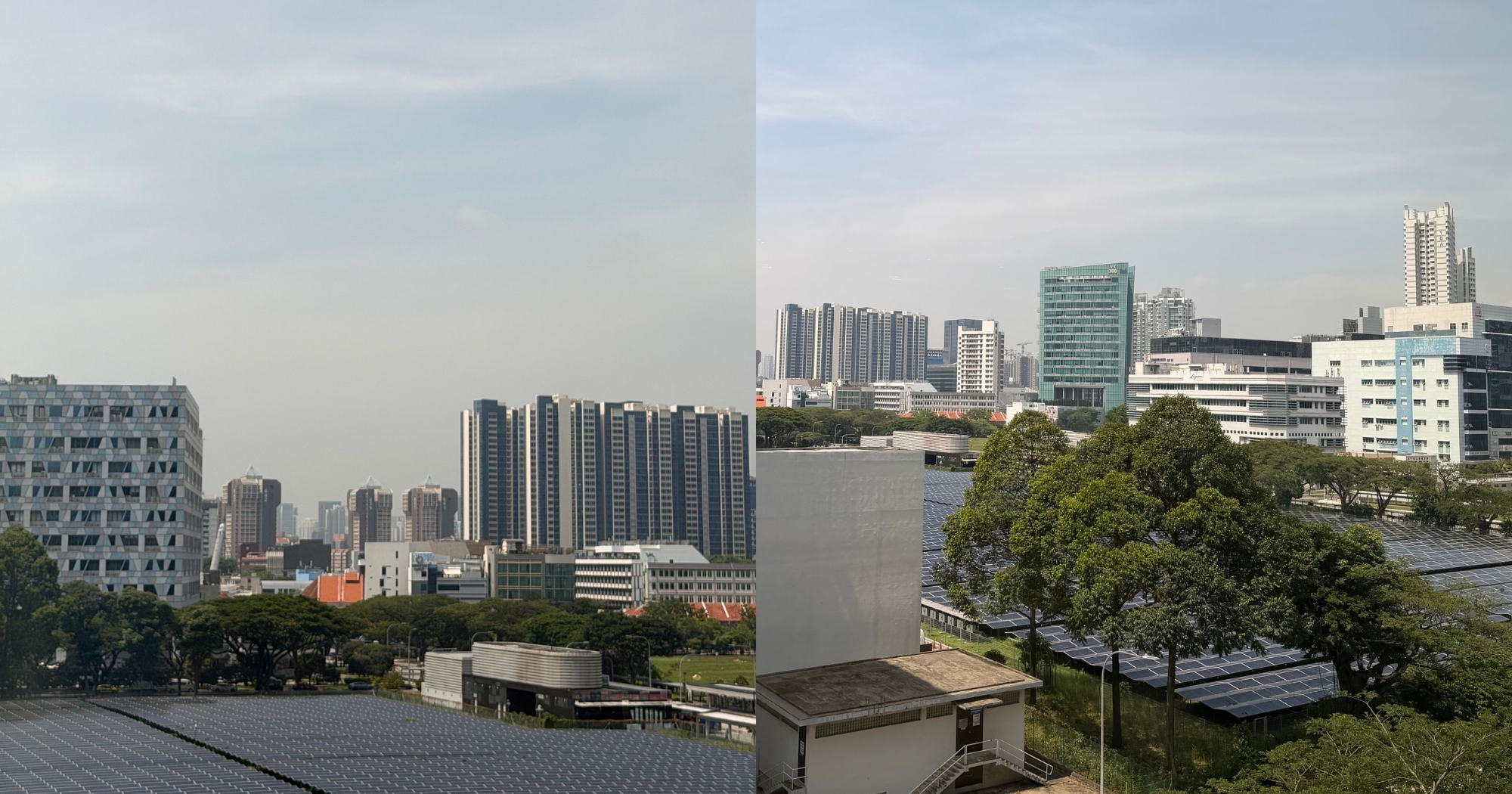
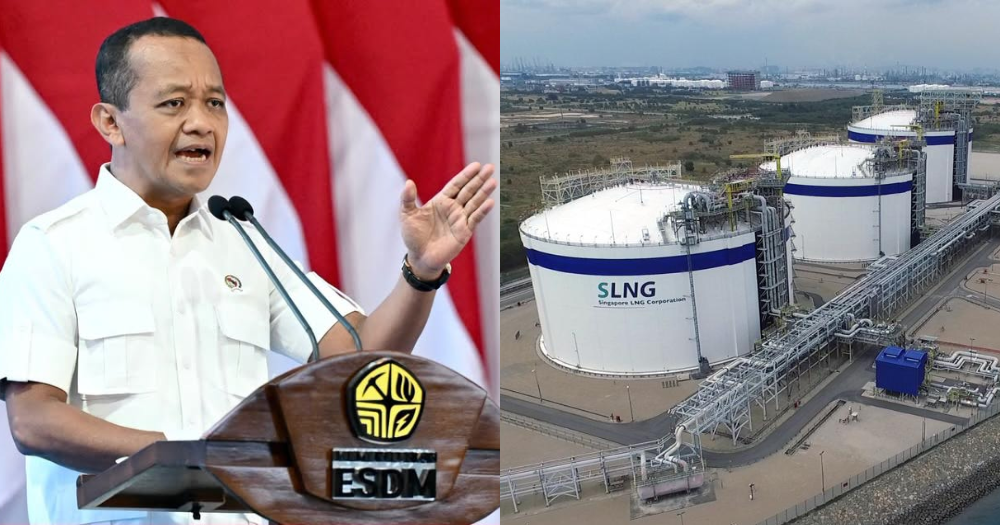
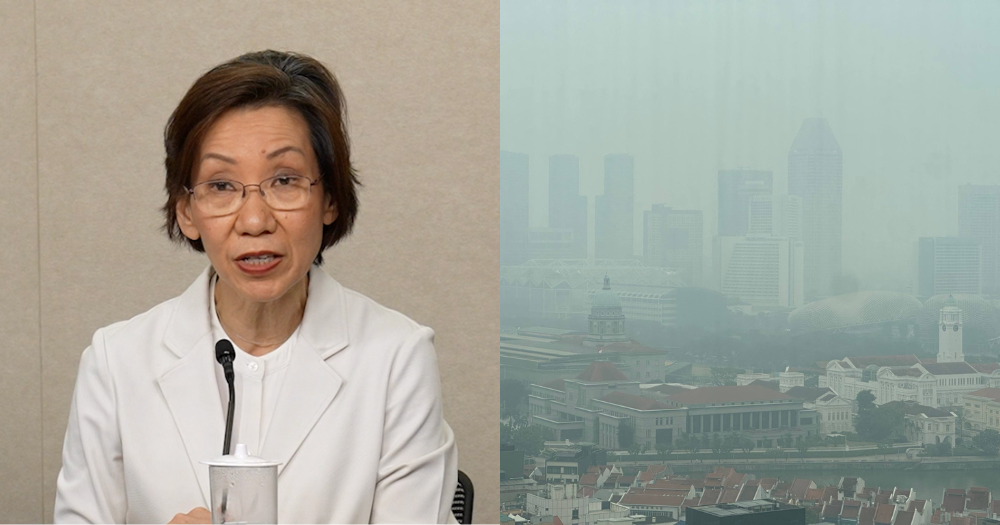
Photos by Mothership and Mothership reader.


The government is reviewing the effectiveness of the Transboundary Haze Pollution Act (THPA), and will amend it or introduce new laws where necessary, Environment Minister Grace Fu said.
Fu was speaking at the Sustainable Procurement Forum on Oct. 27.
This would address enforcement gaps, strengthen corporate accountability, and improve Singapore's ability to investigate and take action against those responsible for transboundary haze, she added.
"Where our laws need to be strengthened, we will strengthen them."
Challenges in cross-border enforcement
However, enforcing the law across with borders comes with its own set of challenges, said Fu.
The first challenge is getting overseas companies to cooperate with investigations.
The National Environment Agency earlier served legal notices to 10 Singapore-based companies that may have contributed to the haze in Singapore under Section 10 of the THPA.
Under Section 10, NEA is seeking documents and information on the locations of land concessions they own, as well as fire prevention measures and/or any firefighting efforts taken by them and/or their associated companies in Indonesia during the dry season.
However, enforcing the law overseas is not as straightforward.
Under international law, Singapore cannot exercise enforcement powers in another jurisdiction, and may need the foreign government's consent to serve notices there.
Even if a notice is served, enforcement is hard if the company refuses to comply and none of its officers enter Singapore.
"Our enforcement framework should not allow a company to frustrate an investigation simply by refusing to cooperate or remaining outside Singapore," she said, citing Singapore's openness to working with Indonesian authorities, who share the common goal of holding companies accountable.
The second challenge is gathering and verifying evidence across borders.
Much of the evidence is overseas, including who owns or controls the land, how companies are related and what steps were taken to prevent and fight the fires.
Corporate structures and supply chains can also span several jurisdictions.
Even when companies provide documents, verifying them independently is difficult.
To address this, the government has set up a specialist panel of law, audit and investigative firms to support cross-border inquiries into identified companies' operations, corporate relationships and supply chains.
Government prepared to use a wider range of measures
Fu added that Singapore is also prepared to use a wider range of legal, regulatory and economic measures.
Where those responsible for the haze have interests in Singapore, scrutiny can come from regulators, investors, financiers and the market, she said.
This has already prompted companies to respond publicly and set out their positions.
She added that companies are accountable not only to regulators, as investors, customers and the public increasingly expect responsible environmental practices.
Certification cannot be "one-off exercise"
Fu said the recent transboundary haze is also a timely example of why companies must take responsibility for the environmental impact of their operations and supply chains.
Certification cannot be a one-off exercise, she said.
Certification schemes have to ensure that certified companies continue to meet environmental standards.
Amid the current transboundary haze, the Singapore Environment Council (SEC) has stepped up monitoring under its enhanced Singapore Green Labelling Scheme (SGLS+) certification, with certification potentially suspended if required measures are not shown.
Earlier, SEC announced on Oct. 19 that it issued Asia Pulp & Paper (APP) a notice of temporary restrictions on its SGLS+ certification.
The notice requires daily fire response reporting and stricter monitoring of fire prevention and suppression measures across three supplier concessions in South Sumatra.
"This demonstrates the role that credible certification schemes can play in holding companies to the environmental standards they profess to meet," Fu said.
"The haze is preventable and unacceptable."