News


Edwin Tong: Online Safety Commission should see fewer cases over time, not more, as society deals with harmful content
He cautioned that the OSC should not be judged by how many cases are brought to its attention or how quickly it resolves them.
September 24, 2026, 04:59 PM
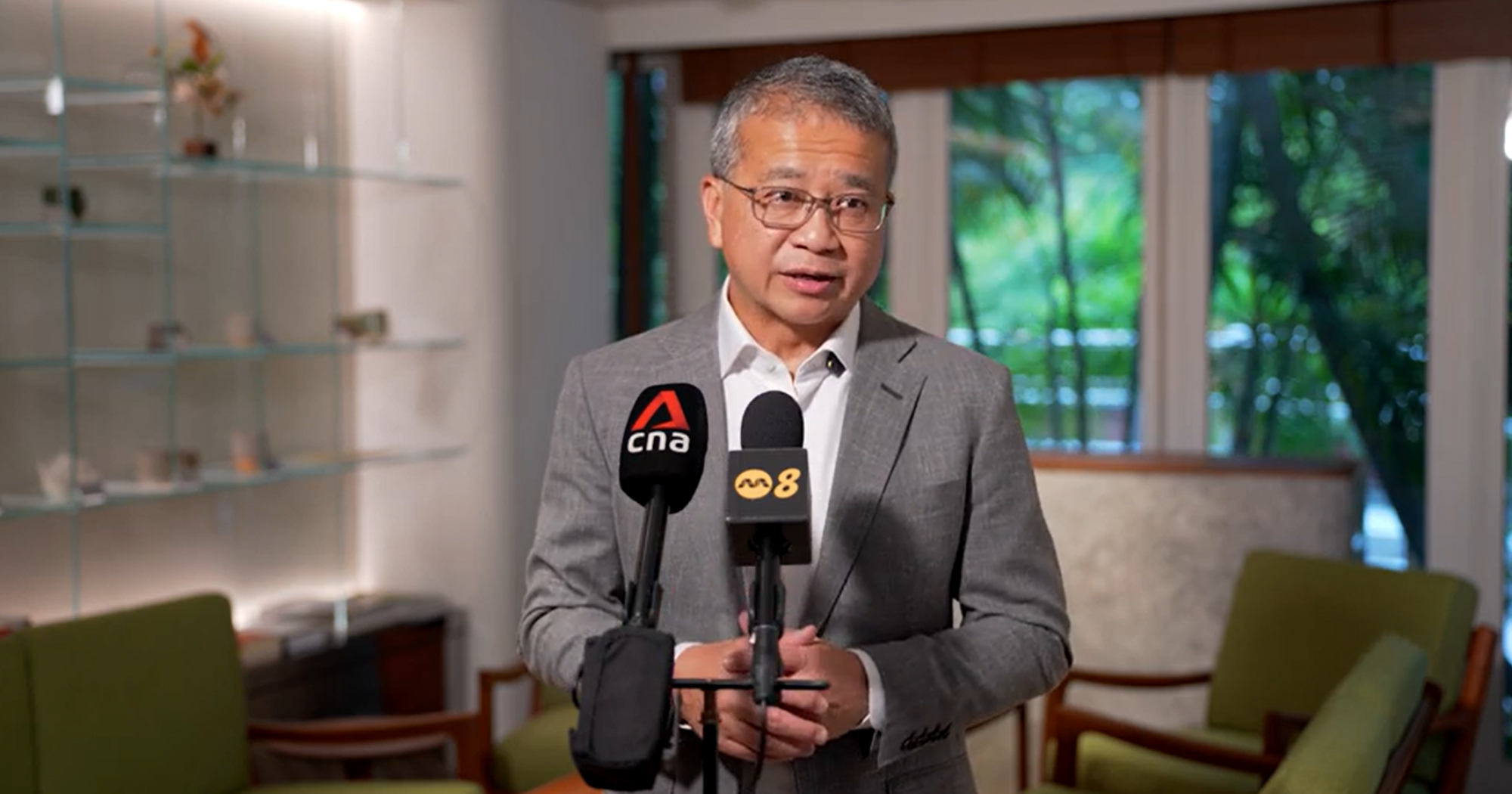
Photo via Ministry of Law


People should rely on the Online Safety Commission (OSC) less, and not more over time, Law Minister Edwin Tong said on Sep. 23, 2026.
Speaking at the Online Safety (Relief and Accountability) Act 2025 (OSRAA) partners' appreciation tea event, he said the OSC hopes to lower the number of cases it handles by preventing repeated instances over the long run.
Fewer cases submitted to OSC showed that society "should be able to deal effectively with harmful content" before a victim has to escalate the matter to the authorities, he added.
The OSC has received over 500 reports since Jun. 29, 2026, when operations started, Minister for Digital Development and Information Josephine Teo revealed on Sep. 22.
It has resolved more than 90 per cent of eligible reports.
Cases reveal pattern
However, Tong cautioned that the OSC should not be judged by how many cases are brought to its attention or how quickly it resolves them.
Looking at the cases collectively could provide information on how to tackle recurring issues and prevent future instances.
"But take it together, they can tell us a story, and that's what I mean by looking at the pattern. The concentration of reports in a particular type of harm is one example of why we need to look across cases," he said.
He also said the 500 cases so far will help OSC deal better with the next 500 cases, and perhaps even "prevent some of the next 500 from even recurring if we go further upstream".
"And perhaps that is ultimately how we should measure success — not by how many people come to the OSC for assistance, but by whether over time fewer people begin to do so," he said.
Work on other categories of harms
Tong also told the media after the event that the Law Ministry will continue to work with the technology platforms and study the cases.
He said: "But our approach is to have a very good, clear framework. Everyone knows what they are supposed to do or can't do under this framework."
This is to sharpen the remedies and to make access to relief more accessible and more effective for victims.
During his speech earlier, he said: "Perhaps maybe a designated email address for a start for people to submit these notices easily. So the moment you need to address a particular platform, find the email address, find the connection, and this is the right channel, and you put your request through."
"And we should approach notices in a practical and, I think most importantly, victim-centric way," he added.
Singapore is currently empowered to address 13 categories of online harms, but is tackling five specific online harms in its initial phase of operations.
Tong added that the ministry will continue to expand to work on the other categories of harms, such as cases of impersonation, in the next phase.