Environment


Rainforest Wild Adventure sees birth of Southeast Asia's 1st okapi, public invited to name it
Mum, I want one.
September 24, 2026, 12:01 PM
Photos from Mandai Wildlife Group.


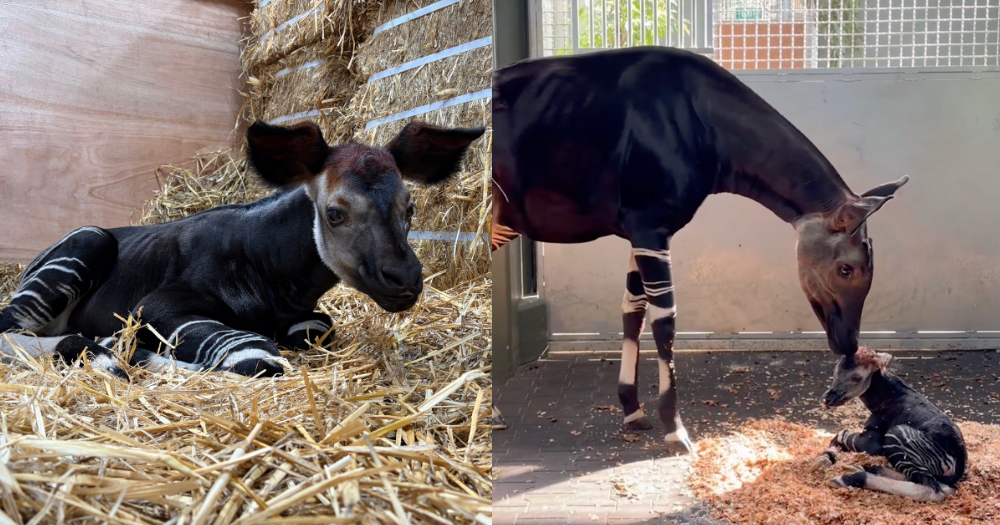
Singapore's Rainforest Wild Adventure is now home to the first okapi born in Southeast Asia.
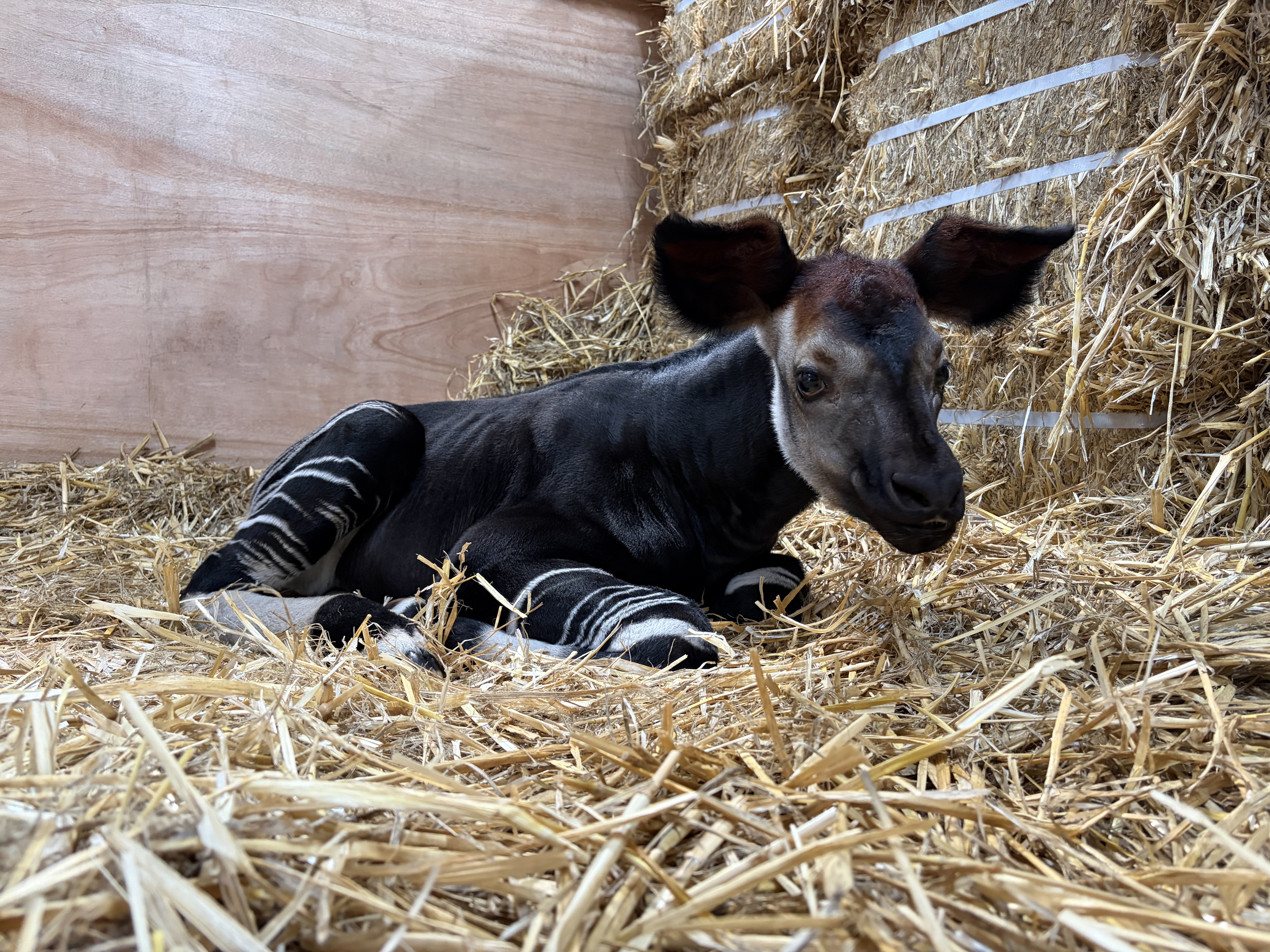 Calf at its den at Rainforest Wild Adventure East. Photo from Mandai Wildlife Group.
 Photo from Mandai Wildlife Group.
The male calf was born on Jul. 27, 2026, to seven-year-old Kisala and four-year-old Xandor, both of whom were brought to Singapore as part of a coordinated breeding programme for threatened species.
Now two months old, the calf weighs a healthy 48kg and is gaining nearly 1kg a day on average, according to Mandai Wildlife Group.
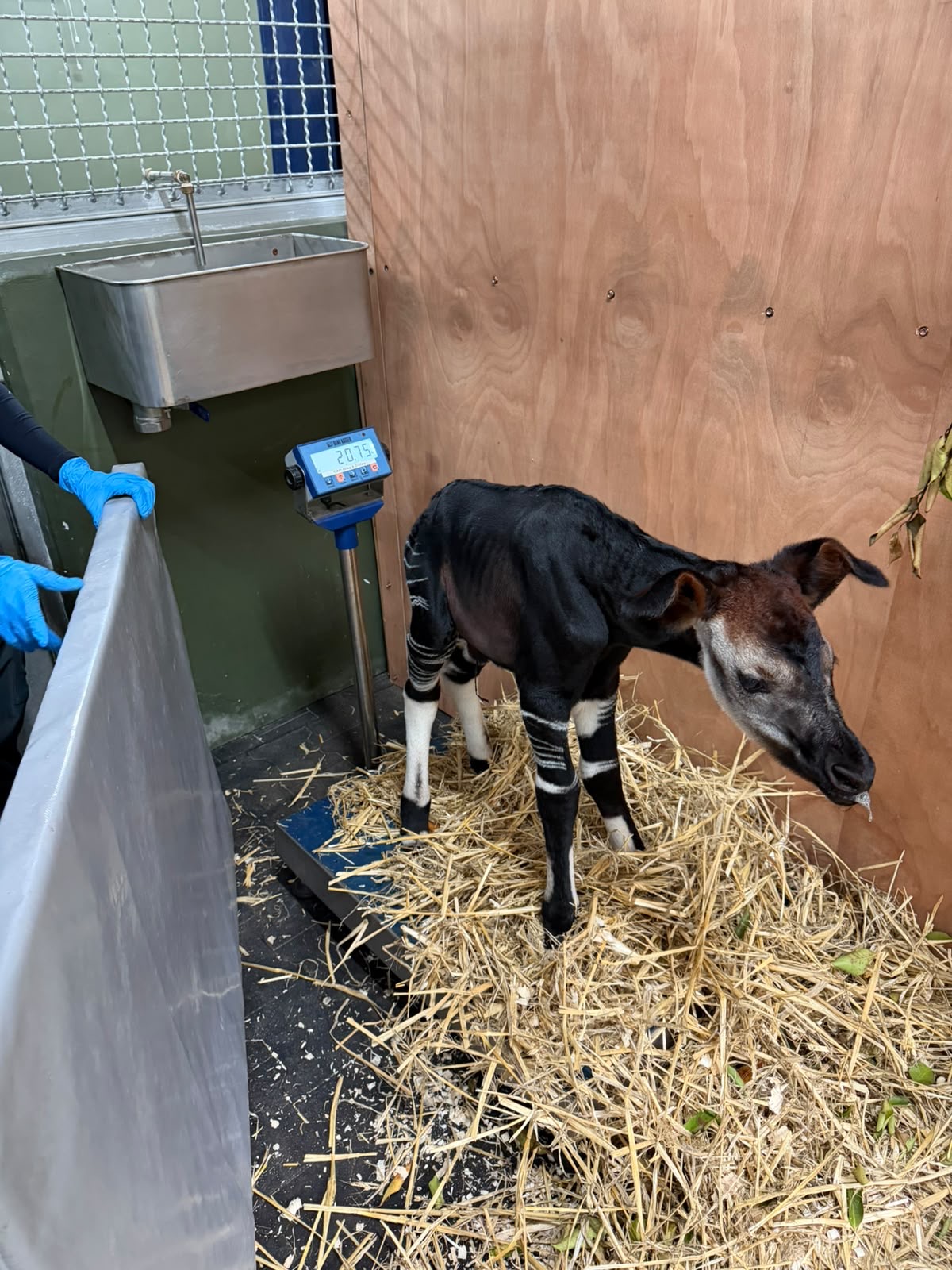 Calf's first weigh-in on Jul. 28, 2026. Photo from Mandai Wildlife Group.
Okapis are listed as Endangered under the International Union for Conservation of Nature (IUCN) Red List, and are native to the northeastern Democratic Republic of the Congo.
The elusive mammals are the closest living relatives of giraffes and share several characteristics, including long, flexible tongues, and ossicones, which are the bony, horn-like structures on the heads of males.
Ultrasound in July confirmed the pregnancy
 Photo from Mandai Wildlife Group.
Kisala and Xandor came to Singapore under the EAZA Ex Situ Programme (EEP).
After the pair were introduced, keepers noticed changes in Kisala's appetite and body condition, said Cecilia Tang, curator of animal care operations at Mandai Wildlife Group.
The team then began preparing for the possibility that she was pregnant.
An ultrasound in July 2026 confirmed that Kisala was expecting.
According to Mandai Wildlife Group, okapis have a gestation period of around 14 to 15 months, one of the longest among hoofed mammals.
Calf still taking time to get used to the environment
"Kisala has been an excellent mother, and her calf is thriving, gaining nearly a kilogramme a day on average," said Tang.
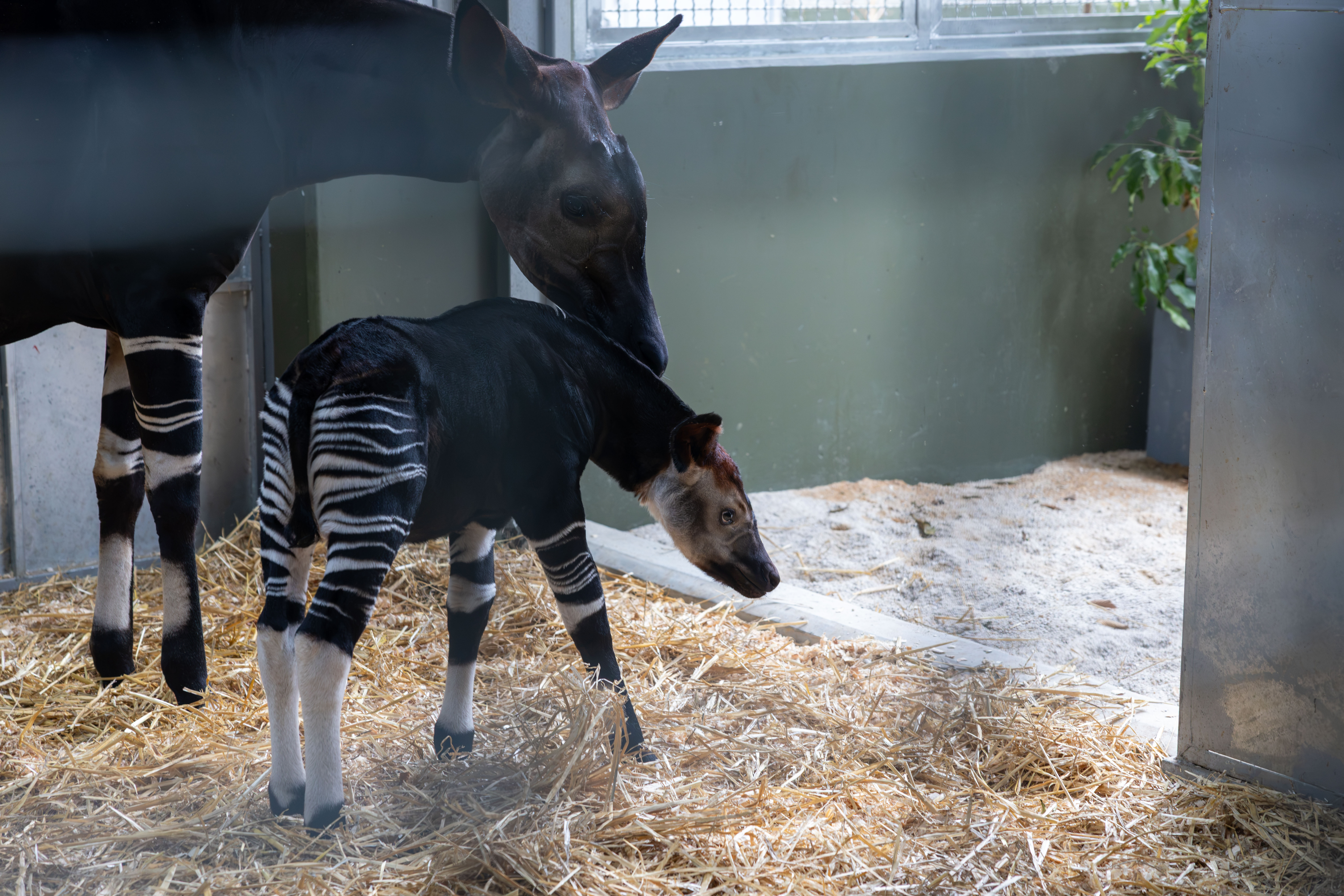 First-time mum Kisala tending to her newborn calf. Photo from Mandai Wildlife Group.
The calf and Kisala were recently given access to their outdoor habitat, but he is still getting used to his new surroundings.
"We're allowing him to explore and build confidence at his own pace, so it may take some time before visitors see more of him," Tang explained.
Okapis are naturally elusive, and this behaviour begins from an early age.
Unlike many newborn animals that stay close to their mothers, young okapis spend much of their early days hidden and still, an adaptation that helps them avoid predators.
Their mothers return only a few times a day to nurse them.
As an added layer of protection while they stay hidden, newborn calves are also believed to produce very little scent during this period.
Drawing on husbandry practices from zoological institutions that have successfully bred okapis, the team at Mandai Wildlife Group built a quiet and secluded calving box where the calf can rest and nurse during his first few months.
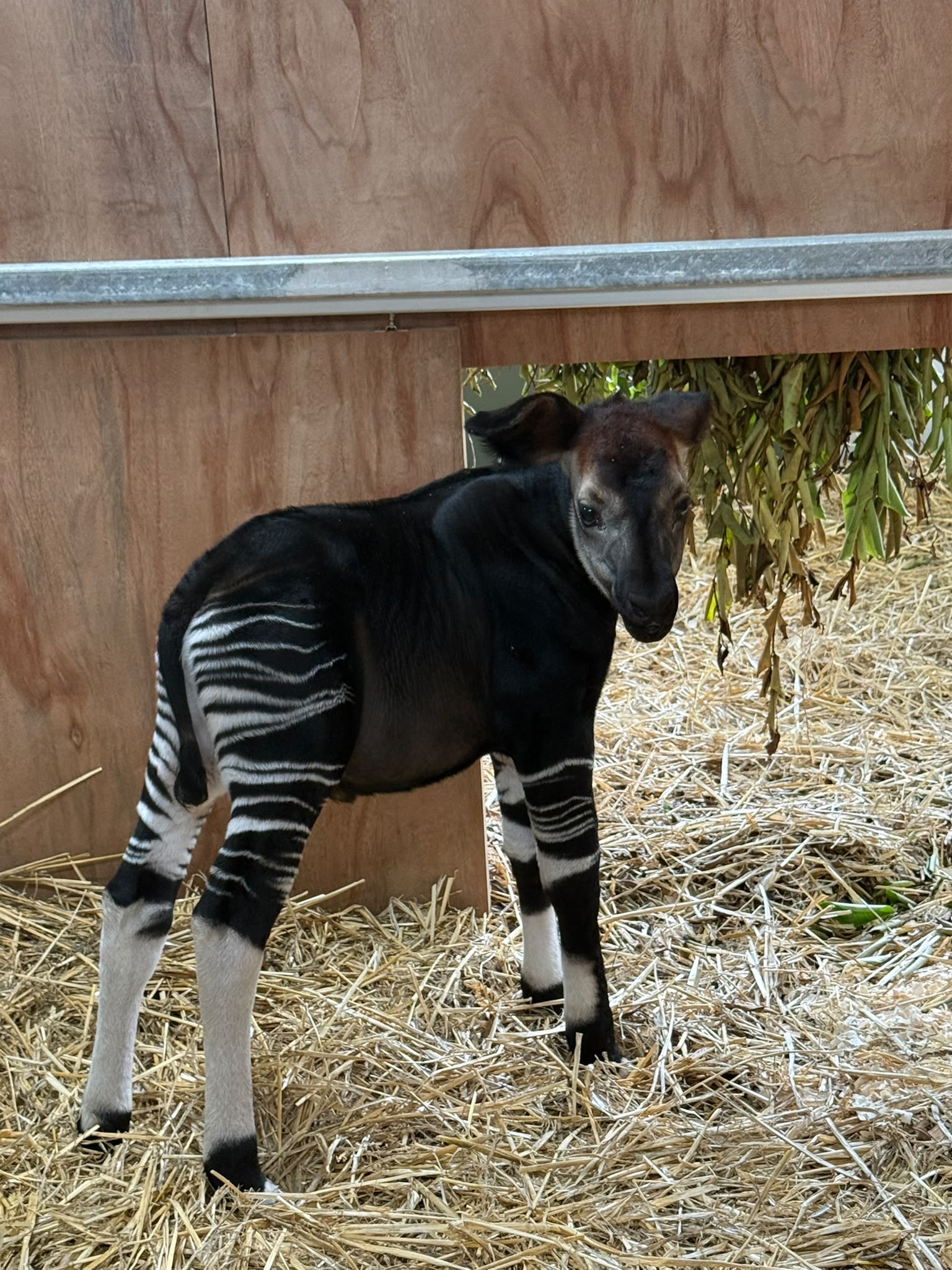 Calf in the calving box. Photo from Mandai Wildlife Group.
Public gets to vote on the calf's name
 Photo from Mandai Wildlife Group.
As part of the celebration, members of the public are invited to help name the okapi calf.
The three options are:
- Imara: meaning strong, reflecting courage, resilience and growth in Swahili;
- Mayaka: meaning pearl in Lingala, symbolising a precious and treasured gift; and
- Kiah: meaning dawn, new beginnings, or start of a season in Swahili.
All three names are inspired by African languages.
Members of the public can cast their votes on Mandai Wildlife Reserve's Facebook and Instagram pages.
For a chance to see Kisala and her calf, visitors to Rainforest Wild Adventure East can head to Hidden Forest.
 Photo from Mandai Wildlife Group.
Xandor is housed in a separate habitat.
However, one thing to note is that as the calf continues to settle into his surroundings, he may not always be visible to visitors.
Two Okapi Ranger Talk sessions will also be held daily at 10:30am and 3pm, where keepers will share more about the species and its behaviour.
Visitors can also enjoy an okapi-inspired cake, which will be available from October 2026 at selected dining outlets.
The outlets include Rangers Pitstop and Rangers Retreat at Rainforest Wild Adventure, and Owa Bistro at Mandai Wildlife East.
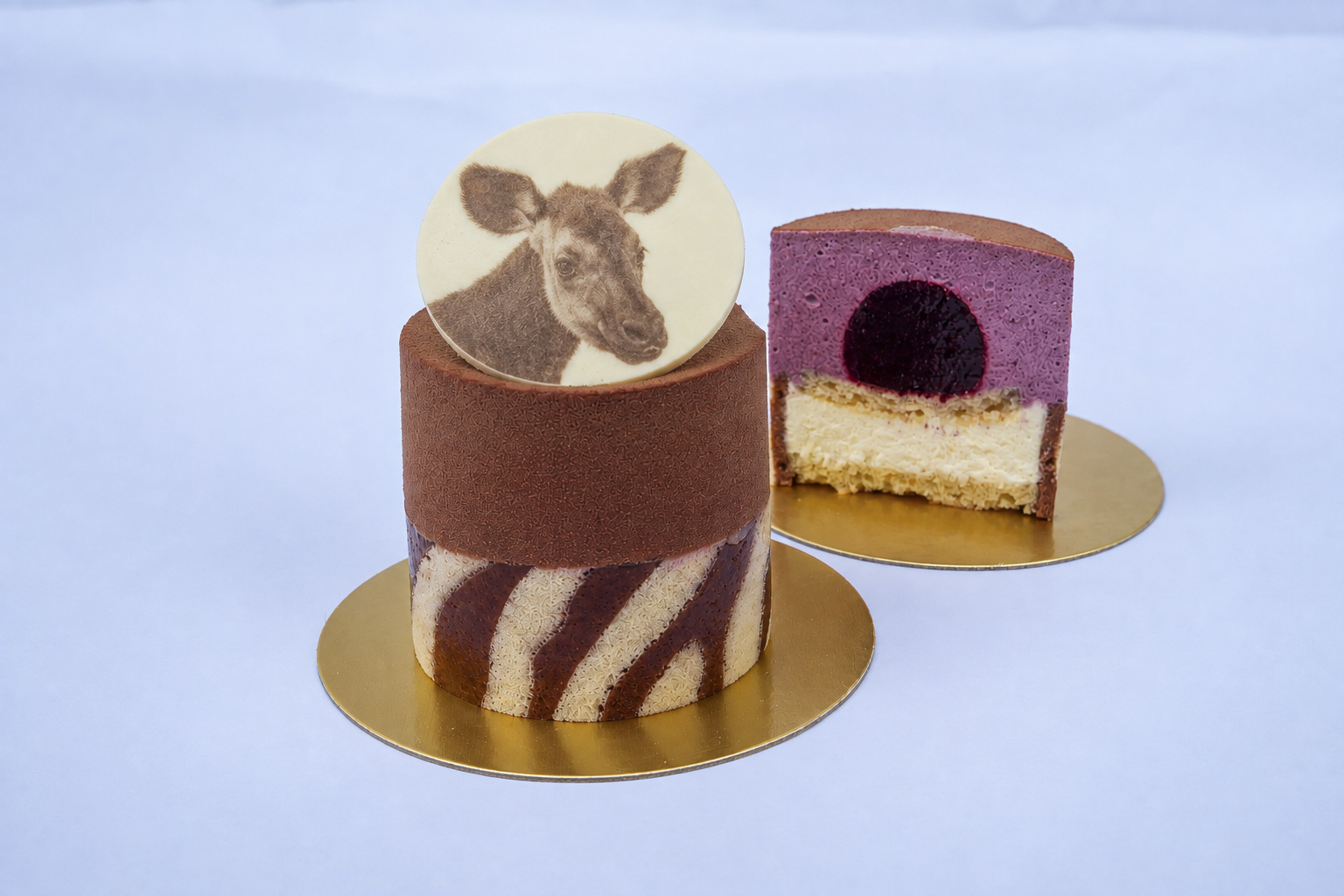 Okapi-inspired cake. Photo from Mandai Wildlife Group
Those looking to take a memento home can also pick up okapi-themed souvenirs at the retail shop at Rainforest Wild Adventure East, including soft toys, tumblers and lanyards.
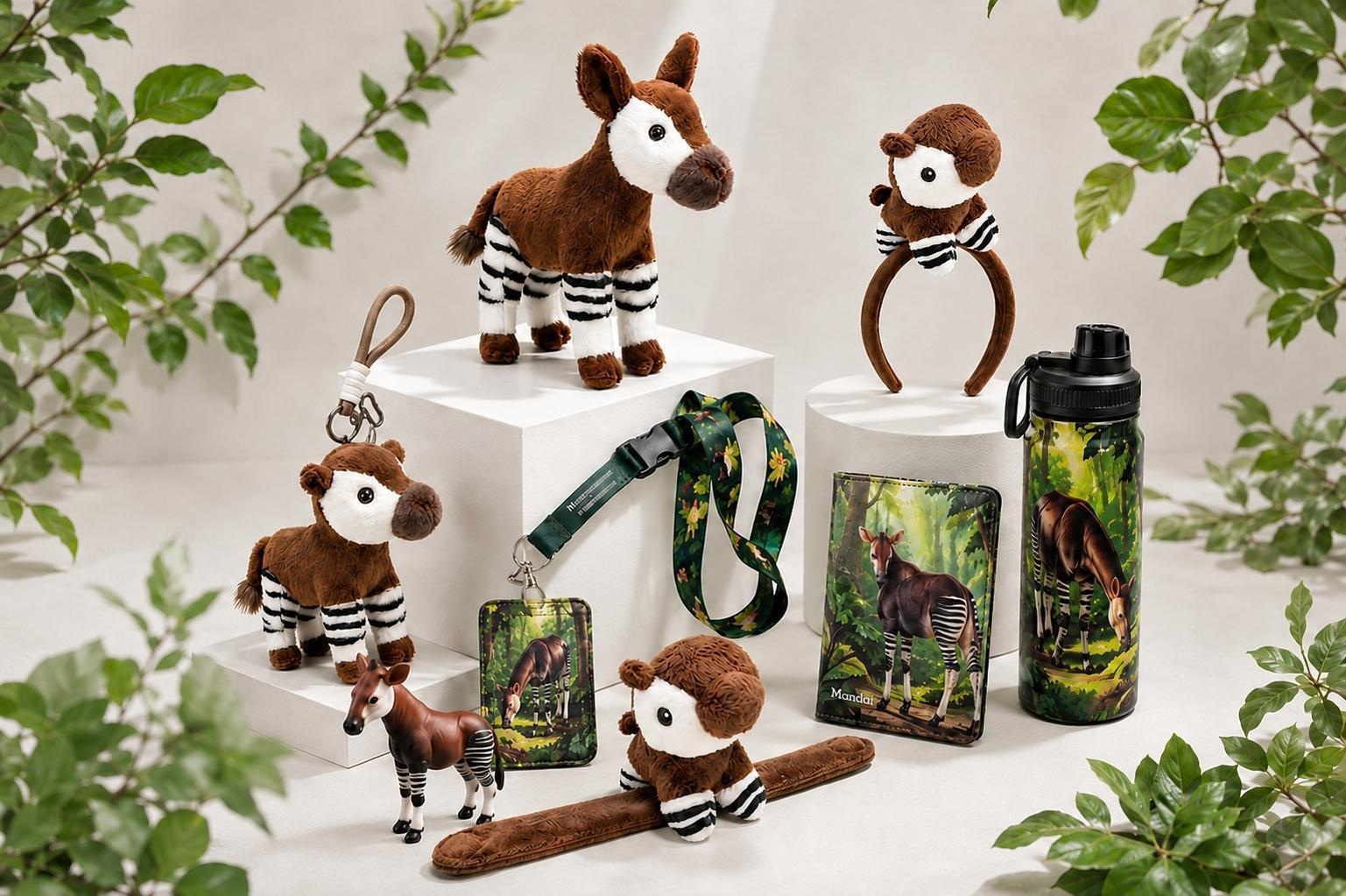 Okapi retail merchandise. Photo from Mandai Wildlife Group.
Other new species arriving at Rainforest Wild
Rainforest Wild Adventure will also welcome another antelope species, the sitatunga, to Red Ravine.
The swamp-dwelling antelope can be identified by its chestnut coat, faint vertical white stripes, and a horizontal white stripe along its lower side.
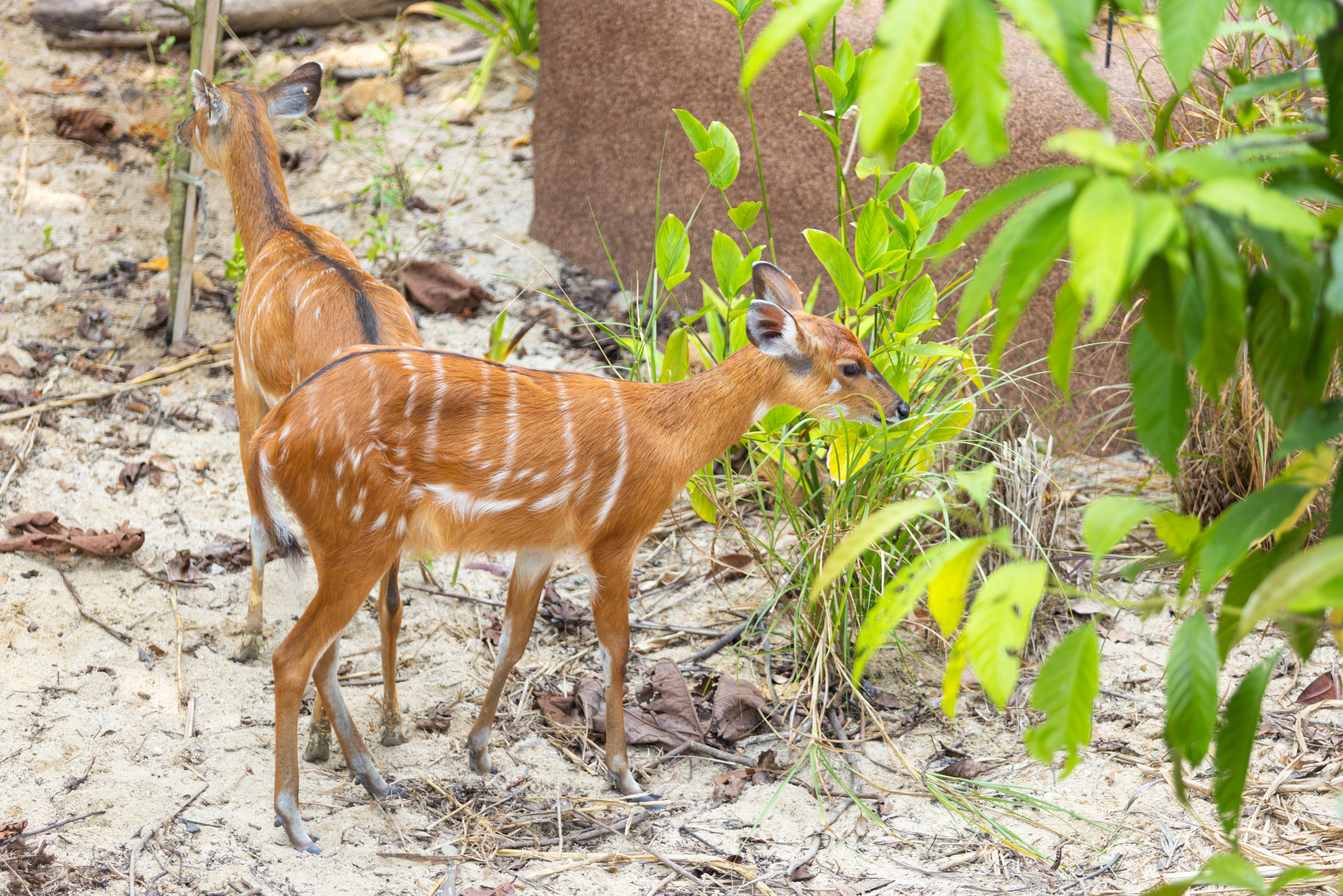 Female sitatungas at Rainforest Wild Adventure East. Photo from Mandai Wildlife Group.
Two more lemur species, the crowned lemur and red-bellied lemur, are also expected to debut at Lemur Land by November 2026.
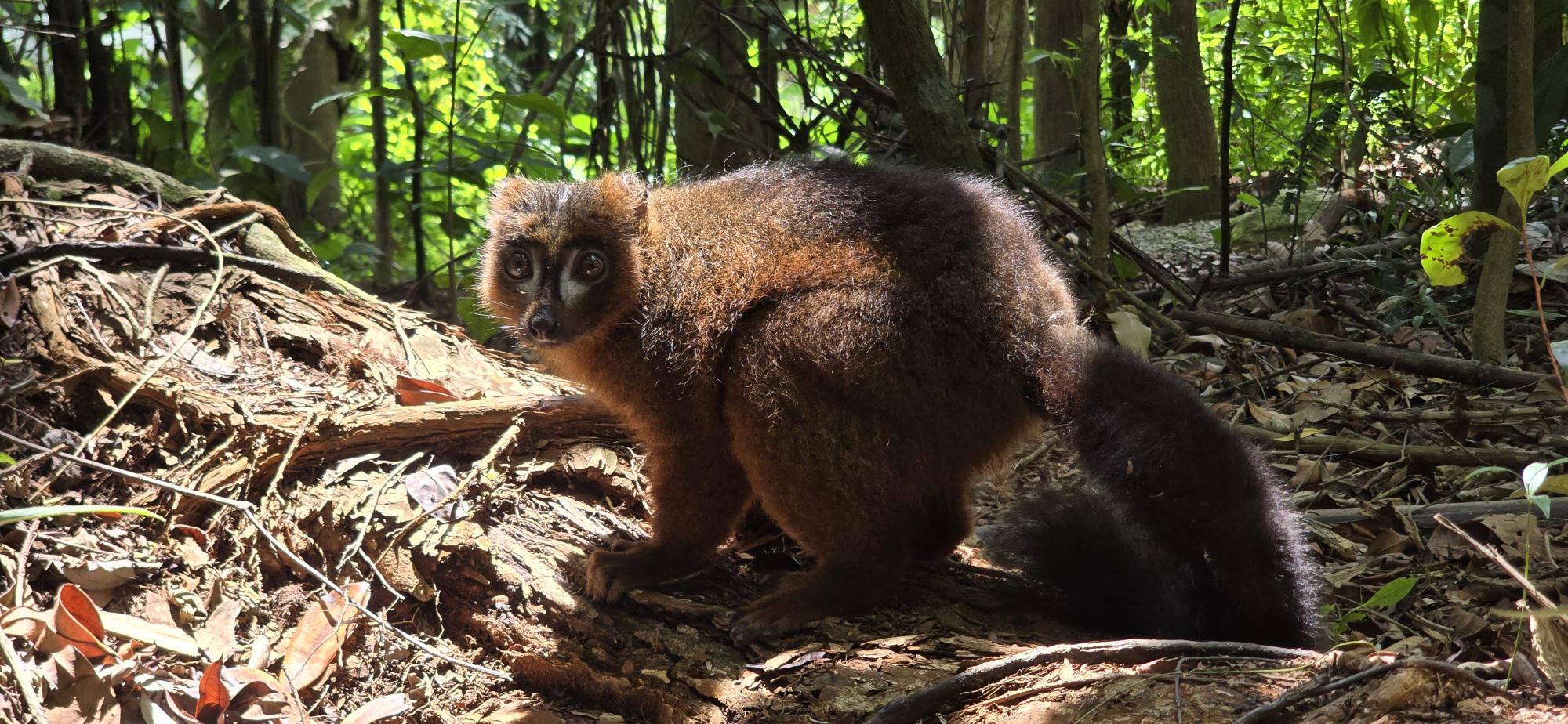 Red-bellied lemur at Lemur Land at Rainforest Wild Adventure East. Photo from Mandai Wildlife Group.
Their arrival will bring the total number of lemur species in Rainforest Wild Adventure East to four.
WildPass members can enjoy local admission rates to Rainforest Wild Adventure, starting from S$25 for senior citizens, S$32 for children aged three to 12 and local students aged 25 and below, and S$45 for adults.