
News


MOM to bring clinics closer to migrant workers under enhanced primary care plan from 2027
“The enhancements reflect MOM's commitment to ensuring that migrant workers have access to affordable primary healthcare.”
August 06, 2026, 02:00 PM
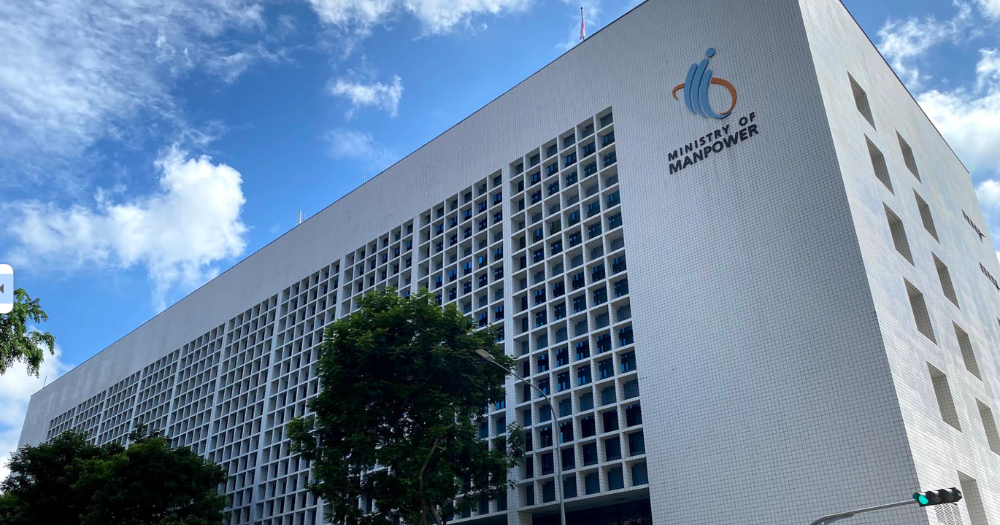
Top image via Google Photos


The Ministry of Manpower (MOM) will enhance the Primary Care Plan (PCP) for migrant workers from Apr. 1, 2027.
The enhanced plan will bring healthcare services closer to where migrant workers live and standardise co-payments, while lowering or maintaining costs for almost all employers.
This comes as the contracts for PCP's three current anchor operators are due to expire on Mar. 31, 2027.
What is the PCP?
Introduced in 2022, the PCP provides migrant workers with access to affordable primary healthcare.
Under the plan, employers pay an annual capitation rate to an Anchor Operator, which entitles their workers to a range of primary care services at designated clinics.
The current PCP operates across six zones. Under the enhanced plan, these will be consolidated into four larger zones, with 22 clinics in total.
What is changing
Under the enhanced PCP, most migrant workers will have access to a clinic within 2km of where they live, down from 3km currently.
Co-payments for both physical clinic consultations and telemedicine services will be standardised at S$5 per consultation.
This is a shift from the current co-pay rates, which are fixed at S$2 for telemedicine consultations and S$5 for physical consultations.
Annual capitation rates will either decrease or remain the same for almost all employers, from the current range of S$108 to S$138 per worker per year, to between S$97 and S$113 per worker per year.
94 per cent of employers will end up paying less than they currently do, MOM said.
MOM will introduce a centralised portal from Apr. 1, 2027, for employers to enrol workers and manage their PCP status.
Separately, operators will enhance their appointment systems so workers can book, change or cancel appointments.
Tung Yui Fai, chief of MOM's Assurance, Care and Engagement (ACE) Group, said the enhancements build on the PCP's strong foundations and are based on the "very positive" feedback from workers.
He said:
"Since the primary care plan was introduced in 2022, it has provided migrant workers with accessible and affordable primary healthcare. Feedback from workers has been very positive, with strong satisfaction scores.
Learning from this and building on the feedback from our stakeholders, we are making changes to enhance the primary care plan."
Four operators, four zones
Four Anchor Operators have been appointed to deliver the enhanced PCP for five years from Apr. 1, 2027.
SATA CommHealth will cover the North zone, serving around 120,000 migrant workers. St Andrew's Mission Hospital will continue in the South under its existing philanthropy-led partnership with MOM, covering around 80,000 workers.
Healthway Medical Group, the only new operator, takes on the East zone with around 90,000 workers. Fullerton Health continues in the West, covering around 100,000 workers.
Healthway Medical Group CEO Abram Suhardiman said the company was driven by a sense of purpose in taking on the role.
He said: "We're heartened to see the strong emphasis that MOM has placed on the health and well-being of the migrant workers. We at Healthway are very honoured to be entrusted with this responsibility."
He added that the company's involvement with migrant worker healthcare is not new, them having played a role during the Covid-19 pandemic through medical centres, vaccination, and onboarding centres.
What the operators are putting in place
Fullerton Health's Derrick Chan said a medical centre for migrant workers in Tuas would be built under the enhanced plan.
The new medical centre will be targeted at migrant workers in the area, and offer telemedicine and multi-language support.
This is so migrant workers can call in their preferred language, particularly those who may not be fluent in English.
St Andrew's Mission Hospital's Pang Ningyi, Head of St Andrew’s Migrant Worker Medical Centre (SAMWMC), said the hospital's focus goes beyond treating common ailments.
Pang said: "We are committed to taking care of every single worker under our charge. This goes beyond just treating the normal cough and cold, but rather we are also focused on preventive healthcare, timely screening, and active prevention of major complications."
What workers and employers need to do
Migrant workers do not need to take any action.
Access to PCP services will continue uninterrupted, and workers will be notified of their new zone, Anchor Operator, and clinic locations via the FWMOMCare app.
Employers will be notified progressively from October 2026 on how their workers will be onboarded with the new Anchor Operators.
Minister of State for Manpower Dinesh Vasu Dash said the enhancements reflect MOM's ongoing commitment to migrant worker welfare.
He said:
"The enhancements to the PCP reflect MOM's commitment to ensuring that migrant workers have access to affordable, accessible and assured primary healthcare, while keeping costs manageable and sustainable for employers.
Together with healthcare providers and industry partners, MOM will continue to strengthen healthcare delivery and improve health outcomes for the migrant worker community."