




Features


‘What else can I do?’: S'pore ice cream vendors plan to keep selling for 'as long' as they can, but how long will that be?
Decades-long traditional ice cream vendors explain why they entered the business, and what keeps them going.
August 13, 2026, 12:30 PM
Photos by Gracia Yap/Mothership


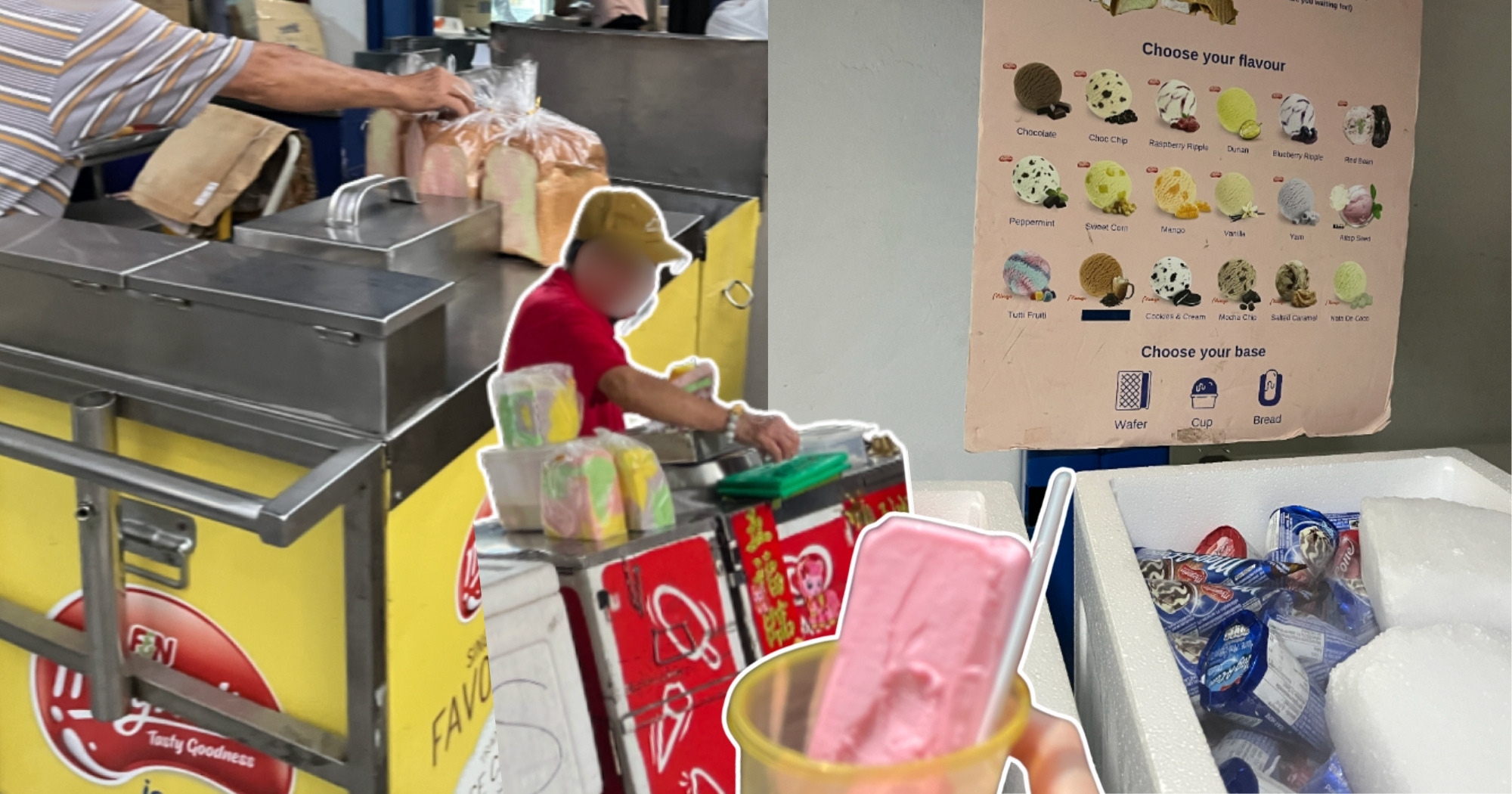
I remember the constant ringing of the cart's bells when I was a primary school student, a kindly uncle materialising, almost by magic, a great chunk of ice cream to put in between a slice of rainbow bread. That was a constant sight (and drain on my pocket money) for years.
Lately though, the ringing has become less frequent.
Not just around my neighbourhood, but Singapore in general.
Wanting to find out just how many of them were left (and have some ice cream with company funds), I began my islandwide search for these nostalgic carts.
Over 50 years
One of the first few people I spoke to was Uncle Soh.
At the age of 16, Uncle Soh went into a trade that not many teenagers would think of doing full-time — selling ice cream.
"I just needed a job," said Soh, now 72.
After getting his licence in 1974, he has been a traditional ice cream vendor for over 50 years.
Operating his cart two to three days a week in Rochor, Soh pointed out that being in this line of work is not easy.
He noted that whether or not business is good varies depending on the day, as he said it gets troublesome when it rains.
Citing other factors such as price hikes and his age, he said he simply takes things day by day.
"I earn just enough for myself," he added in Mandarin.
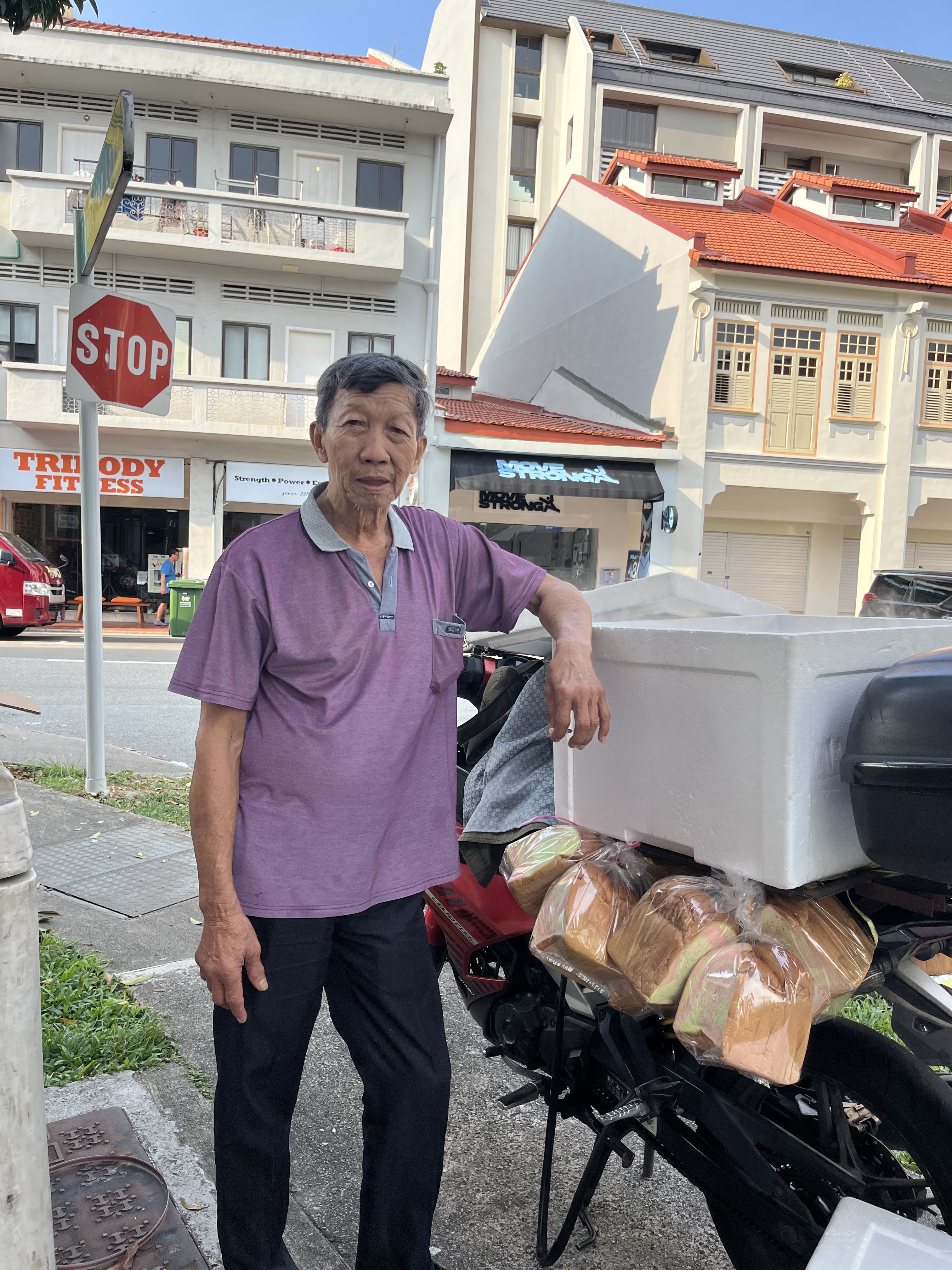 Photo by Mothership
Vendors in business for decades
He is among a number of traditional vendors who spent the past few decades selling ice cream at different locations around Singapore.
That number is declining with the cessation of licenses. I initially had a hard time locating them as well, but the good thing about these vendors is the pattern in areas serviced.
A quick check online showed some folks endearingly referring to a Chinatown ice cream uncle.
And sure enough, there was Uncle Tang.
Tang has been selling ice cream for about 20 years after he got his licence in 2006.
He said that he did not have a job then and went into the business after seeing his friend do so.
 Photo by Mothership
 Photo by Mothership
 Photo by Mothership
Tang's story was similar to some other vendors I talked to.
A 61-year-old vendor who wished to remain anonymous said he has been selling ice cream for over 20 years after getting his licence in 2004.
The vendor, who operates his cart in MacPherson, had to enter the business out of necessity after getting retrenched.
Noting that he needed a source of income at the time to feed his three children, the vendor wrote to a Member of Parliament (MP) requesting help in applying for a licence.
At 7am on Jul. 14, 2026, he was loading his cart with supplies at Chip Guan Heng to prepare for the day's business.
The vendor explained that he earns about S$40 to S$50 a day, just enough for him to get by, before ending work at about 6pm to 7pm each day.
 Photo by Mothership
 Photo by Mothership
The revenue, however, varies according to the location.
Selling until no longer able to
An 80-year-old vendor near Joo Chiat, he said he starts his day early each morning, earning about S$200 to S$300 per day.
He is unsure of how long he can run his business, but plans to do so for as long as he can.
A familiar face outside Orchard Road's Takashimaya Shopping Centre is traditional ice cream vendor, Uncle Chieng.
 Photo by Mothership
 Photo by Mothership
After serving a long line of customers, Chieng said he has been selling ice cream for more than 60 years, over 30 of which have been outside Takashimaya.
He added that it can get very hot and it is also troublesome when it rains, but he enjoys talking to people while operating the cart.
Noting that this is his first job, Chieng said he went into the business as his children like ice cream, and will continue to sell ice cream until he is no longer able to or when his licence expires.
Sunset industry
Speaking to Mothership, director of local ice cream supplier Chip Guan Heng, Kenneth Goh, said the broader trend in the industry is one of "gradual decline", especially because "many ice cream uncles are ageing and retiring".
He pointed out that one of the biggest challenges facing the traditional ice cream trade today is regulatory in nature.
"As no new street hawking licences are being issued, the trade has naturally shrunk over time as older hawkers retire from the industry," Goh said.
Calling it a "sunset industry", a Chip Guan Heng admin and operations manager who wanted to be known as Greg, said that since there is no renewal of licences, the vendors would likely work until they are no longer able to.
Though unsure how long the vendors could continue selling ice cream, he estimated that the traditional business of ice cream carts could possibly go on for another five to 10 years, but noted that "we have to see how the economy evolves as well".
On top of selling ice cream, the vendors also have to restock their supplies, such as the wafers and bread served with the ice cream.
As such, transportation could become a challenge as they grow older, he added.
Restocking
When I visited Chip Guan Heng on Jul. 1, 2026, it was filled with supplies including cups, biscuit wafers and ice cream from different brands.
Vendors would come by at different times of the day to restock their supplies, said Greg, adding that it could be as early as 7am to 9am or in the afternoon.
 Photo by Mothership
 Photo by Mothership
At 6:30am on Jul. 14, workers at Chip Guan Heng were packing items such as dry ice to be delivered to vendors’ individual ice cream carts.
Other items such as bread used to wrap the ice cream, as well as ice cream, were seen being prepared and packed.
 Photo by Mothership
 Photo by Mothership
 Photo by Mothership
 Photo by Mothership
 Photo by Mothership
 Photo by Mothership
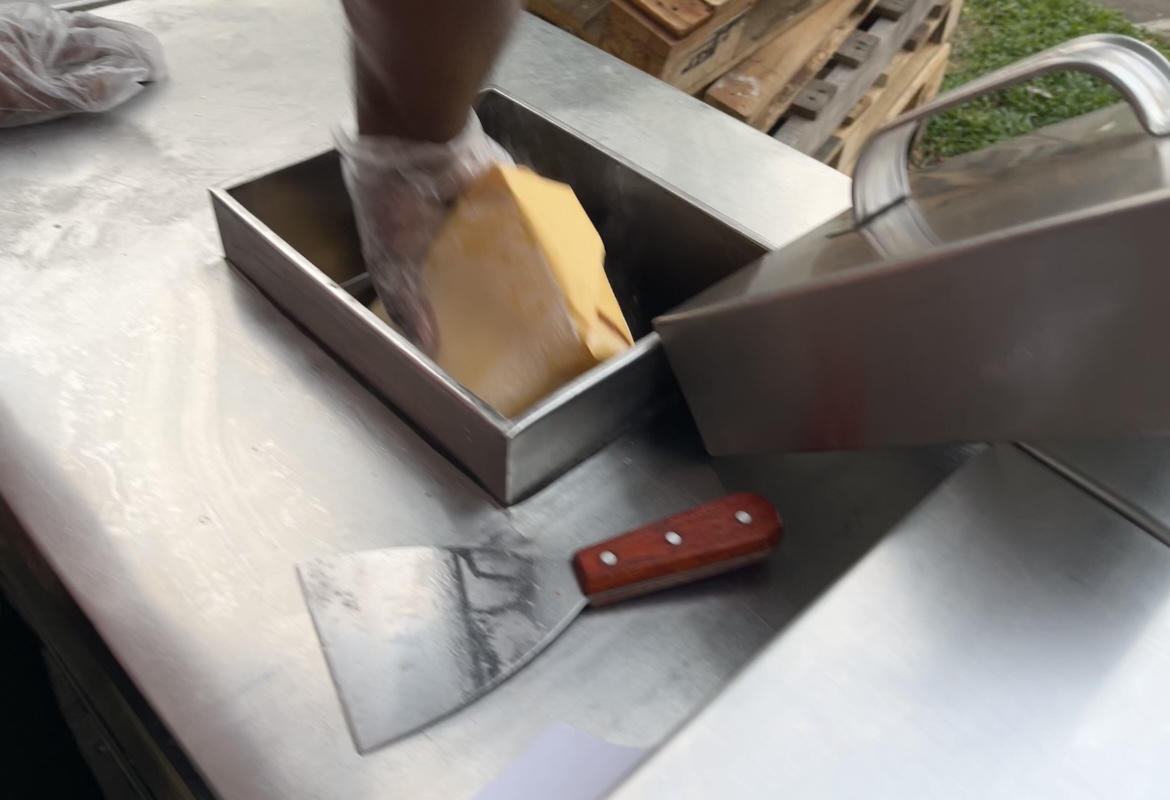 Photo by Mothership
 Photo by Mothership
An individual explained that the vendors may come by before or around 8:30am depending on where they stayed or operated.
Vendors began streaming in from 7am to 10am, where they stocked up on supplies such as dry ice, ice cream and bread.
Noting that vendors are struggling as "they earn from their little margins", Greg said that they also have to "keep up with the cost" due to price hikes.
He added that while there may be a perception that traditional ice cream vendors are still selling at their previous prices of S$1 per ice cream, the price may now have increased to S$1.50 to S$1.80.
Licences
Responding to Mothership's queries, the Singapore Food Agency (SFA) said the Street Hawking Scheme is intended to provide temporary assistance for unemployed individuals in financial need and is not meant to be a permanent livelihood.
All street hawking licences are personal-to-holder and non-transferable.
As of January 2026, there were 135 street hawkers licensed to sell ice cream.
Preferences evolve, nostalgia remains
As consumer preferences evolve, operating costs have increased, and younger consumers now have many more dessert options available, Goh said.
This includes the opening of yogurt and gelato brands, as well as ice cream shops, leaving people spoilt for choice.
The change comes as Goh added that "businesses such as ours have had to pivot and adapt beyond relying purely on the traditional street hawker model".
This meant expanding into areas such as events, corporate activities and modern retail customers, including those who request traditional ice cream carts at weddings for nostalgia.
Goh noted, however, that while the traditional street hawker scene has become much smaller, there is still "strong public affection for it".
"Many Singaporeans still associate the traditional ice cream cart with childhood memories and local culture, which is why we feel it's something worth preserving."







Events