Branded

With energy security in the spotlight, how is S’pore moving away from imported natural gas?
By diversifying our energy mix.
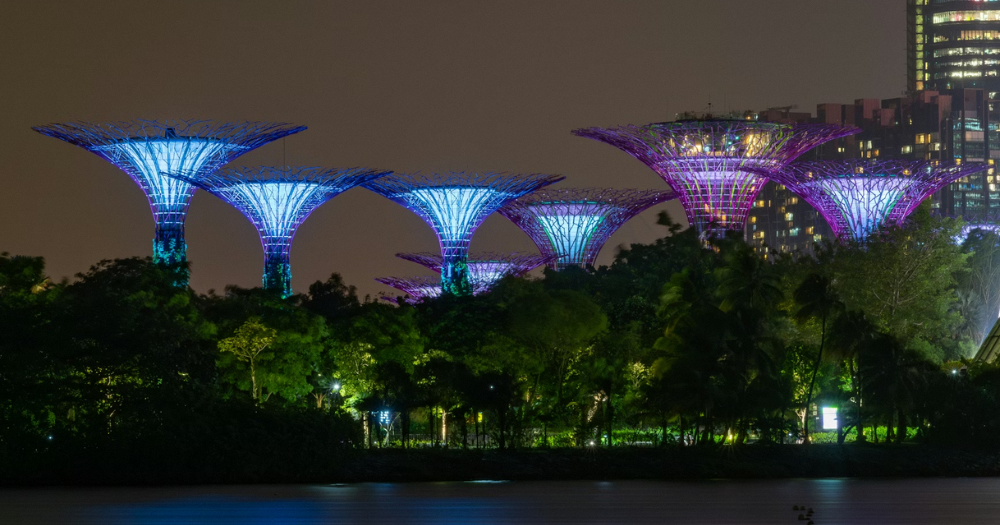
You might have heard that Singapore is considering harnessing nuclear, geothermal, and hydrogen energy as clean sources of electricity.
In 2022, Prime Minister Lawrence Wong, then in his capacity as Deputy Prime Minister, said Singapore has been studying various ways to achieve net-zero emissions by 2050, to help tackle climate change.
But apart from climate reasons, why is this push for more energy sources important?
Singapore’s energy challenge isn’t just about being sustainable
The challenge lies in striking a balance between environmental sustainability, energy security and cost competitiveness.
Cleaner energy sources can be more costly. Some energy sources are cheaper but may come with higher emissions. Relying too heavily on a single energy source can expose us to supply risks.
This balancing act shapes how Singapore plans our energy future.
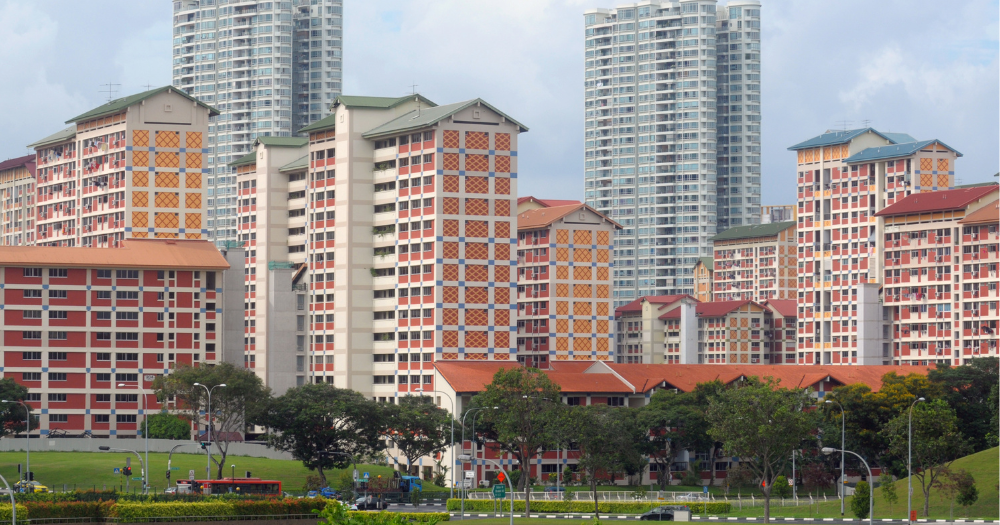
95 per cent of Singapore’s electricity currently comes from imported natural gas
Singapore currently gets most of its electricity from imported natural gas – which is the cleanest form of fossil fuels today. It will continue to be a key fuel source as Singapore scales up its renewable energy deployment.
But to achieve our net-zero emissions goal or a state where greenhouse gas emissions and removal are in balance, while keeping costs affordable and protecting ourselves from overexposure to global energy supply disruptions, Singapore needs to diversify its energy sources.
The ongoing Middle East conflict is also a reminder that global events can quickly affect energy markets. For Singapore, which imports almost all of its energy, ensuring a resilient and diversified supply is critical.
Singapore is already one of the most solar-dense cities in the world
With its abundance of sunlight all year round, Singapore is currently one of the most solar-dense cities in the world, having achieved 2 gigawatt-peak (GWp) of solar deployment in 2025. The next target is to scale this to 3GWp by 2030 – enough to power around half a million households a year.
From rooftops to water bodies, building exteriors to temporary vacant land, solar panels are found everywhere across the island.
Energy storage systems (ESS), which are like large batteries that can store and discharge power, have also been deployed to manage the problem of solar energy’s intermittency, because sunlight is not always available.
But land constraints mean there is a limit to how much solar energy can be harnessed. In the best scenario, solar is estimated to be able to ultimately meet only 10 per cent of Singapore’s energy needs.
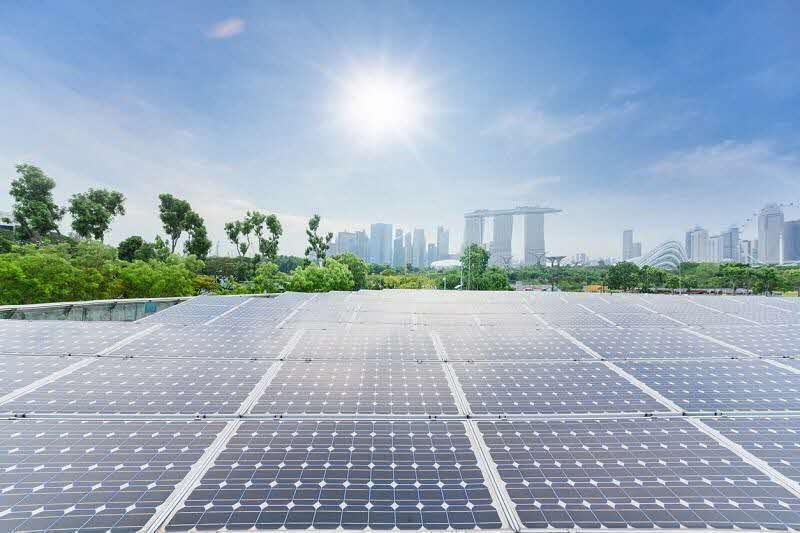 Photo via EMA
Importing low-carbon electricity from other countries
Countries in the region have what we don’t – abundant renewable energy resources like wind, hydropower and even more solar.
Among these countries are Australia, Cambodia, Indonesia, Malaysia and Vietnam, with whom Singapore has embarked on projects to import low-carbon electricity.
The aim is to import around one-third of Singapore’s electricity demand by 2035. Importing low-carbon electricity will also promote the development of renewable energy around Southeast Asia.
According to the Ministry of Trade and Industry (MTI), Singapore has awarded Conditional Approvals to 11 projects to import 8.35GW of low-carbon electricity from Australia, Cambodia, Indonesia, Sarawak (Malaysia) and Vietnam.
Why is nuclear energy being considered as an energy source?
As a small country with limited domestic energy sources, Singapore does not have the luxury of energy options.
To meet our electricity generation needs in a sustainable, safe, reliable and cost-competitive way, one of the options Singapore is studying is advanced nuclear energy technologies.
Advancements in safety
With technology advancement, next-generation nuclear power plants can be much safer than many of the existing plants in operation.
For instance, the safety buffers for advanced nuclear energy technologies such as small modular reactors can be significantly reduced, potentially to as low as a few hundred metres.
Being smaller also allows for enhanced safety features, without relying on external power or human intervention for safety.
However, these technologies have not yet been deployed at a commercial scale and need to be studied further.
For now, Singapore’s focus is on building our domestic capabilities to assess nuclear energy technologies.
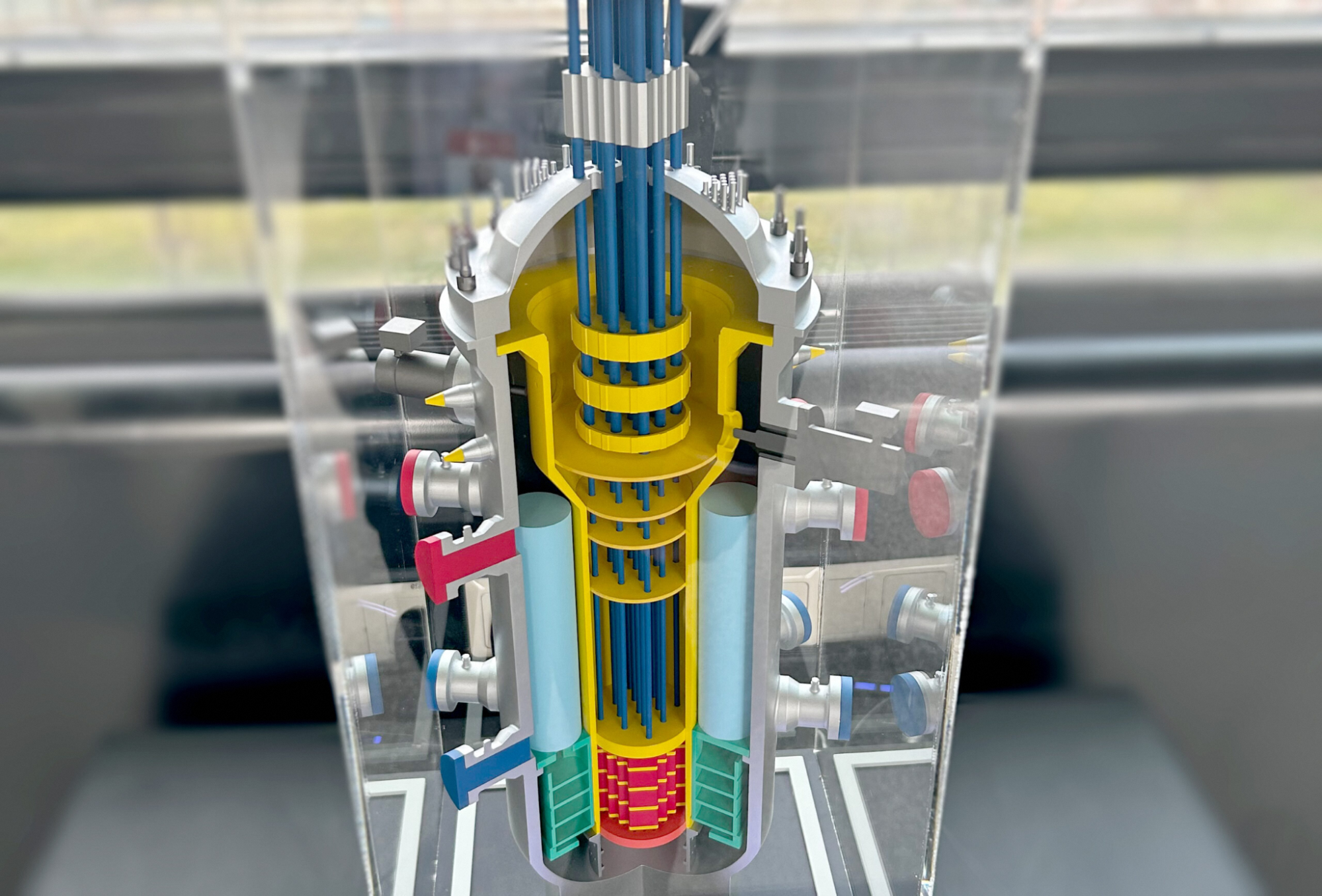 Westinghouse AP300 small modular reactors. Photo via Nuclear Newswire
Why is hydrogen also being considered?
The production of hydrogen through low-emission methods, such as through the electrolysis of water using renewable energy, can have close to zero emissions, so it is a much cleaner alternative to fossil fuels.
Hydrogen has potential to be used in different applications, including as a fuel for power generation and maritime bunkering, or as a feedstock for industrial applications.
Challenges to scale up hydrogen deployment
A major challenge however, is that technologies to produce and transport or ship low-carbon hydrogen are still developing and has yet to scale up, which means that the production and transportation of low-carbon hydrogen remains expensive today.
That is why we need to continue investing in research and development of hydrogen and its derivatives. In the meantime, Singapore seeks to understand and build up capabilities through small-scale demonstration projects to help the technology scale down the cost curve, and improve our understanding of how best to handle hydrogen and its derivatives like ammonia.
We also continue to futureproof our infrastructure. At least four hydrogen-ready Combined-Cycle Gas Turbines (CCGTs) are scheduled to be progressively up and running from end-2026.
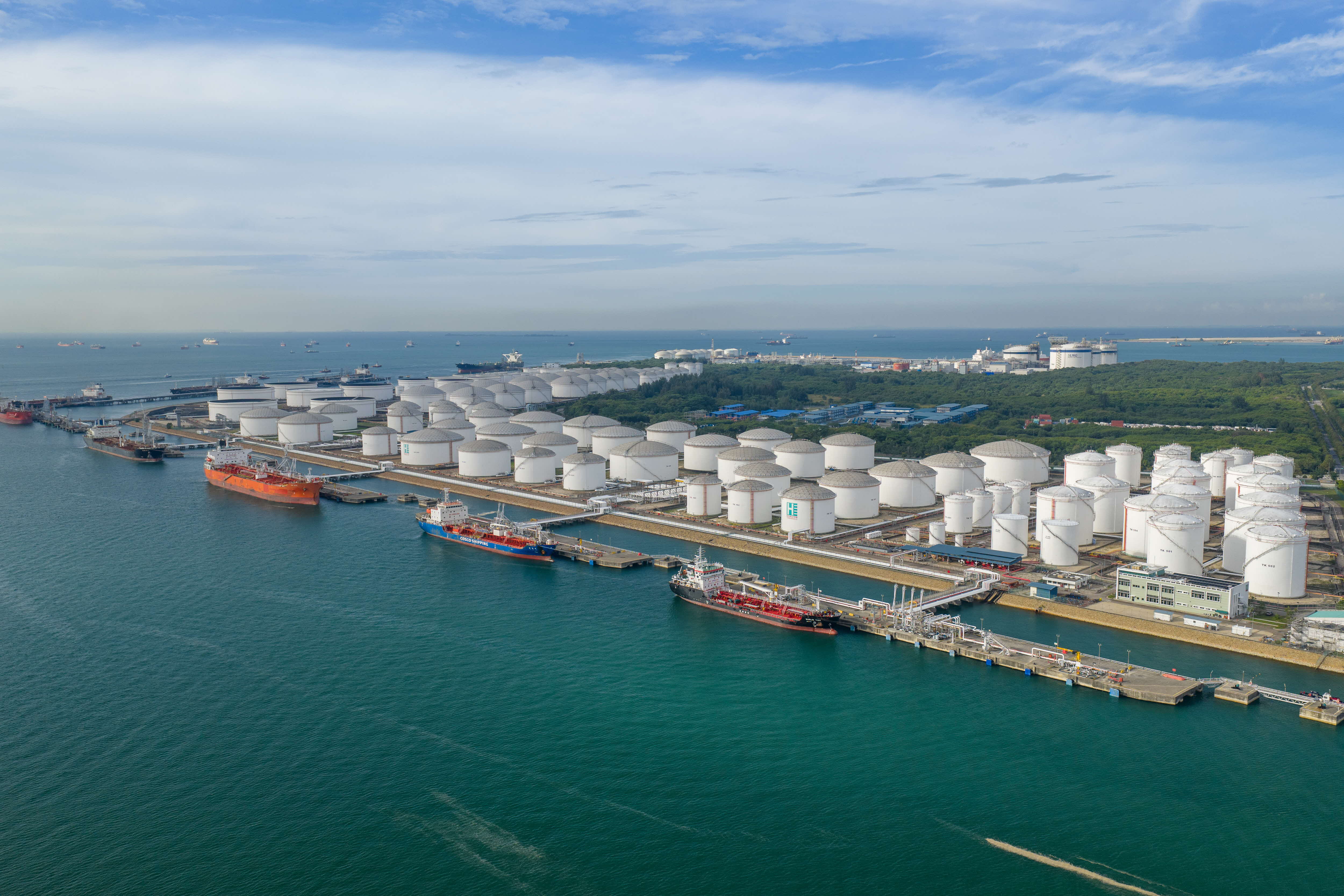 Photo via JTC
What about geothermal energy?
Another low-carbon alternative that Singapore is exploring is geothermal energy, given technological advances in Advanced and Enhanced Geothermal Systems globally.
Because Singapore is situated within a region of high subsurface heat flow, it is technically possible to harness heat from deep underground to generate electricity.
In July 2025, The Straits Times reported that a second discovery of high temperatures in northern Singapore shows that there is potential for tapping on geothermal energy for electricity generation.
The downside? Cost-effectiveness may be an issue given the costs of tunnelling and constructing geothermal energy infrastructure.
The Energy Market Authority (EMA) is now studying Singapore’s underground heat resources to ascertain its viability.
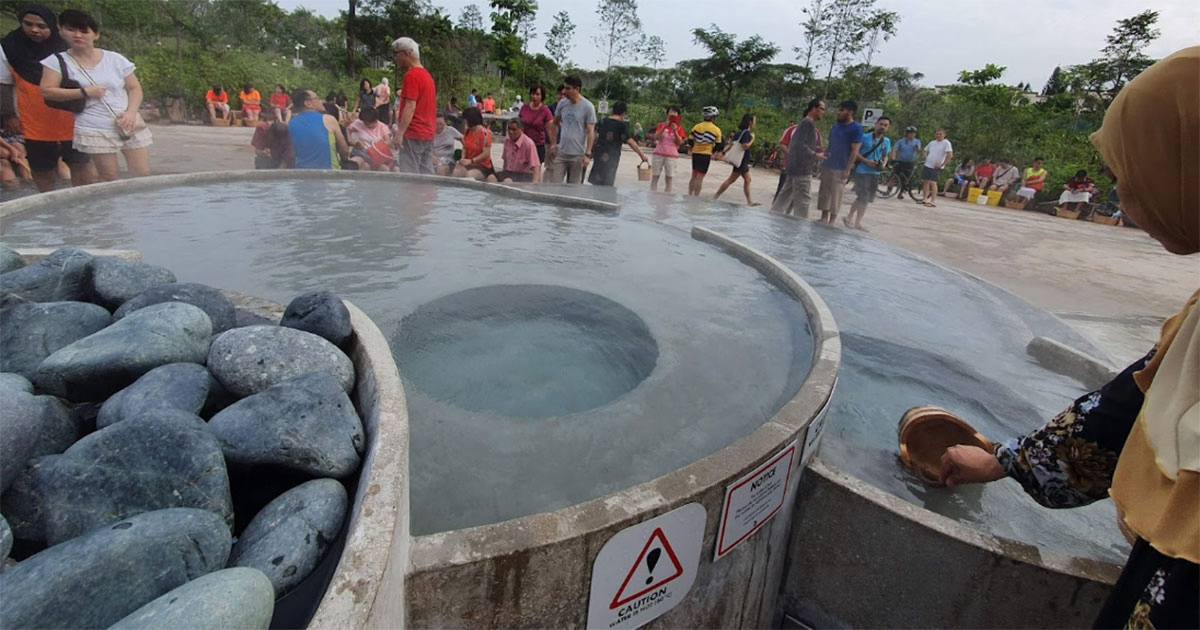 Sembawang Hot Spring Park. Photo via Google Maps
A variety of sources could meet the bulk of our needs in future
Even in the most optimistic scenario, Singapore’s net-zero goal will be a tricky balancing act.
But it is in meeting such challenges, that new opportunities also await.
As EMA Chief Executive Puah Kok Keong said: “There will be new energy technologies, new jobs, and new skill sets needed. The workforce will have to transform. Companies will need to pivot.”
Aside from harnessing new forms of clean energy, managing the carbon emissions of Singapore’s existing energy supply is also part of the solution to achieve net-zero.
Above all, Singapore “must continue to make sure the grid stays reliable, and that costs remain affordable for households and businesses,” he pointed out.
This branded article by MTI made this writer much more knowledgeable about Singapore’s energy sources.
Cover photo courtesy of Unsplash