News

S'pore's capital punishment policy helped stem tide of drugs & saved countless lives: S'pore High Commission in Australia
Response.
December 22, 2025, 06:17 PM


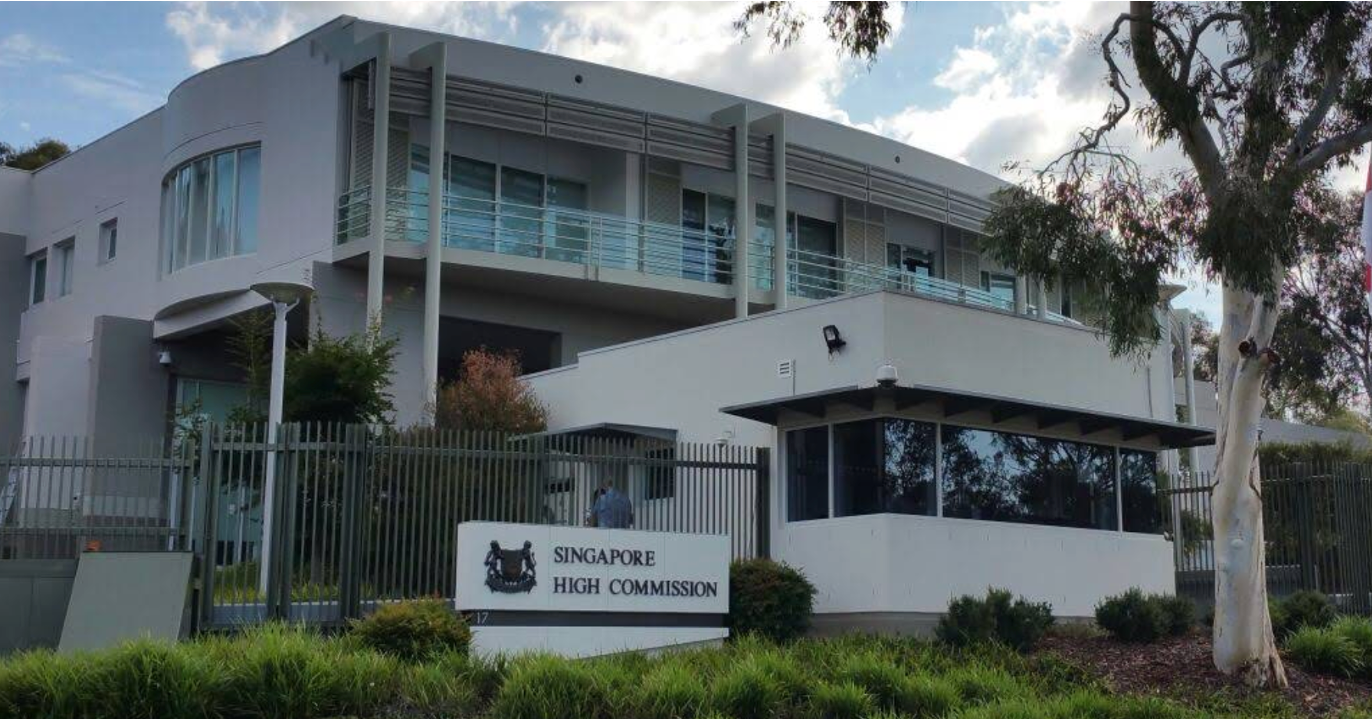
Singapore's High Commission in Canberra, Australia, has responded to an article on Australian publication Sydney Morning Herald (SMH) that criticised Singapore's tough stance on drugs, particularly the death penalty for drug traffickers.
Article
On Dec. 18, 2025, SMH published a piece by Zach Hope, a Southeast Asia correspondent. Hope noted that 17 individuals had been executed in Singapore in 2025 to date, with all but two drug offenders.
Hope referred to cases both historical and current, such as Van Tuong Nguyen, an Australian citizen executed in 2005, and Pannir Selvam, a Malaysian citizen executed in October 2025.
Hope also mentioned Singapore's Protection from Online Falsehoods and Manipulations Act (Pofma), which he describes as:
"...a tool allowing the government to order journalists, academic publications and opposition politicians to publish “corrections” to information it deems incorrect.
While the rationale is to protect citizens from lies that could upset civic harmony, critics say it extends to information or views the government doesn’t like."
Hope also quoted Nguyen's lawyer and Singaporean activist group Transformative Justice Collective, as well as Home Affairs Minister Shanmugam and Singapore's High Commissioner to Australia Anil Nayar, who penned an op-ed in March 2025 on the issue.
The Facebook post shared by the High Commission on Dec. 22, 2025, mentions the op-ed.
The full post is shared below:
"𝗧𝗛𝗘 𝗦𝗜𝗡𝗚𝗔𝗣𝗢𝗥𝗘 𝗚𝗢𝗩𝗘𝗥𝗡𝗠𝗘𝗡𝗧 𝗪𝗜𝗟𝗟 𝗡𝗢𝗧 𝗔𝗕𝗗𝗜𝗖𝗔𝗧𝗘 𝗢𝗨𝗥 𝗥𝗘𝗦𝗣𝗢𝗡𝗦𝗜𝗕𝗜𝗟𝗜𝗧𝗬 𝗧𝗢 𝗣𝗥𝗢𝗧𝗘𝗖𝗧 𝗢𝗨𝗥 𝗖𝗜𝗧𝗜𝗭𝗘𝗡𝗦.
On 18 December 2025, the Sydney Morning Herald carried an article titled "Singapore hanged more people this year than it has in decades".
Appended below is the Singapore High Commission's response to the article.
==
Capital punishment in Singapore is imposed in strict accordance with the law, and only after due process and rigorous trial before a globally recognised, highly ranked judicial system.
Prisoners awaiting capital punishment are scheduled for execution only after they have exhausted all legal recourse in relation to their conviction and sentence, including the appeal and clemency process, which can sometimes take years.
Singapore’s policies on capital punishment and drugs have worked for us, helping us stem the tide of illicit drugs and save countless lives. The arguments raised in the article are not new. The pejorative labels and insinuations used therein are regrettable.
The Protection from Online Falsehoods and Manipulation Act does not limit dissent or suppress alternative perspectives. A correction direction under the Act merely requires the recipient to set out the government’s position alongside the original content, allowing readers to draw their own conclusions.
We invite readers to consider the arguments made in our op-ed, “Singapore’s drug stance works, regionally and socially”, March 26).
As ever, the Singapore government will not abdicate our responsibility to protect our citizens."
Top image via Google Maps.