News

Jakarta to ban sale & consumption of dog meat, F&B owners say it's tradition
Sellers continue to hawk dog meat under coded names such as "Scooby-Doo", "B1" or "rica guguk".
October 28, 2025, 04:31 PM


The Jakarta government is preparing to issue a new piece of legislation banning the trade and consumption of dog and cat meat.
The landmark move is aimed at protecting public health, curbing rabies, and advancing animal welfare, reported CNN Indonesia.
Jakarta governor Pramono Anung said the controversial new law, which is expected to be finalised within a month, would make it illegal to sell or serve dog and cat meat in the capital.
“The dog meat trade situation in Jakarta is very concerning and urgent action is needed to ban it,” he said, after meeting representatives of the Dog Meat Free Indonesia (DMFI) organisation at Jakarta City Hall on Oct. 13.
"Dog meat is not for consumption in Jakarta."
The move comes amid growing concern over the health risks posed by the dog meat trade and mounting public support for stronger animal protection measures.
Jakarta has been rabies-free for the past 21 years — one of the 11 of Indonesia's 38 provinces with that status — and authorities hope the new regulation will help maintain that status as Indonesia aims to be rabies-free by 2030.
Pets not food
In recent years, dog meat has seen a decline in demand and has become less frequently seen in Jakarta food outlets.
Younger Indonesians increasingly view dogs and cats as companions rather than food, while public pressure from animal welfare groups continues to grow.
But around 9,000 dogs are still slaughtered for consumption in the city every month, reported Jakarta Post.
Francine Widjojo, a member of the Jakarta Regional People's Representative Council (DPRD) and founder of the Animal-Friendly Jakarta initiative, said the proposed ban aligns with national food safety laws and a moral responsibility to prevent cruelty.
She said that the dog meat trade often involves cruel practices, such as pet theft, animal poisoning and torture before slaughter, according to Kompas.
 Screenshot via NarasiNewsroom/Youtube
 Screenshot via narasinewsroom/YouTube
Animal rights groups also hailed the decision.
A spokesperson from Dog Meat Free Indonesia (DMFI) said the capital's move “will be an excellent example for all provinces nationwide”, according to Berita Jakarta.
While Doni Herdaru Tona of Animal Defenders Indonesia praised the city’s courage:
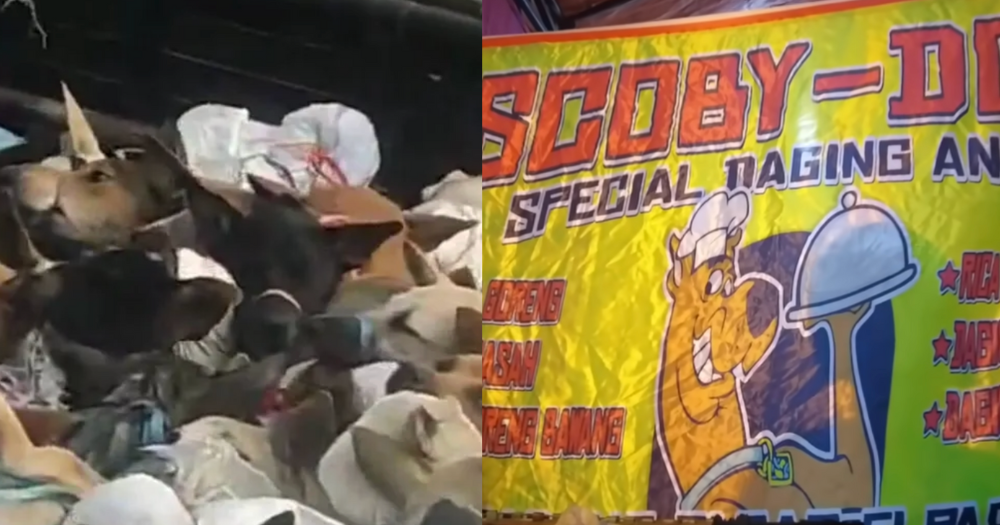
"We witnessed firsthand the incredible suffering these dogs endured. They were stolen from their owners, stuffed into sacks, transported in appalling conditions, and then slaughtered for sale.
Therefore, this Jakarta Provincial Government policy marks a significant turning point in the long struggle against animal cruelty.”
"Unfair"
But some restaurateurs and customers have called the planned ban unfair and said consumption of dog meat is part of local tradition.
Dog meat, known by names such as B1, rica guguk or even "Scooby-Doo", is believed by some in the community to boost health, prevent Covid-19, and is used as a popular home remedy for dengue patients.
Lastri, who runs a Batak restaurant serving dog saksang, said demand for her dishes had grown as other stalls closed, as reported by The Straits Times.
“We get the meat from wild dogs our supplier sources from the forest of Sukabumi (in West Java province), not from domesticated dogs. I, myself, keep dogs as pets, but never use (my dogs) as food ingredients.”
Another Jakarta resident said that it is a "family tradition" to cook dog saksang whenever a family member is feeling unwell.
 Screenshot via NarasiNewsroom/YouTube
 Screenshot via bendinoproject/TikTok
But medical experts say there is no scientific basis for the alleged benefits of dog meat, and that it in fact poses a public health risk.
Consuming meat from dogs or cats carries “a high risk of zoonotic disease transmission”, including rabies, salmonellosis and worm infections, according to an epidemiologist, Dicky Budiman.
The supply chain for dog meat distribution is highly unregulated and lacks supervision by official authorities, Budiman explained.
There are no veterinary inspections, temperature controls, or sanitation standards during storage and distribution.
The slaughtering process often takes place in open areas which leads to leftover blood, fur and animal organs being mixed in with other food items sold nearby.
The epidemiologist added that such conditions create a "time bomb" for the spread of new diseases that could trigger an epidemic.
Will be enforced
A Youtube video investigation in Solo found that many stalls now operate discreetly, using coded signage like “RW” or “RR” to avoid public backlash and municipal scrutiny.
 Screenshot via narasinewsroom/YouTube
But governor Pramono said the regulation would be enforced by the authorities and regional officials through on-site inspections once it takes effect, reported Berita Jakarta.
“Hopefully, Jakarta will set an example in this regard," he said.
Top images via animals_hopeshelterindonesia/Instagram, narasinewsroom/YouTube