News
S'poreans travelling to Johor can use QR codes to clear immigration from Sep. 22 under pilot programme
The pilot will subsequently be rolled out at international airports across Malaysia.
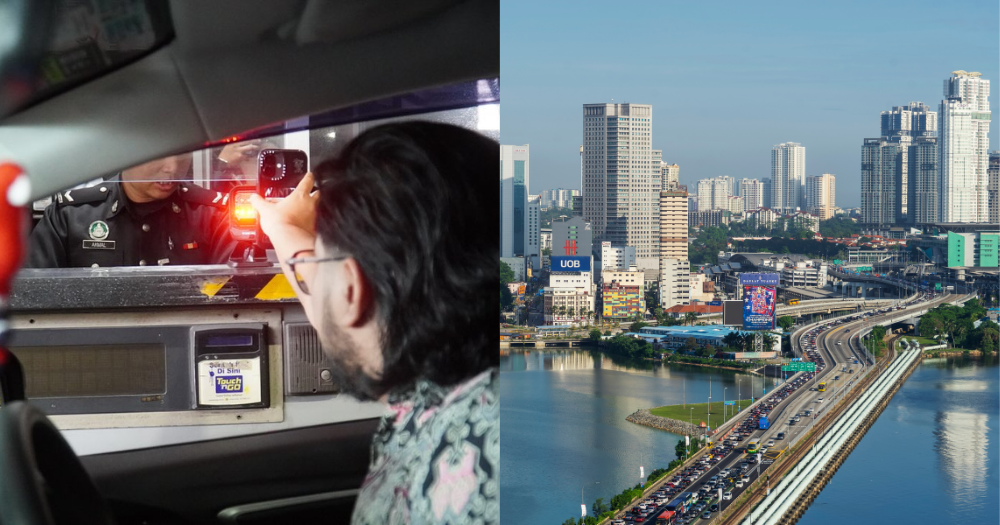


Singaporeans travelling to or from Johor Bahru, Malaysia, can soon enjoy passport-less immigration clearance using QR codes.
This comes as part of a trial run for Malaysia's National Integrated Immigration System (NIISe), which is set to begin on Sep. 22.
NIISE to replace old system, uses AI
NIISE was launched in March 2021, as part of the Malaysian government's efforts to replace its old Malaysian Immigration System (MyIMMs).
Designed to cover the full spectrum of immigration functions, NIISE uses artificial intelligence and machine learning to monitor threats in real time, assign risk scores and analyse traveller behaviour.
According to New Straits Times (NST), the new system also has e-digital stamping, which digitises immigration documents and endorsements, enhancing efficiency at checkpoints while reducing risks of fraud and forgery.
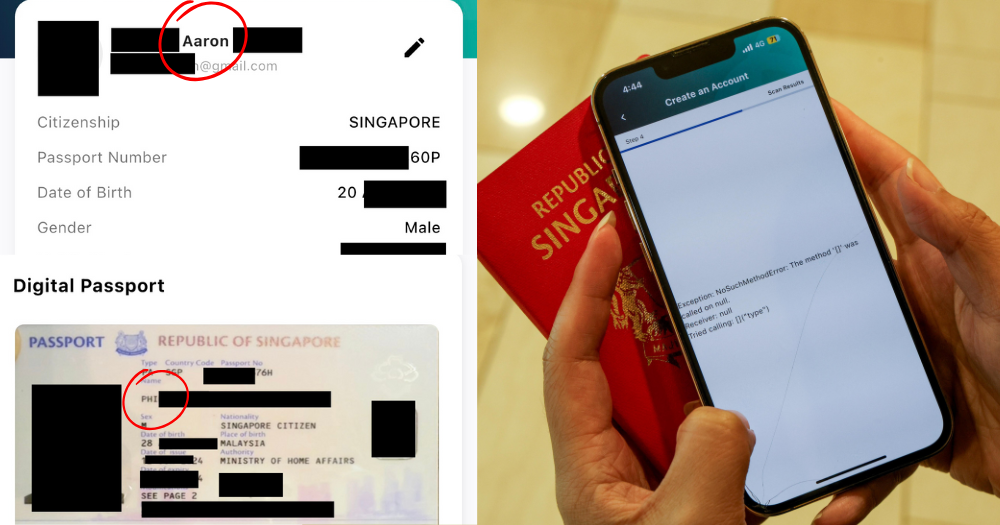
The MyNIISe app will cover two land checkpoints in downtown JB and Second Link
The pilot programme will allow drivers to scan a MyNIISe-generated QR code at dedicated lanes instead of waiting for manual checks at counters.
The MyNIISe app will cover Malaysians and travellers from 63 countries and territories, including Singapore, at the two land checkpoints in downtown JB and the Second Link.
According to The Star, the app is available on the Apple App Store, Google Play Store and Huawei App Gallery.
Malaysia's Home Ministry revealed that the trial run will continue in stages at five key international airports across the country.
They are KLIA Terminals 1 and 2, Penang International Airport in Bayan Lepas, Kuching International Airport in Sarawak, and Kota Kinabalu International Airport in Sabah.
The trial is expected to end on Feb. 28 2026.
Citing a statement by Malaysia's Home Ministry on Sep. 17, The Star reported that during the trial period, the current QR code system and MyBorderPass application can still be used for entry and exit procedures.
"However, the public, including foreign visitors, are encouraged to download the new MyNIISe mobile application, which can be used at activated entry lanes," the statement read.
QR codes will also be used for the new RTS link
Speaking to The Straits Times (ST), the Malaysian Immigration Department's NIISe project team stated that commuters travelling in groups will now be able to clear immigration checks using a single QR code.
This is in contrast to the current MyBorderPass app, which requires each traveller to scan a QR code when clearing immigration.
Moreover, the app will later be rolled out to the single immigration clearance system for the upcoming Johor Bahru-Singapore Rapid Transit System Link, where passengers are required to clear both Singapore and Malaysia immigration only at the point of departure.
Valid travel documents or passports are still required
Malaysia's Home Ministry stressed that travellers should still carry their passports or valid travel documents with them, The Star reported.
"Once the trial period ends, NIISe will replace the existing QR code system to enhance the efficiency of automatic security checks at the nation's entry points," they added.
Expected to ease human traffic
NST reported that according to Johor Infrastructure, Transport and Communication Committee chairman Mohamad Fazli Salleh, the initiative is expected to ease congestion at both land checkpoints significantly and cut waiting times.
"Johoreans can look forward to smoother, faster travel into Singapore. With just a simple scan, there is no need for prolonged queuing at counters," Fazli said.
He further added that the purpose of the trial run is to assess public response and operational efficiency before implementing the initiative fully.
According to ST, 27 immigration booths at the Johor Bahru checkpoint are equipped to recognise the MyNIISe app as part of the trial.
Of the 27, eight booths are meant for inbound cars, another eight for outbound cars, seven for motorcycles exiting Malaysia and two each for commuters at the departure and arrival halls.
On the other hand, 14 booths will be opened at the Second Link checkpoint. Six of the booths will be meant for cars, four for motorcycles, and two for pedestrians in each direction.
Top photos via Fazli Saleh/Facebook and Canva