



News

Malay-Muslim community confident to contribute to S'pore's future, having grown in strength: Faishal Ibrahim
He said more would be done to strengthen families, have more prayer areas, and enhance representation of sub-groups.
September 23, 2025, 03:56 PM
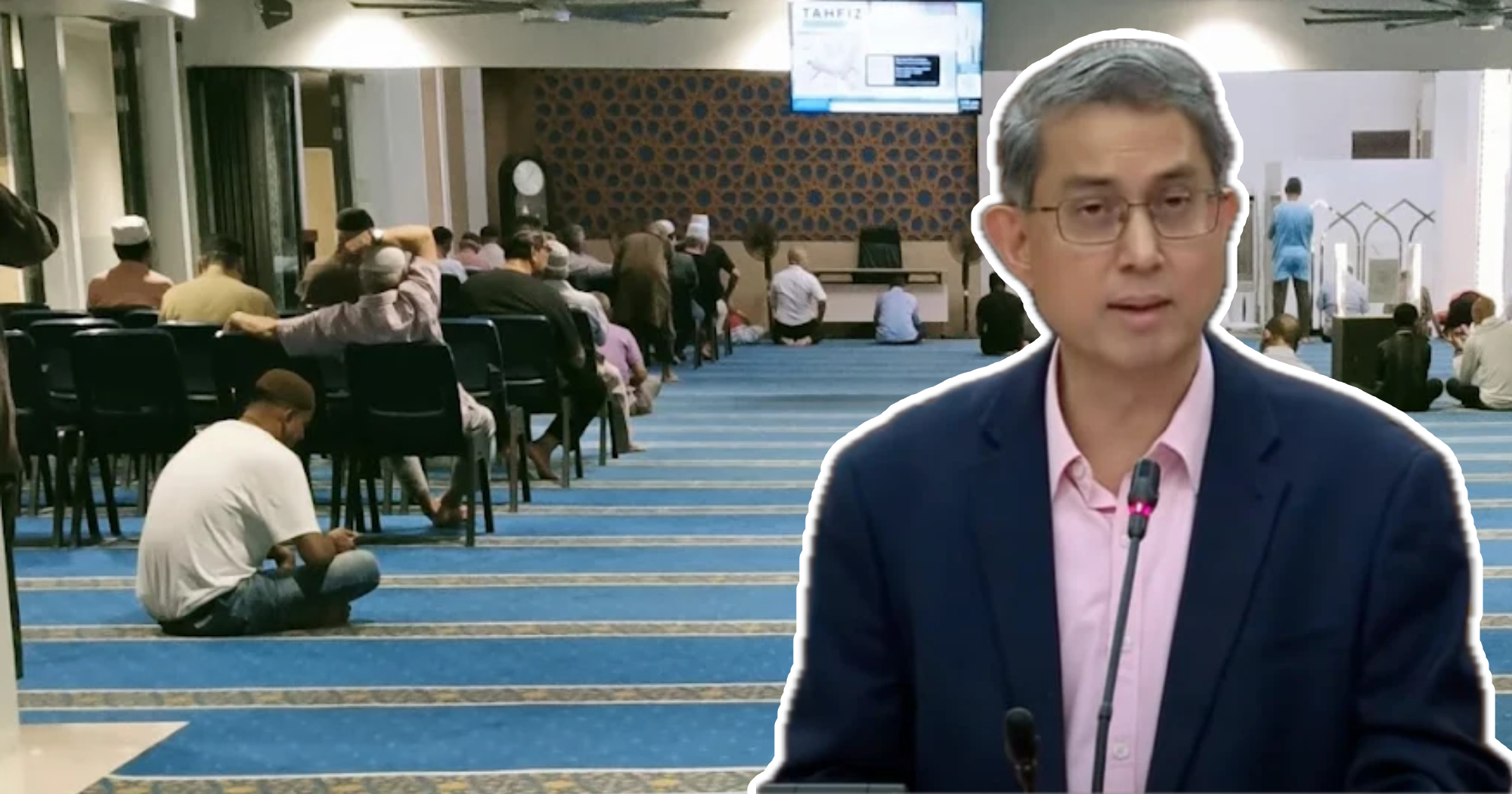


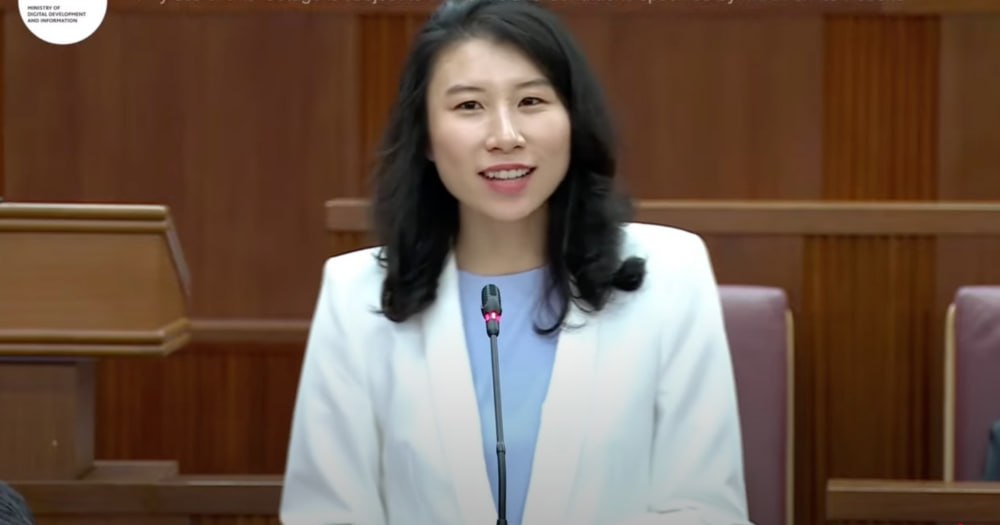
"Our community has grown in strength, in confidence, and in our ability to rally and contribute to Singapore’s shared future," said Acting Minister-in-charge of Muslim Affairs Faishal Ibrahim on Sep. 23.
He was making his maiden Parliament speech in his new role during the debate on the President's address.
In his speech, Faishal said he is committed to working with the government and community organisations to chart a stronger future for the Malay-Muslim community, while contributing to Singapore's multi-racial and multi-religious society.
These efforts include investing more in the development of children and youth, supporting seniors in ageing well, equipping workers to seize growth opportunities and supporting the community to practise their faith in a multicultural society.
What he hopes to focus on
Since he took office on May 21, Faishal said he has been engaging the community widely, including youth groups, mosque committees, working professionals, grassroots volunteers, arts and cultural groups, and community organisations.
"Every member of our community should have the chance to be the best versions of themselves, at different stages of their lives. Let us share in the joy of each other’s success, and rally around those who stumble, so that they can find their feet again," he said.
Areas of improvement
Faishal elaborated on three areas that he and his team hopes to focus on in the years ahead — to improve social and economic outcomes, uphold the confidence of the Malay-Muslim community to practise their faith, and preserve and celebrate Malay arts, culture, and heritage.
These efforts would be made in collaboration with the government, M³ agencies, Malay-Muslim Organisations (MMOs) and Indian Muslim Organisations (IMOs).
Strengthening families, supporting youths and seniors
On the first area, Faishal said more would be done to strengthen families, under the leadership of Minister of State Zhulkarnain Abdul Rahim.
One example is the Bersamamu programme, which supports newlywed Muslim couples with religious guidance and practical skills for marriage and family life.
Beyond academics, Faishal said it is crucial to support youth through career guidance, personal development opportunities, and exposure to new experiences.
Such efforts will position youths to "seize new opportunities in our fast-evolving economic landscape", Faishal said.
One milestone is the recently announced Malay-Muslim Youth Taskforce, led by Minister of State Rahayu Mahzam and Senior Parliamentary Secretary Syed Harun Alhabsyi.
This will bring together youth champions to advocate for the needs and aspirations of Malay-Muslim youth and co-create initiatives in support of the national SG Youth Plan, said Faishal.
Faishal added that preparing workers to seize economic opportunities requires "a culture of lifelong learning", underpinned by partnerships between the National Trades Union Congress (NTUC), MENDAKI and other MMOs.
He said Senior Minister of State Zaqy Mohamed and Labour Member of Parliament (MP) Wan Rizal would helm the development of community platforms to complement national-level programmes.
Some of the opportunities Faishal hoped workers could tap on are those in growth sectors, such as advanced manufacturing, technology, and professional services like finance.
To help seniors age well, Faishal said he hopes to mobilise the Malay-Muslim community to better meet the healthcare, social and emotional needs of seniors and to support caregivers through active ageing services and caregiving networks.
Faith and celebrating heritage
On the second area, faith and religious life, Faishal noted there is a need for more prayer spaces, particularly in newer residential areas.
Apart from upcoming mosques in Tampines North and Tengah, Faishal said he is exploring how interim prayer spaces can be provided while mosque upgrading and development works are underway.
Faishal also highlighted the importance of the new Singapore College of Islamic Studies (SCIS) to groom the next generation of religious leaders (asatizah).
These would equip graduates with the skills and knowledge to serve the Malay-Muslim community, whether in the religious sector or in adjacent sectors like counselling and social work, Faishal said.
Enhance representation of Malay ethnic sub-groups
On the third area, celebrating Malay culture and heritage, Faishal said the reopening of the Malay Heritage Centre in April 2026 represents a significant milestone in these efforts.
Faishal said the new centre will enhance representation of Malay ethnic sub-groups, with increased focus on women's contributions to education, literature, and the arts.
It will also feature newly commissioned works by emerging and established Malay artists in support of contemporary cultural expression.
In his concluding remarks in Malay, Faishal referenced President Tharman Shanmugaratnam's comments from his opening speech for the 15th Parliament, namely on Singapore's exceptional unity and the need to put "we" before "me".
"Our goal for a stronger future together is not a destination, but a continuous journey of growth, adaptation, and mutual support, not just for the community but the whole of Singapore. Therefore, I call upon every member of our community – regardless of age, profession, or circumstance – to contribute to our shared success," Faishal said.
Top image from MDDI/YouTube & Google Maps