News

6 S'porean men, aged 33 to 81, found guilty of unauthorised short-term accommodation of 31 private properties, fined total of S$1.27 million
Among the six men, they faced a total of 67 charges.
September 15, 2025, 06:51 PM


Six Singaporean men, aged between 33 and 81, were found guilty for their involvement in unauthorised short-term accommodation at 31 private residential properties.
The men were fined a total of S$1.27 million, said the Urban Redevelopment Authority (URA) in a press release on Sep. 15.
Among the six men, they faced a total of 67 charges and were sentenced between August 2024 and September 2025.
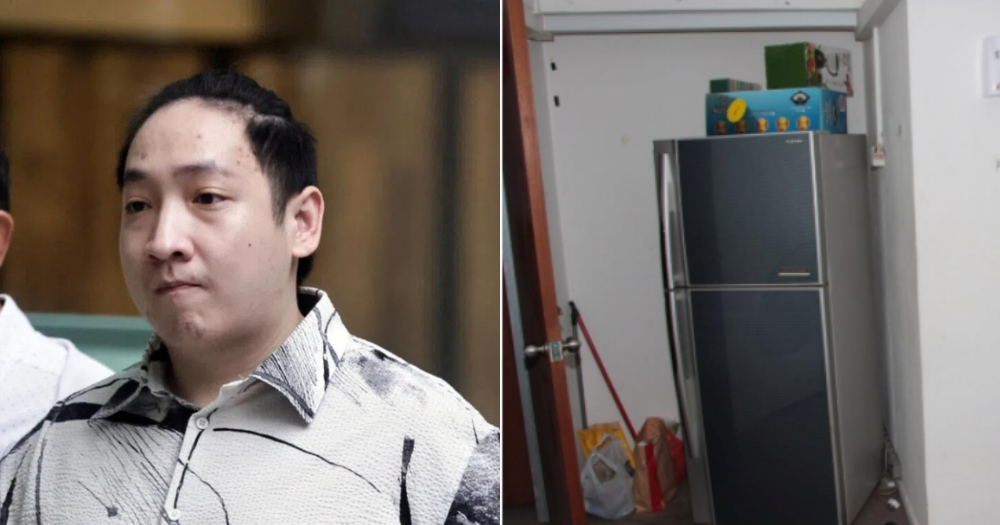
The key player behind the whole operation, 41-year-old Koh Guohui, Robin, faced 31 charges.
He was sentenced on Sep. 15 and was specifically fined S$1,144,902.10.
Koh is also the sole director of a company, SG Auto Car Pte Ltd, which was renamed to SG Bizloan Consultant Pte Ltd in July 2021.
He had used the company to facilitate the unauthorised short-term accommodation operation.
The other men involved were also charged and fined:
- Lim En Xiang, Pandy (33) - 7 charges, sentenced and fined S$24,500 on Mar. 27
- Low Ah Tee (81) - 14 charges, sentenced and fined S$32,500 on Dec. 18, 2024
- Chew Lam Yong (61) - Eight charges, sentenced and fined S$26,800 on Nov. 11, 2024
- Chow Yam Kit, Ryan (34) - Four charges, sentenced and fined S$32,000 on Oct. 24, 2024
- Chua Lian Beng (71) - Three charges, sentenced and fined S$8,000 on Aug. 29, 2024
Airbnb and HomeAway
Between July 2019 and November 2021, Koh recruited four other men—Lim, Chew, Low, and Chua—to be part of his unauthorised short-term accommodation operation in return for a monthly salary.
The four men, including Chow, served as the sole director of one of four companies — KCA Pte Ltd, Edrich Group Pte Ltd, Ed Werks Holdings Pte Ltd, and ANZ Management Services Pte Ltd — at different times.
Under Koh's instructions, the five men signed tenancy agreements in their capacity as company directors for a total of 31 private residential units procured by Koh.
Koh then advertised the units online on platforms such as Airbnb and HomeAway.
He would sublet the units for stays of less than three consecutive months, the minimum stay duration required under the law, in return for rent.
These payments from the occupants went to Koh, who used multiple bank accounts, as well as mobile phone numbers and host accounts registered under different aliases on online platforms, to facilitate his operations.
Koh's operation was discovered when the management council of a private residential development filed a report with the authorities about one of the units suspected of being used as short-term accommodation.
The unit was rented by Edrich Group Pte Ltd.
URA discovered the scale of the operations after collecting feedback from residents and managing agents in other developments involving private residential units rented by Edrich Group Pte Ltd.
Firm action
Under the Planning Act, the minimum stay duration for private residential properties is three consecutive months; shorter stays constitute an offence.
"The rule is intended to prevent frequent turnover of transient occupants, which can potentially change the residential character of a property and negatively impact neighbouring residents," said URA.
Director of URA's Development Control Group, Martin Tan, said URA takes a serious view of the unauthorised use of private residential properties for short-term accommodation.
"We will take strict enforcement against individuals and entities who are found to be involved in any way, be it by facilitating the transfer of revenue or sourcing for properties and occupants," Tan added.
If the public suspects any illegal short-term accommodation in private residential properties, they can report suspected cases via URA's website.
Top photos via Airbnb & Canva