Environment
Go green & win vouchers by knowing these common eco-labels in S'pore
W for the environment. W for the wallet.
What comes to your mind when you think about going green while shopping?
Using reusable bags instead of plastic bags? Good, if you’re already doing so.
Reduce consumption in general? That works too, because why buy more than you need?
There’s actually a simple first step to a greener lifestyle, and that is to simply pay more attention to what you purchase daily – take notice of eco-labels.
Start with recognising eco-labels
In a world of mass production and global supply chains, we may overlook how our purchases are produced.
Some of these products may contribute to deforestation or overfishing, while others may arrive from faraway countries and their transportation incurs a high carbon footprint.
That’s where eco-labels come in.
Eco-labels can guide you to make more responsible choices and support sustainable practices, saving you the trouble of researching each and every item you are interested in.
If you have not been noticing eco-labels, you may wonder what they look like.
A good place to start familiarising yourself with eco-labels is none other than the supermarkets.
FairPrice’s Easy on the Planet label
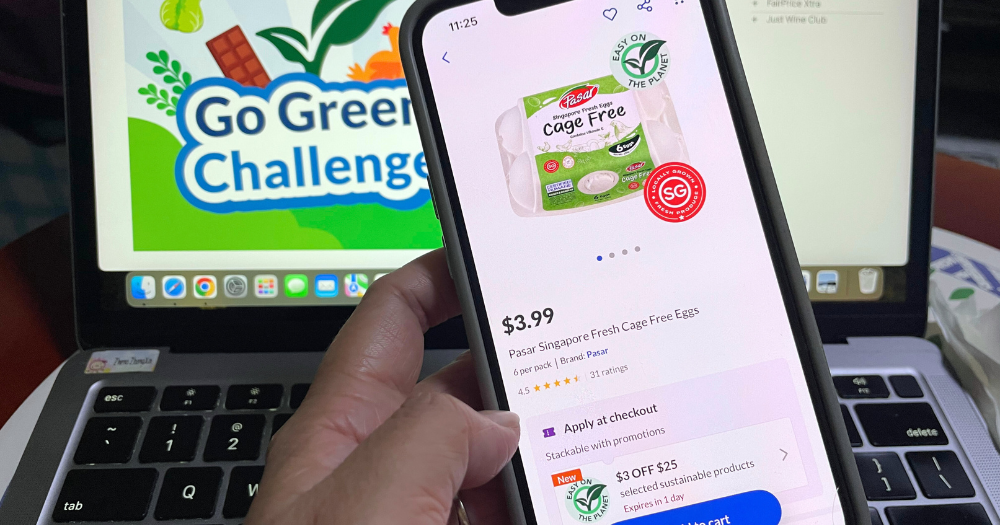
One eco-label you should definitely keep a look out on for the coming weeks is the Easy on the Planet label by FairPrice.
By recognising this label, you are not only making sustainable choices but also giving yourself a chance to win vouchers.
More than 1,300 products are tagged with the Easy on the Planet label. These products can be farmed in Singapore, already certified to be sustainable with the labels mentioned above, or/and have reduced packaging.
 Image from the FairPrice Group.
From now till Jun. 18, the Easy on the Planet label makes it a breeze for shoppers to identify sustainable products on the FairPrice app.
You can even reap rewards by knowing your eco-labels!
Win vouchers by playing games on FairPrice app
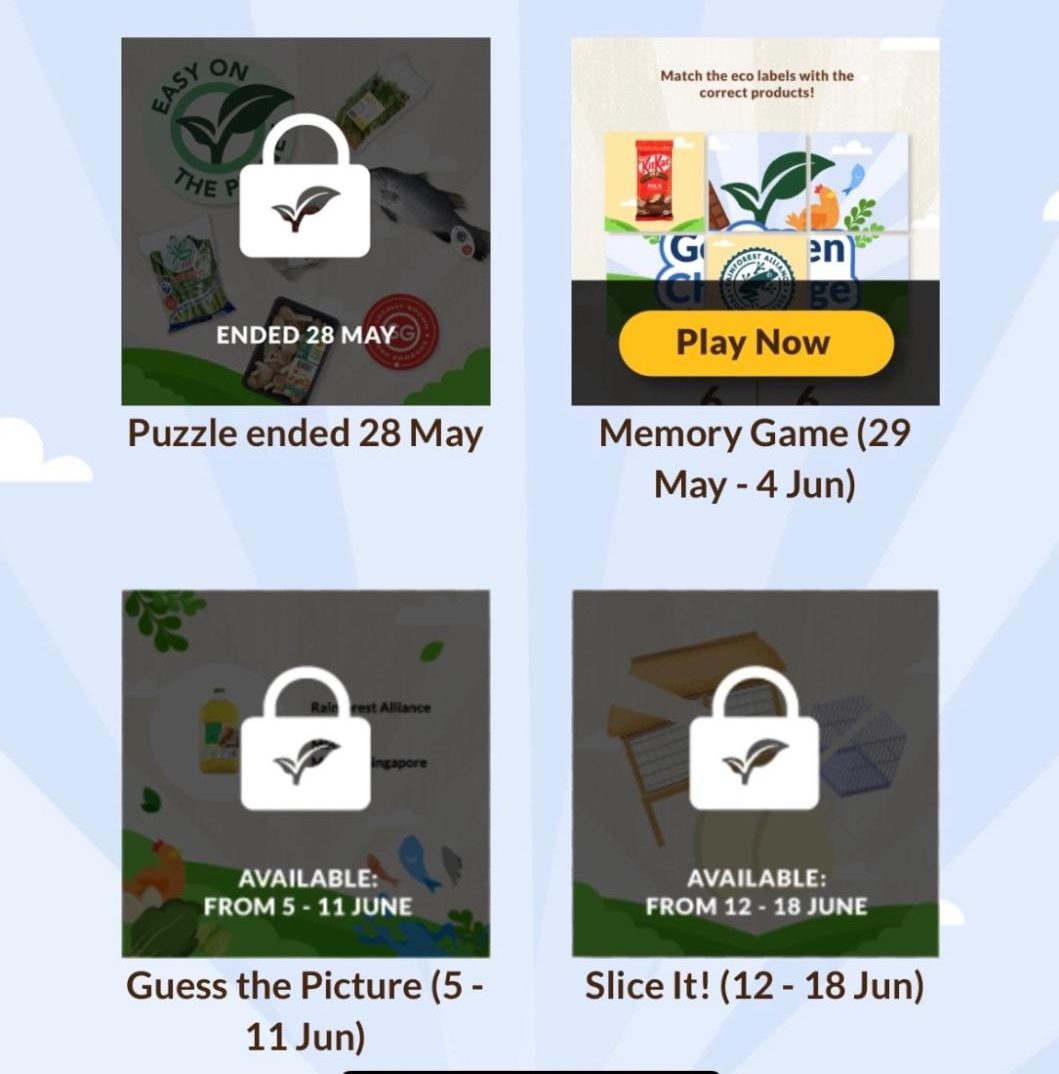
During the same period, FairPrice is launching weekly games on their app to raise awareness on eco-labels.
By playing their digital games on their app, you can win vouchers that are redeemable on the same day, which you can use to buy products with the Easy on the Planet label.
 Screenshot from the FairPrice app.
Kicking off the Go Green Challenge at FairPrice is a simple puzzle game for the first week. If you missed the first week, be sure to catch the new games that will be released every Thursday for the subsequent three weeks.
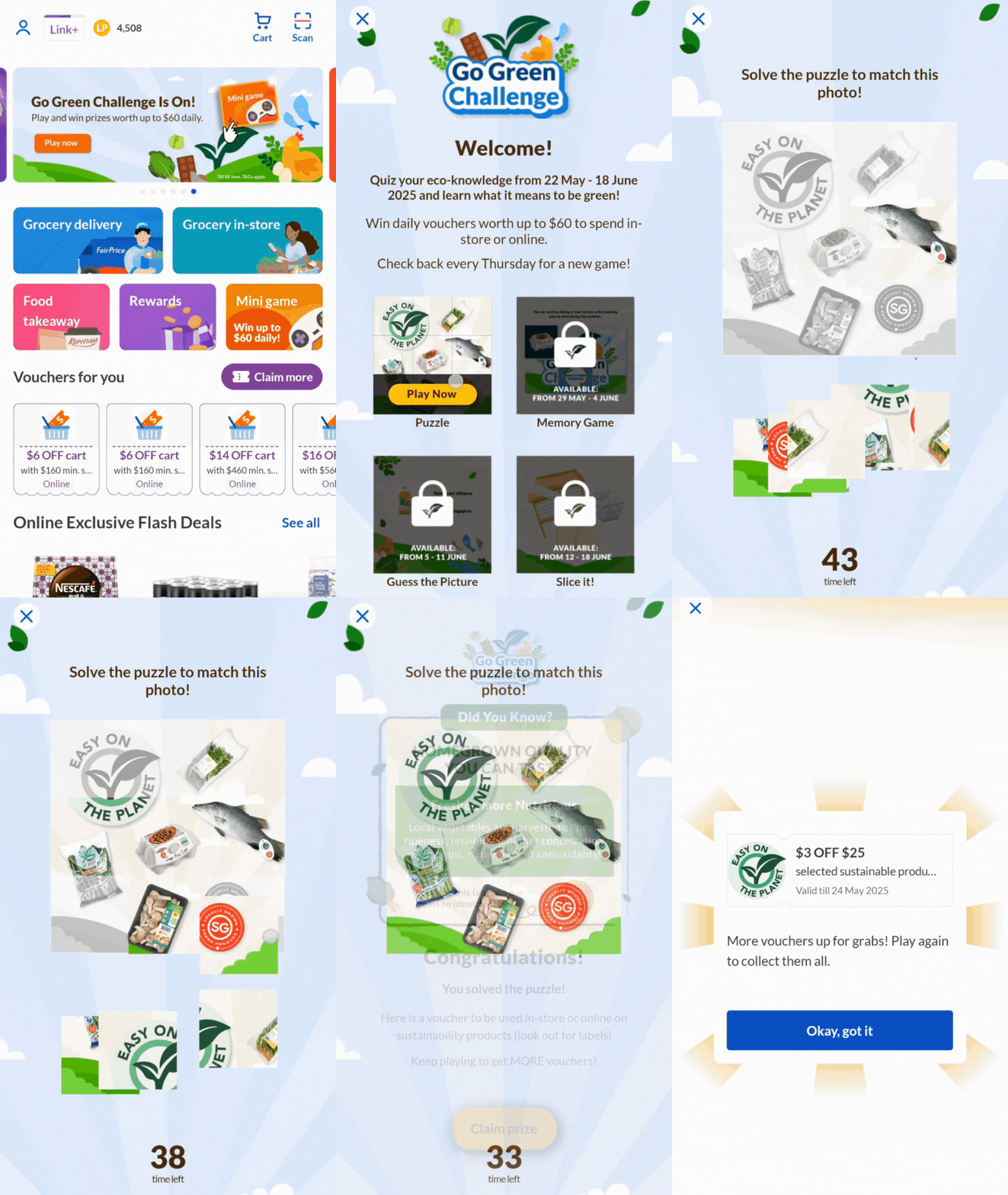 GIF from the FairPrice app.
Every day, one lucky player will win a S$60 Golden Ticket voucher. Ending the challenge on a high, an upsized Gold Ticket of S$100 is up for grabs in the final week.
Eco-labels 101
Don’t know much about eco-labels but eager to win the vouchers?
Here’s a crash course on the common eco-labels you can find in Singapore:
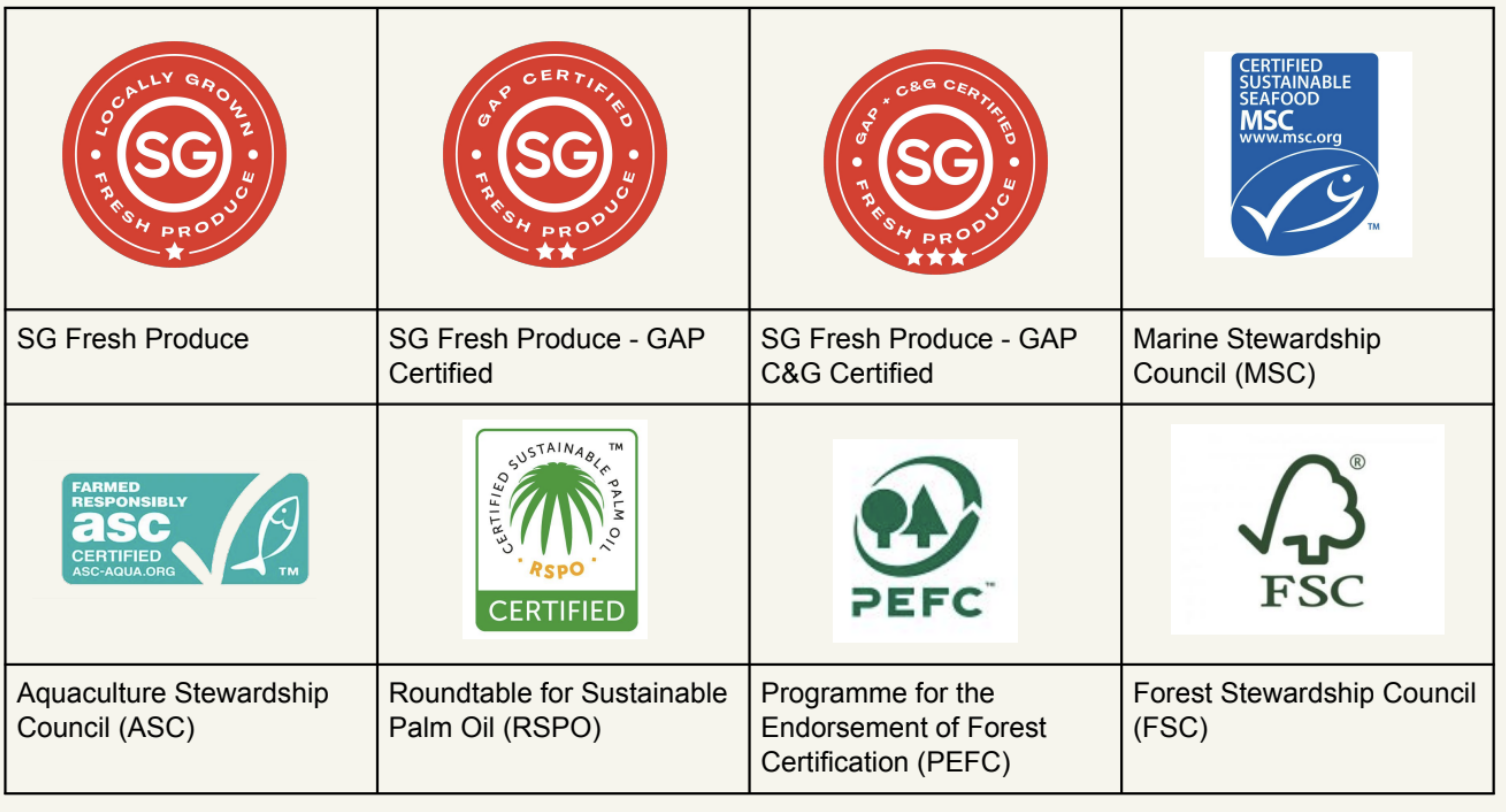 Table of logos from the FairPrice Group.
Sporting a bright red colour, the first set of eco-labels should catch your eyes easily the next time you visit FairPrice. The round SG Fresh Produce logos represent fresh produce that are farmed in Singapore.
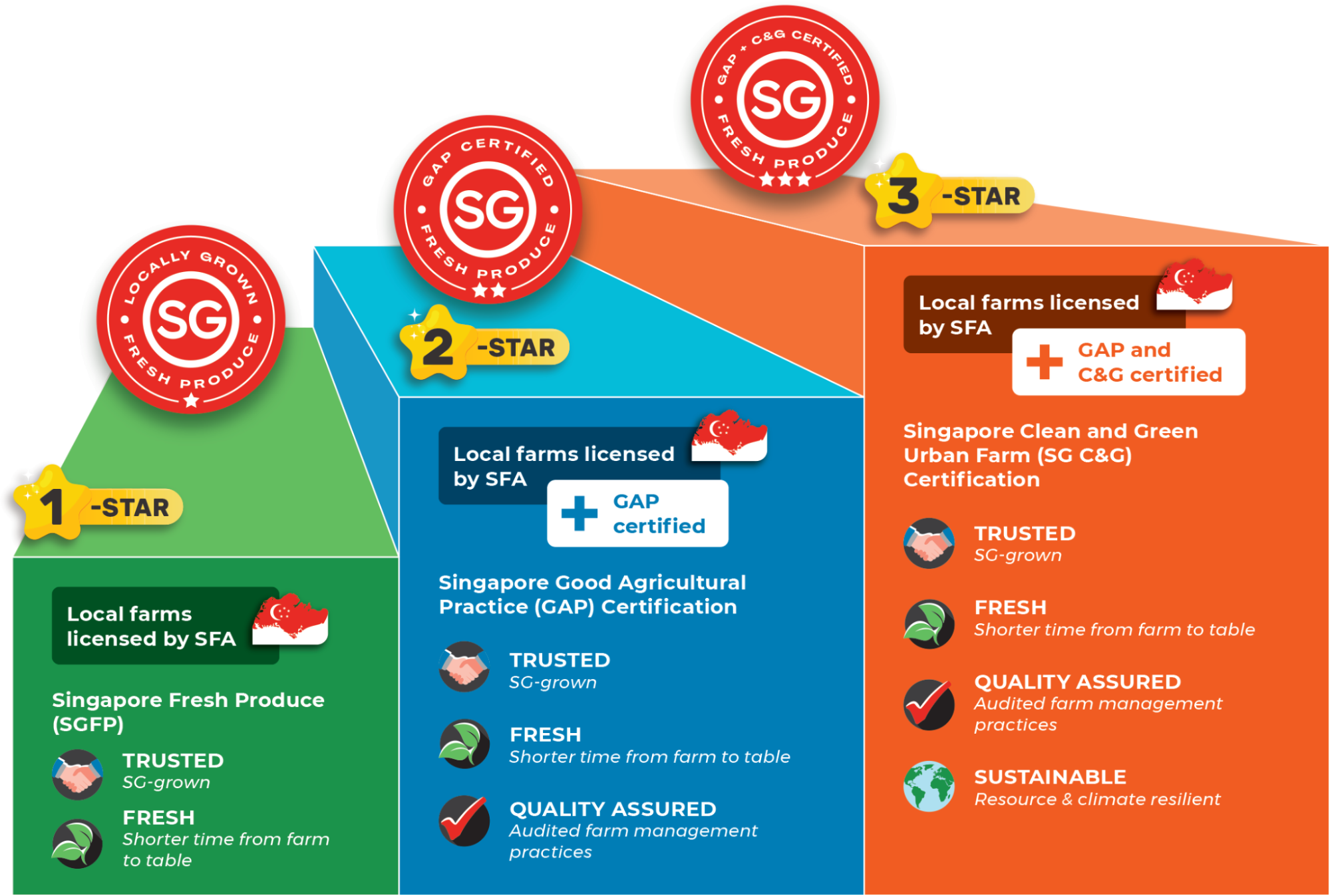 Image from SFA showing what the stars on SG Fresh Produce logos mean.
Ranging from eggs to vegetables to seafood, these products are light in carbon footprint without the need for long distance transportation. Besides being a more sustainable option, they are also fresher than imported ones.
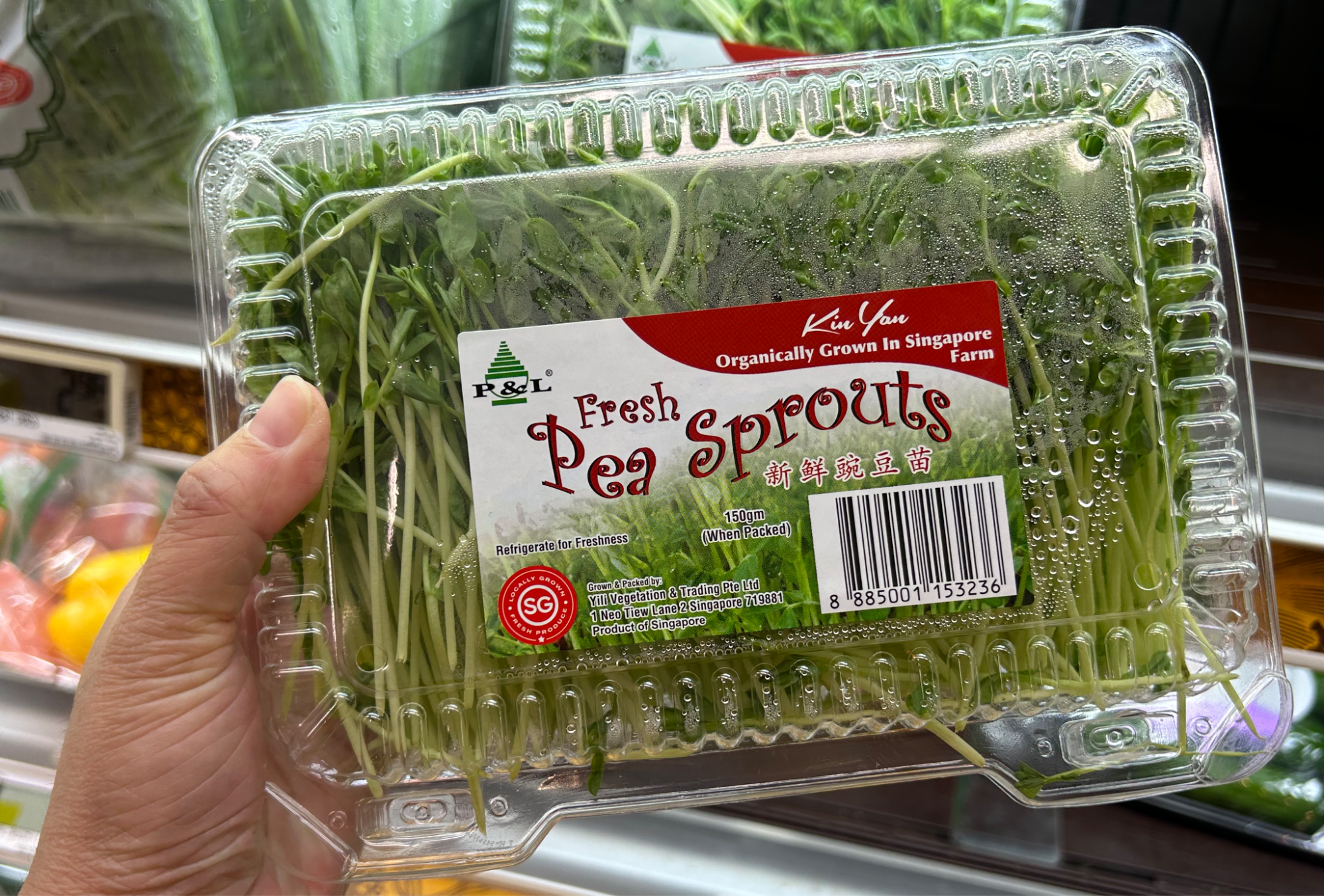 Photo of a 1-star SG Fresh Produce product. Photo taken by Mothership.
For eggs, you can also take note of the cage-free or free-range ones which can sport a “Certified Humane” logo which suggests they are better for animal welfare.
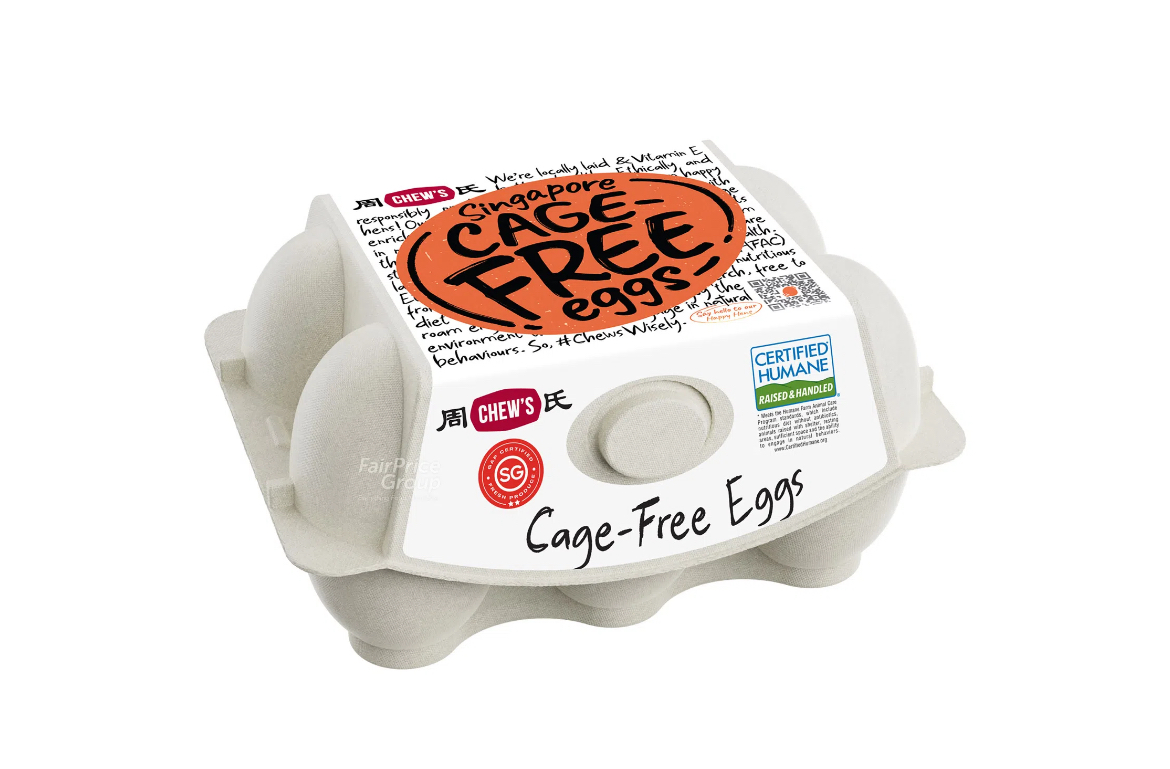 Photo of a box of cage-free eggs, with the Certified Humane logo.
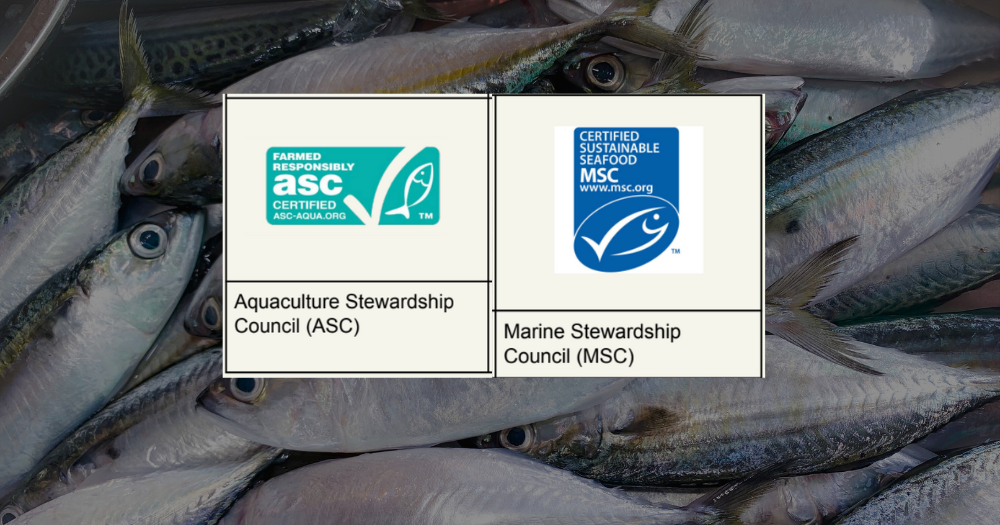
Love seafood? Seafood with blue labels from the Marine Stewardship Council and the Aquaculture Stewardship Council are harvested from sustainable fishing in the wild or sustainable farming respectively.
Some of us may hardly use writing papers these days, but most of us still can’t live without tissue or toilet paper.
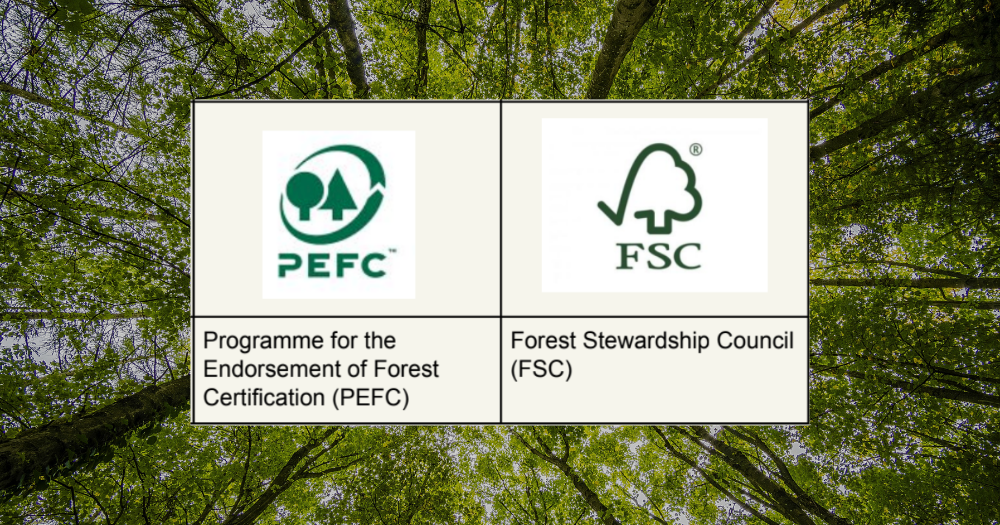
Take note of green labels from the Programme for the Endorsement of Forest Certification and the Forest Stewardship Council as they indicate products that are made by companies that commit to either conserve biodiversity or curb deforestation, or made with materials from responsibly managed forests. Choose paper with these logos.
What do peanut butter and soap have in common? Palm oil.
Palm oil is an essential ingredient in many food products and household items. Promoting sustainable palm oil practices is important as unsustainable practices destroy forests that are home to animals like Orangutans and can lead to haze when slash-and-burn practices are used.
Notice a light green label with a palm tree icon? That’s the Roundtable for Sustainable Palm Oil (RSPO) label.
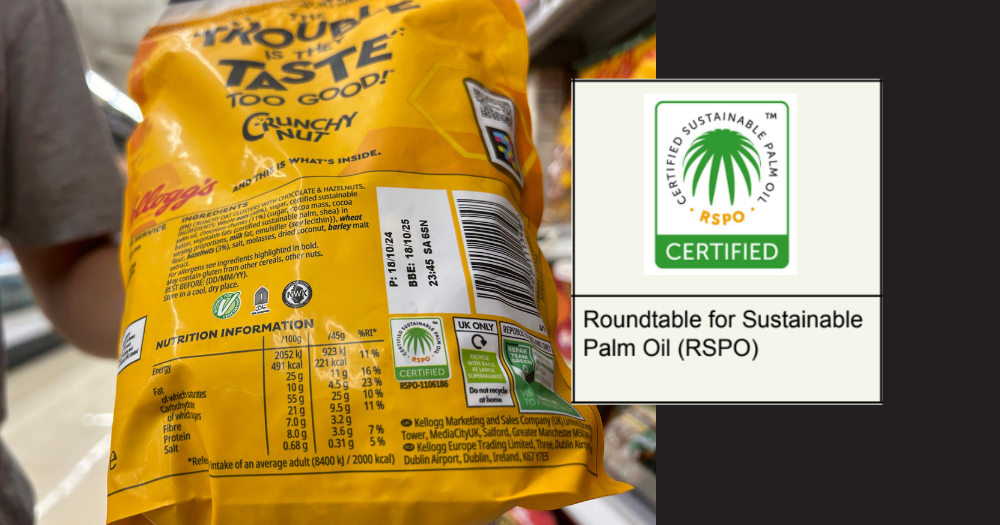 Photo of a packet of RSPO Certified cereal.
Products labelled as RSPO Certified mean they are made with palm oil that has been farmed in a sustainable manner. Singapore is especially susceptible to transboundary haze caused by unsustainable land-burning practices for palm tree farming. Want to enjoy more haze-free days? Remember the RSPO logo.
Lastly, products with the International Fairtrade Certification Mark or the Rainforest Alliance label (yes, I mean the frog logo) come from companies that provide fair compensation to farmers or workers, in addition to their commitment to the environment.
Now, you are good to grab those vouchers!
Start playing the game on the FairPrice app now.
The writer of this branded article by FairPrice Group won a S$3 voucher in a minute. Score!
Top photo by Zheng Zhangxin.