News

US Postal Service blocks packages from China, Hong Kong Posts after Trump tariffs
The tariffs went into effect on midnight on Feb. 4.
February 05, 2025, 02:53 PM

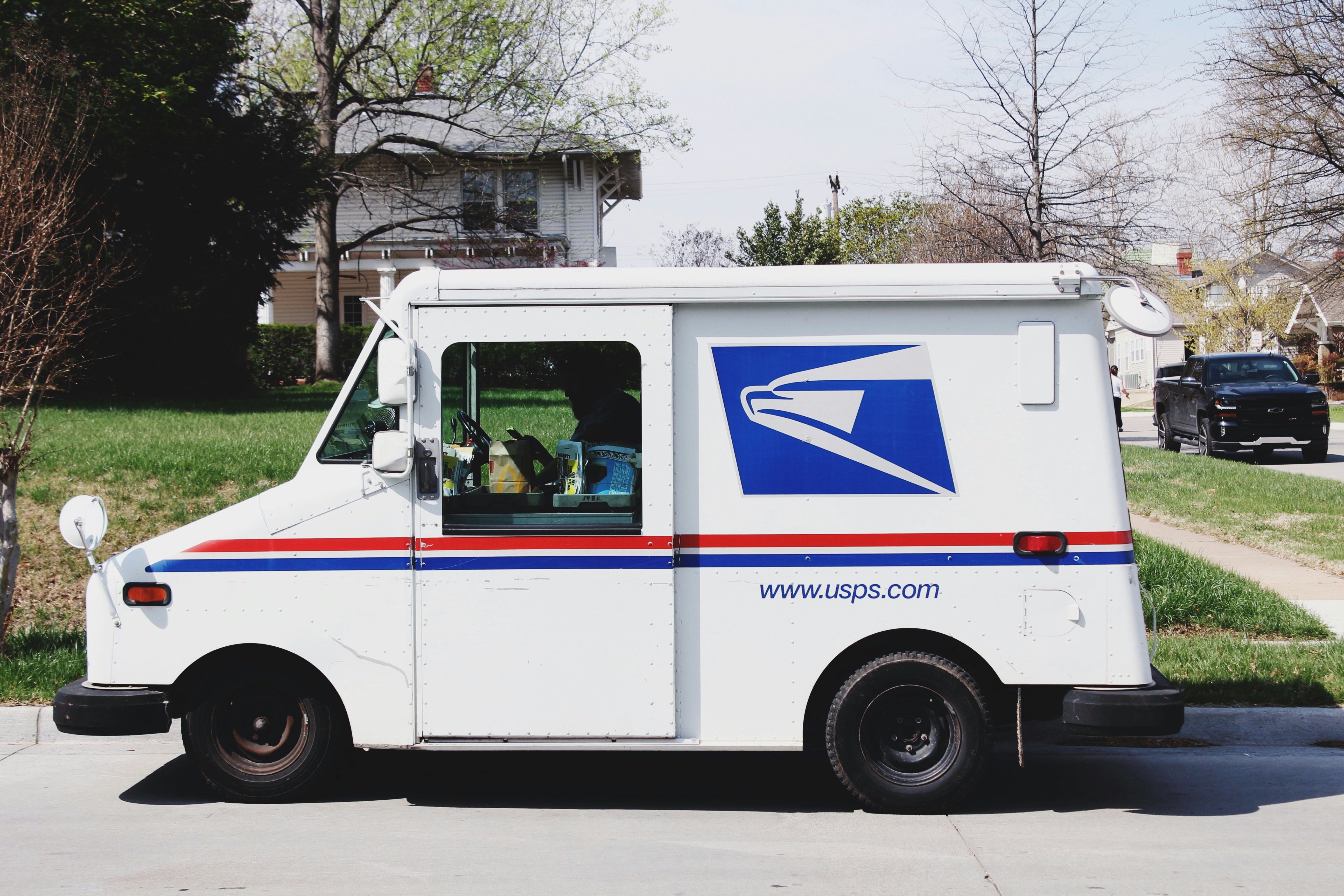
 The first impacts of the new Trump trade war are being felt as the United States Postal Service (USPS) said it would temporarily stop accepting international packages sent from China and Hong Kong Posts.
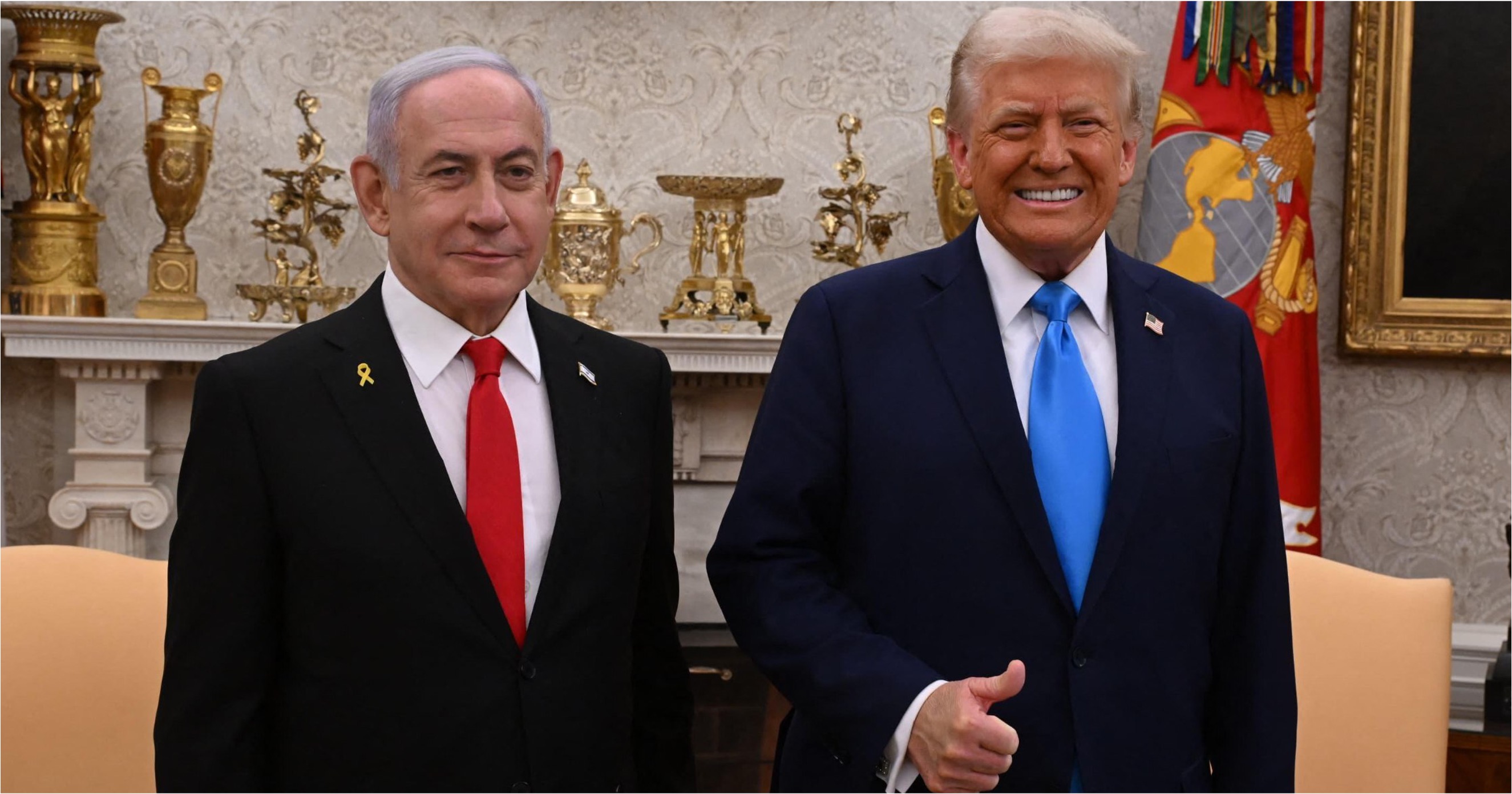
This comes as U.S. President Donald Trump suspended the country’s “de minimis” allowance and introduced a 10 per cent tariff on all imports from China on Feb. 4.
Further notice
The USPS announced on Feb. 4 that it would temporarily suspend the acceptance of inbound parcels from China and Hong Kong Posts until further notice.
This suspension would not affect letters or flat mail.
Bloomberg reports that the suspension comes as the Trump administration’s 10 per cent blanket import tariffs came into effect at midnight on Feb. 4.
But also included in the tariff order was the closing of a “tax loophole” that allowed e-commerce companies such as Shein and Temu to ship large amounts of “low value” items to the U.S.
The loophole, known as the “de minimis exception”, allows for packages costing less than US$ 800 (S$1,082) to be shipped directly to consumers in the U.S. without having to pay U.S. duty fees.
This has allowed producers in China to effectively avoid duties by shipping directly to consumers and allowed consumers to bypass costs that would be traditionally associated with middlemen importers.
De Minimis
The Verge reports that usage of the allowance has skyrocketed in the past decade, from 139 million packages in 2015 to 1.36 billion in 2024.
It credits the rise to the allowance being increased from US$200 (S$270) in 2016, as well as the emergence of companies like Shein and Temu, which based their business models on the allowance.
The USPS’s suspension of packages is likely due to the organisation attempting to comply with new regulations.
Bloomberg Law, in a Feb 2024 report about the allowance, points out that while reducing or removing the allowance might reduce the amount of duties collected by the U.S. government, there would be unintended, but not unforeseen, consequences.
Enforcement
Chief among which is that it would cost a great deal for the U.S. Customs and Border Protection (CPB) agency to enforce.
Either the CPB's already stretched resources would need to be expanded to account for increased enforcement, or resources would be taken from border patrol capabilities.
The latter option would “greatly decrease” CPB’s ability to monitor the U.S.-Mexico border, where a significant amount of illegal material, such as narcotics, enters.
This would directly contradict the motivation for this set of China tariffs, with the Trump administration blaming China as being the source of the drug fentanyl, whose abuse has hit epidemic levels in the U.S.
The White House also alleged that "Chinese cartels" were using such parcels to ship drugs into the U.S.
For context, Singapore previously had a de facto de minimis allowance of S$400, but as of 2023 low-value items imported to Singapore by post or air are now subject to GST.
Related stories
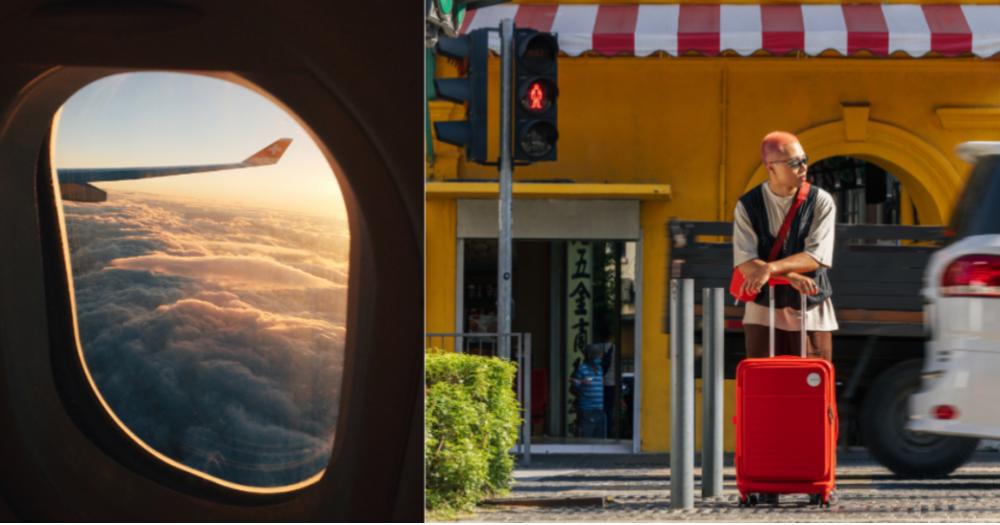
Top image via Unsplash