




Branded

POV: My uncontrollable anger pushed my wife & children away out of fear, so I sought help to work on myself
I was supported by a counsellor to improve my relationship with my family.
Photo by Mothership
By Eric Tan, as told to Gracia Yap
It's been a long day at work. I step into the house, exhausted. And then I see a sock on the floor. My frustration immediately boils over. Why can't Sarah [not her real name] keep the house clean? She's just a housewife who doesn't even work.
Our children are 15, 17, 19, 21. They aren't at the age where they make messes anymore. How hard can it be?
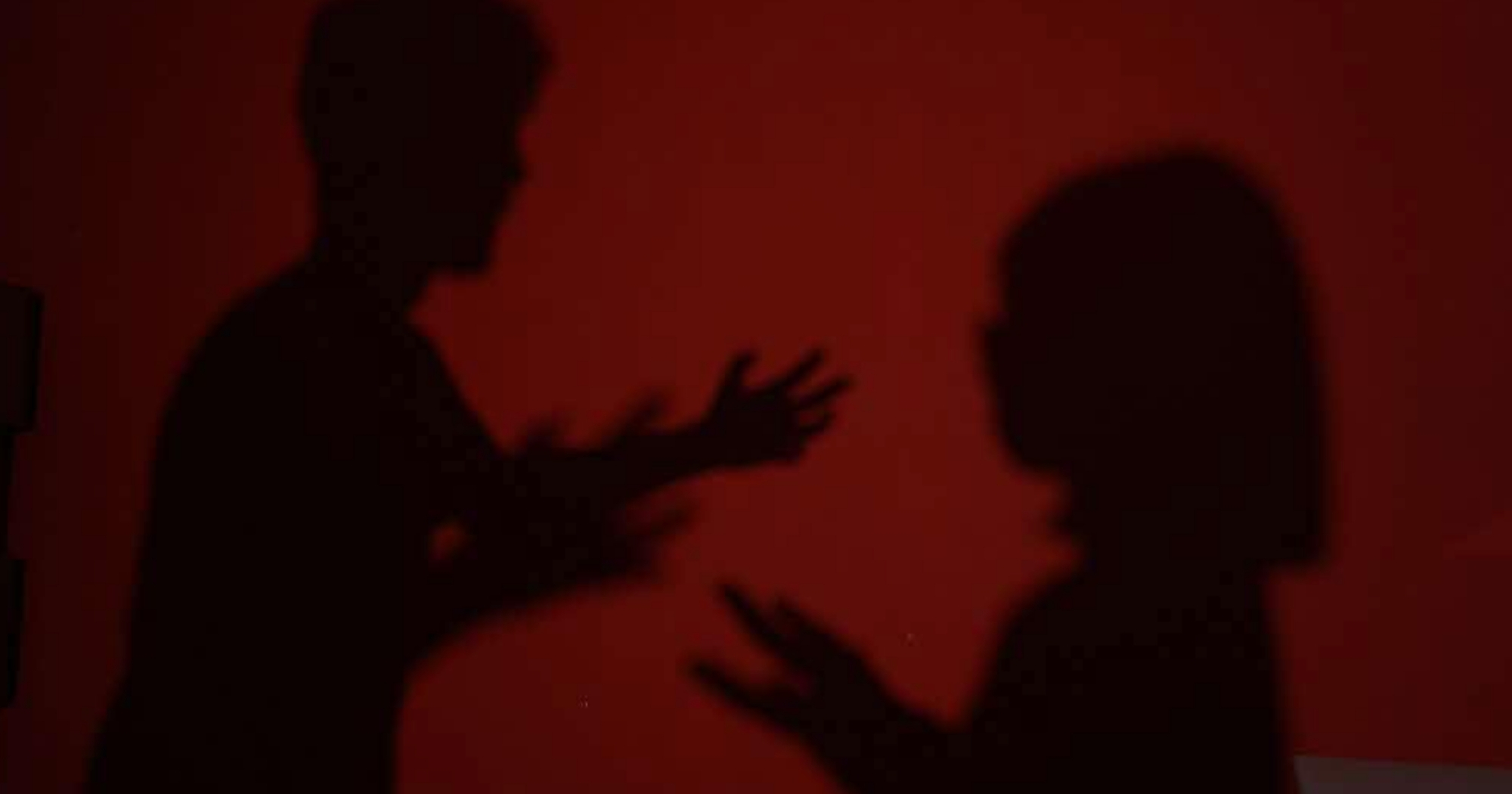
I lash out at her, letting insults pour from my mouth. In that moment, I convince myself that my anger is justified, even as I see the hurt and fear on her face.
Abused family
Since I work hard every day to provide for the family, the house should be her responsibility.
She said I didn't value her, but her words fell on deaf ears.
And that's not the only thing I pressure her about.
Sometimes I just get so angry with her that I do dangerous things.
One time, we were driving back from Johor Bahru to Singapore and I was driving so fast because I was angry.
Prior to our trip, I had asked her to follow up on something so simple which she failed at: cleaning the house. I ended up having to do it all by myself.
So now she can't even do her part as a housewife? I have to work and take care of things at home as well?
Holding in my frustration was hard so I just took it out on her in the car afterwards.
The more I thought about it, the angrier I got and the faster I drove.
Sarah tried telling me that this experience made her feel fearful in that confined space, because I was yelling at her while driving at the same time, and at one point, she was sure she would die.
She did not know if we would crash and get into a serious accident.
But her words fell on deaf ears.
She had been trying to sound out her feelings, but I wasn’t listening to her feedback again.
Made son cry while teaching math
It wasn't just my wife I treated this way. It was my children too.
I was not well-educated, so I always wanted my children to have it better than me.
I wanted them to be well-supported at home so they could do well in their studies.
Since my wife had a better education, she should have monitored the kids' progress in their schoolwork.
But she preferred them to be independent. So I tried teaching them.
Once, I was teaching my son math but he just couldn't get it.
I was so upset that I scolded him until he cried.
He was really scared of me after that, so much so that he would lock himself in his room after school and not talk to me.
And then it happened
After all that, Sarah couldn't take it anymore.
Shortly before Chinese New Year 2026, she moved out of our home after enduring years of being blamed, policed and shouted at.
We had been married for 26 years.
She said her breaking point came after repeated instances in which I frightened her and went overboard in putting pressure on her and our children.
She had totally lost trust in me. On top of that, she had also read news articles of men killing their wives. She felt I would do the same to her.
Seeking help
With Sarah having decided to leave, it made me realise I needed to seek help.
How could she walk out on us after 26 years together? Wasn't I working hard for the family?
Maybe I got angry with her sometimes, but I did not know that I had hurt her that badly.
I called the Fellowship of Men (FMS) after Sarah came across it in a CNA Talking Point episode and gave me the number.
Afterwards, I began attending counselling sessions with its founder, Ben Ang.
During our sessions, Ben helped me unpack why I had been behaving this way all these years.
After seeing my wife separately, Ben would convey her perspective to me, including her trauma that had built up from my harsh treatment over 26 years.
Ben said that though my wife loved me, she was "very fearful" of wanting to continue the relationship with me.
Ben eventually arranged a joint session for Sarah and me. I remember her demeanour that day. She was so afraid of being in the same room as me that her hands were trembling, her voice shaking as she spoke.
Ben told me that it had taken a lot of courage for her to be there.
Change in behaviour
It was a wake-up call for me and I knew I had to change my ways.
Over two decades of repeated harmful behaviour was difficult to amend, because I was so used to speaking and acting that way, especially to Sarah.
But Ben helped me see how much damage I was doing to her and the children, and how my upbringing and experiences led me to behave that way.
It was a slow and painful process, but necessary if I wanted to take responsibility for my actions.
After Sarah left, I suddenly had to manage the household on my own.
Things got messy very quickly with four children at home.
I would find pieces of paper on the table, socks and clothes lying around, and it made me realise how difficult it was for my wife to clean the house all the time.
It also reminded me of how much I had taken my wife for granted over the past two decades.
Since my wife took care of the house for most of our marriage, housework was unfamiliar to me when I first took over; initially, I broke a few cups and plates while washing them.
But I got better with practice over time.
As for my kids, I realised that I needed to change my parenting style as well.
So I started with small steps.
I allowed them to be more independent and gave them space to learn from their mistakes.
On Saturdays, we set aside time as a family where I cook for them, and it makes me so happy when they like the dishes I prepare.
As for Sarah, I stopped pressing her on where our savings went and allowed her to handle the finances.
I also started listening to what she was actually saying instead of letting her words fall on deaf ears like they used to.
This journey of change was not easy, but I'm grateful that I did not have to embark on it alone.
Counselling was helpful, but having someone else I could relate to and keep me accountable in my progress really helped me to be intentional in changing my behaviour.
An FMS Buddy connected with me and checked in with me quite frequently as a peer, and it made me feel quite supported and encouraged.
FMS also has an activity called Cooking & Conversation which helped me brush up on my skills and connect with other men at the same time.
We got to talk about issues that we usually found difficult to bring up with others, and that definitely helped me to see how other people in similar situations coped with their problems.
Improved dynamics
Thankfully, my efforts have not gone to waste.
I feel closer to my children now, and they help me with the house chores after I showed them over the past seven months that I have changed.
Sarah is even willing to have coffee with me every Sunday and has recently moved back home though we still sleep in separate rooms.
For the past 26 years I did not prioritise her, but now I am determined to improve our relationship.
To those in a similar position
If you find yourself in a similar position, it is important to recognise the impact of your behaviour on your children or loved ones, or it will be impossible to change.
A person should first look at himself instead of assigning blame to others.
I personally realised how bad my situation was only when my wife left me.
It doesn't have to get to that point if you spot the warning signs early.
This could mean monitoring yourself and noticing if you react aggressively, or display controlling or intimidating behaviours towards those around you.
If you find it difficult to assess your own behaviour, you could also observe how others react to your words and actions.
It is a red flag if they are constantly afraid of you, or avoid talking to you.
Finally, know that it is possible to turn things around if you are willing to put in the effort.
Start from the small things and be consistent. Even if you don't see a change in the relationship immediately, don’t give up and keep at it.
You are not alone. Help is available. You may call the helpline at 1800-777-000.
Helpline: 1800-777-000
After discussing and assessing your circumstances, professionals may connect you and your family members with appropriate support and services.
Visit go.gov.sg/let-help-in for more information.
This is a branded article by the Ministry of Social and Family Development.