




News

S'pore panel recommends cooling-off period for wellness services & digital tickets for concerts
The review covered four key areas: pre-payment losses and pressure selling, entertainment ticketing, e-commerce, and access to recourse.
Image credit: A View From My Seat


The Consumer Protection Review Panel on Friday (Nov. 27) submitted seven recommendations to the government to strengthen Singapore's consumer protection framework across four key areas: pre-payment losses and pressure selling, entertainment ticketing, e-commerce, and access to recourse.
Convened by the government on Mar. 15, 2025, the independent multi-stakeholder panel is co-chaired by Melvin Yong, president of the Consumers Association of Singapore (CASE), assistant secretary-general of the National Trades Union Congress (NTUC) and MP for Radin Mas SMC, and Foo Tuat Yien, a former Judicial Commissioner.
The review drew on feedback from more than 8,000 consumers and close to 250 business and industry representatives, including a survey of 5,522 consumers, eight focus group discussions and four in-depth interviews.
Public outreach and consultation activities between Sep. 25, 2025, and Apr. 21, 2026, further captured views from members of the public, youths and legal professionals.
Some key recommendations from the report:
- Implementing a mandatory cooling-off period for consumer transactions in high-risk sectors, such as beauty and wellness services, to address persistent pressure-selling in prepaid services.
- Getting ticketing service providers and event organisers to adopt secure digital tickets as the default for major concerts and high-demand events, linking them to authenticated accounts with controlled transfer mechanisms, to target ticket scams and scalping.
- Strengthening the Advertising Standards Authority of Singapore's oversight of influencer marketing disclosures whenever a commercial relationship exists with an advertiser, brand, agency, or sponsor.
Cooling-off period
At a press conference on Nov. 27, the panel explained that it had deliberately chosen not to specify the duration of the proposed cooling-off period.
The panel said the government would likely need to consult the industry and consider existing business practices and potential implications before implementation.
Should the cooling-off period be introduced, consumers whose service providers refuse to honour it could seek recourse through CASE or the Small Claims Tribunals, where applicable.
Secure digital tickets and authorised resale platforms
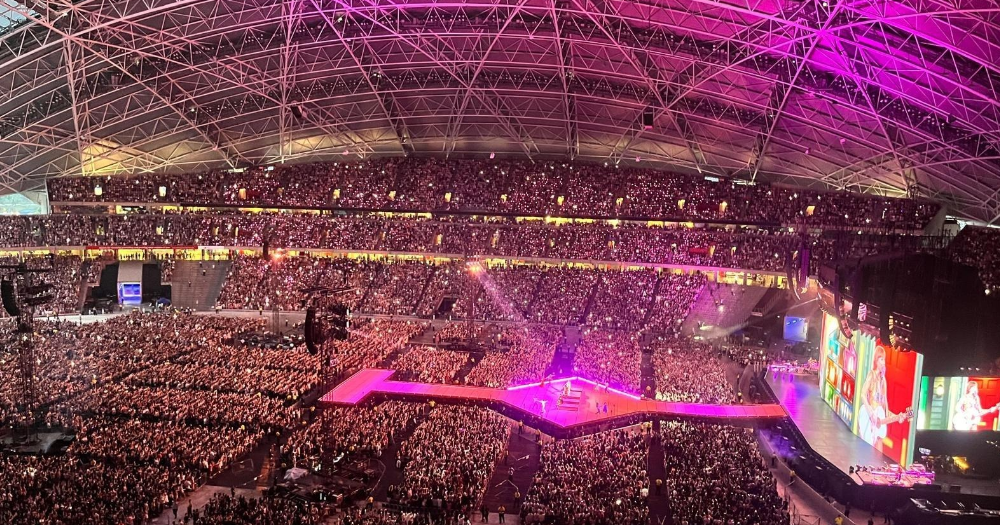
According to the report, concert tickets were the most common item involved in e-commerce scams in 2024, accounting for 22.4 per cent of such cases.
Between January and October 2025, at least 722 concert ticket scam cases were reported, with losses of at least S$615,000.
Speaking at the press conference, panel member Vanessa Paranjothy, co-founder of Freedom Cups, highlighted the risk of physical and static electronic tickets being copied and forwarded to multiple people.
Those purchasing tickets through unofficial resale channels may have no reliable way of knowing whether a ticket has already been transferred to someone else or whether multiple copies remain in circulation.
Secure digital tickets could incorporate safeguards such as two-factor authentication and changing entry codes to reduce the risk of ticket duplication.
The panel also clarified that it was not seeking to prohibit ticket resale, recognising that consumers may have legitimate reasons to resell their tickets.
Consumers using authorised resale platforms would be able to view the original ticket price, resale price and all applicable fees before making a purchase.
Ticketing providers should also establish procedures to restore access to tickets if consumers lose their devices or account credentials, the panel recommended.
The panel further called for practical assistance to be provided, particularly to consumers who are less digitally confident.
Preventing consumer harm
Yong said, "The way Singaporeans shop, pay for goods and services, and interact with businesses has changed significantly over the years. Our consumer protection regime must evolve with these changes."
"Consumer protection should not begin only after a consumer has suffered a loss. We need to do more to prevent harm in the first place, empower consumers to make informed decisions, and ensure that they have effective avenues for redress when things go wrong."
Foo said, "This review takes a balanced approach on safeguards while considering consumer choice, business realities and digital commerce," adding that "consumer vigilance and business responsibility stand as twin pillars".