



News


ASEAN must counter rising economic nationalism with deeper integration & wider partnerships: DPM Gan
Together, stronger.
November 27, 2026, 11:59 AM
Photo by Mothership


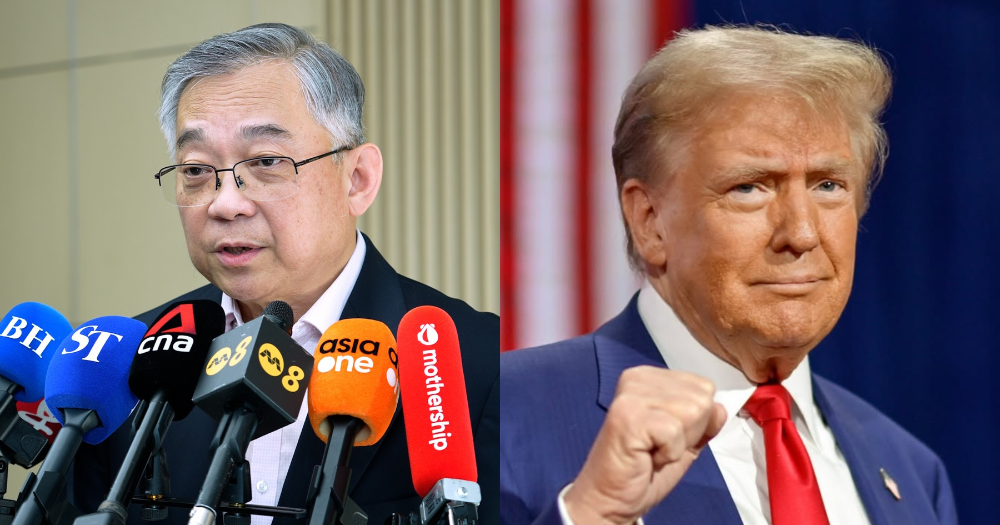
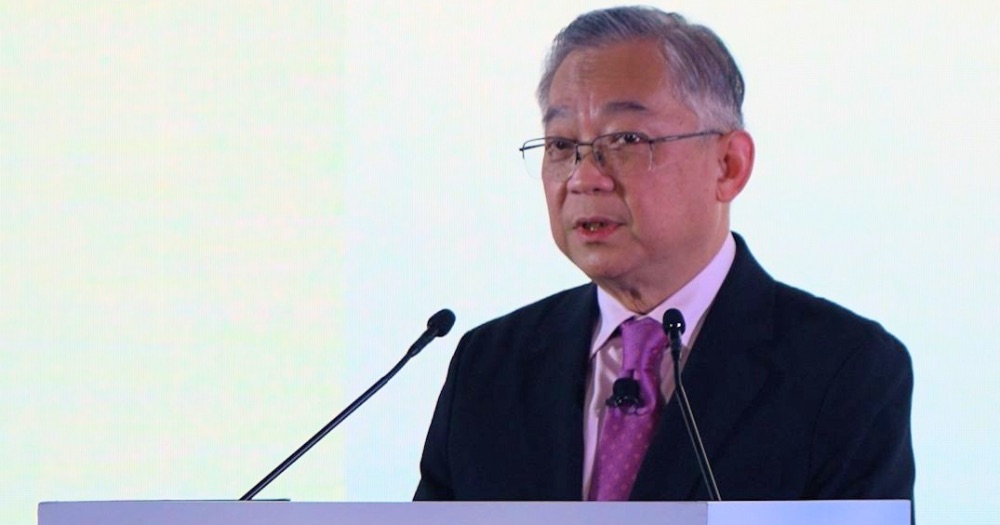
ASEAN must counter rising economic nationalism with deeper integration and wider partnerships, said Deputy Prime Minister Gan Kim Yong.
Gan, who was speaking at the Asia Future Summit on Nov. 27, 2026, listed three crosscurrents that make this choice especially important.
They are artificial intelligence (AI), geopolitical shocks and geo-economic contestation.
This is because each can strengthen the impulse to turn inward, Gan explained.
"Each also makes cooperation more crucial."
Growing uncertainty over global trade
He added that Asia has seen the following during the past two years:
This includes higher tariffs, disruptions to energy supplies, as well as growing uncertainty over global trade.
Gan noted, however, that ASEAN's economies have remained resilient.
He added: "ASEAN grew by close to 5 per cent last year, and continues to offer opportunities for businesses and investors."
"Realising this potential will require us to navigate a world in which economic nationalism is gaining ground, where governments are placing greater emphasis on self-reliance and control over critical industries and supplies."
Acknowledging that such concerns are understandable, Gan said every government wants to safeguard jobs, secure access to essential supplies and strengthen economic resilience.
He agreed that ASEAN too faces such concerns, which "can fuel pressure to close markets, restrict exports and turn inward".
Gan warned that "raising barriers among ourselves would narrow the opportunities available to each of us".
"ASEAN must counter rising economic nationalism with deeper integration and wider partnerships."
AI
In the area of AI, Gan shared examples of how it offers ASEAN and Asia an opportunity to raise productivity and move into higher-value activities.
Manufacturers across economies can improve quality and reduce waste, with logistics providers planning deliveries more efficiently.
"Smaller firms can access capabilities through cloud services that previously required substantial investments of their own," he added.
Gan also raised the importance of "our gains ... [depending] on how widely businesses and workers can use AI to create value".
This means firms need to improve their data, redesign processes and train their people.
But he cautioned that cooperation on safety will become more critical as AI becomes more powerful and widely used.
"AI can help identify software vulnerabilities and strengthen our defences," Gan pointed out.
"But it is also making cyberattacks easier to carry out and faster to execute, leaving businesses less time to respond."
Energy security
Another point that Gan raised regarding energy supplies was how the wars in Iran and Ukraine showed how distant conflicts can affect businesses and households across ASEAN and Asia.
"When energy supplies are disrupted or shipping routes come under pressure, the effects ripple through the economy," he said.
"Higher fuel, freight and fertiliser costs raise business costs and push up the prices of everyday goods for everyone."
Gan added that ways to strengthen resilience include keeping trade flowing, sharing information and coordinating responses.
Gan also shared that ASEAN economic ministers reaffirmed their commitment to keeping markets open and avoiding unnecessary trade restrictions earlier this year in response to the Middle East situation.
They also called for closer cooperation on energy security and food supply chains, he added.
Noting that the ASEAN Power Grid (APG) is another way to strengthen energy resilience, Gan explained how the power integration project linking Lao PDR, Thailand, Malaysia and
Singapore demonstrates the feasibility of multilateral electricity trade across countries.
A bridge for trade, investment and cooperation
In his speech, Gan also highlighted that geo-economic competition is reshaping the networks through which "we trade, invest and access technology".
"Governments are paying closer attention to dependencies and control over critical capabilities."
While ASEAN countries are unable to determine how major powers handle their differences, the region can maintain relationships and remain as "a bridge for trade, investment and cooperation".
In order for ASEAN to do so, he highlighted the importance of trust and major partners must have confidence in ASEAN's integrity and reliability.
Deepening partnerships in ASEAN
Prime Minister Lawrence Wong had previously mentioned at the 49th ASEAN summit how deeper integration and wider partnerships reinforce each other.
"A more integrated ASEAN strengthens our value as a partner, while wider partnerships open up more opportunities for our region," Gan said.
Businesses can have their costs reduced by the implementation of the upgraded ASEAN Trade in Goods Agreement.
This will be done through streamlined procedures and more transparent rules.
"Through ASEAN's customs-related mutual recognition arrangement, certified trusted traders can also benefit from faster customs clearance and priority treatment across participating countries."
Gan brought up the ASEAN Digital Economy Framework Agreement which extends integration into the digital economy.
He said businesses can reach regional customers and manage operations across borders through easier cross-border transactions, payments and access to digital services.
Gan elaborated that governments will have a stronger basis to keep markets open when workers and smaller businesses can see how cooperation improves their prospects.
"Singapore will carry this approach into our ASEAN Chairmanship next year, building on the Philippines' good work," said Gan, adding that this means working with fellow members to deepen integration, widen partnerships and develop opportunities in the digital and green economies.
"Through deeper and wider cooperation, we can secure stronger growth, greater resilience and better lives for our people."