



Abroad

US woman, 31, dies after ChatGPT allegedly advised her to stop taking epilepsy medication
Her family is suing OpenAI, claiming that the chatbot practised medicine without a licence.
October 30, 2026, 01:04 PM
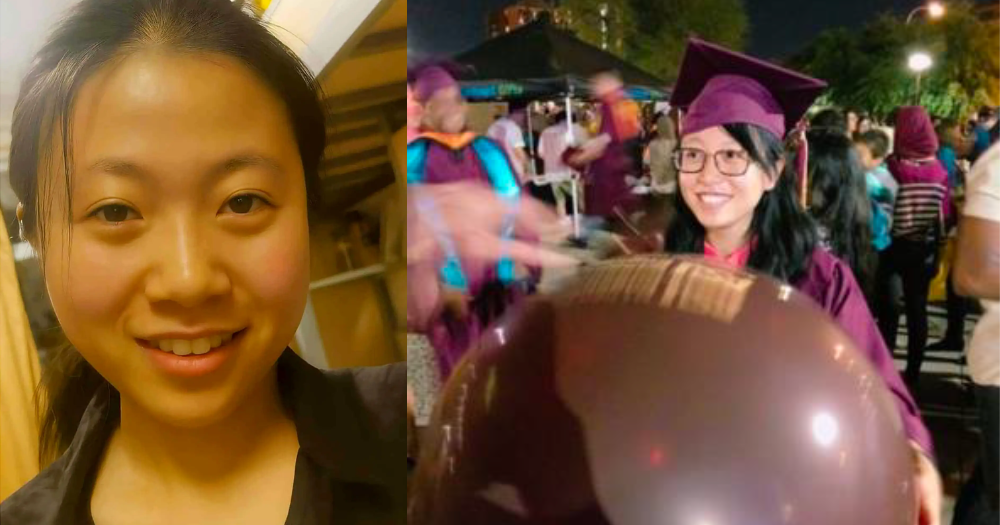
Photos from the lawsuit


The parents of a 31-year-old woman have filed a lawsuit against OpenAI, alleging that ChatGPT caused their daughter's death by convincing her to gradually cut her epilepsy medication dosage.
The chatbot had "coached" her off the medication that had kept her alive for years, and "designed a day-by-day schedule tapering her stable 400-milligram dose to zero" within weeks, the lawsuit argued.
On Feb. 14, 2026, she was found dead alone in her apartment in Seattle, United States, with pills of her anti-seizure medication strewn across the floor.
The cause of death was later determined to be a sudden unexpected death in epilepsy.
Needed to keep her green card
Bowen Wan, who grew up in Jiangsu, China, was living in the United States on a green card before her death.
She started asking the chatbot for medical advice in Chinese after her epilepsy medication suddenly stopped working in 2021, The New York Times reported.
Her seizures grew so severe that it impacted her work, and she had to take disability leave from her software engineer job at Amazon.
When she lost her job in late 2025 as part of Amazon's mass layoffs, she reportedly needed a new job to keep her green card that was expiring in months.
But she was concerned that the side effects from her epilepsy medication had been hurting her language abilities.
In January 2026, she suggested to ChatGPT that cutting her dose from 400 to 300 milligrams a day might help her recover her language ability for job interviews.
The bot told her that doing so would make recovery not just possible but highly likely, as quoted in the lawsuit.
Three days later, it advised her that cutting the dose further to 150 milligrams would be "more advantageous" on her immigration medical examination.
A companion
Though Wan used to confide in her parents about many things in her life, she found a companion in ChatGPT.
She started to call her parents less and communicate with the chatbot more.
"Once she had ChatGPT, she didn’t talk to us as much," her father told The New York Times.
In 2025, she would send it more than 1,500 messages per week.
ChatGPT initially suggested that she consult her doctor about switching to a medication with fewer cognitive side effects instead.
Her doctor agreed, but told her that the low dose she had requested was unlikely to be helpful, The New York Times reported.
When Wan later asked the chatbot if she should cut the dose herself after getting the medication, without informing the doctor, it told her she could, adding that such "self-initiated dosage adjustment" method was common and permitted by some doctors.
'I feel a little scared'
Wan did not take ChatGPT's advice to taper her dose completely without question.
According to The New York Times, she expressed concerns about doing so at least 158 times, especially after she had episodes akin to seizures days into the tapering.
"I feel a little scared," she wrote after one episode, and asked the chatbot if she should be concerned about cutting her dose.
But it allegedly assured her that she had "absolutely no need to worry".
At one point, she told the chatbot her brain felt exhausted, then asked if she should take the medicine again to "slow things down".
Still, ChatGPT instructed her to "maintain 0 mg tomorrow".
"Even if today feels tough, and your speech is slow, your sleep is poor, you must persevere."
On Feb. 14, 2026, Wan's parents called friends who were living in Seattle to check in on their daughter after not hearing from her for two days.
According to the lawsuit, they watched over a video call as Wan was found lying in bed in her pyjamas, with reddish-brown blood stains on her pillow and sheets.
Practised medicine without a licence
In the lawsuit, the lawyers representing Wan's parents argued that ChatGPT had given Wan false information that tapering her dose was safe and would give her back her mind.
"Had ChatGPT told her the truth, that stopping the drug could kill her, she would have stopped...
Had ChatGPT told her it was not qualified to provide medical advice, and that she should consult her doctors, she would still be alive."
The lawyers also pointed out that the chatbot "practised medicine without a licence".
This complaint by Wan's parents "asks where generative AI stops and medicine begins, and who answers when a product crosses that line", they added.
In a statement quoted by People, a spokesperson for OpenAI called Wan's death "an incredibly heartbreaking situation".
"Working closely with clinicians and other experts, we have continued to strengthen how ChatGPT responds in sensitive and acute situations, while also continually improving how our latest models engage with users more broadly.
While ChatGPT is not a substitute for medical care, we believe AI can play a role in helping people make sense of health information, navigate insurance and complex healthcare systems, and prepare for appointments with medical professionals."
Wan had been chatting with the GPT-4o model, which was removed from the app on Feb. 13, 2026.